
Opening the garage door at night and spotting spider webs stretched across your tools or workbench can get old pretty fast. It’s even worse when you reach for welding gloves or a storage box and something crawls out unexpectedly.
That’s why many homeowners start looking for How to Keep Spiders Out of Garage Naturally without relying on harsh chemicals or constant spraying.
Garages create the perfect hiding spots for spiders—dark corners, stacked boxes, moisture, and plenty of insects to feed on.
I’ve seen workshops stay spider-free with a few simple changes, while others kept battling webs because the root cause wasn’t handled. The good news is that natural methods can work surprisingly well when used the right way.
I’ll break down practical, low-cost ways to keep spiders out naturally, including simple cleaning habits, scent-based repellents, and garage setup tips that actually make a difference over time.
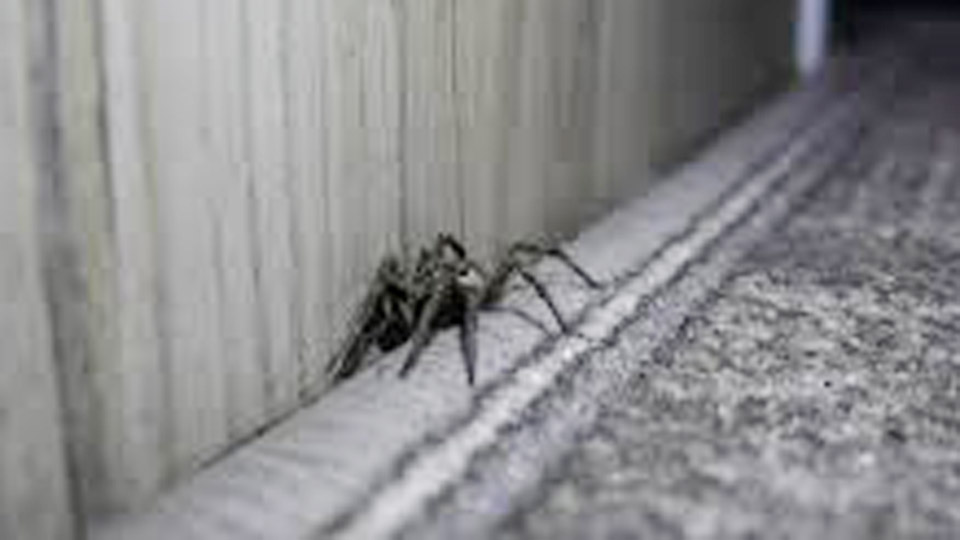
Image by prairielandgarages
Why Spiders Become a Problem in Welding Garages
Garages and welding shops offer everything spiders want: shelter from weather, plenty of hiding spots in stacked materials or toolboxes, and prey like flies drawn to lights or warm equipment.
Moisture from leaks or condensation makes it worse, and cardboard boxes—common for storing consumables—act like spider hotels.
In a welding environment, this creates real issues. Webs can contaminate joints before you weld. Spiders in helmet storage or glove boxes lead to startled reactions around live arcs. More importantly, you don’t want pesticide residues near your weld pool or fumes.
Natural methods focus on removing attractants, sealing entry points, and using repellents that won’t interfere with your work or leave harmful residues.
Declutter and Organize Your Shop: The Foundation of Spider Control
Start here every time. Clutter is the number one reason spiders move in and stay.
What it looks like in practice: Stack steel stock neatly on racks instead of leaning piles against walls. Use clear plastic bins with lids for small parts, rods, and consumables instead of open cardboard. Get tools off the floor and onto pegboards or shelves.
How it works: Spiders need undisturbed spots to spin webs and hide. Regular organization disrupts their habitat and makes it easier to spot problems early.
When to do it: Before every major project and at least monthly in active shops. In humid climates or during fall when spiders seek indoor shelter, make it weekly.
Practical tips from the shop floor:
- Sweep and vacuum corners, under benches, and behind welders at the end of every session.
- Elevate everything possible—use pallets or shelving for lumber and scrap.
- Replace cardboard with sealed containers for gloves, wire, and flux.
Common mistake beginners make: Thinking one big clean-up lasts forever. Pros know it’s an ongoing habit. I keep a dedicated “shop tidy” bin near the door so random items don’t pile up.
Seal Gaps and Cracks: Block Their Entry Routes
Spiders crawl through the tiniest openings. In older garages or metal buildings common for welding setups, this is critical.
What to target: Gaps around garage doors, windows, service doors, vents, and where pipes or wiring enter. Check foundation cracks and corners where walls meet floors.
How sealing works: Physical barriers prevent access. Combine with good weatherstripping on doors.
When and why: Do this once as a big project, then inspect seasonally. It’s especially important before winter when spiders look for warmth.
Shop-tested advice:
- Use silicone caulk for small gaps and expanding foam for larger ones (let it cure fully before welding nearby).
- Install door sweeps and weatherstripping on all exterior doors.
- Screen vents and use fine mesh over any openings that need airflow.
For welders with roll-up doors, pay extra attention to the sides and bottom track. I once had a persistent wolf spider population until I sealed the bottom track properly.
Control Moisture and Improve Ventilation
Damp garages attract insects, which attract spiders.
What it involves: Fix roof leaks, improve drainage outside, and run a dehumidifier if humidity stays high.
How it helps: Dry environments are less hospitable to both spiders and their prey.
Practical application in welding shops:
- Use a dehumidifier during humid months—empty it regularly.
- Ensure good airflow; position fans to move air without blowing dust into welds.
- Store hygroscopic materials (like some rods) in sealed containers with desiccants.
Avoid storing anything that holds moisture near your welding station. I’ve seen condensation on cold steel draw bugs that then draw spiders right into the work area.
Natural Repellents That Actually Work in a Shop Setting
Essential oils lead the pack for natural spider control. Peppermint stands out as the most reliable.
Peppermint Oil Spray: My Go-To Solution
Recipe that holds up in real shops:
- 2 cups water
- 15-30 drops pure peppermint essential oil
- 1 teaspoon dish soap (helps it stick and emulsify)
How to use it: Spray around baseboards, door thresholds, window sills, corners, and behind equipment. Reapply every 1-2 weeks or after heavy rain/dusty days.
Why it works: Spiders hate the strong menthol scent and avoid treated areas.
Welding-specific tips:
- Apply when you’re not welding or grinding to avoid any vapor interaction.
- Test on a small area first—some finishes or plastics may react.
- Combine with cedar blocks or sachets in storage drawers and tool chests.
Other effective oils include eucalyptus, lavender, citrus, and tea tree. Rotate them if spiders seem to adapt, though peppermint remains king in my experience.
Diatomaceous Earth (Food-Grade)
Sprinkle this natural powder in cracks, along walls, and under benches. It dehydrates insects and spiders on contact without toxins.
When to use: In dry areas where it won’t get kicked up into your weld zone. Reapply after cleaning or heavy activity.
Caution for welders: Keep it away from your arc area—fine dust in the air isn’t ideal.
Vinegar and Other Household Options
A 50/50 white vinegar-water mix cleans surfaces and repels spiders. Garlic sprays or citrus peels in corners offer mild deterrence.
Reducing Prey: Control Insects Naturally
Spiders come for food. Reduce flies, ants, and other bugs around lights, scrap piles, or food storage (if you snack in the shop).
- Use yellow bug lights or LED fixtures that attract fewer insects.
- Keep garbage sealed and clean spills immediately.
- Plant repellent herbs like lavender or rosemary near exterior garage walls if space allows.
Step-by-Step Monthly Spider Prevention Routine for Welders
- Declutter and sweep the entire space thoroughly.
- Inspect and seal any new gaps.
- Apply peppermint spray to all entry points and corners.
- Check storage—shake out gloves, helmets, and boots before use.
- Vacuum webs and high corners (do this before welding to avoid ash contamination).
- Monitor—note where you still see activity and target it specifically.
This routine takes under an hour once you’re in the habit and keeps most shops nearly spider-free.
Comparison of Natural Methods
| Method | Effectiveness | Ease of Use | Cost | Shop Compatibility | Reapplication |
|---|---|---|---|---|---|
| Peppermint Spray | High | Very Easy | Low | Excellent | Every 1-2 weeks |
| Decluttering | Very High | Moderate | Free | Perfect | Ongoing |
| Sealing Gaps | Very High | Moderate | Low-Med | Good | As needed |
| Diatomaceous Earth | Medium-High | Easy | Low | Good (dry areas) | After cleaning |
| Vinegar Solution | Medium | Very Easy | Very Low | Good | Weekly |
Common Mistakes Welders Make with Spider Control
- Using chemical sprays near welding consumables or equipment (residues can affect weld quality).
- Ignoring the exterior perimeter—spiders migrate from outside.
- Storing helmets and gloves on the floor or open shelves.
- Only treating visible webs instead of addressing root causes like clutter and moisture.
- Giving up too soon—natural methods work best with consistency.
Safety Considerations in the Welding Shop
Always prioritize ventilation when applying any sprays. Keep oils away from eyes and open flames. Never apply repellents immediately before striking an arc. Store essential oils properly so they don’t contaminate filler metals or fluxes.
For those running serious fab shops, consider creating a “clean zone” around the main welding station and focus repellents on the periphery.
Taking It Further: Long-Term Shop Design
Design your next garage or shop upgrade with spiders in mind:
- Concrete floors sealed to prevent cracks.
- Insulated and sealed metal buildings.
- Adequate lighting to reduce dark hiding spots.
- Dedicated storage solutions like wall-mounted cabinets.
Final Thoughts from the Welding Bench
After years of fighting this battle in various shops, the biggest lesson is that prevention beats reaction every time. Combine decluttering, sealing, and consistent use of peppermint-based solutions, and you’ll spend far more time laying beads than swatting spiders.
The key is making these practices part of your normal shop workflow, just like proper joint prep or machine setup. A clean, organized, spider-resistant garage isn’t just more pleasant—it’s safer and more productive for the kind of work we do.
Keep a small spray bottle of peppermint mix right by the man door. A quick spritz on your way in or out reinforces the barrier without extra effort. Your future self—and your nerves—will thank you.
FAQ: Real Questions from Welders and Shop Owners
How often do I need to reapply natural spider sprays in a garage?
In active welding shops, spray every 7-14 days. Reapply after heavy rain, dusty grinding sessions, or deep cleaning. Peppermint loses potency over time, especially with good ventilation.
Will essential oils affect my welding equipment or rods?
Used properly around the perimeter and not directly on equipment, they shouldn’t. Keep sprays away from open consumable storage and electronics. Always let areas dry completely before working.
Are there any natural methods safe around my TIG setup and aluminum?
Yes—focus on physical methods like decluttering and sealing first. Use peppermint or lavender sprays sparingly on walls and floors, never near the torch or filler rods. Diatomaceous earth works well in non-weld areas.
What if I still see spiders after trying these steps?
Double-check for moisture sources and unsealed gaps. Spiders may be coming from nearby woodpiles or vegetation. Reduce exterior lighting at night and consider adding more aggressive perimeter treatments like cedar chips outside.
Can cardboard boxes really cause spider problems in a welding shop?
Absolutely. They absorb moisture and provide perfect nesting material. Switch to plastic bins for long-term storage of parts and supplies. If you must keep some cardboard, elevate it and inspect regularly.


