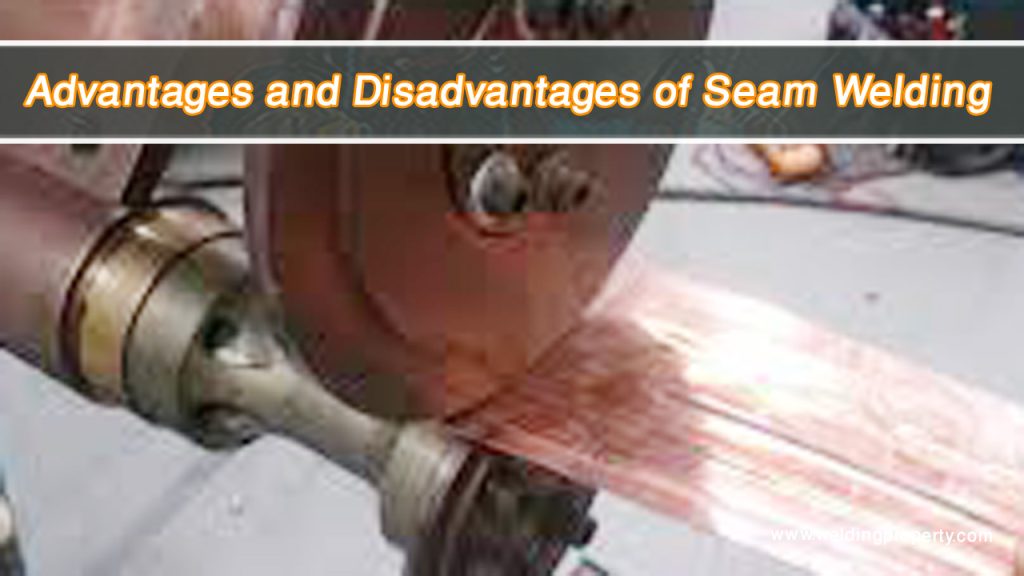
Seam welding is a fascinating and efficient welding technique that’s widely used in industries where strong, continuous welds are essential. Unlike spot welding, which creates individual weld points, seam welding produces a continuous seam, which makes it ideal for applications requiring airtight or watertight joins.

Inage by prima-press
So, how does seam welding work? Let’s dive into the details of this technique and see what makes it so effective.
What is Seam Welding?
Before we get into the process, let’s talk about what seam welding is. Seam welding is a type of resistance welding, which means it uses an electrical current to generate heat and join metal surfaces.
The main difference with seam welding is that it uses two rotating wheel electrodes to create a series of overlapping welds, forming a “seam.”
This method is highly valued in industries like automotive manufacturing, electronics, and even food packaging, where high-quality, sealed seams are essential.
How Does the Seam Welding Process Work?
If you’re curious about the actual mechanics, seam welding relies on a combination of heat, pressure, and rolling movement to join metal surfaces. Here’s a simple breakdown of the process, so you can picture how it all works.
Step 1: Preparation of the Workpieces
The first step is always preparing the workpieces. The metal surfaces need to be thoroughly cleaned to remove any oils, rust, or other contaminants that might interfere with the weld. Even a tiny amount of dirt can create weak spots in the weld, so careful preparation is essential.
Step 2: Setting Up the Seam Welding Machine
Once the workpieces are prepped, it’s time to set up the machine. Seam welding equipment involves several key components, like wheel electrodes, a power source, and a cooling system. Each of these parts needs to be calibrated to match the thickness and material of the metal being welded.
Step 3: Aligning the Metal and Applying Pressure
After setup, the workpieces are positioned between two wheel-shaped electrodes. These electrodes will apply pressure while the metal is being welded. They don’t just press down and stay in one spot—they roll along the seam, keeping steady pressure and ensuring the weld is strong and uniform.
Step 4: Applying Electrical Current
With everything in place, the machine applies an electric current through the wheel electrodes and the metal. This current generates heat, which melts the metal at the point of contact. The combination of heat and pressure causes the metals to fuse, creating a welded seam.
Step 5: Continuous Movement of the Electrodes
As the electrodes move along the joint, they create a series of overlapping welds that result in a continuous, smooth seam. The speed at which the wheels move can be adjusted based on the material and the type of seam needed. Faster speeds may create a lighter weld, while slower speeds can produce a deeper, stronger weld.
Step 6: Cooling and Solidification
Once the welding is done, the metal cools and solidifies quickly. The cooling system helps maintain a steady temperature and prevents the wheels or the workpieces from overheating. After the seam has fully solidified, you’ll have a strong, consistent weld that’s often both airtight and watertight.
Key Components of a Seam Welding Machine
To understand seam welding fully, it’s helpful to know more about the equipment used. Let’s go over the main components that make this process work.
Wheel Electrodes
The wheel electrodes are unique to seam welding and are essential for creating a continuous seam. These wheels press down on the metal surfaces, applying both pressure and the electric current needed to heat the metal. The wheels’ rolling action allows the weld to extend smoothly along the seam.
Power Source
The power source is what generates the electric current necessary for welding. Typically, seam welding uses an AC (alternating current) power supply, though in some cases DC (direct current) can also be used.
The power supply needs to be strong enough to create sufficient heat for the metals being welded, without causing excessive warping.
Cooling System
Seam welding generates a lot of heat, and without a cooling system, the wheels and workpieces could overheat. A water-based cooling system is often used to keep the machine and metal surfaces at a manageable temperature. This not only protects the equipment but also helps ensure the weld quality remains consistent.
Advantages of Seam Welding
Seam welding has several benefits that make it a go-to choice in industries requiring reliable, high-quality welds. Here are some of the main advantages.
Strong, Continuous Welds
One of the primary benefits of seam welding is that it creates a continuous, uniform weld. This is especially useful in applications where strength and consistency are important, such as in automotive fuel tanks or heating appliances.
Airtight and Watertight Seals
Because of the way it creates overlapping welds, seam welding is perfect for projects that need airtight or watertight seals. This makes it ideal for containers, pipes, and other products that need to hold gases or liquids without leaking.
Efficiency and Speed
Seam welding is also highly efficient. The continuous rolling motion of the electrodes allows the process to move quickly, which is a major advantage in mass production. Industries that rely on high-speed manufacturing, like electronics or automotive production, often turn to seam welding for its efficiency.
Minimal Distortion
Since seam welding applies pressure and heat in a controlled, localized way, it tends to minimize the distortion that can occur with some other welding methods. This is particularly beneficial when working with thinner metals or components that need precise alignment.
Disadvantages of Seam Welding
Despite its many advantages, seam welding does have some limitations. Let’s go over a few of the drawbacks to keep in mind.
Limited to Certain Materials
Seam welding works best with certain types of metal, such as steel, stainless steel, and aluminum. It may struggle with metals that are very thin, as they can burn through easily. Very thick materials can also be challenging, as the heat may not penetrate deep enough to create a solid weld.
High Initial Equipment Cost
The machinery for seam welding can be quite costly, especially compared to simpler welding techniques like spot welding. This upfront investment may not be feasible for small projects or businesses.
Requires Precise Setup
Seam welding requires precise control of heat, pressure, and speed to create a reliable weld. A poorly calibrated machine can lead to weak welds, overheating, or even damage to the workpieces. This precision setup can add time to the process and requires trained operators.
Comparison of Seam Welding vs Spot Welding
Here’s a quick comparison of seam welding and spot welding to help illustrate the differences:
| Feature | Seam Welding | Spot Welding |
|---|---|---|
| Weld Type | Continuous seam | Individual spots |
| Ideal Applications | Airtight/watertight joints, long seams | Small, simple joints |
| Distortion | Minimal | Slightly more, depending on settings |
| Speed | Faster for continuous seams | Slower for large areas |
| Equipment Cost | Higher | Lower |
| Setup Precision | High | Moderate |
Applications of Seam Welding
Seam welding is used in a variety of industries where reliable, continuous welds are essential. Here are some of the most common applications:
Automotive Manufacturing
In the automotive industry, seam welding is often used to create fuel tanks, exhaust systems, and other components that need to be strong and airtight. The continuous welds provide the durability needed to withstand the stresses of everyday vehicle use.
Food and Beverage Containers
For products like cans and other containers that need to be airtight, seam welding is ideal. It helps maintain freshness and prevents leaks, making it perfect for food and beverage packaging.
Heating Appliances and Radiators
Many heating appliances and radiators use seam welding to ensure they’re watertight. The strength and continuity of the welds keep these components secure, even when exposed to high heat and pressure.
Electronic Enclosures
Seam welding is also used in electronics to create sealed enclosures for sensitive components. This helps protect the electronics from dust, moisture, and other environmental factors that could cause damage.
Conclusion
Seam welding is an incredibly effective and reliable welding method, particularly for projects requiring strong, continuous welds. Its ability to create airtight and watertight seals makes it invaluable in industries from automotive to food packaging.
While it does have some limitations—such as its high initial cost and need for precise setup—the benefits it offers make it a popular choice in large-scale manufacturing.
If you’re looking at the structure of a fuel tank, the seal on a food can, or the casing of an electronic device, seam welding plays a key role in creating durable, high-quality products. It’s a fascinating process that combines heat, pressure, and precision, resulting in the kind of weld that can stand the test of time.