
Aluminum has a way of exposing every little mistake in a weld. Too much heat and the edge collapses. Too little control and the puddle turns messy fast. After working with different welding processes on aluminum parts, it becomes pretty clear Why TIG Welding Is Used for Aluminum so often in fabrication shops and precision work.
The biggest advantage is control. TIG welding gives you a stable arc, cleaner welds, and the ability to manage heat carefully on a metal that reacts quickly and forms oxide layers almost instantly.
That matters whether you’re working on thin aluminum sheet, custom fabrication, automotive parts, or anything where appearance and strength both count.
But TIG welding aluminum isn’t just about making pretty beads. The process helps reduce contamination, limits spatter, and creates stronger, more reliable joints when done correctly.
I’ll break down why TIG is the preferred choice for aluminum, where it performs best, and the practical reasons welders trust it for high-quality work.
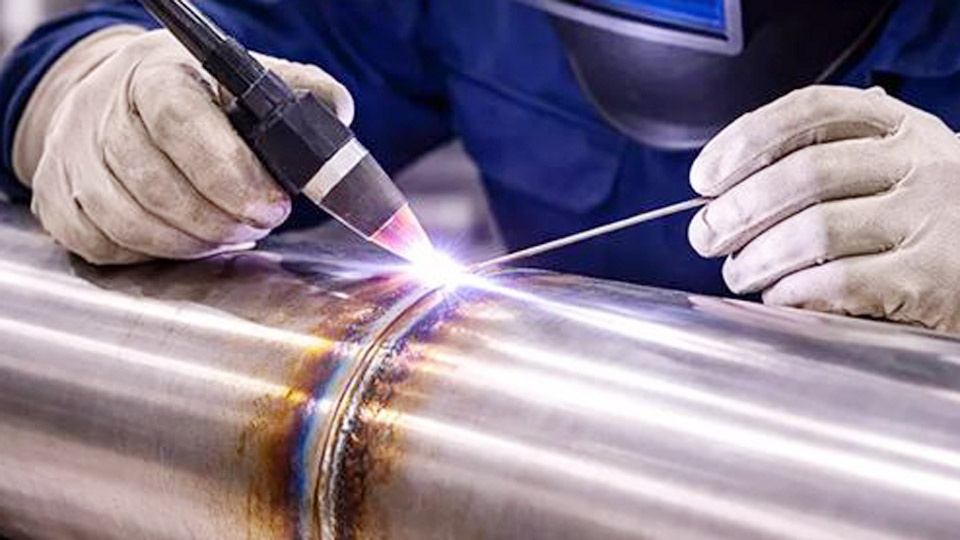
Image by kongfangmetal
What Makes Aluminum So Tricky to Weld?
Aluminum isn’t like mild steel. It dissipates heat rapidly, so you need more initial amperage to get a puddle going, but then it heats up fast and can warp or crack if you linger too long. That oxide layer—aluminum oxide—forms instantly when exposed to air and requires specific arc action to break it down.
The metal also has no color change before melting, unlike steel. One second it’s solid, the next it’s a puddle running away from you. This is why many beginners and even experienced welders default to processes they know, only to fight distortion or porosity later.
In my experience, these properties matter most in real jobs: thin body panels where looks count, pressure vessels that can’t leak, or structural parts where strength-to-weight ratio is critical. TIG shines here because you control every variable.
Why TIG Welding Excels for Aluminum Compared to Other Processes
TIG (GTAW) uses a non-consumable tungsten electrode and separate filler rod, with inert gas shielding—usually pure argon. This setup gives precise heat control that MIG or stick simply can’t match on aluminum.
Key advantages I’ve seen in the shop:
- Superior heat control minimizes distortion on thin material.
- Excellent oxide cleaning with AC current.
- Clean welds with minimal spatter or post-weld cleanup.
- Ability to weld very thin gauges without burn-through.
- Strong, ductile welds when done right.
MIG with a spool gun is faster for thicker sections or production work, but it lacks the finesse for thin stuff or cosmetic repairs. Stick (SMAW) is rarely suitable due to flux issues and poor control. TIG is slower, but the results justify the time, especially on visible or critical welds.
TIG vs MIG for Aluminum: Quick Comparison
| Aspect | TIG Welding | MIG (Spool Gun) |
|---|---|---|
| Heat Control | Excellent, foot pedal adjustable | Good but less precise |
| Thin Material | Best choice (<1/8″) | Risk of burn-through |
| Appearance | Clean, stack-of-dimes possible | Functional but rougher |
| Speed | Slower | Faster |
| Skill Level | Higher learning curve | Easier for beginners |
| Distortion | Lower with proper technique | Higher if not managed |
| Best For | Precision, repairs, aesthetics | Production, thicker sections |
I’ve used both on the same job. For a quick patch on thick aluminum trailer flooring, MIG wins on time. For a custom radiator or bike swingarm, TIG is the only way I trust it.
Understanding AC TIG Welding for Aluminum
You almost always use Alternating Current (AC) for aluminum. The electrode-positive part of the cycle blasts away the oxide layer through ionic bombardment, while electrode-negative delivers the heat into the workpiece.
Balance control on modern inverters lets you adjust this ratio. More cleaning (higher EP) for dirty or oxidized material; more penetration (higher EN) for thicker sections or when you need deeper fusion.
Frequency matters too—higher frequencies (100-150 Hz) give a tighter, more focused arc that’s easier to control on thinner material.
Essential Machine Settings for TIG Welding Aluminum
Rule of thumb: about 1 amp per 0.001 inch of thickness. For 1/8″ (0.125″) aluminum, start around 125 amps. Adjust based on joint type, fit-up, and how heat flows.
Practical starting points I’ve used successfully:
- 1/16″ sheet: 50-80 amps
- 1/8″ plate: 100-150 amps
- 1/4″ plate: 180-250 amps (preheat may help on larger pieces)
Use a foot pedal. It lets you ramp up to establish the puddle quickly, then back off as the metal heats. Start with pre-flow gas for 1-2 seconds, post-flow 8-15 seconds to protect the tungsten and cooling puddle.
Pure argon is standard. For thicker material or when you need more heat, some mix in helium, but argon works for 90% of shop work.
Electrode choice: 2% lanthanated or ceriated tungsten. For most work, 3/32″ or 1/8″ diameter. Sharpen to a point but leave a small flat tip for AC—it balls up slightly anyway.
Filler Rod Selection and Compatibility
Match the filler to your base metal for strength, corrosion resistance, and crack avoidance.
Common choices:
- 4043: All-around rod. Good flow, less cracking, shiny finish. Great for general fabrication and 6xxx series.
- 5356: Higher strength, better for 5xxx series. More crack-resistant in some applications.
- 4047: High silicon for minimal distortion—ideal for castings or where shrinkage is an issue.
Keep rods clean and stored dry. I wipe them with acetone right before use.
Joint Preparation: The Step You Can’t Skip
Cleanliness is non-negotiable. Aluminum oxide and contaminants cause porosity and weak welds.
My standard prep routine:
- Degrease with acetone or aluminum cleaner.
- Stainless steel wire brush (dedicated for aluminum only) to remove oxide.
- Wipe again.
- Weld within minutes—oxide reforms fast.
Bevel thicker material for better penetration. Use wider included angles (60-80 degrees) than steel because aluminum needs it for fusion. Good fit-up reduces filler needed and heat input.
Step-by-Step: How to TIG Weld Aluminum
- Set up your machine — AC mode, correct balance and frequency, amperage range.
- Prep the joint thoroughly.
- Tack weld with good fit-up. Tacks should be strong but not too hot.
- Start the arc with the torch at about 10-15 degrees push angle.
- Form the puddle — Watch for it to “wet out” and look shiny (oxide gone).
- Add filler — Dab the rod into the leading edge of the puddle, not the arc. Keep the rod in the gas shield.
- Travel — Move at a speed that keeps the puddle controlled. Hot and fast usually beats slow and cold.
- End the weld — Reduce amperage gradually to fill the crater and avoid cracks.
Practice on scrap first. Outside corner joints are forgiving for learning puddle control.
Common Mistakes and How to Avoid Them
Beginners often:
- Skip thorough cleaning → Porosity city. Always degrease and brush.
- Wrong balance → Black, sooty welds or no penetration. Start around 30% cleaning.
- Too much heat or too slow → Distortion and burn-through. Use the foot pedal and keep moving.
- Dipping the tungsten → Contamination. Hold steady and practice arc length (about 1/8″).
- Poor gas coverage → Dirty welds. Check for leaks, use 15-20 CFH, and proper cup size (#5-#8).
Pros sometimes get lazy on prep when in a rush—don’t. It always shows up in the test or in service.
Safety Considerations for Aluminum TIG Welding
Aluminum reflects UV light intensely, so cover up more than with steel. Good ventilation is critical—aluminum fumes can be nasty. Use a respirator if needed.
Tungsten particles or shards from grinding are sharp; handle electrodes carefully. Always wear proper gloves, jacket, and helmet with good auto-darkening lens.
Real-World Applications Where TIG Wins
I’ve used TIG aluminum for:
- Custom motorcycle frames and tanks (looks and strength).
- Automotive body repairs on fenders and hoods.
- Marine components that need corrosion resistance.
- Food-grade or pressure-tight fabrications.
- Artistic pieces where bead appearance matters.
In each case, the control and cleanliness made the difference between a professional job and something that needed rework.
Advanced Tips for Better Aluminum TIG Welds
- Preheat large or thick pieces to 200-300°F to reduce cracking risk, but don’t overdo it.
- Back-purge critical joints if possible.
- Use pulse settings if your machine has them—great for thin material.
- Watch the puddle, not the arc. The puddle tells you everything.
- For stack-of-dimes, consistent rhythm with filler addition is key.
Taking Your Skills Further
Once you nail basic beads, move to different joint types: butt, lap, T-joints. Practice vertical and overhead—gravity affects aluminum puddles differently.
Experiment with machine settings on your specific welder. US brands like Miller and Lincoln have great inverters with aluminum-specific features that make life easier.
Key takeaway: TIG welding aluminum rewards patience and preparation. It’s not the fastest, but it produces welds that look great and hold up under stress.
The next time you’re facing an aluminum project, take the time to set up right, clean meticulously, and control your heat. You’ll end up with joints stronger than the base metal and a finish that turns heads in the shop.
One pro-level tip I’d give any welder: Slow is smooth, smooth is fast. Rushing the puddle on aluminum will bite you every time. Master control first, and speed comes naturally.
FAQ: Common TIG Aluminum Welding Questions
How do I prevent porosity in aluminum TIG welds?
Clean the material aggressively with acetone and a stainless brush right before welding. Use proper gas flow and avoid drafts. Contamination is the usual culprit—dirty filler or base metal almost always causes it.
What amperage should I use for 1/8″ aluminum?
Start around 110-140 amps and adjust with the foot pedal. Thinner edges need less; T-joints pull heat away faster so you may need more initially. Test on scrap.
Can I TIG weld aluminum with DC?
Not effectively for most work. DCEN won’t clean the oxide properly. Stick with AC unless you’re doing very specific DC setups with helium for thick material.
Why does my aluminum weld look black and sooty?
Usually too much cleaning action (high EP balance) or poor gas coverage. Dial back the balance toward more penetration and check your torch setup.
Is TIG better than MIG for thin aluminum sheet?
Yes, almost always. MIG tends to burn through or lack control on material under 1/8″. TIG lets you feather the heat perfectly.


