Pressure problems in a system rarely give you much warning. One minute everything is running smoothly, and the next you’re hearing strange vibrations, seeing pressure spikes, or dealing with equipment that’s suddenly under stress.
In situations like that, understanding What Is the Difference Between Safety Valve and Relief Valve becomes more than technical knowledge—it’s essential for protecting both equipment and people.
Even though the two valves sound similar, they’re designed to handle pressure in different ways. I’ve seen plenty of confusion on job sites where people use the terms interchangeably, only to realize later that each valve responds differently depending on whether the system handles gas, steam, or liquid pressure. Choosing the wrong one can affect performance, safety, and long-term reliability.
That’s why this topic matters in real-world maintenance and fabrication work. Knowing how each valve operates helps prevent overpressure damage, costly downtime, and unnecessary repairs.
I’ll break down the key differences in simple, practical terms so you can clearly understand where each valve is used and why it matters.
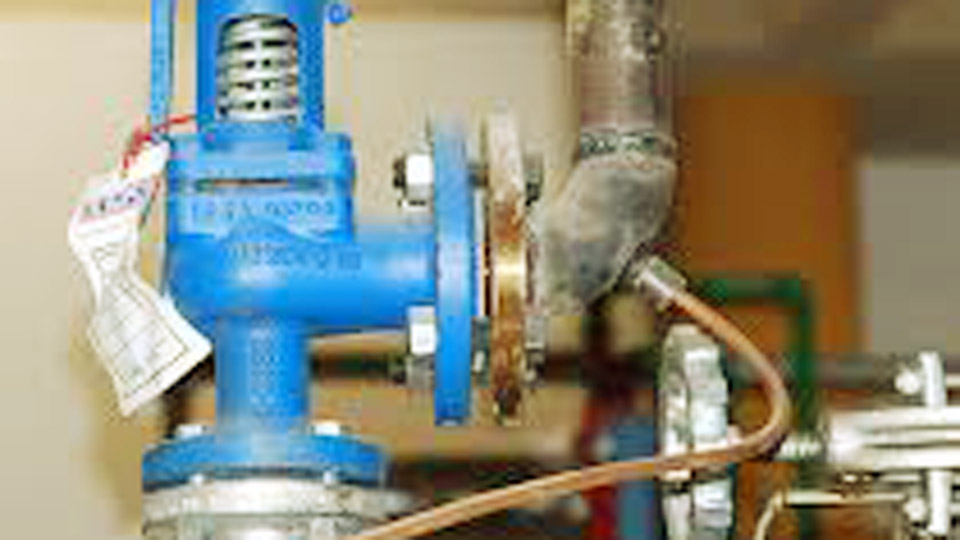
Image by differencebetween
Why Mixing Up Pressure Valves Can Ruin Your Shop Equipment
In the welding and fabrication trade, we respect pressure. Whether it is a high-pressure shielding gas cylinder pressurized to 2,200 pounds per square inch (psi) or a 120-gallon air compressor tank cycling at 175 psi, contained energy presents a constant hazard.
Both safety valves and relief valves belong to a broad family known as Pressure Relief Devices (PRDs). Their overarching job is to prevent a vessel or piping system from exceeding its maximum allowable working pressure (MAWP).
However, the specific way they open, the medium they are designed to handle, and their internal mechanical responses are entirely different. If you mistakenly install a standard relief valve on a gas system that requires a safety valve, the valve will open too slowly, pressure will continue to build faster than it can dump, and your tank or line can rupture violently along its heat-affected zone (HAZ).
Conversely, putting an instant-opening safety valve on a heavy hydraulic system will cause massive hydraulic shock waves, blasting out your seals, destroying your pumps, and ruining your workpiece setup.
Understanding this distinction is just as critical as knowing why you cannot use a standard stick welding electrode on a fine gauge aluminum sheet.
What Is a Safety Valve and How Does It Protect Compressors?
What It Is
A safety valve is an automatic pressure-relieving device designed to act as a final, absolute failure barrier. It is a failsafe mechanism that remains tightly closed until a specific, predetermined setpoint is reached. The moment that threshold is crossed, it operates with zero hesitation.
How It Works
The hallmark characteristic of a safety valve is its instantaneous, full-opening action. This is often referred to in the trade as a “pop action.” Internally, a safety valve features a specialized disc held down by a heavy-duty spring. Surrounding this disc is an engineered lip or huddling chamber.
When the system pressure rises slightly above the set point, a small amount of gas escapes into this huddling chamber. Because this fluid now acts on a larger surface area, the upward force suddenly multiplies, instantly overcoming the spring tension.
The valve pops wide open, hitting 100 percent capacity immediately to dump a massive volume of air, steam, or gas. It will stay open until the system pressure drops significantly below the original set point—a variance known as “blowdown.”
When and Why It Should Be Used
Safety valves are strictly used for compressible fluids, such as air, steam, and gases. In a standard welding or custom fabrication shop, you will find safety valves installed directly on air compressor tanks and large gas distribution manifolds.
They are used because gases compress tightly under load, holding a massive amount of potential kinetic energy. If an electrical pressure switch fails on your compressor and the motor keeps pumping, a safety valve is the only thing standing between an organized workspace and a devastating structural explosion.
Practical Tips
The Manual Pull Test: Most shop compressor safety valves feature a small ring at the top. When the tank is under partial pressure, give that ring a brief pull while wearing hearing protection. It should pop open sharply and snap shut completely without leaking.
Corrosion Inspection: If your welding booth is located close to your compressor, airborne flux particles and moisture can settle on the valve seat. Inspect the valve body monthly for any signs of pitting or rust that could bind the internal spring.
What Is a Relief Valve and Why Does It Belong on Hydraulics?
What It Is
A relief valve is a pressure-limiting device designed to regulate or bypass pressure during routine system operations. Unlike a safety valve, a relief valve is not intended to be a catastrophic failsafe; it is an active manager of operational limits.
How It Works
The defining feature of a relief valve is its proportional opening action. It opens gradually, and its lift is directly proportional to the increase in system overpressure. Inside the valve body, a spring-loaded piston or disc rests against the fluid stream.
As pressure rises to the specific set point (often called the crack pressure), the fluid begins to push the disc open just enough to bleed off the excess volume. If the pressure continues to climb, the valve opens wider. If the pressure stabilizes, the valve holds its position. Once the pressure drops back down, the spring smoothly pushes the disc back onto its seat.
When and Why It Should Be Used
Relief valves are designed specifically for incompressible fluids, which include liquids like water, hydraulic oil, and coolants. You will encounter relief valves on hydraulic shop presses, heavy CNC bending equipment, tube benders, and even the water-circulating cooling units hooked up to high-amperage TIG or MIG welding torches.
Because liquids do not compress, bleeding off even a tiny volume causes an immediate, sharp drop in pressure. A gradual, proportional valve is necessary here to maintain steady, predictable fluid control without introducing system damaging pressure spikes.
Practical Tips
Thermal Expansion Drift: In liquid-cooled welding systems, heat radiating from long duty-cycle welding jobs will naturally expand the liquid inside the lines. Expect your relief valve to bleed a small amount of liquid back into the reservoir during prolonged, high-amperage fabrications.
Seal Material Check: When rebuilding or replacing a relief valve on a shop tool, ensure the internal O-ring or seal material is fully compatible with your specific hydraulic fluid or glycol-based torch coolant to prevent premature chemical breakdown.
Safety Valve vs. Relief Valve: Side-by-Side Comparison
To help you quickly identify these components while working around your shop or setting up a new equipment line, let’s lay out their core differences side by side.
| Operational Feature | Safety Valve | Relief Valve |
| Primary System Fluid | Compressible fluids (Air, Steam, Gases) | Incompressible fluids (Water, Hydraulic Oil, Coolant) |
| Opening Mechanism | Instantaneous, full-stroke “pop” action | Gradual, proportional opening relative to overpressure |
| Internal Lift Capacity | Hits 100% discharge capacity immediately | Opens progressively as pressure increases |
| Primary Purpose | Emergency safety barrier / Explosion prevention | Operational pressure management and system regulation |
| Typical Shop Application | Air compressor tanks, gas distribution lines | Hydraulic presses, water-cooled TIG torch lines |
| Setpoint Behavior | Remains wide open until a distinct pressure drop (blowdown) occurs | Closes smoothly as soon as pressure drops below setpoint |
Fabricating and Welding Around High-Pressure Components
When you are tasked with building a bracket, assembling a mounting skid, or welding structural connections near high-pressure piping manifolds, your welding technique directly impacts the integrity of these pressure-relief devices. High-pressure environments leave no room for amateur mistakes like undercutting, cold lap, or poor root penetration.
Selecting the Right Welding Process and Consumables
For structural modifications or heavy equipment repairs around pressure systems, Shielded Metal Arc Welding (SMAW), commonly known as stick welding, remains an industry staple due to its deep penetration and portability. If you are welding on structural steel or heavy pipe brackets, your choice of electrode will determine if your weld can withstand the constant vibration generated by compressors and hydraulic pumps.
E6010 Electrodes: This fast-freeze, high-cellulose rod is your go-to for root passes on open-root joints or cutting through light surface rust on old shop fixtures. It provides deep penetration but leaves a rougher ripple pattern that requires cleaning.
E7018 Electrodes: This low-hydrogen, iron-powder rod is essential for your fill and cap passes. It provides exceptional mechanical properties, ductile weld deposits, and high tensile strength ($70,000 \text{ psi}$ minimum). It keeps hydrogen out of the weld puddle, which prevents underbead cracking in stressed steel structures.
Amperage and Material Guide for Common Shop Fabrications
When welding mounting plates or pipe supports for your pressure systems, you need your machine dialed in perfectly to prevent distortion or burn-through. Below is a practical guide for setting up your stick welding machine when fabricating heavy-duty shop components using a standard low-hydrogen electrode.
| Material Thickness | Electrode Type | Electrode Diameter | Recommended Amperage Range |
| 1/8 inch (11-gauge) | E7018 | 3/32 inch | $75 \text{ to } 100 \text{ Amps}$ |
| 1/4 inch | E7018 | 1/8 inch | $110 \text{ to } 140 \text{ Amps}$ |
| 3/8 inch to 1/2 inch | E7018 | 5/32 inch | $140 \text{ to } 180 \text{ Amps}$ |
Proper Joint Preparation and Cleanliness
Never weld directly to a pressure vessel or a live high-pressure line under any circumstances. If you are fabricating an external support frame or a tank mounting bracket, your joint preparation must be impeccable:
Bevel the Edges: For materials 1/4 inch or thicker, use an angle grinder to cut a 30 to 37.5 degree bevel. This creates a proper groove that ensures your weld penetrates all the way through the base metal.
Remove Contaminants: Clean the weld zone down to shiny, bare metal at least one inch back from the joint. Strip away mill scale, oil, grease, paint, and zinc plating. If you weld over these, you will trap impurities in your weld pool, causing severe internal porosity and cracking that can fail under system stress.
Common Pressure System Mistakes to Avoid in Your Shop
Even experienced fabricators can run into trouble when maintaining shop utilities or setting up equipment lines. Keeping an eye out for these three common pitfalls can save you from costly downtime or dangerous failures.
1. Painting Over Valve Vent Holes and Discharge Ports
When giving a newly fabricated compressor rack or utility manifold a fresh coat of shop paint, it is incredibly easy to accidentally spray over the small weep holes or discharge ports on a safety or relief valve. If paint dries inside the huddling chamber or plugs the spring casing, it will seize the internal components.
The next time an overpressure event occurs, the valve will fail to open, creating a highly hazardous situation. Always mask off your valves completely before painting.
2. Using Thread Locker on Valve Connections
When threading a brass safety valve into an air tank port, you want a reliable, leak-free seal. However, reaching for permanent red or medium-strength blue liquid thread-locking compounds is a major mistake. These liquids can easily migrate down the threads, get inside the valve seat, and glue the sealing disc permanently shut.
Instead, use a premium, high-density PTFE tape (Teflon tape) or a dedicated thread sealant paste (pipe dope) approved for pressure systems, applying it carefully while leaving the bottom two threads bare.
3. Ignoring the Discharge Path Direction
When an air safety valve blows, it releases a massive, high-velocity blast of air along with any moisture or oil sludge trapped at the top of the tank. If the valve is pointing straight at your primary welding booth or directly toward an electrical panel, you are inviting a secondary accident.
When plumbing your system, always ensure that the discharge path of a safety valve is directed upward or away from walkways, work areas, and sensitive electronic welding equipment.
Wrapping Up: Practical Insight
Managing a safe, efficient workshop requires looking past the tip of your welding torch or the edges of your layout table. Every element of your shop’s infrastructure—from the gas regulators on your bottles to the safety valves on your primary air compressor tank—works as an interconnected ecosystem.
Taking care of your shop utilities requires the same deliberate attention to detail as executing a multi-pass structural weld. By accurately distinguishing between safety valves and relief valves, properly preparing your materials, and setting your welding equipment to the correct parameters, you protect your tools, your structural projects, and your team.
Treat every pressure valve in your shop like a precision tool. Never attempt to manually adjust the factory setpoint of an ASME-stamped safety valve by tightening down the top cap or shimming the internal spring.
If a valve is opening too early or leaking constantly at normal working pressures, do not try to patch it or alter its mechanical properties—discard it immediately and replace it with a new, factory-certified unit rated for your system’s exact requirements.
Shop Owner FAQs: Real Pressure System Solutions
What does it mean when my air compressor safety valve starts sputtering or hissing?
A sputtering or constantly hissing safety valve usually means the internal sealing disc or seat has become fouled with dirt, moisture, or compressor oil sludge. You can sometimes clear this by pulling the manual ring while the tank is under partial pressure to blow out the debris.
If it continues to hiss after releasing the ring, the internal spring has weakened or the seat is permanently pitted. Replace the valve immediately; a leaking valve is an unreliable safety mechanism.
Can I use a brass relief valve meant for water lines on my TIG welder’s coolant tank?
No. Standard plumbing valves are typically not rated for continuous duty cycles or the specific glycol-based chemical mixtures used in dedicated TIG torch cooling units.
Welding coolants require specialized low-pressure relief valves with compatible internal elastomers (like Viton or EPDM) that will not degrade or gum up over time. Always source replacement valves directly from your welding machine manufacturer or an authorized welding supply vendor.
Why do some safety valves have an ASME stamp on the side while others do not?
The ASME (American Society of Mechanical Engineers) stamp indicates that the valve has been strictly engineered, manufactured, and independently tested to comply with specific section codes for pressure vessel safety.
An ASME-stamped valve provides guaranteed performance ratings regarding its exact pop-pressure and discharge volume. For commercial fabrication shops, industrial facilities, and air tanks exceeding specific sizes, utilizing ASME-certified safety valves is typically a strict insurance and OSHA requirement.