A quick flash, a stray spark, or that invisible UV sneaking around the edges of a hood—it all adds up. Safety glasses aren’t just another item on the PPE checklist.
They’re non-negotiable when welding because they protect your eyes from flying debris, hot slag, grinding particles, and secondary exposure to radiation while giving you clear vision when your helmet is up.
In my shop, we treat safety glasses as the foundation. The welding helmet or goggles handle the intense arc, but glasses stay on all day. They’ve saved me and my crew from painful arc flash, metal chips in the eye, and worse.
If you’re a DIY hobbyist, welding student, or pro running SMAW, MIG, TIG, or oxy-fuel jobs, understanding exactly why safety glasses are required will keep you productive and pain-free for years.
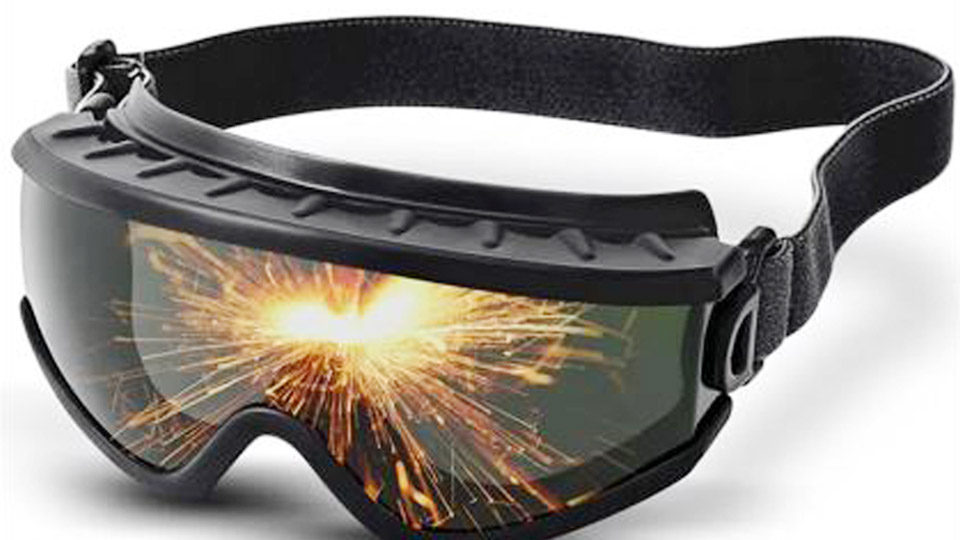
Image by tktk
The Real Dangers to Your Eyes in the Welding Shop
Welding creates multiple eye hazards at once. The electric arc blasts intense ultraviolet (UV), infrared (IR), and visible light. Sparks and molten metal fly everywhere. Grinding, chipping, and hammering send sharp fragments zipping through the air. Without the right protection, you’re risking immediate injury and long-term damage.
Arc eye (photokeratitis) feels like sand in your eyes mixed with a bad sunburn on your cornea. Symptoms often hit hours later—pain, tearing, light sensitivity, blurred vision. A few seconds of unprotected exposure to a bright arc can cause it.
IR radiation penetrates deeper and contributes to cataracts over time. Visible light causes glare and temporary blindness that leads to mistakes.
Flying debris causes corneal scratches or embedded particles. I’ve pulled tiny slag pieces out of guys’ eyes more times than I care to remember. Even when your hood is down, sparks can sneak in around the edges or when you flip it up to inspect a bead.
Bystanders and helpers get hit too. One quick glance at someone else’s arc without protection, and you’re down for days.
Why Safety Glasses Under the Helmet? Practical Experience Speaks
Many beginners ask if the welding helmet alone is enough. In short: no. Helmets protect against the direct arc and large sparks, but they don’t seal perfectly, and they leave you exposed the moment you raise them.
OSHA and ANSI Z87.1 standards require appropriate eye and face protection. Safety glasses with side shields or goggles provide impact protection and stay on when your hood comes up for chipping, grinding, or setup. Pros wear them under auto-darkening helmets because a single stray spark during a long run or when repositioning can ruin your day.
In real fabrication shops, you’re rarely just welding. You grind, cut, hammer, and move around. Glasses give continuous protection. I insist on Z87+ rated glasses with side shields for everyone in my shop. They handle high-impact hits that a basic pair won’t.
Common mistake: Wearing only the helmet and nothing underneath. You lift the hood to check your weld and catch sparks from the next station or your own grinder. Another error is using regular sunglasses— they lack impact rating and proper UV/IR filtering for welding environments.
Types of Eye Protection for Welders: What Actually Works in the Shop
Safety Glasses: Clear or lightly tinted polycarbonate lenses, Z87+ rated, with side shields. Great for general shop use, grinding, and under helmets. Many welders prefer wraparound styles for better coverage.
Welding Goggles: For oxy-fuel or when you need more enclosure. They seal tighter against fumes and small particles but can fog more easily.
Flip-Up or Under-Hood Glasses: Some have shade 5 lenses for cutting or low-amp TIG. Useful but not a replacement for a full helmet on higher amperage arcs.
Auto-Darkening Helmets with Glasses: The modern standard. Helmet handles the arc; glasses handle everything else.
For prescription needs, get Z87-rated prescription safety glasses or use over-glasses goggles. Don’t risk cheap inserts that slip or reduce visibility.
I’ve tested dozens of pairs. Look for anti-fog coatings, scratch resistance, and good ventilation. Cheap no-name glasses fail under real shop abuse.
Shade Numbers and Radiation Protection Explained
Shade numbers indicate how much light is blocked. Higher numbers for brighter arcs. Your helmet filter does the heavy lifting here, but safety glasses add UV/IR blocking, especially for helpers.
Typical recommendations (always check your specific process and amperage):
- SMAW (stick) 100-200 amps: Helmet shade 10-12
- MIG short circuit: Similar range
- TIG: Often lower amps but still needs proper shade
- Oxy-acetylene: Shade 4-6
Safety glasses for non-welders in the area should block UV. Never stare at an arc without proper filtration.
Step-by-Step: Setting Up Proper Eye Protection for a Welding Session
- Choose the right gear: Z87+ safety glasses with side shields. Inspect for cracks or loose parts.
- Fit check: They should sit comfortably, not slide, with good peripheral vision.
- Under the helmet: Wear glasses first, then adjust your helmet so it clears them when flipping.
- For bystanders: Provide shade 5 glasses or better if they’re near the arc.
- Maintenance: Clean lenses with proper solution. Replace when scratched or damaged—visibility matters for quality welds too.
- Test in low light: Make sure you can see your workpiece clearly before striking an arc.
Welding Processes and Specific Eye Protection Needs
SMAW (Stick Welding): High spatter, intense arc. Safety glasses are critical because slag chips fly aggressively when you knock it off. Use higher shade helmets and keep glasses on during cleanup.
MIG Welding: Cleaner but still produces spatter and fumes. Short-circuit mode is forgiving for beginners, but spray transfer creates brighter arcs. Glasses protect during wire changes and grinding.
TIG Welding: Precise, lower spatter, but the arc is very bright and concentrated. You often work with your face closer to the puddle. Clear safety glasses under the helmet help maintain visibility for those beautiful stacked dimes.
Oxy-Fuel Cutting and Welding: Different radiation profile. Use appropriate tinted goggles or glasses. IR protection is key here.
Grinding and Prep Work: This is where most eye injuries happen outside the actual arc. Always wear full-coverage safety glasses. I’ve seen guys skip them for “just a quick grind” and regret it.
Material Considerations: Stainless, aluminum, and galvanized steel produce different fume and spatter profiles. Prep joints properly—clean metal means less cleanup and fewer flying particles.
Joint Preparation, Machine Settings, and How They Tie Into Safety
Good prep reduces spatter and rework, indirectly protecting your eyes by shortening arc time. For mild steel stick welding with 6010 or 7018 rods:
- 1/8″ electrode: 90-140 amps on a typical 200-250A machine
- 5/32″: 120-180 amps
Clean mill scale, rust, and oil. Bevel thick plates for good penetration. Proper settings mean stable arcs with less popping and spatter—easier on your eyes and helmet lens.
For MIG, 0.030″ wire on 1/8″ steel: 18-22V, 150-200 IPM wire speed. Shielding gas mix matters for spatter control.
These details matter because unstable arcs create more UV flashes and spatter, increasing risk.
Common Beginner and Pro Mistakes with Eye Protection
- Lifting the hood without glasses on for quick checks.
- Using dark welding glasses for everything, reducing visibility and causing errors.
- Sharing one pair of glasses in a multi-person shop.
- Ignoring side shields—sparks come from all angles.
- Forgetting helpers and passersby need protection too.
- Not replacing scratched lenses (reduces clarity and protection).
Pros sometimes get complacent after years without incident. One bad flash burn reminds you fast.
Pros and Cons: Safety Glasses vs Other Options
Safety Glasses:
- Pros: Lightweight, good visibility, continuous wear, impact protection, affordable.
- Cons: Less seal than goggles (fumes/dust).
Goggles:
- Pros: Better seal.
- Cons: Can fog, bulkier under helmet.
Helmet Only:
- Pros: Full face/arc protection.
- Cons: No protection when raised; sparks sneak in.
Combination of Z87+ glasses + proper helmet is the shop-proven winner.
Real Fabrication and Repair Examples
On a trailer repair job with 1/4″ steel, stick welding in awkward positions means more spatter. Glasses saved me when a chunk bounced off the table. For aluminum TIG on custom fab, clear vision through good glasses helps control the puddle without constant helmet adjustments.
In structural work, you’re often welding overhead—gravity sends slag your way. Eye protection is everything.
Maintaining Your Eye Protection Gear
Clean daily. Use microfiber and approved cleaners. Store properly. Check for ANSI markings. Replace annually or sooner if damaged. Keep spares in the shop.
For auto-darkening helmets, test the sensors regularly. A failing helmet puts more load on your glasses and eyes.
Building Safe Habits That Last
Start every job by putting on glasses first. Make it automatic like picking up your gloves. Train apprentices the same way. In my experience, shops with strict eye protection rules have far fewer injuries and higher productivity because guys aren’t sidelined with painful eyes.
Key Takeaways for Better Welding Safety
Safety glasses are required because welding throws multiple hazards at your eyes simultaneously—radiation, impact, heat, and debris.
Helmets handle the arc, but glasses provide the constant baseline protection you need in a real shop. Combine them with proper shade selection, good joint prep, correct machine settings, and clean technique for the best results.
You now understand the why and how from actual welding experience. Prioritize eye protection like your career depends on it—because it does. The best welders I know aren’t the ones who push the limits on safety; they’re the ones who go home with clear vision every night.
One pro-level tip: Always keep a spare pair of Z87+ glasses in your toolbox. When your primary pair gets covered in spatter or fogs up mid-job, you won’t be tempted to work unprotected. Small habit, massive payoff.
FAQ: Welding Eye Protection Questions Answered
Do I really need safety glasses under my welding helmet?
Yes. The helmet protects from the direct arc, but sparks and debris still get in, and you need protection the second you raise the hood. Shop standard is glasses on at all times.
What shade do I need for safety glasses when helping a welder?
Shade 5 is common for observers. Never look directly at the arc without proper filtration. Clear UV-blocking glasses are minimum for general shop movement.
Can regular prescription glasses substitute for safety glasses?
No. They lack impact resistance and side protection. Get proper Z87-rated prescription safety glasses or wear goggles over them.
How long does arc eye last and what helps?
It can last 24-48 hours. Dark room, cold compresses, artificial tears, and pain relief. See a doctor if severe. Prevention is far better.
Are there different glasses for MIG vs TIG vs Stick?
The base safety glasses are the same. Choose slight tint or IR-blocking for specific processes if working without a helmet for cutting, but always use full helmet shade for actual welding.