
I’ve spent years in fabrication shops, where hydraulic equipment is as common as a MIG gun. From hydraulic press brakes that form heavy plate to positioners that hold massive weldments and shears that prep material, these systems make our work possible.
But nothing kills a job faster—or costs more—than a hydraulic system that builds too much pressure and lets go at the wrong moment.
That’s where the hydraulic pressure relief valve comes in. If you’re a DIY welder upgrading your shop equipment, a student learning fabrication, or a pro running a busy repair business, understanding how a hydraulic pressure relief valve works can save you downtime, ruined parts, and serious safety headaches.
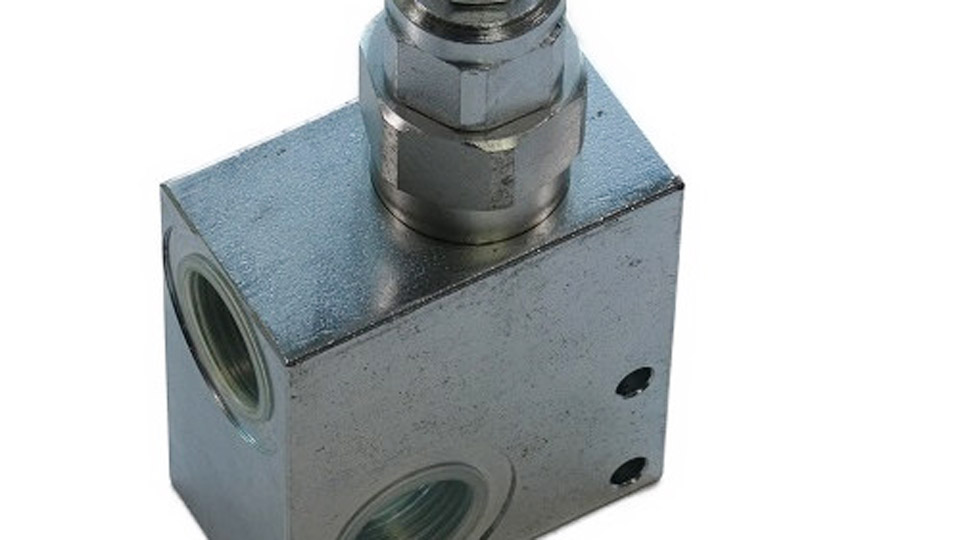
Image by hycon
Why Pressure Relief Valves Matter in a Welding Shop
In real shop life, hydraulics handle the heavy lifting so you can focus on laying clean beads. A cylinder on a press might need 2,000–3,000 PSI to bend ½-inch plate. When something binds—a misaligned part, a jammed die, or even cold, thick oil—the pressure spikes fast.
Without a properly functioning relief valve, that spike can blow hoses, damage pumps, crack cylinders, or worse, send components flying.
I’ve seen a relief valve failure turn a $15,000 hydraulic brake into a paperweight in seconds. On the flip side, a well-adjusted valve protects your investment and keeps jobs moving.
What Is a Hydraulic Pressure Relief Valve?
A hydraulic pressure relief valve is a safety device that limits maximum system pressure by opening an alternate path for fluid when pressure exceeds a preset limit. It diverts excess oil back to the reservoir (tank), preventing damage.
Think of it as the circuit breaker for your hydraulic system. In welding and fabrication, you’ll find them on press brakes, ironworkers, hydraulic punches, lift tables, and even some advanced welding positioners.
How Does a Hydraulic Pressure Relief Valve Work? The Basics
Let’s break it down like I’m showing a new apprentice in the shop.
Most relief valves have a few key parts: a poppet (or ball/spool), a seat, a spring, and an adjustment mechanism (usually a screw).
Under normal operation, system pressure pushes against the poppet, but the spring holds it closed. When pressure rises high enough to overcome the spring force, the poppet lifts off its seat.
Fluid flows through the outlet port back to the tank, relieving the pressure. Once pressure drops below the cracking pressure, the spring reseats the poppet and flow stops.
This cycle can happen in milliseconds during a spike. The valve doesn’t stay open unless the system is continuously over-pressurized.
Cracking pressure is the point where the valve first opens. Full relief pressure is where it flows at its rated capacity. Good valves have a small difference between the two for smooth control.
Direct-Acting vs. Pilot-Operated Relief Valves
You’ll encounter two main types in shop equipment. Each has its place.
Direct-Acting Relief Valves
These are simple and fast. System pressure acts directly on the poppet against the spring. They respond quickly to pressure spikes—great for smaller systems or where fast reaction matters.
Pros:
- Simple design, fewer parts to fail
- Quick response
- Reliable in dirty environments if properly filtered
Cons:
- Can have higher pressure override (pressure rises more before full flow)
- Less precise at very high flows
- Spring must be strong for high pressures, making fine adjustment harder
In a small shop hydraulic shear or punch, a direct-acting valve often does the job perfectly.
Pilot-Operated Relief Valves
These use a two-stage design. A small pilot valve senses pressure and controls a larger main valve. They handle higher flows with less pressure override and allow remote or electrically adjusted settings.
Pros:
- Excellent pressure control
- Lower override
- Can handle large flow rates without chatter
- Adjustable under pressure on many models
Cons:
- More complex, more expensive
- Can be sensitive to contamination
- Slightly slower initial response
You’ll see pilot-operated valves on larger press brakes and CNC equipment common in professional fabrication shops.
When and Why You Should Use (or Check) Relief Valves
Every hydraulic system in your welding shop should have at least one main relief valve, usually near the pump. Additional valves can protect specific circuits—like clamping cylinders versus bending cylinders.
Use them to:
- Protect against dead-heading the pump
- Limit force on delicate workpieces
- Prevent damage from thermal expansion of trapped oil
- Safely handle shock loads when cylinders bottom out
Step-by-Step: Adjusting a Hydraulic Relief Valve Safely
Never adjust a valve while the system is under full load without experience. Here’s how I do it:
- Warm up the hydraulic oil to normal operating temperature (cold oil is thicker and gives false readings).
- Install a quality pressure gauge at a test port near the valve.
- Loosen the locknut on the adjustment screw.
- Turn the screw clockwise to increase pressure, counterclockwise to decrease. Make small ¼-turn adjustments.
- Cycle the system and watch the gauge for cracking pressure.
- Tighten the locknut and re-test.
- Remove the gauge and replace any plugs.
Always follow the machine manufacturer’s specs. On many US-made presses, you’ll see settings between 2,000–3,500 PSI depending on the model.
Common Mistakes Welders and Fabricators Make
I’ve made a few of these myself over the years:
- Setting the relief too high “to get more power.” This is dangerous and shortens component life.
- Ignoring contamination. Dirt is the number one killer of relief valves. Use good filters and keep oil clean.
- Adjusting without a gauge. Guessing leads to blown hoses or weak performance.
- Forgetting to check for leaks after adjustment. Vibration can loosen fittings.
- Using the wrong fluid. Cheap hydraulic oil breaks down fast under heat and pressure.
Practical Tips from the Shop Floor
- Temperature matters. Hot oil is thinner and can cause the valve to open earlier. Monitor operating temps.
- Pressure override. On direct-acting valves, expect some rise above set pressure at high flow. Size accordingly.
- Location. Mount the main relief close to the pump for best protection.
- Testing. Periodically test by slowly increasing load until the valve opens. Note the pressure.
- Maintenance. Clean or replace the valve if it chatters, leaks, or fails to hold pressure.
In welding setups, pair good relief valve function with proper joint prep. Just like choosing the right amperage for 7018 rods on thick plate, matching hydraulic pressure to material thickness prevents distortion and rework.
Comparing Relief Valve Types for Welding Shop Use
| Feature | Direct-Acting | Pilot-Operated |
|---|---|---|
| Response Time | Very Fast | Fast (slightly slower) |
| Flow Capacity | Lower | Higher |
| Pressure Control | Good | Excellent |
| Cost | Lower | Higher |
| Contamination Tolerance | Better | More Sensitive |
| Best For | Small presses, punches | Large brakes, complex systems |
Material Compatibility and System Considerations
Hydraulic systems in US shops often use standard mineral-based fluids. Check compatibility with seals—Viton for higher temps, Buna-N for standard use. In cold climates like the Midwest winters, consider fluids with good viscosity index so your valves perform consistently.
When fabricating custom hydraulic fixtures for welding, always include relief protection on each circuit. A simple direct-acting cartridge valve can save a $500 cylinder.
Troubleshooting Relief Valve Problems
Valve opens too early: Contamination, weak/broken spring, wrong adjustment.
Valve won’t open: Stuck poppet (dirt), broken spring (stuck closed—very dangerous), incorrect installation.
Chattering: Air in system, unstable settings, undersized lines.
Overheating: Valve constantly bypassing due to low setting or internal leaks.
Fix small issues early. A $50 seal kit beats a $2,000 pump replacement.
Safety First – Always
Treat hydraulic systems with respect. Even a small pinhole leak at 3,000 PSI can inject oil under your skin. Wear proper PPE, never stand in line with hoses under pressure, and depressurize systems before working on them.
Real-World Example: Fixing a Press Brake
Last year a local shop called me in. Their 175-ton brake was losing pressure mid-bend. The main pilot-operated relief valve had a scored poppet from contaminated oil. After flushing the system, replacing filters, and installing a new valve, it ran like new. Proper adjustment prevented future distortion issues on their stainless tanks.
Taking It Further: Integrating with Your Welding Workflow
Good hydraulic control complements your welding. Stable pressure means consistent clamping force, which means better fit-up and less distortion when you strike an arc. On repair jobs, hydraulic jacks and spreaders with reliable relief valves let you align heavy sections safely before tacking.
Key Takeaways for Better Shop Performance
Understanding how a hydraulic pressure relief valve works gives you control over one of the most critical safety systems in your shop. From choosing the right type for your equipment to proper adjustment and maintenance, these skills separate weekend hobbyists from professionals who deliver consistent, high-quality work.
You’re now better equipped to diagnose issues, make informed upgrades, and keep your hydraulic tools running safely alongside your welding operations.
Here’s one pro-level tip I always share: Treat your relief valves like your favorite pair of welding gloves—inspect them regularly, don’t abuse them, and replace them before they fail. A few minutes of prevention beats hours of cleanup and downtime every single time.
FAQ
How do I know if my hydraulic relief valve is bad?
Watch for overheating fluid, inconsistent pressure during operation, unusual noise (chattering), or the system failing to reach or hold working pressure. If the machine seems weak or pressure spikes then suddenly drops, test the valve.
Can I adjust a hydraulic relief valve while the machine is running?
Yes, but only carefully with a gauge installed and in small increments. Never make big changes under load. Always lock the adjustment afterward.
What’s the difference between cracking pressure and full flow pressure?
Cracking pressure is when the valve first starts to open. Full flow pressure is where it passes its rated flow. Good valves keep this spread small for better system control.
How often should I check or replace hydraulic relief valves in a welding shop?
Inspect during routine maintenance (every 500–1,000 hours or annually). Replace if damaged, leaking, or after major contamination events. Cartridge valves are relatively inexpensive insurance.
Will a higher relief setting give me more power from my hydraulic press?
Only up to the safe design limit of the equipment. Exceeding manufacturer specs risks catastrophic failure. Focus on proper maintenance and technique instead.


