Running a TIG weld on a tight joint can be frustrating when the arc suddenly becomes unstable or the bead doesn’t form the way you expected. Everything may seem correct—amperage, gas flow, and travel speed—but the weld quality still suffers.
Situations like these often lead welders to ask, What Is the Clearance Effect on TIG Welder and how it influences arc performance and weld results.
Small changes in clearance can affect heat distribution, arc stability, penetration, and overall bead appearance. When working on thin materials or precision fabrication projects, even a slight variation can make the difference between a clean weld and one that requires rework. Understanding these effects is especially important when consistency and accuracy matter.
I’ll break down what the clearance effect means in TIG welding, how it impacts the welding process, and the practical adjustments you can make to improve weld quality.
Whether you’re a beginner learning the basics or an experienced welder troubleshooting a problem, you’ll find straightforward explanations and real-world tips you can apply in the shop.
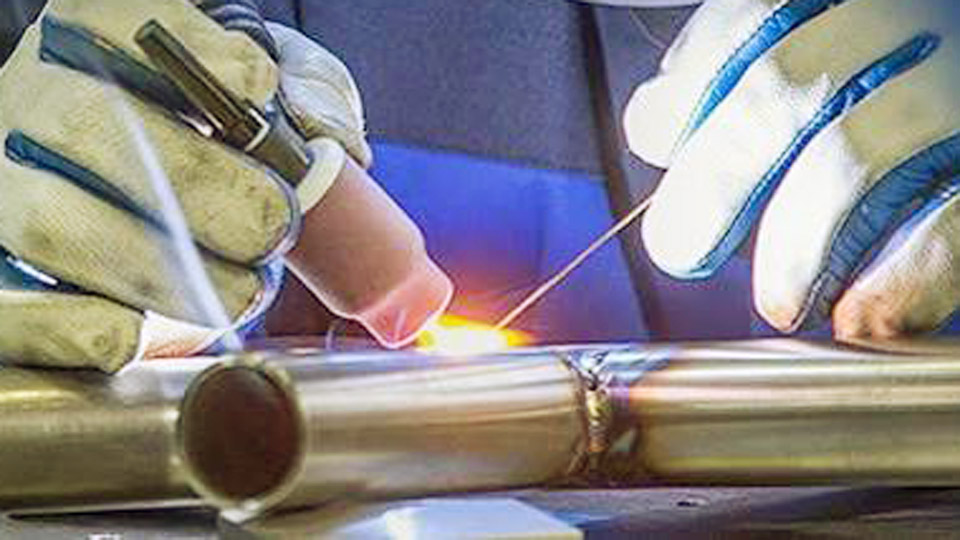
Image by weldclass
What Exactly Is the Clearance Effect in TIG Welding?
The clearance effect is a feature primarily on AC TIG welders designed for aluminum and magnesium. During AC welding, current alternates rapidly between positive and negative polarity.
Electrode Positive (EP): Current flows from the workpiece to the tungsten. This creates a cleaning action that blasts away the stubborn aluminum oxide layer. It puts more heat into the electrode.
Electrode Negative (EN): Current flows from the tungsten to the workpiece. This delivers deeper penetration and concentrates heat in the base metal.
The clearance effect dial lets you bias this balance. On Eastwood TIG machines, for example, turning toward the negative increases penetration (more EN time), while positive increases cleaning (more EP time).
It’s not just a gimmick. This control directly affects puddle fluidity, bead width, tungsten life, and overall weld quality. Many newer machines label it as “AC Balance” with percentages (e.g., 70% EN / 30% EP), but older or specific models use the “clearance effect” terminology.
How the Clearance Effect Actually Works on Your Machine
Picture the AC waveform. Without adjustment, it’s often balanced around 50/50. The clearance effect skews that waveform.
When you turn the dial negative (more penetration):
- More current flows electrode-negative.
- Heat concentrates in the workpiece.
- Narrower, deeper puddle.
- Less cleaning action.
- Tungsten stays sharper longer.
When you turn positive (more cleaning):
- More electrode-positive time.
- Stronger oxide removal.
- Wider, shallower puddle.
- Higher risk of tungsten overheating and balling.
Frequency settings often pair with this. Higher frequency tightens the arc for precision work, while lower frequency widens it for thicker material or better cleaning coverage.
In practice, I’ve found most aluminum jobs on 1/8″ to 1/4″ material work best with a slight negative bias on the clearance effect, especially once amperage climbs above 100-120 amps.
Why Clearance Effect Matters for Aluminum TIG Welding
Aluminum’s oxide layer melts at a much higher temperature than the base metal. Without enough cleaning, the puddle sits on top of oxides instead of fusing into the material. This leads to lack of fusion, porosity, or weak welds that fail under load.
On the flip side, excessive cleaning wastes heat on the tungsten. Your electrode balls up, the arc wanders, and you get inclusions or poor appearance. In a real shop or garage, this means more downtime sharpening tungstens and grinding out bad welds.
For professional welders repairing exhaust systems, fuel tanks, or bike frames, proper clearance effect settings reduce distortion and improve travel speed. Hobbyists building custom parts notice cleaner beads and fewer defects right away.
Clearance Effect vs. AC Balance: Clearing Up the Confusion
Many welders ask if these are the same thing. On most machines, yes—they’re different names for the same control. Manufacturers like Eastwood use “Clearance Effect,” while Miller, Lincoln, or others might say “AC Balance.”
The principle remains identical: adjust the EN/EP ratio. Start at the machine’s default (often 0 or balanced), then tweak based on material thickness and condition.
Pro tip from the shop floor: If your manual suggests settings by amperage, follow it initially. For example, some recommend negative clearance above 150 amps and positive below 100 amps. Test on scrap first.
Step-by-Step Guide to Setting Clearance Effect for TIG Aluminum
Here’s how I set it up on a typical job:
- Clean the material thoroughly. Use a dedicated stainless steel brush or carbide scraper. Wipe with acetone. Oxide reforms fast, so weld soon after cleaning.
- Choose your tungsten. 2% lanthanated or ceriated works great for AC. Sharpen to a point or slight flat for stability.
- Set basic parameters. Gas flow 15-20 CFH argon. Post-flow 8-15 seconds. Amperage based on thickness (roughly 1 amp per 0.001″ for aluminum as a starting point).
- Dial in clearance effect. Start at 0 or balanced. Strike an arc on scrap of similar thickness.
- Observe the puddle. Clean, shiny puddle with good wetting? You’re close. Dull or sandy surface? Increase positive (more cleaning). Tungsten balling excessively? Go more negative.
- Fine-tune with travel speed. Faster travel often needs slightly more cleaning; slower needs more penetration.
- Add filler rod. Dip rhythmically once the puddle is established. Match filler to base metal (e.g., 4043 for general aluminum, 5356 for strength).
Repeat on practice coupons until consistent.
Practical Amperage Ranges and Machine Settings
For common USA machines and materials:
- Thin sheet (0.040″-1/16″): 40-80 amps, slight positive clearance effect for cleaning.
- 1/8″ aluminum: 90-130 amps, clearance around 0 to -2.
- 3/16″-1/4″: 150-200+ amps, bias negative for penetration.
Pair with frequency: 80-120 Hz for most work. Higher (150+ Hz) for tight spots or thin edges.
Electrode diameter: 3/32″ for up to 150 amps, 1/8″ for higher. Keep stick-out about 1/8″ to 3/16″ for good gas coverage and visibility.
Common Mistakes with Clearance Effect (And How to Avoid Them)
Beginners often crank the dial to maximum positive thinking more cleaning is always better. Result? Overheated tungsten, wide erratic arc, and contaminated welds.
Pros sometimes ignore it entirely on DC settings (where it doesn’t apply) or forget to readjust when switching material thicknesses.
Another frequent error: Poor joint prep. Even perfect clearance effect can’t overcome dirty metal or improper fit-up. Bevel thick sections, ensure tight fit or proper gap for filler.
Overlooking gas coverage kills welds too. Drafts or low flow negate cleaning benefits.
Material-Specific Tips for Clearance Effect
Aluminum: Primary use case. 4043 filler flows easier but is softer; 5356 offers better strength and color match. Adjust clearance more negative on thicker sections or when speed is priority.
Magnesium: Similar to aluminum but more sensitive. Gentler cleaning settings and careful heat control.
Steel/Stainless (DC): Clearance effect usually disabled or irrelevant. Focus on DCEN for penetration.
Always match filler metal compatibility. Wrong rod leads to cracking regardless of settings.
Joint Preparation and Shop Practices
Good clearance effect performance starts before striking an arc:
- Bevel joints for thicker material (>1/8″).
- Use backing bars or purge for critical welds.
- Clamp securely to control distortion.
- Work in a draft-free area.
In fabrication shops, we often tack with slightly more cleaning to ensure oxide removal at starts and stops, then adjust for the main pass.
Pros and Cons of Adjusting Clearance Effect
Pros:
- Optimized cleaning without excess heat.
- Better penetration control.
- Extended tungsten life.
- Improved bead appearance and mechanical properties.
Cons:
- Requires practice and scrap testing.
- Machine-specific labeling can confuse new users.
- Over-adjusting can lead to instability if not monitored.
Overall, the benefits far outweigh the learning curve once you get comfortable.
Safety Considerations Every Welder Should Know
TIG welding involves high heat, UV radiation, and electricity. Always wear proper PPE: helmet with correct shade (9-13), gloves, jacket, and closed shoes.
Ventilation is critical—aluminum fumes and argon displacement require good airflow. Keep cylinders secured and check for leaks.
Respect the machine’s duty cycle, especially at higher amps where clearance adjustments increase heat input.
Real-World Examples from the Shop
I once repaired a cracked aluminum transmission case. Starting with balanced clearance, the oxide wouldn’t break. Shifting positive cleaned it nicely, but tungsten started balling at 140 amps. Dialing back negative a couple clicks gave perfect fusion without excessive heat—saved the part from further damage.
On thin 6061 sheet for a custom tank, slight positive bias prevented burn-through while maintaining a clean puddle. These adjustments make the difference between a weld that passes inspection and one that gets cut out.
Comparison Table: Clearance Effect Settings by Application
| Material Thickness | Amperage Range | Recommended Clearance | Expected Result | Common Adjustment |
|---|---|---|---|---|
| 0.040″ – 1/16″ | 40-80 | +1 to +3 | Good cleaning, minimal penetration | More positive for oxide |
| 1/8″ | 90-130 | 0 to -2 | Balanced puddle | Test for balling |
| 3/16″ – 1/4″ | 150-220 | -2 to -5 | Deep penetration | Negative bias |
| Repair/Thick | Varies | More negative | Faster travel | Monitor tungsten |
Adjust based on your specific machine and conditions.
Advanced Tips for Better TIG Control
Combine clearance effect with pulse settings for thin material—pulse helps control heat while the balance keeps the puddle clean.
Use a gas lens for better coverage in tricky positions. Experiment with torch angle: 10-15 degrees push angle often helps.
For pros, syncing foot pedal control with clearance adjustments allows real-time tweaks as the weld progresses.
Taking Your TIG Skills Further
Mastering the clearance effect on your TIG welder opens doors to higher-quality work on aluminum projects. From understanding the polarity balance to practical shop adjustments, these insights come from burning a lot of metal and learning from the results.
You’ll make fewer mistakes with dirty puddles or ruined tungstens. Joint prep, correct amperage, filler selection, and mindful settings all work together. Pay attention to how the puddle behaves, listen to the arc sound, and watch tungsten condition after each pass.
The strongest advice I can give is to always test settings on scrap identical to your workpiece. No two jobs or machines are exactly alike, but with experience, you’ll dial in clearance effect instinctively and produce welds you’re proud to show off. Keep your tungsten sharp, your metal clean, and your settings tuned—your beads will thank you.