
Setting up a small home shop often starts with one big question: should you go with MIG, TIG, or both? I’ve been in that exact situation—wanting a machine that can handle quick fabrication jobs but still give me the clean control of TIG when working on thinner metal. That’s where finding the Best Mig Tig Welder for Home Use becomes a smart move.
A good multi-process welder lets you switch between MIG for speed and TIG for precision, which is perfect for hobby projects, repairs, and small fabrication work.
Many modern machines combine these processes in one compact unit, giving you flexibility without filling your garage with multiple welders.
But not every combo machine delivers the same performance. Some struggle with arc stability, while others lack the features that make learning easier for beginners.
I’ll walk through the MIG/TIG welders that offer the best value for home users, the key specs that actually matter, and the practical tips that help you choose a machine you won’t outgrow after a few projects.

Image by grecianmagnesite
What Is Flux In Welding?
Flux is a material used during welding to protect the weld area. It creates a barrier against the air, prevents oxidation, and removes impurities. When heated, flux melts or vaporizes, producing gases or slag. This shields the weld and helps ensure a clean bond.
Without flux, welds can become weak or brittle. Flux also stabilizes the electric arc, making it easier to control. In short, flux is vital for quality welding, especially in environments where metals can easily react with air.
The Main Types Of Flux In Welding
Welding is not a one-size-fits-all process. Different metals, techniques, and conditions need different fluxes. Let’s explore the most common types of flux and their roles.
1. Solid Flux
Solid flux is a simple, dry material. It comes as powders, rods, or pastes. It is often used in gas welding, brazing, and soldering. When applied, it melts and forms a protective layer.
Solid flux is popular for easy jobs and repairs. It is affordable and simple to use. But it may not work well for heavy-duty welding or thick metals.
Common uses:
- Soldering electrical wires
- Brazing copper pipes
- Small metal repairs
Advantages:
- Easy to apply
- Low cost
- Good for beginners
Drawbacks:
- Limited protection for big welds
- Not suitable for high-temperature jobs
2. Paste Flux
Paste flux is a thick, sticky substance. It is often used for soldering and brazing. It sticks to metals and melts quickly when heated. Paste flux is good for small, precise jobs.
Typical applications:
- Electronics soldering
- Plumbing repairs
- Jewelry making
Benefits:
- Stays in place
- Easy to control
- Works well on small surfaces
Limitations:
- Not ideal for large-scale welding
- Can leave sticky residue if not cleaned
Paste flux is favored in industries where detail and accuracy matter. It is especially helpful for delicate work.
3. Granular Flux
Granular flux is made of small grains or pellets. It is poured onto the weld area or used in machines. It is common in submerged arc welding (SAW). The granules melt and form a thick protective layer.
Where it’s used:
- Large steel structures
- Shipbuilding
- Heavy fabrication
Pros:
- Strong protection for big welds
- Reduces fumes
- Supports high-speed welding
Cons:
- Not suitable for small or portable jobs
- Requires special equipment
Granular flux is used when strength and speed matter. It is less common in home or small workshop welding.
4. Liquid Flux
Liquid flux is a runny solution applied with brushes or sprays. It is used for soldering and brazing. It quickly spreads over the metal and reacts fast when heated.
Examples of use:
- Automotive repairs
- Circuit board soldering
- Small metal joints
Strengths:
- Covers surfaces evenly
- Easy to clean after welding
- Good for thin metals
Weaknesses:
- Can drip or run off
- Needs careful storage
Liquid flux works well for jobs that need fast, even coverage. It is common in electronics and auto shops.
5. Powdered Flux
Powdered flux is a loose powder sprinkled on the weld area. It melts and forms a glassy layer to protect the weld. It is often used in oxy-acetylene welding.
Typical uses:
- Welding cast iron
- Repairing steel parts
- Metal sculpture
Advantages:
- Easy to handle
- Can be mixed for special needs
- Works on many metals
Drawbacks:
- Can blow away in wind
- Needs careful storage
Powdered flux is flexible and easy to customize. It is useful for both repairs and creative projects.
6. Core Flux
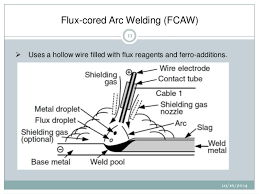
Core flux is found inside certain welding rods and wires. It is part of the flux-cored arc welding (FCAW) process. The flux is inside the wire and melts as you weld.
Where it’s used:
- Construction
- Pipeline welding
- Outdoor repairs
Advantages:
- No need for extra flux
- Works well in windy places
- High welding speed
Disadvantages:
- Creates more slag
- Needs skilled handling
Core flux is popular in tough environments. It makes welding easier and faster, especially outdoors.
7. Coated Electrode Flux
Some welding rods are coated with flux. This is common in shielded metal arc welding (SMAW) or “stick welding.” The coating melts and forms a shield around the weld.
Common uses:
- Welding steel structures
- Repairing farm equipment
- Maintenance work
Benefits:
- Protects the weld from air
- Easy to use in many positions
- Good for thick metals
Downsides:
- Produces a lot of slag
- Needs cleaning after welding
Coated electrodes are a favorite for heavy-duty jobs. Their flux coating makes them reliable and versatile.
8. Resin Flux
Resin flux is made from natural or synthetic resins. It is mostly used in electronics and fine soldering. It cleans surfaces and prevents oxidation.
Typical applications:
- Circuit board soldering
- Micro-electronics
- Tiny metal joints
Pros:
- Non-corrosive
- Leaves little residue
- Safe for sensitive parts
Cons:
- Limited use in heavy welding
- Can be expensive
Resin flux is ideal for precision work. It protects small, delicate components without damaging them.
9. Acid Flux
Acid flux contains strong acids. It is used to clean surfaces before welding. Acid flux removes rust, grease, and oxides.
Where it’s used:
- Plumbing
- Brass and copper joints
- Metal cleaning
Strengths:
- Powerful cleaning ability
- Makes strong welds
Weaknesses:
- Can corrode metals if not removed
- Not safe for electronics
Acid flux is used when extra cleaning is needed. It is best for plumbing and metalwork, not electronics.
10. Basic Flux
Basic flux is made from minerals like lime and fluorspar. It is used in submerged arc welding and other heavy jobs. Basic fluxes create strong, tough welds.
Common uses:
- Shipbuilding
- Large steel structures
- High-strength joints
Benefits:
- Makes strong welds
- Handles high heat
- Resists cracking
Drawbacks:
- Needs careful storage
- Can be expensive
Basic flux is essential for big projects. It ensures welds can handle stress and heavy loads.
11. Rutile Flux
Rutile flux is made from titanium dioxide. It is used in coated welding electrodes. Rutile flux produces smooth, easy-to-clean welds.
Typical uses:
- Structural welding
- Pipe welding
- General repairs
Advantages:
- Easy to use
- Good for beginners
- Makes neat welds
Disadvantages:
- Not as strong as basic flux
- Limited use in high-stress jobs
Rutile flux is popular in general welding. It is simple and produces clean results.
12. Cellulosic Flux
Cellulosic flux is made from cellulose, a plant fiber. It is used in coated electrodes for pipe and field welding. Cellulosic flux burns quickly and creates lots of gas, shielding the weld.
Where it’s used:
- Pipeline welding
- Outdoor construction
- Welding in difficult positions
Pros:
- Works in all welding positions
- Good for outdoor jobs
- Handles dirty or rusty metal
Cons:
- Produces more fumes
- Needs skilled handling
Cellulosic flux is favored for pipelines and tough field jobs. It works where other fluxes might fail.
13. Neutral Flux
Neutral flux does not add or remove elements from the weld. It simply protects the weld area. Neutral flux is used for clean jobs where the metal’s properties must stay unchanged.
Common uses:
- Stainless steel welding
- Alloy welding
- Precision fabrication
Benefits:
- Keeps metal pure
- No unwanted reactions
- Good for high-value projects
Drawbacks:
- Limited cleaning power
- Not ideal for dirty surfaces
Neutral flux is important for jobs where metal quality matters. It is used in industries like aerospace and medical devices.
14. Synthetic Flux
Synthetic flux is made from artificial chemicals. It is designed for special needs, like high-speed welding or unique metals.
Examples of use:
- Aerospace welding
- Specialized alloys
- Research labs
Strengths:
- Tailored for specific jobs
- Can improve welding speed
- Handles rare metals
Weaknesses:
- Can be costly
- Not widely available
Synthetic flux is used in advanced industries. It offers solutions for unusual or demanding jobs.
15. Aluminum Flux
Aluminum flux is made for welding aluminum and its alloys. Aluminum needs special care because it forms an oxide layer quickly.
Typical applications:
- Car body repairs
- Aircraft parts
- Aluminum pipes
Advantages:
- Removes oxide layer
- Makes clean welds
- Works on many aluminum grades
Disadvantages:
- Not suitable for other metals
- Needs careful handling
Aluminum flux is vital for aluminum welding. It prevents weak joints and ensures strength.
16. Copper Flux
Copper flux is designed for welding and brazing copper. Copper is used in plumbing, electrical work, and heat exchangers.
Where it’s used:
- Plumbing pipes
- Electrical connections
- HVAC systems
Benefits:
- Cleans copper surfaces
- Prevents oxidation
- Makes strong joints
Drawbacks:
- Limited to copper jobs
- Needs proper cleaning
Copper flux is a must for copper welding. It ensures reliable, long-lasting connections.
Credit: www.zillionsbuyer.com
How Flux Works In Different Welding Processes
Flux is not one-size-fits-all. Its role changes depending on the welding technique. Let’s see how different types of flux work in major welding methods.
Submerged Arc Welding (saw)
In SAW, granular or powdered flux is used. The flux covers the weld area completely. As the arc melts the metal, the flux turns into slag and gas, protecting the weld. This process is fast and suitable for thick steel plates.
Shielded Metal Arc Welding (smaw)
SMAW uses coated electrodes. The coating melts and produces gases and slag, shielding the weld. This method is flexible and can be used in many positions, making it popular in construction.
Flux-cored Arc Welding (fcaw)
FCAW uses wire with flux inside. The flux melts and forms a protective barrier. This allows welding in windy or outdoor conditions, where gas shielding would fail.
Gas Welding And Brazing
Solid, paste, or liquid fluxes are used in gas welding and brazing. They clean the metal and form a protective layer. This prevents oxidation and ensures strong bonds.
Choosing The Right Flux For Welding
Selecting the right flux is crucial. The wrong flux can lead to weak welds, contamination, or wasted time. Here are key factors to consider:
| Factor | Why It Matters | Common Mistake |
|---|---|---|
| Metal Type | Different metals need different fluxes. Aluminum, copper, and steel react differently. | Using the wrong flux can cause weak joints. |
| Welding Method | SMAW, SAW, FCAW, and gas welding need specific flux types. | Mixing fluxes may cause slag or gas problems. |
| Job Size | Large jobs need strong, thick fluxes. Small jobs need precise fluxes. | Using thick flux on small parts can be messy. |
| Environment | Outdoor jobs need fluxes that resist wind. Indoor jobs can use lighter fluxes. | Wrong choice may expose welds to air. |
| Weld Quality | High-quality welds need neutral or basic fluxes. Routine jobs can use rutile or resin. | Low-quality flux can cause cracks or contamination. |
Before choosing, always check the metal type, job size, and environment. Ask experts or check manufacturer guidelines.

Credit: www.scribd.com
Comparing Popular Flux Types
To make it easier to understand, let’s compare three common flux types: coated electrode, core flux, and granular flux.
| Flux Type | Best For | Weld Strength | Slag Production | Ease of Use |
|---|---|---|---|---|
| Coated Electrode | General repairs, steel structures | High | Heavy | Easy |
| Core Flux | Outdoor and pipeline welding | Medium to high | Moderate | Medium |
| Granular Flux | Submerged arc welding, thick plates | Very high | Low | Needs equipment |
Coated electrodes are easy and versatile. Core flux is best for outdoor jobs. Granular flux produces strong welds on large projects.
Practical Tips For Using Welding Flux
Getting the most out of flux takes practice and care. Here are some practical tips:
- Store flux properly. Keep it dry and away from moisture. Wet flux can cause contamination.
- Clean metal surfaces before welding. Flux works best on clean metal.
- Apply the right amount. Too much or too little flux can cause problems.
- Remove slag after welding. Slag can weaken welds if left.
- Check compatibility. Always match flux to metal and welding method.
Many beginners forget to clean the metal or use too much flux. These mistakes can ruin welds. Always follow instructions and ask for expert help if unsure.
Common Flux Problems And Solutions
Even experienced welders face flux issues. Here are some common problems and ways to fix them:
Excessive Slag
Too much slag can make welding slow and messy. To avoid this, use the right flux and clean the area well.
Porosity In Weld
Porosity means small holes in the weld. This is often caused by wet flux or dirty metal. Keep flux dry and surfaces clean.
Weak Welds
Weak welds can result from using the wrong flux. Always check compatibility and follow guidelines.
Flux Residue
Some fluxes leave sticky or hard residue. Clean after welding to prevent corrosion or electrical problems.
Arc Instability
If the electric arc jumps or flickers, the flux may not be melting properly. Adjust settings and try a different flux.
Environmental And Safety Considerations
Flux can affect the environment and worker safety. Some fluxes produce fumes or need careful disposal. Here’s what you should know:
- Ventilation is important. Always weld in a well-ventilated area.
- Protective gear is needed. Wear gloves, masks, and eye protection.
- Proper disposal matters. Some fluxes are toxic and must be disposed of safely.
- Read safety data sheets. Manufacturers provide safety info for each flux type.
Many beginners overlook safety. Always protect yourself and follow local rules.
Real-world Examples And Statistics
Welding is everywhere. According to the American Welding Society, over 50% of manufactured products need welding. Flux plays a key role in quality and speed.
- In shipbuilding, granular flux is used for strong, fast welds. A single project may use over 2,000 kg of flux.
- In electronics, resin flux ensures tiny joints are clean and reliable.
- Construction sites rely on core flux for pipeline welding, often in windy conditions.
A study from the International Institute of Welding showed that using the right flux can increase weld strength by up to 30%. This proves how important flux choice is.
For more detailed data, see this Wikipedia page on flux in metallurgy.
Frequently Asked Questions
What Is The Main Purpose Of Flux In Welding?
Flux protects the weld from air, removes impurities, and stabilizes the arc. It helps make strong, clean welds by forming a barrier around the weld area.
Can I Use Any Flux For All Metals?
No. Each metal needs a specific flux. For example, aluminum flux is only for aluminum, while copper flux is for copper. Using the wrong flux can weaken the weld.
Is Flux Always Required In Welding?
Not always. Some methods use shielding gas instead of flux. But in most manual welding, flux is essential for quality and protection.
How Do I Clean Flux Residue After Welding?
Use a wire brush, water, or special solvents. Always clean residue, especially after using acid or paste flux, to prevent corrosion.
Are There Health Risks With Welding Flux?
Yes. Some fluxes produce fumes or toxic residue. Always use protective gear and work in a ventilated area. Read safety instructions for each flux type.
Final Thoughts
Understanding the different types of flux in welding is vital for anyone working with metals. From simple repairs to huge construction projects, the right flux ensures strong, clean, and safe welds. Each flux type has its strengths and limits. Beginners often miss the importance of matching flux to metal and job conditions.
By learning these details, you can avoid common mistakes and improve your welding results. Always follow safety guidelines, check compatibility, and seek expert advice when needed. With the right knowledge and practice, flux becomes a powerful tool for quality welding.


