When I first heard about welding brass to aluminum, I was skeptical. These two metals are so different in their composition, properties, and behavior under heat. It sounded nearly impossible to bond them effectively.

Image by malloy.it
But as I dove deeper into the topic and experimented with different techniques, I realized that, yes, you can weld brass to aluminum. It just takes the right approach, tools, and knowledge.
If you’re working on a DIY project, a repair job, or something more advanced, welding brass to aluminum is definitely within reach.
I’ll share everything you need to know about how to join these two dissimilar metals. By the end, you’ll feel confident tackling this challenge yourself. Let’s get started!
Why Welding Brass to Aluminum Is a Unique Challenge
Brass and aluminum are two incredibly versatile metals, but they have very different characteristics. Understanding these differences is key to welding them successfully.
Different Melting Points
One of the biggest challenges is their melting points. Aluminum melts at around 1,220°F (660°C), while brass typically melts at a much higher range of 1,700°F to 1,880°F (930°C to 1,026°C). This means aluminum can melt or deform long before brass reaches the right temperature for welding.
Dissimilar Properties
Brass is an alloy of copper and zinc, making it stronger and more rigid. Aluminum, on the other hand, is lightweight, softer, and more ductile. These differences make it tricky to create a strong bond without causing one metal to weaken or warp.
Oxidation Issues
Both metals are prone to forming oxide layers when exposed to air. Aluminum forms a tough oxide layer that can resist welding, while brass can develop tarnish that interferes with bonding. Proper cleaning and preparation are essential for a strong joint.
Methods to Weld Brass to Aluminum
Joining brass to aluminum isn’t as simple as traditional welding techniques like TIG or MIG. Instead, you need specialized methods tailored for dissimilar metals. Here are some of the most effective approaches:
Brazing
Brazing is one of the most common and accessible methods for joining brass to aluminum. It involves using a filler material that melts at a lower temperature than the base metals.
- Process: The filler material (often zinc- or aluminum-based) is heated and flows into the joint, bonding the two metals as it cools.
- Pros: Simple and doesn’t require the base metals to melt.
- Cons: The bond isn’t as strong as traditional welding, making it unsuitable for high-stress applications.
Soldering
Soldering is another low-temperature method that works well for small, low-stress projects. It uses a solder (a low-melting-point alloy) to join the metals.
- Process: The solder is melted and applied to the joint, creating a bond as it cools.
- Pros: Easy to learn and requires minimal equipment.
- Cons: Weak bond strength, not ideal for heavy-duty uses.
TIG Welding with a Specialized Filler
TIG (Tungsten Inert Gas) welding can be used to join brass and aluminum with the help of a specialized filler rod.
- Process: A tungsten electrode creates an arc, melting the filler material to bond the metals.
- Pros: Precise and clean welds.
- Cons: Requires skill and the right filler material to avoid cracks or weak joints.
Friction Welding
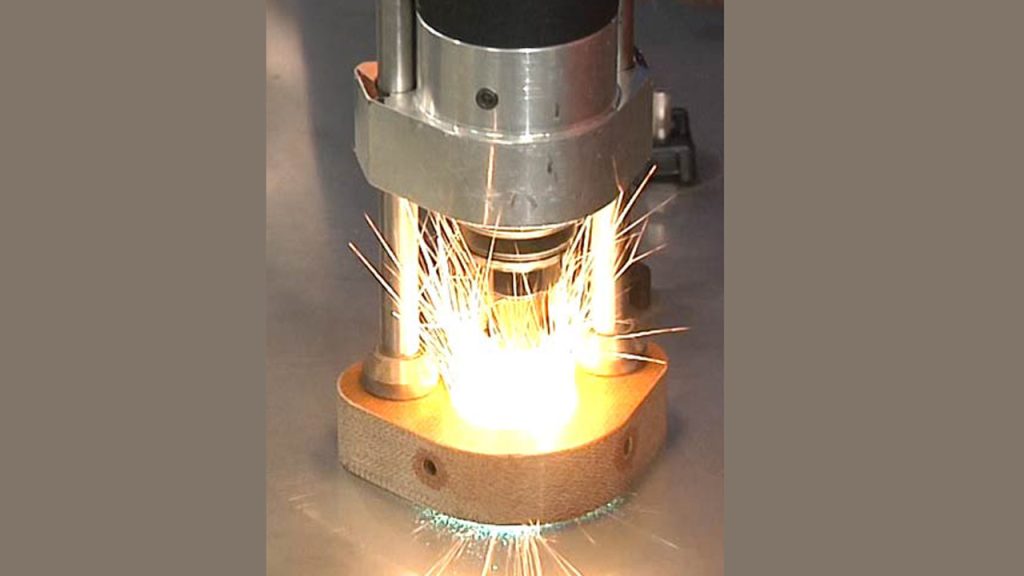
Friction welding is an advanced technique often used in industrial applications. It generates heat through mechanical friction, bonding the metals without melting them.
- Process: The metals are pressed together and rotated rapidly, creating enough heat to fuse them.
- Pros: Strong, durable bonds.
- Cons: Requires specialized equipment.
Explosion Welding
This method uses a controlled explosion to bond the metals together under extreme pressure.
- Process: The explosion forces the metals into close contact, creating a molecular bond.
- Pros: Extremely strong joints, suitable for industrial applications.
- Cons: Not practical for DIY projects due to safety and equipment requirements.
Preparing Brass and Aluminum for Welding
Preparation is one of the most important steps when welding brass to aluminum. A poorly prepared joint is likely to fail, no matter how skilled you are.
Cleaning the Metals
Both metals must be completely clean and free of contaminants. Here’s how to do it:
- Use a wire brush or sandpaper to remove oxidation, tarnish, or dirt.
- Wipe the surfaces with a degreaser or acetone to eliminate any oil or grease.
- Ensure the metals are dry before starting.
Aligning the Joint
Proper alignment ensures even heat distribution and a stronger bond:
- Use clamps or a vise to hold the metals securely in place.
- Avoid gaps, as they can weaken the joint.
Choosing the Right Filler Material
Selecting the correct filler material is critical. For brazing or TIG welding, look for a filler that is compatible with both brass and aluminum. Zinc-based fillers are a popular choice.
Step-by-Step Guide to Brazing Brass to Aluminum
Here’s a simple guide to brazing brass and aluminum for DIY enthusiasts:
Step 1: Gather Your Materials
- A propane torch or oxy-acetylene torch
- Zinc-based filler material
- Flux for aluminum
- Clamps or a vise
- Safety gear (gloves, goggles, etc.)
Step 2: Prepare the Work Area
Set up in a well-ventilated space. Secure the brass and aluminum pieces in place using clamps or a vise.
Step 3: Apply Flux
Coat the joint area with aluminum flux. This helps prevent oxidation and improves the flow of the filler material.
Step 4: Heat the Joint
Use the torch to heat the joint evenly. Focus on the aluminum, as it has a lower melting point.
Step 5: Add the Filler Material
Once the aluminum is hot enough, apply the filler material. Allow it to flow into the joint and bond the metals.
Step 6: Cool and Inspect
Let the joint cool naturally. Inspect for gaps or weak spots and reapply heat if necessary.
Comparison of Methods for Welding Brass to Aluminum
| Method | Ease of Use | Strength | Cost | Best For |
|---|---|---|---|---|
| Brazing | Easy | Moderate | Affordable | DIY and small projects |
| Soldering | Very Easy | Low | Very Affordable | Electrical or small joints |
| TIG Welding | Moderate | High | Moderate | Precision work |
| Friction Welding | Difficult | Very High | Expensive | Industrial applications |
| Explosion Welding | Very Difficult | Extremely High | Very Expensive | Large-scale industrial use |
Common Applications
Welding brass to aluminum is used in a variety of industries and projects, including:
- Automotive Repairs: Joining aluminum parts to brass fittings.
- HVAC Systems: Connecting brass pipes to aluminum components.
- Creative Projects: Crafting jewelry or sculptures with mixed metals.
- Electrical Work: Soldering brass terminals to aluminum wires.
Tips for Success
- Practice First: Before working on your main project, practice on scrap pieces of brass and aluminum.
- Control Heat Carefully: Overheating can damage the metals or weaken the bond.
- Use Proper Safety Gear: Always wear gloves, goggles, and a welding helmet.
- Be Patient: Joining dissimilar metals takes time and precision.
Conclusion
Can you weld brass to aluminum? The answer is a resounding yes, but it requires the right techniques and preparation. If you choose brazing, TIG welding, or another method, the key is to understand the properties of both metals and work carefully to create a strong bond.
When I first started exploring this process, I thought it was too complicated to tackle. But with practice and the right tools, I’ve found that it’s not only achievable but also incredibly rewarding.
If you’re looking to join brass and aluminum, don’t hesitate to give it a try. With patience and effort, you can master this challenging yet fascinating process.
FAQs
Can brass and aluminum be joined using traditional welding?
Not directly. Traditional welding techniques aren’t suitable for these metals, but brazing or TIG welding with a specialized filler can work.
What is the best method for DIY welding of brass to aluminum?
Brazing is the easiest and most accessible method for DIY projects.
Do I need flux to weld brass to aluminum?
Yes, flux is essential for brazing as it prevents oxidation and helps the filler material flow smoothly.
Can I use regular solder for joining brass and aluminum?
Regular solder may work for small, low-stress joints, but it won’t provide a strong bond for larger or heavier applications.
Is welding brass to aluminum safe?
Yes, as long as you follow proper safety precautions and work in a well-ventilated area.