If you’re someone who loves working with metals and is looking for a new technique to add to your skillset, brazing brass with a propane torch might be just what you need. Having used this method on several projects, I can tell you that it’s a highly effective way to join brass pieces together, and it’s easier than you might think.
If you’re working on a small hobby project or a more professional metalworking task, this guide will take you step-by-step through the process of brazing brass with a propane torch. You’ll not only learn how to do it, but also why it’s a great technique to have in your toolbox.
I’ll walk you through the essentials: why brass is a great material to braze, what tools and materials you need, and, of course, the step-by-step instructions for brazing brass using a propane torch. By the end, you’ll feel confident in your ability to tackle this method and apply it to your own projects.

Image by ehow
Why Brazing Brass?
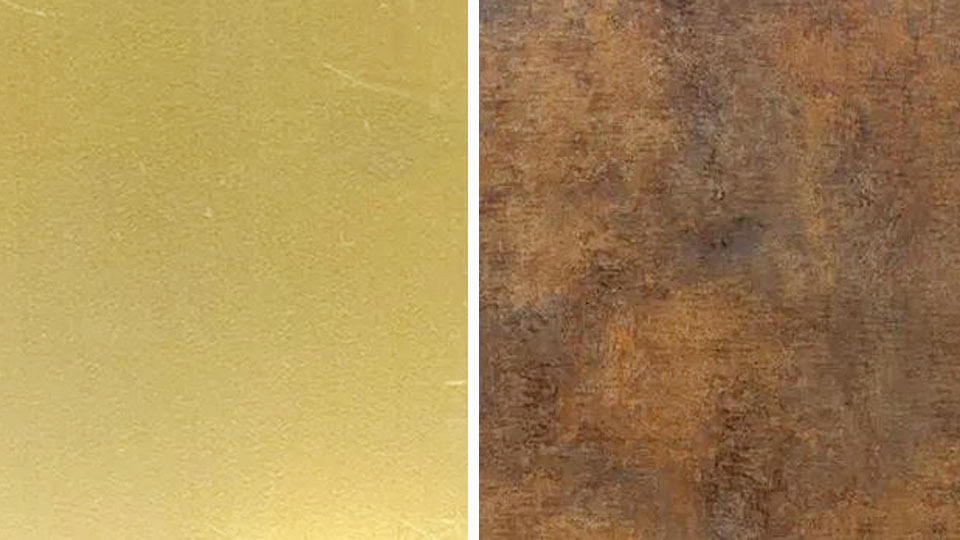
Before diving into the “how-to” part, let’s first understand why brazing brass is a popular choice for metalworking. Brass is an alloy primarily made up of copper and zinc, which gives it excellent corrosion resistance and a shiny appearance.
This makes it an ideal choice for various applications, including plumbing, jewelry making, and even industrial components.
Brazing, in particular, is often the go-to method for joining brass because it creates strong, durable bonds without causing the base metal to melt. Unlike welding, where the base metals melt and fuse together, brazing only melts the filler metal, which flows into the joint and solidifies, creating a strong bond.
This makes brazing perfect for delicate metals like brass, which can be prone to warping or discoloration under the extreme heat of welding.
Tools and Materials You’ll Need for Brazing Brass
Before you begin brazing, it’s important to gather all the necessary tools and materials. I’ve worked with many different types of torches, but for brazing brass, a propane torch is a perfect choice due to its versatility, cost-effectiveness, and ease of use. Here’s a list of what you’ll need:
Propane Torch
A propane torch is the heat source you’ll be using to melt the brazing rod. Make sure to get a high-quality torch with a precise flame control feature, as you’ll need to heat the brass evenly without overheating any part of it.
Brazing Rod
For brazing brass, you’ll typically use a bronze or brass brazing rod. The choice of rod will depend on the exact type of brass you are working with, as well as the strength and durability requirements for the joint.
Flux
Flux is an essential material in the brazing process. It helps clean the metal surfaces and prevents oxidation while you heat the brass and apply the filler material. Make sure to choose a flux that’s specifically designed for use with brass.
Protective Gear
Safety is critical in any metalworking process. Be sure to wear protective gloves, goggles, and flame-resistant clothing. It’s also a good idea to have a fire extinguisher nearby in case of emergencies.
Wire Brush
A wire brush is necessary for cleaning the brass surfaces before applying flux. Proper cleaning ensures better adhesion and a stronger bond between the pieces.
Clamps
To keep your brass pieces secure and aligned during the brazing process, you’ll need clamps. This will help ensure the joint stays intact and doesn’t shift while you’re applying the heat.
Heat-Resistant Surface
To prevent damage to your workspace, use a heat-resistant surface, like a metal plate or a firebrick, to set your workpieces on while you heat them.
Step-by-Step Guide: How to Braze Brass with a Propane Torch
Now that you have your tools and materials ready, it’s time to get started. Here’s a detailed step-by-step guide for brazing brass using a propane torch.
Step 1: Prepare the Brass Surfaces
Start by cleaning the brass pieces you plan to join. Brass can accumulate dirt, grime, or oxidation, which can interfere with the brazing process. Use a wire brush to scrub the surfaces thoroughly. If you’re dealing with particularly tough grime or oxidation, you may want to use a chemical cleaner designed for metals.
Once the pieces are clean, apply a layer of flux to the areas where you’ll be joining the brass. Flux helps remove oxidation and improves the flow of the filler metal, ensuring a stronger and more reliable bond.
Step 2: Set Up Your Workspace
Next, set up your workspace in a safe, well-ventilated area. Make sure you have your heat-resistant surface, your protective gear, and your fire extinguisher nearby. Clamp the brass pieces in place on your workspace to keep them secure while heating.
It’s important to work in a safe environment and ensure there are no flammable materials nearby, as the propane torch generates high heat. Always work in a well-ventilated space to avoid inhaling fumes from the flux or the metals.
Step 3: Heat the Brass with the Propane Torch
Now comes the fun part! Use the propane torch to evenly heat the brass pieces. Hold the torch at a slight angle to direct the flame across the joint area, rather than focusing the flame on one spot. This ensures an even distribution of heat and prevents the brass from becoming too hot in one area.
You’ll want to heat the brass until it’s at a temperature where the brazing rod will melt and flow into the joint. This usually happens around 1,200 to 1,300°F, so keep an eye on the color of the brass. When it reaches a dull red or orange color, you’re ready to move to the next step.
Step 4: Apply the Brazing Rod
Once the brass is heated, take your brazing rod and touch it to the joint. The heat from the brass will cause the brazing rod to melt and flow into the joint area. You don’t need to directly apply the flame to the brazing rod—just let the heat from the brass do the work.
As the brazing rod melts, it will fill in the gap between the brass pieces. Make sure the filler metal flows evenly into the joint. If necessary, adjust the heat of the torch to ensure the filler metal flows correctly but doesn’t overheat.
Step 5: Allow the Joint to Cool
After you’ve applied the brazing rod and the filler metal has flowed into the joint, it’s time to let the joint cool. Turn off the propane torch and let the brass pieces sit undisturbed. The cooling process should be slow to avoid creating any stress or cracks in the joint.
Once the joint has cooled down to room temperature, you can inspect the bond. If it’s properly done, the brazed joint will be solid, with no gaps or cracks.
Troubleshooting Common Issues in Brazing Brass with a Propane Torch
While brazing is a relatively straightforward process, there are a few common issues you might run into. Here are some solutions to ensure your brazing projects go smoothly:
Issue 1: Brazing Rod Not Melting
This can happen if the brass is not heated enough. Make sure you are heating the joint properly and that the brass reaches the right temperature for brazing. The color of the brass can give you a good indicator of the temperature. A dull red or orange hue usually means it’s ready.
Issue 2: Poor Joint Bonding
If the joint doesn’t bond well, it could be due to improper cleaning or insufficient flux. Make sure to clean the brass thoroughly and apply a good amount of flux before brazing.
Issue 3: Overheating or Warping
If you overheat the brass, it can warp or become discolored. Always use a controlled, even heating method, and keep the torch moving to avoid focusing heat in one spot for too long.
Advantages of Brazing Brass with a Propane Torch
Using a propane torch for brazing brass offers several advantages:
Cost-Effective: Propane torches are relatively inexpensive compared to other heat sources, making them accessible for hobbyists and professionals alike.
Precision: Propane torches allow you to control the heat precisely, which is crucial when working with sensitive materials like brass.
Portable: Propane tanks are portable, so you can take your brazing setup wherever you need it, whether it’s in the garage or on-site.
Stronger Joints: Brazing creates strong, durable joints that are capable of withstanding high pressure and stress, making it ideal for functional applications.
Conclusion
Brazing brass with a propane torch is a highly effective technique that’s worth learning, especially if you work with metal regularly. Whether you’re a beginner or an experienced metalworker, brazing offers a clean and strong way to join brass pieces without the need for welding.
The process is relatively simple, but it requires precision and patience, particularly when heating the metal and applying the brazing rod.
I’ve used this technique in several projects, from small repairs to custom-made brass parts, and it has never failed me. With the right tools, materials, and a bit of practice, you’ll be brazing brass like a pro in no time.
FAQs
Can I braze brass with a regular propane torch?
Yes, a propane torch works perfectly for brazing brass. It provides the right amount of heat needed for the brazing process, making it an ideal choice for beginners and professionals alike.
What kind of brazing rod should I use for brass?
You should use a brazing rod made of brass or bronze, depending on the type of brass you’re working with. Make sure the filler material is compatible with brass to ensure a strong bond.
Can I braze brass without flux?
Flux is essential in the brazing process. It helps clean the surface of the brass and prevents oxidation, ensuring a strong bond. Skipping flux can lead to poor results.
Is brazing stronger than soldering?
Yes, brazing produces stronger joints than soldering. Brazing uses higher temperatures and stronger filler materials, making it ideal for applications that require a durable bond.
How long does it take for a brass joint to cool after brazing?
The cooling time will depend on the size of the joint, but generally, it takes about 10 to 20 minutes for the joint to cool to room temperature. Avoid cooling it too quickly, as this can stress the joint.