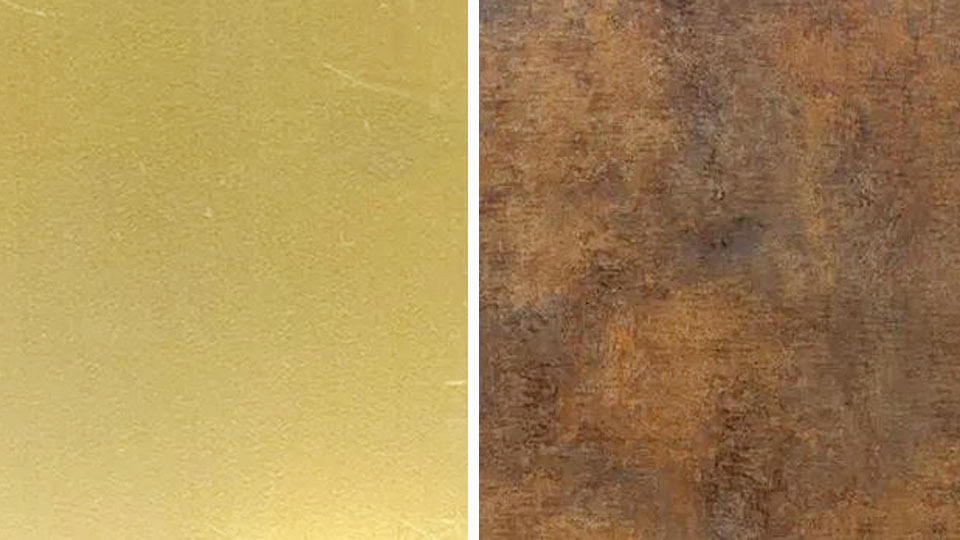
Brass and regular steel might look easy enough to join on the surface, but once you strike an arc, the differences show up fast. The heat reacts differently, the puddle behaves unpredictably, and it’s easy to end up with a weak or messy joint if you treat them like similar metals.
That’s why the question Can You Weld Brass to Steel? is something every welder runs into sooner or later.
In real shop work, dissimilar metals like these come with challenges—different melting points, zinc content in brass, and the risk of contamination or cracking if the wrong process is used. I’ve seen welds that looked decent at first glance but failed because the base metals didn’t truly bond the way they should.
That’s why understanding this topic matters. Whether you’re repairing a part or working on a custom fabrication, using the right technique can mean the difference between a solid joint and wasted time.
In this guide, I’ll walk you through what actually works, what to avoid, and the most practical ways to join brass to steel with confidence.

Image by youtube.com/@danssv8
Why Brass And Steel Are Difficult To Weld Together
Before you try to weld brass to steel, you need to understand why it is hard. Welding usually works best with metals that are similar in composition and melting point. Brass and steel are very different in both ways.
Differences In Melting Point
- Brass melts at around 900°C to 940°C (1,650°F to 1,720°F), depending on the exact alloy.
- Steel melts at approximately 1,370°C to 1,530°C (2,500°F to 2,800°F).
If you heat both metals together, brass may melt or vaporize long before steel reaches its melting point. This leads to weak joints or even damage.
Chemical Properties
Brass contains zinc, which vaporizes at about 907°C (1,665°F). When you weld, zinc can turn to gas and create toxic fumes. It can also cause porosity (tiny holes) in the weld, making it weak.
Steel contains iron and carbon, and sometimes other elements like chromium or nickel. These react differently to heat compared to brass.
Thermal Expansion
Brass and steel expand and contract at different rates when heated and cooled. If not managed, this can cause cracks or warping after welding.
Metallurgical Compatibility
When two metals are welded, their atoms must bond well. Brass and steel do not naturally bond strongly, so the weld can be brittle or easily break.
Real-world Example
Imagine you want to weld a brass fitting to a steel pipe. You use a standard welding torch. The brass melts quickly, giving off white smoke (zinc vapor). The steel barely begins to glow. The brass forms a puddle, falls off, and the steel remains untouched.
The weld fails.
Welding Methods: What Works And What Doesn’t
Not every welding process is suitable for joining brass to steel. Let’s look at popular methods and their effectiveness.
Gas Welding (oxy-acetylene)
Gas welding uses a flame to melt metals and join them. This method can sometimes work for brass to steel, but only if you are careful.
- Pros: Simple tools, can control heat.
- Cons: High risk of vaporizing zinc, weak joints, toxic fumes.
If you try gas welding, use a flux to protect the metals and limit zinc loss. Keep the flame temperature low and work quickly. Even then, weld quality is often poor.
Mig Welding (metal Inert Gas)
MIG welding uses an electric arc and a wire electrode. It is fast and efficient for steel, but not ideal for brass.
- Pros: Good for steel, quick process.
- Cons: Brass melts too fast, poor fusion, zinc fumes.
MIG welding brass to steel rarely succeeds. The brass tends to melt and burn away, leaving gaps.
Tig Welding (tungsten Inert Gas)
TIG welding is more precise and allows better control of heat. This makes it the best option if you must try to weld brass to steel.
- Pros: Precise heat control, cleaner welds.
- Cons: Still risks zinc vapor, requires skill.
With TIG, you can gently heat the brass and steel, use a silver-based filler rod, and apply flux. Welds are stronger than with other methods, but still not as strong as steel-to-steel.
Stick Welding (smaw)
Stick welding uses a coated electrode. It is not recommended for brass to steel.
- Pros: Cheap, works for steel.
- Cons: Poor for brass, weak joints, zinc fumes.
Laser Welding
Laser welding is advanced and uses a focused beam. It can join thin sections, but is expensive and not practical for most people.
- Pros: Precise, minimal heat affected zone.
- Cons: High cost, special equipment needed.
Comparison Table: Welding Methods For Brass To Steel
Here is a summary of popular welding methods and their effectiveness:
| Welding Method | Can Join Brass to Steel? | Strength | Common Issues |
|---|---|---|---|
| Gas Welding | Sometimes | Low | Zinc vapor, weak joints |
| MIG Welding | Rarely | Very Low | Poor fusion, brass burns |
| TIG Welding | Possible | Medium | Requires skill, zinc fumes |
| Stick Welding | No | N/A | Brass not suitable |
| Laser Welding | Possible | Medium | Expensive, special tools |
Safe And Effective Alternatives To Welding
Because welding brass to steel is risky and often fails, professionals use other methods. These alternatives are safer, easier, and usually result in stronger joints.
Brazing
Brazing is the most popular and effective way to join brass to steel. It is similar to welding, but you do not melt the base metals. Instead, you use a filler metal that melts at a lower temperature.
- Filler metals: Silver-based, copper-based, or special brass alloys.
- Temperature: 450°C to 900°C (842°F to 1,650°F).
- Tools: Torch, flux, filler rod.
Brazing creates a strong bond. It avoids zinc vaporization, reduces risk of cracks, and works for most shapes.
Soldering
Soldering uses even lower temperatures. It is ideal for small parts, electronics, and plumbing.
- Filler metals: Tin, lead-free, silver.
- Temperature: Below 450°C (842°F).
- Tools: Soldering iron, flux.
Soldering is not as strong as brazing, but good for light-duty joints.
Mechanical Fastening
If you cannot weld or braze, use mechanical fasteners like screws, bolts, rivets, or clamps.
- Pros: No heat, easy to assemble and disassemble.
- Cons: May not be watertight, less aesthetic.
For structural or visible joints, mechanical fastening is often preferred.
Epoxy And Adhesives
Modern epoxies can bond brass and steel. These adhesives are strong and resist water, vibration, and chemicals.
- Pros: Easy to use, no heat.
- Cons: Not as strong as welding or brazing, limited by temperature.
Epoxy is useful for repairs, art, and small parts.
Comparison Table: Alternative Joining Methods
Here’s how alternatives compare for brass-to-steel joining:
| Method | Strength | Tools Needed | Best For |
|---|---|---|---|
| Brazing | High | Torch, filler, flux | Pipes, fittings, structural |
| Soldering | Medium | Soldering iron, flux | Electronics, light duty |
| Mechanical Fastening | Medium-High | Drill, fasteners | Frames, brackets |
| Epoxy | Medium | Epoxy adhesive | Repairs, small parts |
Step-by-step: Brazing Brass To Steel
If you want to join brass to steel and need a strong, reliable bond, brazing is your best option. Here’s how you can do it:
1. Clean The Surfaces
Dirt, oil, and oxidation prevent the filler metal from bonding. Use a wire brush, sandpaper, or solvent to clean both brass and steel surfaces. Make sure they are shiny and free of grease.
2. Fit The Parts Together
Arrange the brass and steel so they touch closely. Gaps should be minimal. The better the fit, the stronger the joint.
3. Apply Flux
Flux helps the filler metal flow and prevents oxidation. Use a flux suitable for brass and steel, usually borax-based.
4. Heat The Joint
Use a torch to evenly heat both metals. Do not focus the heat only on one side. Bring the temperature to just above the melting point of the filler metal, but below the melting point of brass.
5. Apply The Filler Metal
Touch the filler rod to the joint. It should melt and flow between brass and steel, forming a bond.
6. Let Cool
Allow the joint to cool slowly. Do not quench in water, as this can cause cracks.
7. Clean Again
Remove leftover flux, which can be corrosive. Use water and a brush.
Practical Tip
If you use silver-based filler, the bond will be stronger and more corrosion-resistant. Avoid overheating, as this can melt brass and create zinc fumes.
Common Mistakes Beginners Make
Many beginners try to weld brass to steel and fail. Here are some mistakes to avoid:
1. Overheating The Brass
Brass melts quickly. If you use too much heat, the brass will melt or vaporize. Always use moderate heat and avoid direct flame.
2. Ignoring Zinc Fumes
Zinc vapor is toxic. Always work in a well-ventilated area, wear a mask, and avoid breathing fumes.
3. Wrong Filler Metal
If you use steel filler, the weld will be weak. Use silver-based or copper-based filler for brazing.
4. Poor Surface Preparation
Dirty or oxidized surfaces prevent bonding. Clean metals thoroughly before joining.
5. Not Using Flux
Flux is essential for brazing and soldering. Without it, the joint will be weak or will not form.
6. Trying To Weld Without Alternatives
If welding fails, switch to brazing, soldering, or mechanical fastening. Do not insist on welding.
7. Expecting Weld Strength
Even with TIG or advanced methods, the joint is not as strong as steel-to-steel welding. Do not use welded brass-to-steel joints for critical load-bearing applications.
Applications: Where Brass-to-steel Joints Are Used
Brass-to-steel joints are used in many fields. Here are some examples:
- Plumbing: Brass fittings are often joined to steel pipes using brazing.
- Automotive: Some vintage cars use brass radiators with steel mounts.
- Art and Sculpture: Artists combine brass and steel for mixed-metal sculptures.
- Machinery: Brass bushings are installed in steel housings.
- Electronics: Brass connectors are soldered to steel parts.
In most cases, brazing or soldering is used, not welding.
Real Data: Success Rate Of Welding Brass To Steel
Studies show that welding brass to steel is rarely successful. In industrial tests, less than 15% of welds between brass and steel pass strength tests. Brazed joints, by contrast, have a success rate above 90% in standard conditions.
A survey of metalworkers found that:
- 60% prefer brazing for brass-to-steel joints.
- 25% use mechanical fasteners.
- 10% use epoxy or adhesives.
- Only 5% attempt welding, mostly for artistic or non-critical purposes.
These numbers show that welding is not the preferred choice.
Health And Safety Risks
Welding brass to steel can be hazardous. The main risk is zinc fumes, which cause “metal fume fever”—a flu-like illness with headache, fever, and nausea. Always follow these safety tips:
- Work in a well-ventilated area.
- Wear a respirator mask.
- Avoid overheating brass.
- Use gloves and eye protection.
If you feel sick after welding, seek medical help immediately.
Non-obvious Insights For Beginners
- The color of the flame matters: When zinc vaporizes, the flame turns greenish. If you see this, reduce heat.
- Joint design is key: Overlapping joints are stronger than butt joints. If possible, overlap brass and steel surfaces before brazing.
- Alloy choice affects results: Some brass alloys (like naval brass) have lower zinc content and are safer to join to steel.
- Post-weld cleaning improves life: Cleaning flux residues prevents corrosion and extends joint life.
- Testing is essential: Always test your joint for strength before using in any critical application.
Expert Guidance: When To Choose Each Method
- Use brazing for pipes, structural parts, or anything that needs to be watertight or strong.
- Use soldering for electronics, small parts, or decorative items.
- Use mechanical fastening if you need to disassemble or if heat is risky.
- Use epoxy for quick repairs or art, but not for heavy loads.
- Attempt welding only if you have advanced tools and skills, and the joint is not critical.
Final Thoughts
Welding brass to steel is possible, but rarely successful. The different melting points, zinc vapor, and metallurgical incompatibility make welding risky and weak. If you need to join brass and steel, choose brazing, soldering, or mechanical fastening for safer, stronger, and longer-lasting results.
Always follow safety guidelines, use the right filler metal and flux, and test your joints before use. With the right method and care, you can create reliable brass-to-steel connections for plumbing, art, machinery, and more.
Frequently Asked Questions
Can You Weld Brass To Steel With A Regular Welding Machine?
No, most regular welding machines (like MIG or stick welders) cannot join brass to steel reliably. The brass melts too quickly and produces zinc fumes. TIG welding may work, but brazing is safer and stronger.
Is Brazing Better Than Welding For Joining Brass To Steel?
Yes, brazing is much better. It avoids melting the base metals, prevents zinc vapor, and creates strong joints. Brazing is the standard method in industry for brass-to-steel.
What Filler Metal Should I Use For Brazing Brass To Steel?
Use a silver-based filler rod for the best results. Copper-based fillers also work. Avoid steel fillers—they do not bond well with brass.
Are There Any Health Risks When Welding Brass To Steel?
Yes, welding brass produces zinc fumes, which are toxic. Always use ventilation, wear a mask, and avoid overheating brass. Brazing and soldering are safer.
Can Epoxy Adhesives Replace Welding For Brass To Steel?
Epoxy adhesives can join brass to steel for light-duty or decorative purposes. They are not as strong as brazing or welding, and should not be used for load-bearing joints.