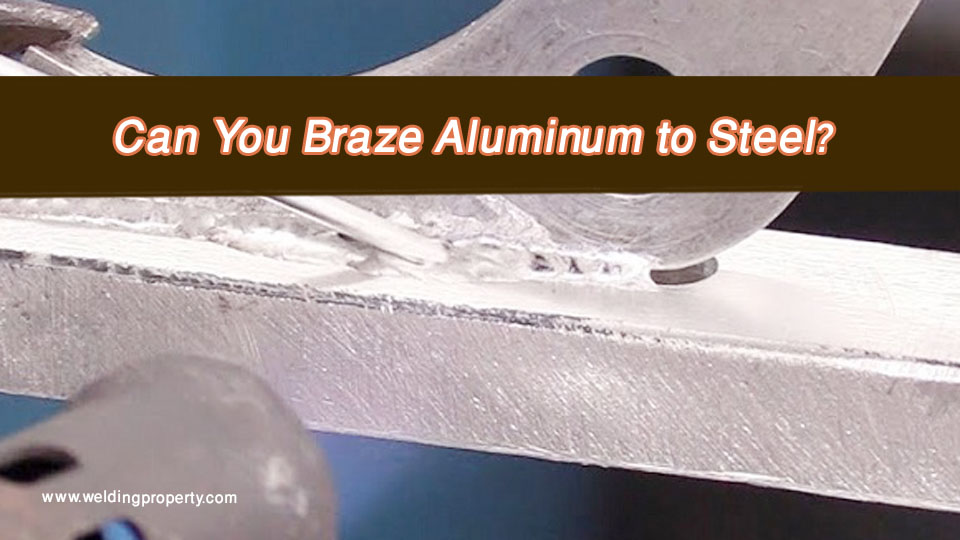
If you’ve ever worked with aluminum, you probably know how tricky it can be to join. Unlike steel or copper, aluminum doesn’t take well to regular soldering methods, and getting a strong bond can be frustrating. Many people wonder if silver soldering—a technique commonly used for strong metal bonds—can work with aluminum.

Image by instructables
I’ve spent a lot of time experimenting with different ways to solder aluminum, and I’ve learned what works and what doesn’t. If you’re trying to repair an aluminum part, create a custom metal project, or just curious about whether silver soldering aluminum is possible, I’ll walk you through everything you need to know.
Understanding the Silver Soldering
Silver soldering, sometimes called hard soldering or brazing, is a process that uses a silver-based filler metal to join two pieces of metal. Unlike soft soldering, which melts at lower temperatures, silver soldering requires higher heat and creates much stronger bonds.
Silver soldering works well on steel, brass, copper, and stainless steel—but aluminum is a completely different challenge. Aluminum has a natural oxide layer that makes it difficult for solder or brazing material to adhere. Standard silver soldering techniques won’t work on aluminum unless you take special steps.
Can You Silver Solder Aluminum?
The short answer is no, not in the traditional way. Standard silver soldering rods and fluxes don’t bond well to aluminum because of its oxide layer and high thermal conductivity. There are special silver-bearing aluminum solders that can work under the right conditions.
If you try to use regular silver solder on aluminum, it will simply bead up and refuse to bond. But if you use an aluminum-compatible silver solder and the right flux, you can get a strong joint.
Challenges of Silver Soldering Aluminum
Aluminum presents unique challenges that make silver soldering difficult:
Oxidation Barrier – Aluminum naturally forms an oxide layer that prevents proper bonding. This layer must be removed before soldering.
High Thermal Conductivity – Aluminum heats up quickly and spreads heat away from the joint, making it harder to get the solder to flow properly.
Incompatibility with Regular Silver Solder – Traditional silver solder doesn’t bond well to aluminum without special fluxes or additional materials.
Because of these challenges, special aluminum-specific soldering techniques are required.
How to Silver Solder Aluminum Successfully
If you want to join aluminum using a silver-based solder, follow these important steps:
Choose the Right Solder
Regular silver solder doesn’t work on aluminum. Instead, you need a special silver-bearing aluminum solder. Some good options include:
| Solder Type | Composition | Melting Temperature | Best For |
|---|---|---|---|
| Aluminum-Silver Solder | Aluminum + Silver + Zinc | 390°F – 850°F | General aluminum repairs, plumbing, and automotive |
| Aluminum Brazing Rods | Aluminum + Silicon + Zinc | 700°F – 900°F | Heavy-duty aluminum joints |
| Low-Temperature Aluminum Solder | Tin + Zinc + Silver | 350°F – 500°F | Thin aluminum sheets, hobby work |
Look for a solder that specifically mentions aluminum compatibility. If you try to use a standard silver solder, you’ll end up frustrated.
Use the Right Flux
Flux is critical when soldering aluminum. Regular soldering fluxes won’t work because aluminum’s oxide layer is too strong. You need a zinc-based aluminum flux, such as:
- Harris Al-Braze Flux
- Nokorode Aluminum Solder Flux
- Superior No. 30 Aluminum Flux
This flux helps break down the oxidation barrier and allows the solder to bond properly.
Clean the Aluminum Surface
Before soldering, you must thoroughly clean the aluminum surface. Even the smallest amount of oxidation will prevent a good bond. Here’s how to do it:
- Use fine sandpaper, a stainless steel wire brush, or a Scotch-Brite pad to remove the oxidation layer.
- Immediately apply aluminum flux to prevent new oxidation from forming.
- Wipe the surface with acetone or isopropyl alcohol to remove any grease or contaminants.
If oxidation forms again before soldering, you’ll need to re-clean the surface.
Apply Heat Correctly
Aluminum conducts heat very quickly, so a standard soldering iron won’t get hot enough. Instead, use:
- A propane or MAPP gas torch for small aluminum parts.
- An oxy-acetylene torch for larger or thicker aluminum sections.
Heat the joint area evenly, not just the solder. This ensures that the solder flows properly and creates a strong bond.
Apply the Solder
Once the aluminum is hot enough:
- Touch the aluminum-compatible silver solder to the joint—not directly to the torch.
- Let the solder flow naturally into the joint.
- If the solder isn’t flowing, apply more flux and reheat.
Be careful not to overheat the aluminum, as it can melt at relatively low temperatures compared to other metals.
Clean the Joint After Soldering
Once you’ve finished soldering:
- Let the joint cool naturally.
- Remove any flux residue using warm water and a brush. Some aluminum fluxes are corrosive and must be cleaned off.
A properly soldered aluminum joint should have a smooth, shiny appearance with no gaps or weak spots.
Alternatives to Silver Soldering Aluminum
If silver soldering aluminum seems too difficult, there are other methods you can try:
- Aluminum Welding – TIG or MIG welding is the best option for structural strength but requires specialized equipment.
- Epoxy Adhesives – High-strength epoxies like J-B Weld Aluminum can provide a strong bond for non-structural applications.
- Mechanical Fasteners – Screws, rivets, or bolts are great for joining aluminum without heat.
If your project requires high strength, welding is usually the best solution. If you need a quick fix, soldering or epoxies can work.
Common Mistakes to Avoid
- Using regular silver solder – Standard silver solder won’t bond to aluminum.
- Skipping flux – Aluminum flux is essential for breaking down oxidation.
- Not cleaning the surface – Any oxidation or grease will prevent bonding.
- Using too little heat – Aluminum pulls heat away quickly, so proper heating is crucial.
- Not cleaning off flux residue – Leftover flux can lead to corrosion over time.
Conclusion
Silver soldering aluminum is possible, but it requires the right materials and techniques. Regular silver solder doesn’t work, but aluminum-compatible silver-bearing solders can create strong, reliable joints. Using the right flux, applying enough heat, and cleaning the aluminum properly are the keys to success.
If you’re new to aluminum soldering, start with small practice pieces before working on important projects. With patience and the right approach, you can get strong and durable bonds on aluminum.
Frequently Asked Questions
Can I use regular silver solder on aluminum?
No, standard silver solder won’t bond to aluminum. You need an aluminum-compatible silver-bearing solder.
What is the best flux for soldering aluminum?
A zinc-based aluminum flux, such as Harris Al-Braze or Superior No. 30, works best.
Can I solder aluminum with a soldering iron?
Most soldering irons don’t get hot enough for aluminum. A propane or MAPP gas torch is usually needed.
Why won’t my solder stick to aluminum?
The aluminum surface may still have oxidation, or you might be using the wrong flux or solder.
Is silver soldering aluminum as strong as welding?
No, welding is much stronger. Silver soldering works well for repairs but not for heavy-duty structural joints.