Welding aluminum with a MIG welder and a spool gun can seem tricky at first, but once you get the settings right and understand the process, it becomes much more manageable. If you’re struggling with bird-nesting wires or dealing with burn-through, you’re not alone.
Aluminum behaves differently than steel, and that’s why using a spool gun is essential—it gives you better wire control, reduces feeding issues, and helps you produce cleaner welds.
I’ve worked with aluminum welding for a while, and I can tell you that having the right setup and technique makes all the difference. If you’re repairing aluminum parts, fabricating something new, or just learning, I’ll walk you through everything you need to know about MIG welding aluminum with a spool gun.

Image by millerwelds
Why Use a Spool Gun for MIG Welding Aluminum?
If you’ve ever tried to run aluminum wire through a best MIG welder, you probably noticed the wire jamming or bunching up inside the liner. That’s called bird-nesting, and it happens because aluminum wire is much softer than steel wire. Spool guns solve this problem by feeding the wire directly from a small spool inside the gun, reducing the chance of tangling.
Using a spool gun also improves arc stability and gives you better control over the weld, especially when working on thin aluminum. The result? A cleaner, stronger weld with less frustration.
Essential Equipment for MIG Welding Aluminum
Before you start welding, you need to make sure you have the right equipment. Here’s what you’ll need:
A MIG Welder with Spool Gun Capability
Not all MIG welders are designed to work with aluminum, so check if your machine supports a spool gun. Many modern MIG welders come with this feature, but if yours doesn’t, you may need an adapter or a different welder.
Aluminum Welding Wire
Choose the right aluminum wire based on the thickness and type of aluminum you’re welding. The most common options are:
| Wire Type | Best For |
|---|---|
| ER4045 | General-purpose welding, good strength, and corrosion resistance |
| ER5356 | Stronger welds, better for structural applications |
The wire diameter also matters. Thinner wire (0.030” or 0.035”) is better for thin materials, while thicker wire (0.045”) works for heavier aluminum.
100% Argon Gas
Unlike steel welding, which uses a mix of argon and CO2, aluminum requires pure argon gas. This creates a stable arc and prevents contamination that could weaken the weld.
Clean Aluminum Surface
Aluminum forms an oxide layer that has a much higher melting point than the metal itself. If you don’t remove it, you’ll struggle to get a clean weld. Use a stainless steel wire brush or an aluminum cleaner before welding.
Protective Gear
Wear a welding helmet, gloves, and a fire-resistant jacket. Aluminum welding produces a bright arc, so a good-quality auto-darkening helmet is a must.
Setting Up Your Welder for Aluminum
Getting the right settings is key to a smooth weld. If your settings are off, you’ll get poor penetration, excessive spatter, or burn-through. Here’s what you need to adjust:
Set the Correct Voltage and Wire Speed
Aluminum requires higher voltage than steel. The exact settings depend on your wire thickness and material thickness. Check your welder’s manual for recommended settings or use a welding chart.
Adjust the Shielding Gas Flow
Set your argon flow rate between 20-30 CFH (Cubic Feet per Hour). Too little gas will cause porosity, while too much can create turbulence.
Use Reverse Polarity (DCEP)
Always set your welder to Direct Current Electrode Positive (DCEP) when welding aluminum with a spool gun. This ensures proper heat distribution and penetration.
Set the Spool Gun Tension
If the tension is too tight, the wire will deform. If it’s too loose, the wire won’t feed properly. Adjust the tension until the wire feeds smoothly without slipping.
How to MIG Weld Aluminum with a Spool Gun
Now that you’re set up, let’s get to welding. Follow these steps for the best results:
Position Yourself Correctly
Keep a steady hand and maintain a comfortable position. Aluminum cools quickly, so working in a controlled, smooth motion helps avoid inconsistencies.
Hold the Gun at the Right Angle
Hold the spool gun at a 10-15 degree push angle. Unlike steel welding, where pulling is sometimes preferred, aluminum welding works best with a pushing motion. This improves gas coverage and penetration.
Start with a Tack Weld
Before running a full bead, tack the aluminum pieces together at multiple points. This keeps the material from shifting due to heat expansion.
Control Your Travel Speed
Aluminum conducts heat very quickly, so you need to move at a steady pace. If you move too slowly, the aluminum can warp or burn through. If you go too fast, you won’t get good penetration. Aim for a smooth, consistent speed.
Watch for the Puddle
Aluminum’s weld puddle looks different from steel. It appears wider and more fluid. Pay attention to the puddle to ensure even penetration and fusion.
Use a Weaving Motion for Thicker Metal
For thin aluminum, a straight pass works best. But for thicker materials, using a slight weave pattern helps distribute heat and improve fusion.
Common Problems and How to Fix Them
Even with the right setup, aluminum welding comes with challenges. Here are some common issues and how to fix them:
| Problem | Cause | Solution |
|---|---|---|
| Burn-through | Too much heat, slow travel speed | Increase travel speed, reduce voltage slightly |
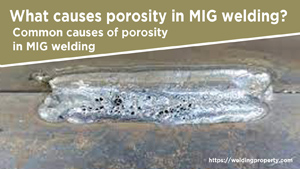
| Porosity | Contaminated metal, incorrect gas flow | Clean the surface, check argon flow |
| Excessive Spatter | Incorrect wire speed or voltage | Adjust wire feed and voltage settings |
| Poor Penetration | Low voltage, fast travel speed | Increase voltage, slow down slightly |
Tips for a Stronger Weld
- Always clean the aluminum thoroughly before welding.
- Keep your wire stick-out between ¼” and ⅜” for better control.
- Store aluminum wire in a dry place to prevent contamination.
- Use a dedicated stainless steel brush to clean aluminum—never use a brush that has been used on steel.
- Practice on scrap aluminum before working on your actual project.
Conclusion
Welding aluminum with a spool gun takes some practice, but once you get the hang of it, it opens up a lot of possibilities. If you’re fixing a boat, fabricating aluminum parts, or just learning a new skill, understanding the right settings and techniques will make a huge difference. The key is using the right equipment, maintaining steady control, and keeping the material clean.
If you’re just starting out, don’t get discouraged. Aluminum can be tricky, but with patience and the right approach, you’ll be producing clean, strong welds in no time. Keep practicing, fine-tune your settings, and soon, welding aluminum will feel as easy as welding steel.
FAQs
Can I weld aluminum without a spool gun?
Yes, but it’s difficult. A spool gun makes feeding aluminum wire much easier, reducing feeding problems and improving arc stability.
What gas should I use for MIG welding aluminum?
Always use 100% argon gas for aluminum welding. Other gas mixtures can cause contamination and poor weld quality.
What is the best wire for aluminum MIG welding?
ER4045 is a great all-purpose aluminum wire, while ER5356 is better for stronger structural applications.
Why is my aluminum weld full of holes?
That’s called porosity, and it’s usually caused by dirty metal or incorrect gas flow. Make sure you clean the aluminum properly and check your argon settings.
Can I use my regular MIG welder for aluminum?
Only if it supports a spool gun or a push-pull system. Otherwise, you’ll run into wire feeding issues that make welding aluminum nearly impossible.