
Welding cast iron to steel is one of those challenges that can make even experienced welders pause. The two metals have very different properties, and if you don’t handle them properly, the weld can crack or fail altogether. With the right approach, it’s absolutely possible to create a strong and lasting bond between cast iron and steel.
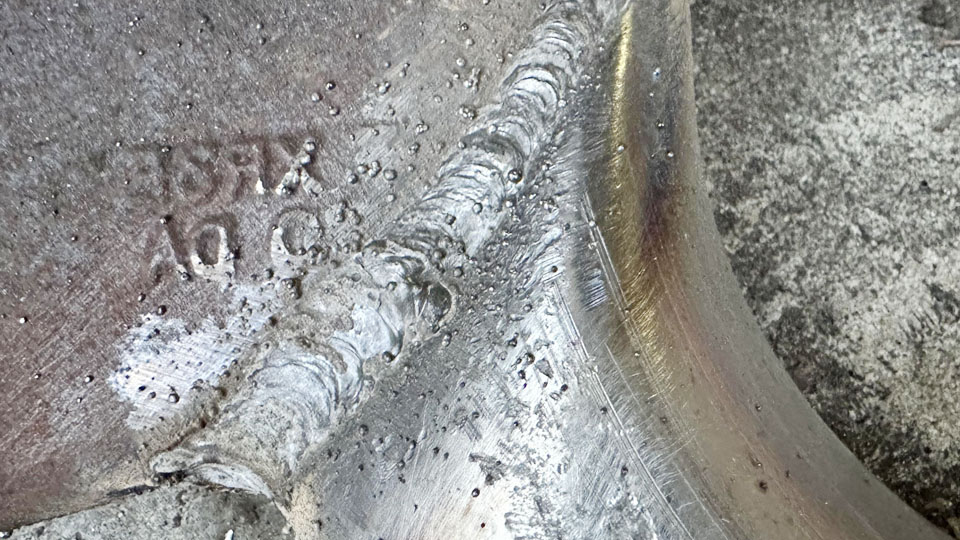
Photo by reddit
I’ve worked on a variety of projects where I needed to weld cast iron to steel, from repairing heavy machinery to modifying industrial components.
Through trial and error, I’ve learned that proper preparation, the right filler material, and controlled heat input are key to success. If you’re planning to tackle this type of welding, I’ll walk you through everything you need to know to get the best results.
Differences Between Cast Iron and Steel
Before you strike an arc, it’s important to understand why welding cast iron to steel is tricky.
Cast Iron Properties
- High carbon content (2-4%)
- Brittle and prone to cracking
- Excellent compressive strength but poor ductility
- Poor thermal conductivity, meaning it retains heat unevenly
Steel Properties
- Lower carbon content (usually less than 1%)
- Strong, ductile, and flexible
- Good thermal conductivity, making it easier to weld
- Less likely to crack when heated and cooled
The biggest issue when welding these two metals together is the carbon content difference. Cast iron has much more carbon than steel, which makes it prone to forming brittle welds and cracking if not handled properly.
Choosing the Right Welding Process
Not all welding methods work well for welding cast iron to steel. Some are more effective than others, depending on the project requirements and material thickness.
Best Welding Processes for Cast Iron to Steel
| Welding Method | Pros | Cons |
|---|---|---|
| Stick Welding (SMAW) | Good penetration, easy to control heat | Requires special electrodes, preheating needed |
| TIG Welding (GTAW) | Produces clean welds, good for thin materials | Requires high skill level, slow process |
| MIG Welding (GMAW) | Easier for beginners, faster than TIG | Prone to cracking if not done correctly |
| Brazing | Lower heat input, reduces risk of cracking | Not as strong as fusion welding |
From my experience, stick welding (SMAW) and TIG welding (GTAW) are the most reliable methods for welding cast iron to steel. Brazing is another great alternative if you don’t need an extremely strong bond.
Selecting the Right Filler Material
Choosing the correct filler metal is one of the most important steps in getting a solid weld between cast iron and steel.
Best Filler Materials for Welding Cast Iron to Steel
| Filler Material | Type | Best Used For |
|---|---|---|
| Nickel-Based Electrodes (ENi-CI, ENiFe-CI) | Stick Welding | High strength, good ductility |
| Stainless Steel Electrodes (309L, 312) | Stick Welding | Good for dissimilar metals, crack resistance |
| Silicon Bronze Wire (ERCuSi-A) | TIG/MIG Brazing | Lower heat input, prevents cracking |
| Nickel-Bronze Filler Rod | TIG Brazing | Good for delicate work, low risk of cracking |
Nickel-based electrodes are my go-to when I want a strong fusion weld, but stainless steel electrodes can also be a good option. If cracking is a major concern, brazing with silicon bronze is often the safest bet.
Preparing Cast Iron and Steel for Welding
A successful weld starts with proper preparation. Cast iron, in particular, can have a lot of surface contamination, so you need to clean it thoroughly.
Step 1: Clean the Metal Surfaces
- Remove rust, paint, oil, and dirt using a wire brush or grinder.
- Use acetone or a degreaser to eliminate grease and contaminants.
- If the cast iron is old or has been exposed to oil, heating it to 500°F-700°F can help burn off any embedded oil.
Step 2: Preheat the Cast Iron
- Preheating reduces thermal shock and prevents cracking.
- Heat the cast iron slowly to around 500°F-1200°F, depending on thickness.
- Avoid overheating, as it can cause distortion.
Steel doesn’t require as much preheating, but it helps to warm it slightly to reduce temperature differences between the two metals.
Step 3: Choose the Right Joint Design
- Butt Joints: Used for even material thicknesses.
- Lap Joints: Best for strength and minimal distortion.
- Fillet Welds: Great for reinforcing joints but require careful cooling.
A well-prepared joint will improve fusion and reduce stress concentrations.
Welding Process and Techniques
Once the metal is prepped, it’s time to start welding. Controlling heat input is the key to preventing cracking.
Step 1: Tack Welding
- Place small tack welds to hold the pieces in place.
- Space the tacks evenly to minimize stress buildup.
- If possible, let the tacks cool slightly before continuing.
Step 2: Use Low Heat and Short Welds
- Keep the heat as low as possible to avoid carbon migration.
- Use short weld passes (no more than 1 inch at a time).
- Let each pass cool slightly before continuing.
Step 3: Peening Between Passes
- Lightly hammer the weld with a ball-peen hammer to reduce stress.
- This helps prevent cracks as the metal cools.
Step 4: Slow Cooling
- Cast iron is sensitive to rapid cooling, which causes cracks.
- Let the welded part cool slowly by covering it with welding blankets, sand, or an insulating material.
- Avoid putting it in water or exposing it to cold air.
Post-Weld Treatment
After welding, some additional steps can help ensure a strong and durable weld.
Stress Relief Heating
- If possible, reheat the entire welded part to around 500°F-700°F and allow it to cool gradually.
- This reduces internal stresses and lowers the risk of cracking over time.
Grind and Inspect the Weld
- If the weld looks rough or has small cracks, grind it smooth and inspect it carefully.
- For critical welds, non-destructive testing (NDT) like dye penetrant or magnetic particle testing can help detect hidden cracks.
Conclusion
Welding cast iron to steel isn’t easy, but with the right preparation, technique, and filler materials, you can create a strong and reliable weld. The key is to control the heat, use the right electrode or filler, and allow for slow cooling to prevent cracks.
I’ve found that stick welding with nickel electrodes gives the best results when strength is the main concern, but for delicate work, TIG brazing with silicon bronze is a fantastic option.
Whichever method you choose, taking the time to prepare the materials properly and control the cooling process will make all the difference.
If you’re ever in doubt, do a small test weld on scrap material first to see how the metals react. With practice and patience, welding cast iron to steel can be mastered!
Frequently Asked Questions
Can I MIG weld cast iron to steel?
Yes, but it’s not the best option. MIG welding creates high heat input, which can lead to cracking in cast iron. Using silicon bronze wire for brazing is a better choice if you’re using a MIG welder.
Do I always need to preheat cast iron before welding?
In most cases, yes. Preheating reduces thermal shock and prevents cracking. However, some special nickel electrodes allow for welding without preheating.
What’s the best electrode for welding cast iron to steel?
Nickel-based electrodes like ENiFe-CI are the best choice for strength and crack resistance. Stainless steel electrodes like 309L can also work in some situations.
How do I prevent cast iron from cracking after welding?
Slow cooling is the key. Cover the welded part with an insulating blanket, bury it in sand, or place it in an oven to gradually bring it down to room temperature.


