
Welding a cast iron cylinder head is one of the toughest welding jobs out there. If you’ve ever tried it, you know that cast iron is brittle and full of carbon, which makes it prone to cracking.
Cylinder heads take this challenge to another level because they deal with high temperatures, pressure, and mechanical stress inside an engine.
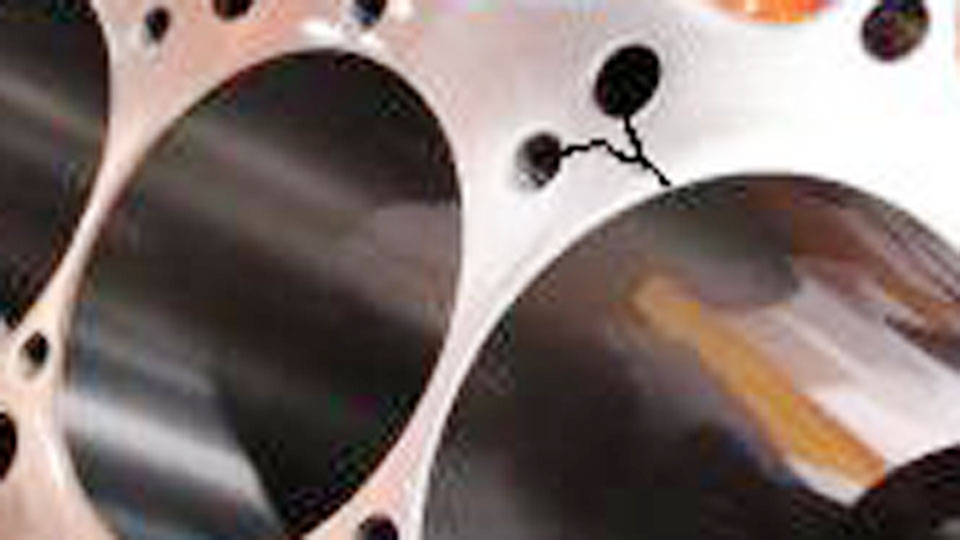
Image by aa1car
I’ve worked on cast iron cylinder heads before, and I can tell you from experience that welding them requires patience, skill, and the right tools.
If you rush the process or skip crucial steps, the repair won’t hold, and the head might crack again. With the right approach, it is possible to get a strong, lasting weld that saves the part instead of replacing it.
If you’re wondering how to weld a cast iron cylinder head properly, this guide will walk you through everything you need to know.
Cast Iron Cylinder Heads
Before you even pick up the welder, you need to understand the material you’re working with. Cylinder heads are usually made of gray cast iron, which is difficult to weld because of its high carbon content.
When you heat gray cast iron, the carbon can migrate into the weld area, making it brittle and prone to cracking.
Other challenges include:
- Heat sensitivity – If the head heats or cools too quickly, cracks will form.
- Porosity – Cast iron can absorb oil and coolant over time, which causes contamination in the weld.
- Stress fractures – Existing cracks in the metal can expand if not properly handled.
Because of these factors, you can’t weld a cylinder head like regular steel. You need a controlled welding process to prevent further damage.
Choosing the Right Welding Method
There are several ways to weld a cast iron cylinder head, but some work better than others. Here’s a look at the most commonly used welding techniques:
| Welding Method | Best For | Advantages | Disadvantages |
|---|---|---|---|
| Arc Welding (Stick Welding) | Small repairs, cracks | Affordable, easy setup | Brittle welds, requires nickel rods |
| TIG Welding | Precision repairs | Clean welds, good control | Harder to master, slow process |
| MIG Welding | Filling cracks | Faster than TIG, easier | Requires special wire, can be brittle |
| Brazing | Sealing cracks without fusion | No cracking, smooth finish | Not as strong as welding |
For most cylinder head repairs, the best options are TIG welding (for precise, strong welds) or arc welding with nickel rods (for general crack repairs).
Selecting the Right Welding Rod
The welding rod you use is crucial. Cast iron requires special electrodes because regular steel rods will make the weld hard and brittle. Here’s a breakdown of the best rods for the job:
| Welding Rod | Best For | Advantages |
|---|---|---|
| Nickel 99 (ENi-99) | Most cast iron repairs | Soft, machinable, strong welds |
| Nickel 55 (ENiFe-CI) | Medium-strength repairs | Less expensive, still machinable |
| Cast Iron Rod (ESt) | Matching base metal | Good fusion, but very brittle |
| Steel Rods (E7018, E6013) | Budget repairs | Cheaper, but makes a hard weld |
If you want a strong, machinable weld, go with Nickel 99. If cost is a concern, Nickel 55 is a good compromise. Avoid steel rods unless the repair doesn’t require machining.
Preparing the Cylinder Head for Welding
The key to a successful weld starts with proper preparation. You can’t just start welding over a cracked cylinder head and expect good results.
Clean the Metal Thoroughly
- Remove oil, grease, and coolant from the crack using a degreaser.
- Use a grinder or wire brush to expose fresh metal.
- Drill stop-holes at the ends of the crack to prevent it from spreading.
Preheat the Cylinder Head
Cast iron must be preheated to reduce thermal stress.
- Use a propane or oxy-acetylene torch to heat the head gradually.
- Target a temperature of 500-1200°F, depending on thickness.
- Keep the entire head warm to avoid uneven heating.
Set Up Your Welding Machine
If using arc welding, set your welder to low amperage to avoid overheating the metal.
For TIG welding, use a DC negative polarity and adjust your amperage to match the metal thickness.
Welding Process
Once the head is cleaned, preheated, and your welder is set up, you’re ready to start welding.
Tack Weld the Crack
Start by placing small tack welds along the crack. This helps prevent further movement and reduces stress.
Weld in Short Passes
Never run a long bead on cast iron—it will introduce too much heat and cause cracking. Instead:
- Use short, ½-inch welds at a time.
- Allow each weld to cool slightly before continuing.
- Peen the weld (lightly tap it with a hammer) to reduce stress.
Let the Weld Cool Slowly
- Never quench or force-cool the cylinder head.
- Wrap it in welding blankets or bury it in dry sand to slow the cooling process.
- Let it cool for several hours or overnight before handling.
Post-Weld Machining and Inspection
Once cooled, inspect the weld for cracks, porosity, or incomplete fusion. If the weld is good, you may need to:
- Grind the weld smooth if it interferes with engine performance.
- Machine the head flat if the welding caused distortion.
- Pressure-test the head to ensure the repair is holding.
Common Welding Mistakes to Avoid
Even experienced welders make mistakes when welding cast iron. Here are some of the most common ones and how to avoid them:
| Mistake | Problem It Causes | Solution |
|---|---|---|
| Skipping preheating | Instant cracking | Always preheat to 500-1200°F |
| Using the wrong welding rod | Weak, brittle welds | Use Nickel 99 or Nickel 55 |
| Welding too fast | Uneven heat, more cracks | Use short, controlled welds |
| Cooling too quickly | Brittle welds | Let the part cool slowly |
Alternative Methods to Welding
If welding isn’t an option, you might consider these alternatives:
- Metal Stitching – Uses special fasteners to close cracks without heat.
- Cold Welding (Epoxy) – High-strength adhesives like JB Weld can sometimes repair small cracks.
- Brazing – Fuses metal using brass filler, good for sealing cracks.
Conclusion
Welding a cast iron cylinder head is not easy, but it can be done with the right technique. The key is to control the heat, use the correct welding rod, and let the metal cool slowly.
If you rush the process or use the wrong materials, the weld won’t hold, and you’ll be left with an even bigger problem.
If you take your time and follow these steps, you’ll have a strong, durable repair that can extend the life of the engine.
FAQs
Can I weld a cast iron cylinder head without preheating?
You can, but it increases the risk of cracking. Preheating helps reduce thermal stress.
What is the best welding rod for cast iron cylinder heads?
Nickel 99 is the best for strong, machinable welds. Nickel 55 is a good budget-friendly option.
Can I use a MIG welder to repair a cast iron cylinder head?
Yes, but you need special wire (like nickel-based MIG wire), and it’s harder to control than TIG or stick welding.
How do I prevent cracks when welding cast iron?
Use nickel rods, preheat properly, weld in short passes, and let the metal cool slowly.


