
Welding is one of those behind-the-scenes processes that quietly shapes the world around us, from the sturdy frames of our homes to the appliances we rely on for everyday cleaning and maintenance. But just like choosing the right stain removal method or bathroom cleaning product, welding has its own set of advantages and disadvantages that homeowners, renters, and DIY enthusiasts should understand. While it offers strength, durability, and long-lasting results, it also comes with challenges like cost, safety concerns, and upkeep.
Many people wonder, Is welding always the best choice for repairs or projects? In this guide, we’ll break down the pros and cons of welding in a clear and practical way—helping you make smarter decisions, whether you’re tackling home improvement tasks, disinfecting and maintaining tools, or planning larger projects that need lasting solutions.
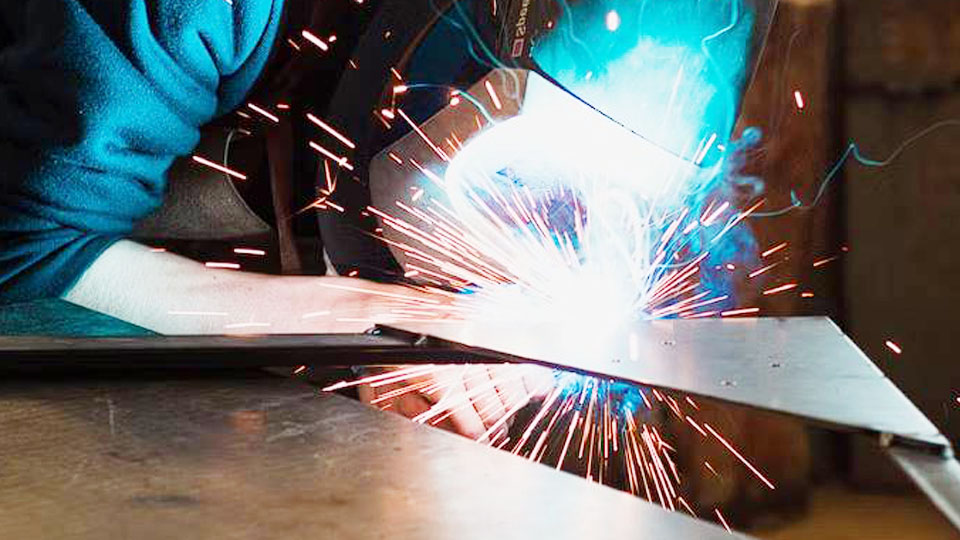
Image by expressmetalindustries
Why Choose Welding Over Other Joining Methods?
Welding stands out because it creates a bond that’s often stronger than the base metal itself. Unlike bolts or rivets, a good weld doesn’t just hold things together—it becomes part of the material. This is critical for structural projects like buildings or heavy machinery, where failure isn’t an option.
I’ve seen welded joints on construction equipment take a beating and hold up where bolted connections would’ve rattled loose.
Welding also gives you flexibility. You can join different metals, work in tight spaces, or create complex shapes that other methods can’t handle. For DIYers, this means you can build custom projects—like a steel workbench—without needing a warehouse full of fasteners. For pros, it’s about meeting specs for ASME or AWS codes, ensuring welds pass X-ray or ultrasonic testing.
But it’s not all rosy. Welding requires skill, the right equipment, and a keen eye for safety. A bad weld can lead to cracks, leaks, or catastrophic failure. I’ve seen beginners rush a job, skip prep, and end up with a weld that looks like a bird’s nest—and fails under load. The fix? Take your time cleaning the material, setting your machine, and practicing your technique.
Pro Tip: Always clean your base metal with a wire brush or grinder to remove rust, oil, or paint. A clean surface ensures better penetration and fewer defects like porosity.
Advantages of Welding for DIY and Professional Projects
Welding’s benefits make it a go-to for fabricators, hobbyists, and industry workers. Let’s break down why it’s so powerful.
Strength and Durability of Welded Joints
A properly executed weld can be stronger than the base material. This is why welding is king for high-stress applications like bridges, pressure vessels, or heavy equipment. I’ve welded I-beams for a shop crane that held tons without a hiccup. The fusion process creates a continuous bond, unlike mechanical fasteners that can loosen over time.
For DIYers, this means your projects—like a trailer hitch or a gate—can withstand years of use. For pros, it’s about meeting code requirements for structural integrity. Stick welding with a 7018 rod, for example, delivers high-strength welds for carbon steel, perfect for construction or repair jobs.
Common Mistake: Undercutting—where the weld eats into the base metal—weakens the joint. Fix it by slowing your travel speed and adjusting your amperage to match the rod and material thickness.
Versatility Across Materials and Applications
Welding works on a huge range of metals—steel, aluminum, stainless, even exotic alloys like titanium. Processes like TIG (GTAW) let you weld thin materials for precision work, like automotive exhausts, while MIG (GMAW) is great for thicker steel in fabrication shops. I once helped a buddy weld aluminum for a boat repair using TIG—it was tricky, but the clean, precise bead was worth the effort.
You can weld in almost any position—flat, vertical, overhead—which is a game-changer for on-site repairs. Need to patch a pipe in a tight crawlspace? Grab a stick welder. Building a sculpture? MIG’s speed and ease keep things moving.
Machine Setting Tip: For MIG on 1/4-inch steel, start with 18-20 volts and a wire feed speed of 300-350 IPM (inches per minute). Adjust from there based on your bead’s appearance.
Cost-Effectiveness for Long-Term Projects
Welding can save money over time. Unlike bolts or adhesives, welds don’t need frequent maintenance or replacement. For large-scale projects, like pipelines or structural frameworks, welding cuts down on material costs since you’re not buying fasteners or dealing with complex assemblies.
For DIYers, a decent MIG welder (like a Lincoln 140) costs $500-$800 and can pay for itself after a few projects. I built a steel pergola for my backyard for the cost of materials and some wire—way cheaper than buying a pre-fab kit.
Pitfall to Avoid: Don’t skimp on consumables like filler wire or rods. Cheap materials lead to poor welds. Stick with trusted brands like Hobart or ESAB for consistent results.
Design Flexibility for Custom Fabrication
Welding lets you create shapes and structures that are impossible with other methods. Think curved railings, custom brackets, or artistic sculptures. I once welded a spiral staircase for a client—try doing that with rivets! For hobbyists, this opens up endless creative possibilities, from furniture to yard art.
Welding also allows for compact designs. A welded joint takes up less space than a bolted connection, which is critical for applications like aerospace or automotive where weight and space matter.
Prep Work Tip: For complex designs, mock up your project with tack welds first. This lets you check fitment before committing to full welds, saving time and material.
Disadvantages of Welding You Need to Know
Welding isn’t perfect. It has its downsides, and ignoring them can lead to costly mistakes or safety hazards. Here’s what to watch out for.
High Skill Level and Learning Curve
Welding isn’t something you master overnight. Each process—MIG, TIG, stick—has its own quirks. I remember my first TIG welds: shaky hands, burnt tungsten, and a bead that looked like modern art gone wrong. It took months of practice to get consistent.
For students or DIYers, the learning curve means investing time and money in training or equipment. Pros face pressure to maintain certifications, like AWS D1.1 for structural welding. A bad weld can fail inspections or, worse, cause accidents.
Fix for Beginners: Start with MIG for its forgiving nature. Practice on scrap metal with 0.030-inch wire and 1/8-inch steel to build confidence before tackling critical projects.
Safety Risks and Precautions
Welding is inherently dangerous. You’re dealing with high heat, UV radiation, and toxic fumes. I’ve seen welders skip eye protection and end up with arc burn (like a sunburn in your eyes—trust me, it’s miserable). Fumes from galvanized steel or certain alloys can make you sick if you’re not in a well-ventilated area.
Fire hazards are real, too. A stray spark can ignite nearby flammables. I once had a spark catch some shop rags—luckily, I had a fire extinguisher handy. Always wear flame-resistant clothing, use welding screens, and keep a fire watch.
Safety Tip: Invest in an auto-darkening helmet with a shade range of 9-13 for most processes. For fumes, use a respirator or weld outdoors if possible.
Equipment Costs and Maintenance
Welding gear isn’t cheap. A quality multi-process welder can run $1,000-$3,000, plus consumables like gas, wire, or rods. For pros, industrial machines like a Miller Syncrowave for TIG can cost upwards of $5,000. Maintenance is another headache—cleaning tips, replacing liners, or sharpening tungsten adds up.
DIYers might balk at the upfront cost, especially if you’re just starting. I’ve seen hobbyists buy budget welders only to struggle with inconsistent arcs or frequent repairs. Pros need reliable machines to avoid downtime on the job.
Cost-Saving Hack: For small shops, a multi-process welder (MIG/TIG/stick) saves money over buying separate machines. Keep spare contact tips and nozzles on hand to avoid mid-project delays.
Material Limitations and Distortion
Not all materials weld well. Thin metals, like aluminum sheet, can warp or burn through without precise control. Dissimilar metals (say, steel to copper) require specialized techniques or fillers, which complicates things. I once tried welding cast iron without preheating—cracked it right away.
Welding also causes distortion from heat. If you’re not careful, your workpiece can twist or warp, ruining precision projects. Clamping, tack welding, and staggered beads help, but it’s a skill to master.
Technique Tip: For thin materials, use pulse MIG or TIG with low amperage (e.g., 50-80 amps for 1/16-inch aluminum). Preheat thicker materials like cast iron to 300-400°F to reduce cracking.
Comparing Welding Processes: Which One’s Right for You?
Different welding processes suit different jobs. Here’s a quick comparison to help you choose.
| Process | Best For | Advantages | Disadvantages | Machine Settings |
|---|---|---|---|---|
| MIG (GMAW) | General fabrication, auto repair, DIY | Easy to learn, fast, versatile | Requires shielding gas, less portable | 18-22V, 300-400 IPM for 1/4-inch steel |
| TIG (GTAW) | Precision work, aluminum, stainless | Clean, precise, no spatter | Slow, steep learning curve | 50-150A for thin materials, argon gas |
| Stick (SMAW) | Outdoor repairs, construction | Portable, works in wind/rain | Rough beads, slag cleanup | 90-120A for 1/8-inch 7018 rod |
| Flux-Cored (FCAW) | Heavy steel, dirty materials | No gas needed, deep penetration | Messy, fumes | 20-24V, 350-450 IPM for 0.035-inch wire |
If you’re a beginner, start with MIG for its ease. Pros working on pipelines or structural steel often prefer stick for its reliability in tough conditions. TIG is your go-to for art or aerospace but takes patience to master.
Practical Tips for Better Welds
Here’s some shop wisdom I’ve picked up over the years:
- Joint Prep: Bevel edges on thick materials (over 1/4-inch) for better penetration. Use a grinder or file to create a 30-45° angle.
- Electrode Choice: For stick welding, 6011 rods are great for dirty steel, while 7018 gives stronger, cleaner welds for structural work.
- Test Your Settings: Run a bead on scrap first. If it’s too hot, you’ll get burn-through; too cold, and you’ll get poor fusion.
- Cleanliness is King: Remove all rust, paint, or oil. A contaminated weld is a weak weld.
- Practice Positions: Flat welding is easiest, but vertical or overhead welds are common on job sites. Practice these to build versatility.
Early in my career, I rushed a vertical weld on a structural beam. The bead sagged, and the inspector caught it. Had to grind it out and redo it—lesson learned: slow and steady wins.
Conclusion: Why You’re Ready to Weld Smarter
Welding is a powerful skill that opens doors for DIYers, hobbyists, and pros alike. Its strength, versatility, and cost-effectiveness make it ideal for everything from backyard projects to industrial applications. But it’s not without challenges—safety risks, equipment costs, and the learning curve demand respect.
By understanding the advantages and disadvantages of welding, you’re better equipped to choose the right process, prep your materials, and avoid common pitfalls. Whether you’re laying a bead for a custom gate or a critical pipeline, you’ve got the know-how to make it strong and safe.
Always keep a welding journal. Note your machine settings, rod types, and results for each project. It’s a game-changer for dialing in consistent welds.
FAQ
What’s the easiest welding process for beginners?
MIG welding is the most beginner-friendly due to its simple setup and forgiving nature. Use a 0.030-inch wire and start with mild steel to practice. Keep your voltage around 18-20V and wire feed at 300-350 IPM for 1/8-inch material.
Can I weld different metals together?
Yes, but it’s tricky. Use TIG for dissimilar metals like steel and stainless, and choose a compatible filler rod (like 309L for steel-to-stainless). Clean both metals thoroughly and test on scrap first to ensure a strong bond.
How do I avoid welding distortion?
Minimize heat input by using lower amperage and faster travel speeds. Tack weld your pieces first, clamp them securely, and use staggered or skip welding to spread heat evenly. Preheating thick materials also helps.
Is welding dangerous for DIYers?
Welding can be safe with proper precautions. Wear a helmet, gloves, and flame-resistant clothing. Work in a well-ventilated area to avoid fumes, and keep a fire extinguisher nearby. Never weld near flammable materials.
What’s the best welder for a small shop?
A multi-process welder (MIG/TIG/stick) like the Lincoln PowerMIG 210 MP is versatile and cost-effective for small shops. It handles most materials and projects, from thin sheet metal to heavy steel, without breaking the bank.


