If you’ve ever welded with an old-school transformer welder, you know they can be big, heavy, and sometimes a bit tricky to use. Inverter stick welders have changed the game. They are lighter, more efficient, and offer better control over the welding process.
If you’re wondering what an inverter stick welder is and why so many welders are switching to them, I’ll walk you through everything you need to know.
I’ve worked with different types of welding machines, and I can confidently say that inverter technology has made stick welding easier and more accessible. If you’re a beginner or an experienced welder, understanding how these machines work can help you make the right choice for your projects.

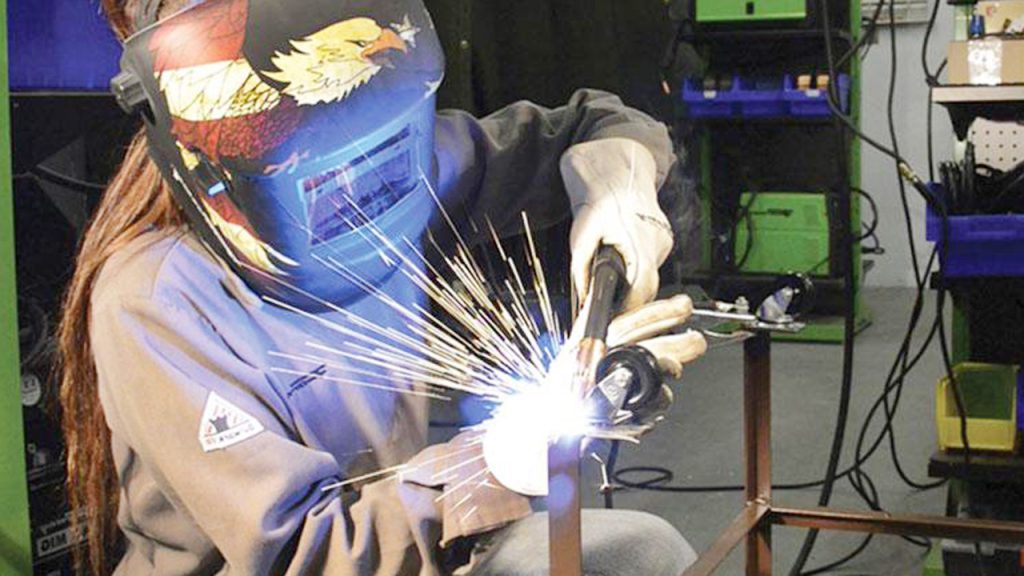
Image by scnindustrial
How Does an Inverter Stick Welder Work?
An inverter stick welder uses modern electronics to convert AC power into a high-frequency DC output, making it much more efficient than traditional welders. Instead of relying on heavy transformers, these machines use advanced circuitry to regulate power.
Here’s how it works:
- The machine first converts AC power to DC power.
- Then, it increases the frequency of the DC current, usually up to 20,000 to 100,000 Hz.
- This high-frequency current is then stepped down to the desired voltage and amperage needed for welding.
Because of this technology, inverter welders are much smaller, lighter, and more energy-efficient than older transformer-based machines.
Advantages of an Inverter Stick Welder
One of the biggest reasons people prefer inverter stick welders is their efficiency and ease of use. Here’s what makes them stand out:
Lightweight and Portable
Traditional welders are bulky and heavy, often weighing over 100 pounds. Inverter stick welders, on the other hand, can weigh as little as 10-20 pounds.
This makes them perfect for job sites, home garages, and fieldwork. You can easily carry one with one hand instead of hauling around a massive machine.
Energy Efficiency
Inverter welders use less electricity than traditional welders. They provide more welding power with less input power, making them ideal for people who want to save on electricity costs. This also means they can run on standard household outlets (110V or 220V), depending on the model.
Better Arc Stability
One of the most noticeable advantages of an inverter stick welder is arc stability. These machines produce a smoother and more consistent arc, making it easier to start and maintain a weld. This is especially helpful for beginners who struggle with arc striking and stability.
Adjustable Settings for Precision Welding
Inverter welders give you precise control over voltage and amperage. Many models come with digital displays that let you fine-tune the settings for different materials and electrodes. This level of control allows you to create cleaner welds with less spatter.
Works with a Wide Range of Electrodes
Whether you’re welding mild steel, stainless steel, or even cast iron, inverter welders can handle it. They work well with various electrodes, including 6010, 6011, 6013, and 7018, making them versatile for different welding jobs.
Disadvantages of an Inverter Stick Welder
While inverter welders have many benefits, they do have some drawbacks. Here are a few things to consider before choosing one:
More Sensitive to Power Fluctuations
Because inverter welders use advanced electronics, they can be sensitive to voltage drops or unstable power sources. If you’re working in an area with inconsistent power, a voltage stabilizer might be necessary to protect the machine.
Higher Initial Cost
Compared to transformer-based stick welders, inverters can be more expensive upfront. However, their energy efficiency and portability often make up for the cost over time.
More Electronic Components to Maintain
Inverter welders have more complex internal components, including circuit boards and microprocessors. If something goes wrong, repairs can be more expensive than fixing a basic transformer welder.
| Feature | Inverter Stick Welder | Transformer Stick Welder |
|---|---|---|
| Weight | 10-20 lbs | 80-150 lbs |
| Energy Efficiency | High | Low |
| Arc Stability | Smooth and precise | Can be rougher |
| Adjustability | Digital controls, fine-tuning | Basic settings |
| Price | Higher upfront | Lower upfront |
| Durability | More sensitive to dust/moisture | Extremely durable |
| Repair Cost | Higher (electronic components) | Lower (simple design) |
Choosing the Right Inverter Stick Welder
If you’re considering buying an inverter stick welder, there are a few key features to look for:
- Amperage Range – Choose a welder with an output that suits your needs. For light-duty work, 20-140 amps is sufficient. For heavier projects, look for up to 200 amps.
- Dual Voltage Capability – Some models can run on both 110V and 220V, offering more flexibility for different job sites.
- Duty Cycle – This refers to how long the welder can operate continuously before needing a break. A 60% duty cycle at 140A is good for most applications.
- Hot Start and Anti-Stick Features – These help with easier arc starting and prevent the electrode from sticking to the metal.
- Built-in Safety Features – Overheat protection and voltage regulation are important for long-term durability.
Setting Up an Inverter Stick Welder
Once you have your inverter stick welder, setting it up properly ensures you get the best results.
- Choose the Right Electrode – Use the correct electrode for the material you’re welding. 7018 and 6013 are great for general-purpose welding.
- Set the Amperage – Match the amperage to the electrode size. A 1/8” 7018 electrode typically runs well at 90-130 amps.
- Prepare the Metal – Clean the surface with a wire brush or grinder to remove rust, paint, or dirt.
- Clamp the Ground Lead – Attach the ground clamp securely to your workpiece.
- Strike the Arc – Hold the electrode at a slight angle and tap it against the metal to create an arc.
- Maintain a Steady Travel Speed – Move at a consistent pace to ensure an even bead.
Applications of Inverter Stick Welders
Because of their portability and versatility, inverter stick welders are used in various industries:
- Home and Garage Welding – Perfect for DIY projects, fence repairs, and auto work.
- Construction and Structural Welding – Used for building frames, pipelines, and heavy equipment repairs.
- Farm and Ranch Repairs – Ideal for fixing gates, machinery, and tools in remote locations.
- Shipbuilding and Marine Work – Used where strong, weather-resistant welds are needed.
- Maintenance and Repair Jobs – Great for on-site fixes where portability is key.
Conclusion
An inverter stick welder is a game-changer for anyone who needs a reliable, portable, and energy-efficient welding machine. Compared to older transformer models, these welders offer better arc stability, precise control, and lightweight portability, making them a great choice for both beginners and professionals.
While they may cost more upfront and require a bit more care, their efficiency and ease of use make them well worth it.
If you’re looking for a welding machine that can handle a variety of jobs with excellent results, an inverter stick welder is a fantastic investment.
Frequently Asked Questions
What makes an inverter stick welder different from a transformer welder?
Inverter stick welders use advanced electronics to convert power efficiently, making them lighter, more energy-efficient, and easier to control than transformer-based welders.
Can I use an inverter stick welder for all types of welding?
While it excels at stick welding, many inverter models also support TIG welding, making them versatile for different applications.
Do inverter welders use less electricity?
Yes, inverter welders are much more energy-efficient than traditional transformer welders, reducing power consumption.
Can an inverter stick welder run on a generator?
Yes, but it’s best to use a generator with stable power output to prevent voltage fluctuations that could damage the welder.
Are inverter stick welders good for beginners?
Yes! They provide a stable arc, easy start features, and better control, making them great for learning how to weld.
With the right setup and technique, an inverter stick welder can help you achieve strong, clean welds while saving time and effort.