
I still remember the first time I prepped metal for painting without properly cleaning it—looked great at first, but within weeks, the paint started bubbling and peeling like a bad sunburn. That’s when I learned the hard way: surface prep is everything.
Since then, vinegar has become one of my go-to tools for cleaning metal before painting. It’s cheap, effective, and surprisingly powerful at removing grease, light rust, and oxidation that can ruin your paint job. From garage projects to DIY metal furniture, I’ve used vinegar countless times to get a clean, paint-ready surface—and it’s never let me down.
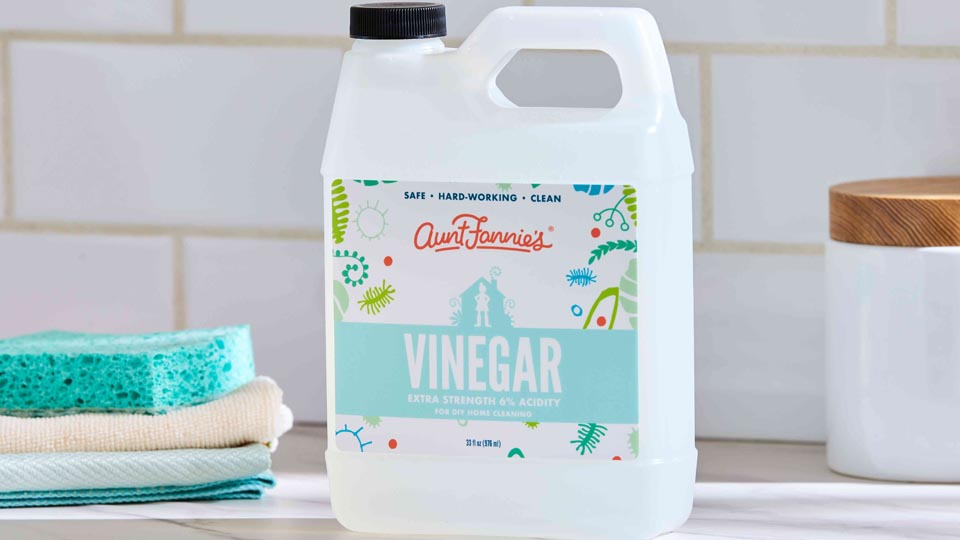
Image by thespruce
I’ll walk you through exactly how I use vinegar to clean metal, what types of metal it works best on, and a few pro tips to make sure your paint sticks strong and lasts long. If you want your next paint job to look great and actually stay that way, starting with the right prep makes all the difference.
Why Clean Metal Before Painting?
Painting metal isn’t like painting wood. Metal surfaces, especially steel or iron, can have rust, oil, or mill scale that prevent paint from sticking. I’ve seen paint peel off within weeks because the metal wasn’t prepped properly. Cleaning with vinegar removes these contaminants, creating a clean surface for paint to bond with.
I once painted a metal chair without cleaning it thoroughly. The paint bubbled and flaked within a month. Since then, I never skip prep, and vinegar has become my secret weapon for small to medium projects. It’s especially great for removing light rust and grease without harsh chemicals.
Vinegar vs Other Cleaning Methods
Here’s how vinegar stacks up against other cleaning methods I’ve used:
| Method | Pros | Cons | Best For |
|---|---|---|---|
| Vinegar | Cheap, non-toxic, removes light rust | Slow for heavy rust, needs soaking | Light rust, grease, DIY projects |
| Sandblasting | Fast, removes heavy rust and scale | Expensive, messy, needs equipment | Large projects, heavy rust |
| Chemical Cleaners | Quick, effective for grease | Toxic, costly, requires ventilation | Industrial use, stubborn grease |
| Wire Brushing | Simple, good for small areas | Labor-intensive, may miss spots | Small repairs, light rust |
Vinegar is my go-to for small projects or when I want an eco-friendly option. It’s safe enough to use in my garage without worrying about fumes.
Tools and Materials You’ll Need
Before we start, let’s gather the essentials. I’ve learned the hard way that missing a tool can derail a project. Here’s what you need to clean metal with vinegar before painting:
- White Vinegar: Distilled white vinegar (5% acidity) works best.
- Spray Bottle or Bucket: For applying or soaking.
- Wire Brush or Steel Wool: For scrubbing rust.
- Clean Rags or Paper Towels: For wiping surfaces.
- Gloves: To protect your hands from vinegar and rust.
- Safety Glasses: To shield your eyes from debris.
- Degreaser: For stubborn oil or grease.
- Water and Baking Soda: To neutralize vinegar after cleaning.
- Sandpaper (Optional): For smoothing rough spots.
- Paint and Primer: Metal-specific primer and topcoat.
Pro tip: Use household vinegar from the grocery store—it’s cheap and works just as well as industrial brands.
Understanding How Vinegar Works on Metal
Vinegar’s acetic acid dissolves rust (iron oxide) by reacting with it to form a water-soluble compound. It also cuts through grease and grime, leaving a clean surface. I’ve used vinegar on steel, iron, and even aluminum (with care) to prep for painting. It’s not a miracle worker—heavy rust needs more elbow grease—but for light rust and surface prep, it’s fantastic.
I once used vinegar to clean a rusted toolbox before repainting. After soaking and scrubbing, the surface was smooth and ready for a fresh coat that’s still holding strong years later.
Step-by-Step Guide to Using Vinegar to Clean Metal
Here’s how I clean metal with vinegar, step by step, based on countless projects.
Step 1: Assess the Metal Surface
Check the metal for rust, grease, or dirt. Light surface rust is perfect for vinegar. Heavy, flaky rust may need sandblasting or wire brushing first. I once tried vinegar on thick rust, and it took forever—pre-scrape heavy rust to save time.
Step 2: Clean Off Grease and Dirt
Vinegar doesn’t handle heavy grease well. Use a degreaser or dish soap with a rag to remove oil or grime. Rinse with water and dry completely. I learned this when cleaning a greasy car part—vinegar alone didn’t cut it until I degreased first.
Step 3: Apply Vinegar
For small parts, soak them in a bucket of vinegar for 1-24 hours, depending on rust severity. For larger surfaces, like a gate, pour vinegar into a spray bottle and mist the metal, or soak rags and wrap them around the surface. I’ve soaked small brackets overnight, and the rust practically wipes off.
Step 4: Scrub the Surface
After soaking, scrub with a wire brush or steel wool. Focus on rusty spots until the metal shines. For stubborn areas, reapply vinegar and let it sit longer. I’ve spent 10 minutes scrubbing a rusted fence panel—it’s work, but the results are worth it.
Step 5: Rinse and Neutralize
Rinse the metal with water to remove vinegar and rust residue. To neutralize the acid, mix a solution of baking soda and water (1 tablespoon per gallon) and wipe it over the surface. Dry thoroughly with a clean rag. I skipped neutralizing once, and the paint didn’t adhere as well—don’t skip this step.
Step 6: Sand (Optional)
For a super-smooth finish, lightly sand with 120-220 grit sandpaper. This removes tiny imperfections and helps primer stick. I sanded a metal sculpture before painting, and the finish was flawless.
Step 7: Inspect and Dry
Check for missed rust or grease. The metal should be clean and shiny. Dry completely—any moisture can cause flash rust. I use a hairdryer or compressed air for tight spots to ensure no water lingers.
Preparing for Painting After Cleaning
Cleaning is only half the battle. To ensure a lasting paint job, follow these steps:
- Apply Primer: Use a metal-specific primer, like zinc-based or rust-inhibiting primer. I apply two thin coats for maximum adhesion.
- Choose the Right Paint: Oil-based or enamel paints work best for metal. I’ve used spray paint for small projects and brushed-on paint for larger surfaces.
- Paint in Thin Layers: Apply 2-3 thin coats, letting each dry fully. Thick coats bubble and peel.
I painted a steel gate after vinegar cleaning, and it’s held up through five years of rain and sun. Proper prep makes all the difference.
Common Mistakes and How to Avoid Them
I’ve made plenty of errors prepping metal. Here’s how to avoid them:
- Skipping Degreasing: Grease prevents vinegar from working. Always degrease first.
- Not Neutralizing Vinegar: Leftover acid can affect paint adhesion. Rinse and neutralize with baking soda.
- Rushing Drying: Wet metal rusts fast. Dry thoroughly before priming.
- Using Weak Vinegar: 5% white vinegar is standard. Diluted or flavored vinegars (like apple cider) don’t work as well.
I once painted a damp metal surface after vinegar cleaning, and rust formed under the paint. Now, I’m obsessive about drying.
Safety Tips for Cleaning Metal with Vinegar
Vinegar is safer than chemical cleaners, but you still need precautions. Here’s how I stay safe:
- Wear gloves to protect your skin from vinegar and rust.
- Use safety glasses when scrubbing to avoid debris in your eyes.
- Work in a well-ventilated area to avoid inhaling vinegar fumes.
- Keep vinegar away from open flames—it’s not flammable, but spills can be slippery.
- Store vinegar in a sealed container to avoid spills or contamination.
I got rust dust in my eyes once while scrubbing—safety glasses are now non-negotiable.
Vinegar Cleaning for Different Metals
Not all metals react the same to vinegar. Here’s what I’ve learned:
Steel and Iron
Vinegar excels at removing light rust from steel and iron. Soak for 1-24 hours, depending on rust severity. I’ve cleaned steel railings this way with great results.
Aluminum
Vinegar can clean aluminum but may cause pitting if left too long. Limit soaking to 1-2 hours and neutralize immediately. I cleaned an aluminum bike frame with vinegar, and it painted beautifully.
Stainless Steel
Vinegar removes light stains but isn’t great for heavy corrosion. Use a wire brush for stubborn spots. I’ve prepped stainless panels for painting with a quick vinegar wipe-down.
| Metal | Vinegar Suitability | Soaking Time | Notes |
|---|---|---|---|
| Steel/Iron | Excellent | 1-24 hours | Great for light rust, rinse well |
| Aluminum | Moderate | 1-2 hours | Avoid long exposure to prevent pitting |
| Stainless Steel | Good | 10-30 minutes | Best for light stains, scrub gently |
Troubleshooting Cleaning Issues
If your metal isn’t ready for painting, here’s how I fix common problems:
- Stubborn Rust: Soak longer or use a wire brush. For heavy rust, try sandblasting.
- Greasy Residue: Reapply degreaser and scrub. Vinegar won’t cut through oil alone.
- Flash Rust: Dry the metal immediately after rinsing. Use a fan or compressed air.
- Dull Surface: Sand lightly with fine-grit sandpaper for a smooth finish.
I had flash rust ruin a project once because I left the metal damp overnight. Now, I dry and prime the same day.
Practical Tips for Using Vinegar to Clean Metal
Here are some tricks I’ve picked up over the years:
- Use Warm Vinegar: Heat vinegar slightly (not boiling) to speed up rust removal.
- Reuse Vinegar: Strain used vinegar through a coffee filter to remove rust particles and reuse it.
- Test Small Areas: Try vinegar on a small spot first to ensure it won’t damage the metal.
- Work in Batches: Clean large projects in sections to stay organized.
- Prime Immediately: Paint within 24 hours to prevent flash rust.
These tips have saved me time and hassle on countless jobs.
Transforming Metal with Vinegar and Paint
Using vinegar to clean metal before painting is a simple, affordable way to ensure a professional finish. It’s not just about removing rust—it’s about setting the stage for paint that sticks and lasts. I’ve seen the difference it makes, from backyard projects to client commissions. With careful prep, a steady hand, and the right techniques, you’ll turn rusty, grimy metal into something beautiful and durable.
FAQ
Can I use any type of vinegar to clean metal?
Stick to 5% distilled white vinegar. Apple cider or flavored vinegars have additives that may not work as well. I’ve always used white vinegar for consistent results.
How long should I soak metal in vinegar?
For light rust on steel, soak 1-24 hours. For aluminum, limit to 1-2 hours to avoid pitting. Check periodically and scrub as needed.
Will vinegar damage my metal?
Vinegar is safe for steel and iron but can pit aluminum if left too long. Always rinse and neutralize with baking soda to prevent issues.
Do I need to neutralize vinegar after cleaning?
Yes, neutralizing with a baking soda solution prevents acid residue from affecting paint. I skipped this once, and the paint peeled early.
Can I paint metal right after cleaning with vinegar?
Dry the metal completely and prime within 24 hours to avoid flash rust. I use a hairdryer to speed up drying on humid days.
What if the rust doesn’t come off with vinegar?
For heavy rust, use a wire brush or sandblasting first. Vinegar works best for light rust. I’ve combined methods for tough jobs.


