Trying to weld stainless steel with a standard MIG setup can get frustrating fast — the puddle acts weird, spatter goes everywhere, and the finish never looks as clean as you expected.
I ran into this myself when I didn’t have a shielding gas bottle handy and had to figure out whether electric MIG welding stainless steel without gas was even possible. Turns out, it can be done in certain situations, but only if you understand the right wire, settings, and limitations.
Knowing how to handle this properly matters for more than just appearance — it affects corrosion resistance, joint strength, and how much time you waste grinding and reworking bad welds.
After plenty of trial, error, and shop-floor testing, I’ve narrowed down what actually works. Let me walk you through the practical steps so you can avoid the common mistakes and get usable results.
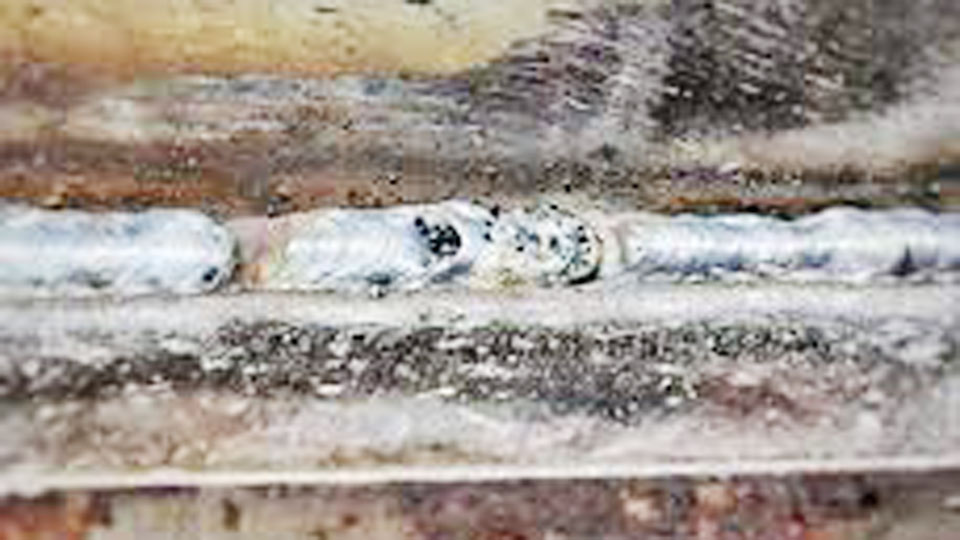
Photos by millerwelds
Gasless MIG Welding for Stainless Steel
First off, let’s clear the air: what we’re talking about here isn’t your traditional MIG process with solid wire and inert gas. When folks ask how to electric MIG weld stainless steel without gas, they’re really referring to flux-cored arc welding (FCAW) using self-shielded wire.
The “MIG” label sticks because you’re using a MIG welder setup—constant voltage power source, wire feeder, and gun—but the wire itself has a flux core that generates its own shielding gases and slag to protect the weld pool from atmospheric contamination.
How does it work? As you pull the trigger, the wire feeds out, arcs with the base metal, and the flux inside melts to create a protective barrier. No external gas needed, which is why it’s perfect for outdoor repairs or jobs where dragging a cylinder around isn’t feasible.
I’ve used this on everything from food-grade tanks to marine hardware, where stainless’s corrosion resistance is key.
You’d use this method when wind could disrupt gas shielding, or when you’re on a budget and skipping gas saves money. It’s also great for thicker sections where deep penetration matters more than a pristine finish.
In real situations, like patching a stainless railing on a job site, it prevents rework from porosity caused by drafts. Just remember, it’s not ideal for thin gauge stainless—say under 16 gauge—because the heat input can warp it badly.
From my experience, the key is recognizing it’s more forgiving on dirty metal than gas-shielded MIG, but you still need clean joints for strong bonds. One time, I skipped thorough cleaning on a rusty edge, and the weld cracked under stress. Lesson learned: always prioritize prep.
Selecting the Right Flux-Cored Wire for Stainless Steel
Picking the wire is where a lot of welders trip up. Not all flux-cored wires are made for stainless; you need ones specifically alloyed for it, like 308L or 309L types, which match common austenitic stainless grades like 304 or 316.
What is it? These wires have a tubular design filled with flux compounds that shield the weld and add alloys for corrosion resistance. The “L” denotes low carbon to minimize carbide precipitation, which can lead to intergranular corrosion in stainless.
How to choose? Match the wire to your base metal. For 304 stainless, go with 308L flux-cored. If you’re joining dissimilar metals, like stainless to mild steel, 309L handles the mix better.
Diameters matter too—.035-inch for lighter work, .045-inch for heavier stuff. I’ve found .035-inch wires feed smoother in smaller machines, but .045-inch gives better deposition on thick plates.
When and why? Use it for structural welds where strength trumps aesthetics, like frames or pipes. It’s pricier than mild steel flux-core, but worth it for stainless’s longevity. Avoid it for cosmetic jobs, as the slag leaves a rougher bead.
Brands like Blue Demon or Lincoln Electric make reliable self-shielded stainless flux-cored wires. Store them dry—moisture in the flux causes porosity. I once left a spool out overnight in humid weather, and my welds looked like Swiss cheese. Now, I seal them in plastic bags with desiccant.
Preparing Your Stainless Steel Workpiece
Prep is non-negotiable with stainless. Skip it, and you’re inviting contamination, weak bonds, and rework.
What does it involve? Cleaning removes oxides, oils, and scale that can cause inclusions. Stainless forms a passive chromium oxide layer for corrosion resistance, but welding disrupts it, so start fresh.
How to do it? Grind or wire brush the joint area to bright metal. Use dedicated stainless brushes to avoid cross-contamination from carbon steel particles—that’s a fast track to rust. For oils, wipe with acetone or a dedicated degreaser. On thicker pieces, bevel edges for better penetration; a 30-degree single-V groove works for butt joints.
When and why? Always before welding, especially in repair scenarios where old welds might have buildup. Proper prep ensures full fusion, reducing distortion from uneven heating. In food or pharma applications, it’s critical for hygiene.
Practical advice: Clamp pieces securely to minimize warping—stainless expands and contracts a lot. I use copper backing bars on thin sheets to dissipate heat. One mistake I see pros make is rushing prep on dirty jobs; take the extra five minutes, and your weld holds forever.
Setting Up Your MIG Welder for Gasless Operation
Your standard MIG welder can handle this, but tweaks are essential.
What changes? Polarity is key—switch to DCEP (direct current electrode positive) for stainless flux-cored. That’s reverse of typical flux-core for mild steel, which is DCEN. Wrong polarity? Erratic arc and poor beads.
How to set it? Install the wire spool, thread it through the drive rolls (use knurled ones for flux-core grip), and adjust tension just enough to avoid slippage. No gas hose needed—cap it off if your machine has one. Set contact tip recess about 1/4-inch for stability.
When to use? For any gasless stainless job, obviously. It’s ideal for portable welders like the Lincoln Power MIG or Miller Multimatic.
Test on scrap first. I burned through a few inches of wire dialing in feed speed before a big project. Also, clean the gun liner regularly—flux residue builds up fast.
Step-by-Step Guide to Welding Stainless Steel Without Gas
This is for a basic butt joint on 1/8-inch 304 stainless.
Step 1: Safety gear up—helmet, gloves, respirator (fumes from stainless are nasty), and leather apron.
Step 2: Clean and fit up pieces. Tack weld at ends with short bursts to hold alignment.
Step 3: Position the gun at a 10-15 degree drag angle, stick-out about 3/4-inch.
Step 4: Start the arc—squeeze trigger, let it stabilize, then move steadily at 6-8 inches per minute.
Step 5: Weave if needed for wider beads, but keep it tight to control heat.
Step 6: Chip slag after cooling—use a chipping hammer and wire brush.
Step 7: Inspect for cracks or porosity. Grind and reweld if off.
Why this way? Controlled heat prevents burn-through and distortion. I’ve fixed bad welds by slowing down—rushing leads to hot spots.
For fillets: Aim for equal legs, pause at toes for fusion.
Optimal Settings for Amperage and Voltage
Settings vary by thickness and wire, but here’s a starting point from my notebook.
For .035-inch 308L wire on 1/8-inch stainless: 22-25 volts, 130-150 amps, wire speed 250-350 IPM.
Thicker, say 1/4-inch: Bump to .045-inch wire, 24-28 volts, 150-200 amps.
Electrode diameters: Stick to .030-.045 for most hobby work; larger for industrial.
How it works: Higher volts flatten the bead, amps control penetration. Too low? Stubbing. Too high? Spatter city.
When to adjust? Thinner metal needs lower settings to avoid warp. Test beads on scrap—adjust until the sizzle sounds right, not popping.
On a stainless tank repair, I started too hot and distorted the panel. Dropped amps 20%, problem solved.
| Material Thickness | Wire Diameter | Voltage | Amperage | Wire Speed (IPM) |
|---|---|---|---|---|
| 1/16-inch | .030-inch | 20-23 | 100-130 | 200-300 |
| 1/8-inch | .035-inch | 22-25 | 130-150 | 250-350 |
| 1/4-inch | .045-inch | 24-28 | 150-200 | 300-400 |
| 3/8-inch+ | .045-inch | 26-30 | 200-250 | 350-450 |
Common Mistakes and How to Fix Bad Welds
Beginners often run wrong polarity—fix by switching to DCEP, retest.
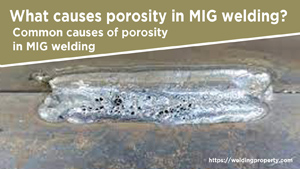
Porosity? From dirty metal or moisture—clean better, store wire dry.
Undercut: Too fast travel or high volts—slow down, drop voltage.
Cracks: Overheating—use pulse technique or interpass cooling.
Pros mess up by ignoring heat input, leading to carbide precipitation. Fix with lower amps or backstepping.
If rod burns off unevenly, check tension. One fix I love: For slag inclusions, grind out and reweld in layers.
Pros and Cons of Gasless MIG on Stainless Steel
Pros: No gas hassle, welds in wind, deeper penetration on thick stuff, works on contaminated surfaces.
Cons: Slag cleanup, more fumes, rougher finish, higher wire cost, potential for more distortion.
Use when portability wins; skip for showpieces.
| Aspect | Pros | Cons |
|---|---|---|
| Setup | Simple, no gas | Wire more expensive |
| Performance | Good outdoors | More spatter/slag |
| Weld Quality | Strong structurally | Less aesthetic |
| Cost | Saves on gas | Cleanup time adds up |
Safety Considerations in Gasless Stainless Welding
Fumes are the big one—chromium in stainless can form hexavalent compounds, linked to health issues. Ventilate well, use a respirator.
What else? UV rays cause arc eye—auto-darkening helmet essential. Sparks fly farther without gas—clear flammables.
How to stay safe? Ground properly, inspect cables, wear FR clothing. No shortcuts.
Tip: In confined spaces, use fume extraction. I learned after a headache-filled day.
Wrapping Up
Welding stainless without gas opens up options for tough jobs, equipping you to handle repairs that might otherwise stall. You’ve got the guide now to avoid common pitfalls and produce reliable joints. Always backpurge with argon on critical stainless if possible, but if you’re truly gasless, focus on short runs to keep heat low and integrity high.
FAQ’s
Can I use regular flux-cored wire on stainless steel?
No, stick to stainless-specific wires like 308L. Regular mild steel flux-core contaminates the weld, leading to corrosion and weakness. I’ve seen it ruin a batch of brackets—match alloys always.
What causes porosity in gasless stainless welds?
Dirty surfaces, moist wire, or excessive stick-out. Clean to bare metal, store wire properly, and keep stick-out under 1 inch. If it happens, grind out and reweld with lower voltage.
Is gasless MIG stronger than gas-shielded on stainless?
It can be comparable for strength, but gas-shielded often gives cleaner, more ductile welds. Use gasless for utility; gas for precision. In my shop, gasless holds up on frames, but I switch for tanks.
How do I reduce distortion when welding thin stainless without gas?
Lower amps, shorter beads, and clamp with heat sinks. Tack extensively and weld in segments. One time, I warped a panel—fixed by peening while hot.
What’s the best machine for gasless stainless MIG?
Any multi-process like Miller 211 or Lincoln 210MP. Ensure it handles DCEP and has good wire feed. Start small for hobby work.