When I first heard about ultrasonic wire splicing, I thought it was just another high-tech buzzword. But after seeing it in action, I realized how powerful it can be for creating strong, reliable connections without solder, heat, or messy adhesives.
Unlike traditional splicing, ultrasonic welding fuses wires at a molecular level, giving you joints that are both electrically sound and mechanically durable.
Whether you’re working in automotive wiring, electronics, or industrial equipment, understanding ultrasonic wire splicing can save you time, reduce failures, and improve the quality of your projects. In this guide, I’ll break down how it works, when to use it, and tips from hands-on experience to get it right the first time.

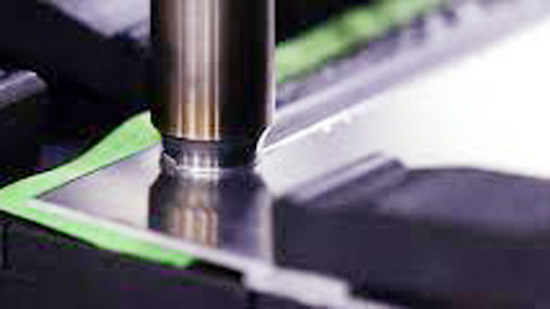
Image by cablespeed
What is Ultrasonic Wire Splicing?
Ultrasonic wire splicing is a method of joining two or more wires by using ultrasonic vibrations to create friction between them. This friction generates heat at the molecular level, bonding the wires together.
Unlike conventional splicing methods that use heat, adhesives, or mechanical force, ultrasonic splicing relies on mechanical vibrations to generate heat, which results in a solid-state bond between the wires.
This process creates strong, reliable connections without introducing the heat-related issues that are often associated with other welding techniques. The result is a clean, consistent, and highly reliable bond that ensures optimal electrical conductivity.
How Does Ultrasonic Wire Splicing Work?
Ultrasonic wire splicing works through the following steps:
Wire Preparation
The wires to be spliced are first stripped of insulation, leaving the metal conductors exposed. The quality of the splice largely depends on the cleanliness of the exposed wires, as contaminants like dirt, grease, or oxidation can interfere with the bonding process.
Wire Placement
Once prepared, the exposed wires are placed in an ultrasonic splicing machine. The wires are typically arranged in a configuration where they overlap slightly in the area where the splice will occur. Proper alignment ensures that the ultrasonic vibrations are evenly distributed across the wires.
Application of Ultrasonic Vibrations
The splicing machine applies ultrasonic vibrations at high frequencies, typically between 20 kHz and 40 kHz. These mechanical vibrations are transmitted to the overlapping wires via a specialized tool called a “sonotrode.”
Friction and Heat Generation
The ultrasonic vibrations cause the metal wires to vibrate rapidly against each other, creating localized friction. This friction generates heat, but only at the interface of the wires. The heat is just enough to soften and bond the metal wires together at a molecular level without causing them to melt.
Formation of the Splice
As the wires bond, the ultrasonic vibrations stop, and the bonded area solidifies. The resulting splice is a homogeneous joint with excellent electrical conductivity and mechanical strength. The entire process typically takes just a few seconds.
Cooling and Inspection
After the splice is completed, the wires are allowed to cool. Most ultrasonic splicing machines come with inspection tools to verify the strength and quality of the bond, ensuring that it meets the necessary electrical and mechanical standards.
Advantages of Ultrasonic Wire Splicing
Ultrasonic wire splicing offers numerous benefits over traditional wire splicing methods, making it a preferred choice in industries that require high-performance electrical connections.
Superior Electrical Conductivity
The solid-state bond created through ultrasonic splicing ensures excellent electrical conductivity. The process eliminates the need for solder, which can introduce resistance or create weak points in the connection.
Strong and Reliable Bonds
The bonds created by ultrasonic splicing are mechanically strong and highly reliable. The process creates a homogeneous joint that is resistant to mechanical stress, making it ideal for applications where wires are subject to vibration or movement.
No Need for Additional Materials
Unlike soldering or crimping, ultrasonic wire splicing does not require additional materials such as solder, flux, or crimp connectors. This reduces material costs and simplifies the splicing process.
Clean and Environmentally Friendly
Since ultrasonic splicing does not involve the use of heat, adhesives, or chemicals, it is a clean and environmentally friendly process. There are no harmful fumes, residues, or waste materials generated during the process.
Fast and Efficient
Ultrasonic wire splicing is a fast process that can be completed in seconds. This makes it suitable for high-volume production environments where speed and efficiency are crucial.
Minimal Heat Impact
Unlike other methods that rely on high temperatures, ultrasonic splicing generates heat only at the splice interface. This minimizes the risk of heat-related damage to the wires or insulation, preserving the integrity of the surrounding materials.
Materials Suitable for Ultrasonic Wire Splicing
Ultrasonic wire splicing is highly versatile and can be used to join a wide range of materials. Some of the most commonly spliced materials include:
Copper
Copper is one of the most commonly used metals in electrical wiring due to its excellent conductivity. Ultrasonic splicing works exceptionally well with copper wires, producing strong and conductive splices.
Aluminum
Aluminum is another popular material for electrical wiring, especially in the automotive and aerospace industries. Ultrasonic wire splicing is effective with aluminum wires, as it can create strong bonds without the need for solder or crimping.
Copper-to-Aluminum Splicing
In some cases, copper and aluminum wires may need to be spliced together. Ultrasonic splicing is capable of creating strong, reliable bonds between dissimilar metals like copper and aluminum.
Tinned Wires
Wires with a tin coating are also commonly used in electrical applications. Ultrasonic splicing can easily bond tinned wires without removing the tin coating, ensuring strong and durable connections.
Applications of Ultrasonic Wire Splicing
Ultrasonic wire splicing is widely used in industries that require high-performance, durable electrical connections. Some of the most common applications include:
Automotive Industry
Ultrasonic wire splicing is extensively used in the automotive industry for the production of wiring harnesses, battery connections, and other electrical components. The technique’s ability to create strong and reliable splices ensures that automotive electrical systems are safe and efficient.
Aerospace Industry
In the aerospace sector, the reliability and durability of electrical connections are of utmost importance. Ultrasonic wire splicing is used to join wires in critical systems, such as avionics, control systems, and electrical power distribution.
Electronics Industry
In electronics manufacturing, ultrasonic splicing is used to create connections between wires in circuit boards, connectors, and other components. The process ensures clean, precise, and reliable splices that meet the stringent quality standards of the electronics industry.
Telecommunications
Telecommunications systems rely on robust and high-performance electrical connections. Ultrasonic wire splicing is used to join wires in cables, switches, and connectors, ensuring the reliability of communication networks.
Comparison of Ultrasonic Wire Splicing with Other Wire Splicing Techniques
While ultrasonic wire splicing offers numerous advantages, it is not the only method available for wire splicing. The following table compares ultrasonic wire splicing with other common splicing techniques, highlighting the key differences.
| Aspect | Ultrasonic Wire Splicing | Soldering | Crimping | Twist-on Connectors |
|---|---|---|---|---|
| Method | Ultrasonic vibrations | Heat and solder | Mechanical force | Manual twisting |
| Material Compatibility | Copper, aluminum, tinned wires | Copper and tinned wires | Most metals | Most metals |
| Strength of Bond | High | Moderate to high | Moderate | Low to moderate |
| Electrical Conductivity | Excellent | Good | Good | Moderate |
| Process Speed | Fast (seconds) | Slow (requires heating) | Fast | Fast |
| Additional Materials | None | Solder and flux | Crimp connectors | None |
| Environmental Impact | Minimal | Produces fumes, waste | None | None |
| Heat Impact | Low | High | None | None |
| Automation | Easy to automate | Difficult to automate | Easy to automate | Manual process |
| Durability | High | Moderate | Moderate | Low |
Future Trends in Ultrasonic Wire Splicing
As industries continue to advance and demand more efficient and reliable methods for joining wires, ultrasonic wire splicing is expected to evolve further. The following trends are anticipated to shape the future of ultrasonic wire splicing:
Increased Automation
Automation is becoming increasingly important in manufacturing processes, and ultrasonic wire splicing is no exception. Future ultrasonic splicing systems are expected to integrate more sophisticated automation features, such as real-time monitoring and adaptive controls, which will improve efficiency and reduce the need for manual intervention.
Advanced Material Compatibility
As industries like aerospace and automotive continue to adopt new materials, ultrasonic wire splicing technology will likely evolve to accommodate more advanced materials and composites. This will expand the range of applications for ultrasonic splicing in industries that require lightweight and high-strength materials.
Enhanced Precision and Quality Control
Improvements in ultrasonic splicing technology will enable even higher precision in wire splicing. Enhanced monitoring systems will ensure that splices consistently meet the highest quality standards, reducing the likelihood of defects and failures.
Growth in Electric Vehicles
The rise of electric vehicles (EVs) is driving increased demand for reliable and efficient wire splicing solutions. Ultrasonic splicing will play a critical role in the production of EV battery systems, charging stations, and electrical components, supporting the growth of the electric vehicle industry.
Conclusion
Ultrasonic wire splicing is a highly effective and efficient method for joining electrical wires, offering numerous advantages over traditional splicing techniques. Its ability to create strong, reliable, and conductive bonds without the need for additional materials or excessive heat makes it an ideal choice for a wide range of industries, from automotive and aerospace to electronics and telecommunications.
As ultrasonic wire splicing technology continues to evolve, it is poised to become an even more integral part of modern manufacturing processes. With its speed, precision, and environmental benefits, ultrasonic wire splicing is set to play a key role in the future of electrical engineering and manufacturing.