
I’ve welded all sorts of metals over the years, and one challenge that comes up often is joining galvanized steel to mild steel. It’s a tricky task because galvanized steel has a zinc coating that can cause issues during welding, but with the right approach, you can get strong, clean welds. I’m excited to share my experience and walk you through the process step by step.
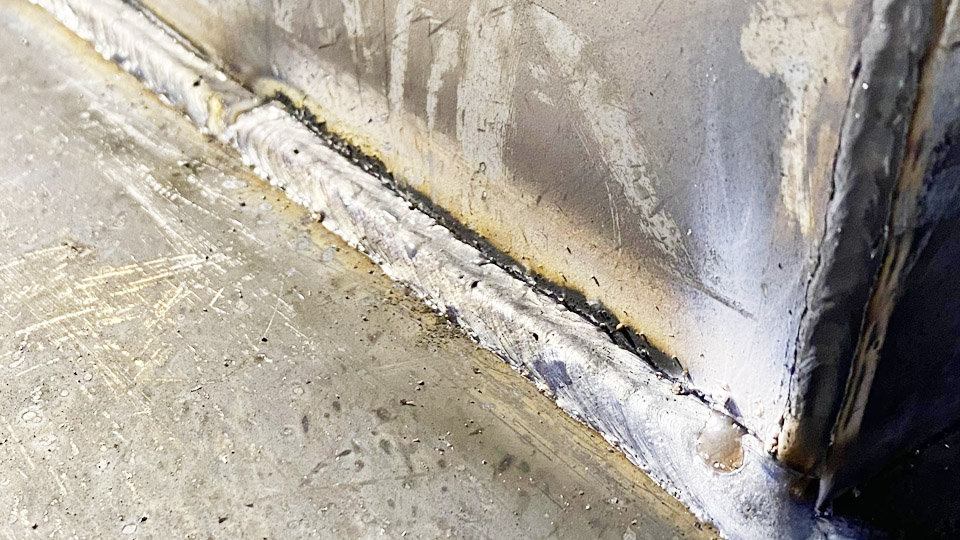
Photo by reddit
I’ll explain how to weld galvanized steel to mild steel safely, covering preparation, techniques, safety precautions, and tips for success. Whether you’re fixing a fence or working on a structural project, this article will help you tackle the job like a pro.
Galvanized Steel and Mild Steel
Before we dive in, let’s clarify what we’re working with. Galvanized steel is mild steel coated with a layer of zinc to protect it from rust. The zinc is great for corrosion resistance but creates challenges when welding because it vaporizes at high temperatures, producing toxic fumes and affecting weld quality. Mild steel, on the other hand, is plain carbon steel without a coating, making it easier to weld but prone to rust.
Welding these two together is common in projects like fencing, HVAC ducts, or automotive repairs. I’ve welded galvanized steel to mild steel for trailer repairs, and while it’s not as straightforward as welding two pieces of mild steel, it’s totally doable with the right steps.
Why Welding Galvanized Steel Is Tricky
The zinc coating on galvanized steel is the main hurdle. When heated during welding, zinc turns into a gas, which can:
- Produce Toxic Fumes: Breathing zinc oxide fumes can cause “metal fume fever,” a flu-like illness. I learned this the hard way early on—proper ventilation is a must!
- Cause Weld Imperfections: The vaporized zinc can create porosity (holes) or spatter in the weld, weakening it.
- Affect Arc Stability: Zinc can make the arc erratic, leading to messy welds.
To overcome these issues, you need to prepare the materials properly, use the right welding process, and prioritize safety.
Step-by-Step Guide to Welding Galvanized Steel to Mild Steel
Here’s how I approach welding galvanized steel to mild steel, based on years of trial and error in the shop:
Prioritize Safety
Welding galvanized steel produces hazardous fumes, so safety comes first. Here’s what you need:
- Respirator: Wear a NIOSH-approved respirator rated for welding fumes (like a P100 or N95). A regular dust mask won’t cut it.
- Ventilation: Work in a well-ventilated area or use a fume extractor. I set up a fan to blow fumes away when working outdoors.
- Welding Helmet: Use an auto-darkening helmet to protect your eyes from the bright arc.
- Gloves and Clothing: Wear leather welding gloves and a long-sleeve flame-resistant jacket to shield against sparks and UV light.
- Fire Safety: Keep a fire extinguisher nearby, as zinc fumes can be flammable in high concentrations.
I once welded galvanized steel without a respirator and felt sick for days. Never skip the safety gear—it’s not worth the risk.
Remove the Zinc Coating
The best way to minimize fume production and ensure a clean weld is to remove the zinc coating from the weld area on the galvanized steel. Here’s how:
Grind It Off: Use an angle grinder with a flap disc or sanding disc to remove the zinc from the joint area, about 1-2 inches on either side. Grind until you see bare steel.
Chemical Removal: If grinding isn’t practical, apply a zinc-removing solution (like vinegar or a commercial stripper) and scrub with a wire brush. Rinse and dry thoroughly.
Clean Both Metals: After removing the zinc, clean both the galvanized and mild steel with a wire brush or acetone to remove rust, oil, or dirt. Clean metal welds better.
Grinding is my preferred method because it’s fast and effective. I’ve found that leaving even a thin layer of zinc can cause spatter and weak welds, so be thorough.
Choose the Right Welding Process
Several welding processes work for joining galvanized steel to mild steel, but I recommend MIG (GMAW) or Stick (SMAW) for most situations:
- MIG Welding: MIG is beginner-friendly and produces clean welds. Use a 75% argon/25% CO2 shielding gas and 0.030-inch or 0.035-inch ER70S-6 wire for mild steel. It’s great for thin to medium-thick materials (1/16-inch to 1/4-inch).
- Stick Welding: Stick is more forgiving on dirty or rusty metal and works well outdoors. Use E6011 or E6013 electrodes for versatility. It’s better for thicker materials (1/4-inch and up).
- TIG Welding: TIG (GTAW) is trickier and less common for this task due to the precision required, but it can work for thin materials with ER70S-2 filler rod. I avoid TIG unless I need a very precise weld.
- Flux-Cored Welding: Gasless flux-cored wire (FCAW) is an option for outdoor welding, but it produces more spatter and isn’t as clean as MIG with gas.
I usually go with MIG for its ease and clean results. I used stick welding to join a galvanized pipe to a mild steel plate outdoors—it worked great despite windy conditions.
Set Up Your Welder
Adjust your welder settings based on the metal thickness and process:
For MIG:
- Voltage and Wire Speed: Refer to your welder’s chart. For 1/8-inch steel, try 18-20 volts and 200-250 inches per minute wire speed.
- Polarity: Use DCEP (electrode positive) for MIG with gas.
- Gas Flow: Set to 20-25 cubic feet per hour (CFH).
For Stick:
- Amperage: Use 80-120 amps for 1/8-inch E6013 rods on 1/8-inch steel. Adjust up or down for thicker or thinner metal.
- Polarity: E6011 and E6013 typically use DCEP, but check the rod’s specs.
Test your settings on scrap metal first. I’ve burned through thin galvanized steel by starting too hot, so dial in your settings carefully.
Prepare the Joint
Choose a joint type based on your project (butt, lap, or T-joint are common). Clamp the pieces securely to ensure good alignment. If the galvanized steel is thin, bevel the edges slightly for better penetration. For thicker materials, a small gap (1/16-inch) can help the weld pool flow.
I once welded a lap joint between a galvanized fence post and a mild steel bracket. Clamping tightly and grinding the zinc off made the weld smooth and strong.
Weld the Joint
Here’s how to weld for best results:
MIG Technique
- Hold the gun at a 10-15° angle, pushing the weld in the direction of travel.
- Keep the nozzle 1/4-inch to 1/2-inch from the workpiece.
- Move steadily with a slight weave for wider welds. Aim for a “sizzling bacon” sound.
- Watch for spatter—if it’s excessive, the zinc may not be fully removed, or your voltage is too high.
Stick Technique
- Strike the arc and maintain a short arc length (about the rod’s diameter).
- Use a drag or slight weave motion, keeping the rod at a 10-15° angle.
- Chip away slag between passes if making multiple welds.
Minimize Heat: Use short welds or skip welding (weld a section, skip ahead, then come back) to avoid overheating, which can burn off more zinc and create fumes.
I prefer short, controlled welds to keep the heat down. I overheated a galvanized piece, and the weld looked porous—less heat and better prep fixed it.
Clean and Inspect the Weld
After welding, clean the weld with a wire brush or grinder to remove any spatter or slag (for stick welds). Check for:
- Porosity: Small holes mean zinc interference or improper settings.
- Cracks: These can happen if the weld cools too fast—reheat slightly if needed.
- Penetration: The weld should fuse both metals fully without burn-through.
If the weld looks good, you’re golden. If not, grind it out, re-clean, and try again. I’ve had to redo welds when I didn’t remove enough zinc—patience pays off.
Protect the Weld Area
Welding burns off the zinc coating near the weld, leaving the galvanized steel prone to rust. Apply a zinc-rich spray paint or cold galvanizing compound to restore corrosion resistance. For the mild steel, use a primer and topcoat to prevent rust.
I always keep a can of zinc spray in the shop. After welding a galvanized gate to a mild steel frame, I sprayed the weld area, and it’s held up through years of rain.
Safety Precautions When Welding Galvanized Steel
I can’t stress safety enough—zinc fumes are no joke. Here’s a quick checklist:
- Work in a well-ventilated area or use a fume extractor.
- Wear a proper respirator, not just a mask.
- Avoid welding in confined spaces where fumes can build up.
- Stay hydrated and take breaks to avoid fume fever symptoms (chills, fever, nausea).
- Wash your hands and face after welding to remove zinc dust.
I once felt dizzy after welding galvanized steel in a poorly ventilated corner. Now, I always set up a fan or extractor, and I haven’t had issues since.
Tips for Success
Here are some tricks I’ve learned to make welding galvanized steel to mild steel easier:
- Remove More Zinc Than You Think: Grind or strip a wider area (2 inches) to reduce fumes and spatter.
- Use Lower Heat: Galvanized steel is often thin, so dial down the amperage to avoid burn-through.
- Practice on Scrap: Weld galvanized and mild steel scraps together to test your settings and technique.
- Keep Your Welder Clean: Zinc spatter can clog MIG gun tips. Check and replace tips as needed.
- Weld Slowly: A steady, controlled pace reduces porosity and improves fusion.
One time, I rushed a weld and ended up with a porous mess. Slowing down and double-checking my prep made all the difference.
When to Avoid Welding Galvanized Steel
If you can’t remove the zinc or ensure good ventilation, consider alternatives like bolting or riveting the metals together. Welding in tight spaces without fume extraction is risky. I’ve opted for mechanical fasteners on small projects when ventilation was an issue—it’s safer and still effective.
Real-World Example from My Shop
A while back, I repaired a farm gate where a galvanized steel tube needed to be welded to a mild steel plate. I used MIG with a 0.030-inch wire and 75/25 gas. First, I ground off the zinc from the tube, cleaned both metals, and clamped them in a lap joint.
With the welder set to 18 volts and 200 IPM, I laid short, steady beads, keeping the heat low. After brushing off minor spatter and spraying the weld with zinc paint, the gate was stronger than ever. The farmer’s still using it years later!
Conclusion
Welding galvanized steel to mild steel is challenging but totally manageable with the right preparation and techniques. By removing the zinc coating, choosing MIG or stick welding, using proper safety gear, and protecting the weld afterward, you can create strong, lasting bonds. The key is to prioritize safety, take your time with prep, and keep the heat controlled to avoid fumes and imperfections.
Frequently Asked Questions
Is it safe to weld galvanized steel to mild steel?
Yes, if you remove the zinc coating, use a respirator, and work in a well-ventilated area. Zinc fumes are toxic, so safety is critical.
What’s the best welding process for galvanized steel to mild steel?
MIG is the easiest and cleanest, but stick welding works well, especially for thicker materials or outdoor jobs. TIG is less common due to its complexity.
Do I have to remove the zinc coating before welding?
Yes, grinding or chemically removing the zinc reduces fumes and improves weld quality. Leaving zinc can cause porosity and spatter.
Can I weld galvanized steel without a respirator?
No, always wear a NIOSH-approved respirator rated for welding fumes. Zinc oxide fumes can cause metal fume fever, which is serious.
How do I protect the weld from rust?
Apply zinc-rich spray paint or cold galvanizing compound to the galvanized steel’s weld area and a primer/topcoat to the mild steel.
What happens if I don’t remove the zinc before welding?
You’ll get excessive fumes, spatter, and porous welds, which weaken the joint. Always remove the zinc for safety and quality.


