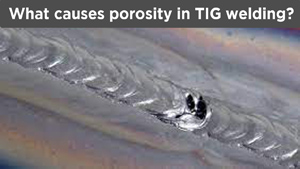
When it comes to TIG welding, gas flow may not sound as exciting as the bright arc or smooth bead—but it’s one of the most important factors that can make or break your weld quality. Just like using the right cleaning tips in your home—whether it’s bathroom cleaning, stain removal, or disinfecting surfaces—setting the correct shielding gas flow ensures precision, protection, and durability. Too little gas, and you’ll deal with porosity and weak joints; too much, and you waste gas while creating turbulence that pulls in contaminants.
Many DIY welders and professionals alike ask: How does gas flow really affect TIG welding results? In this guide, we’ll break it down step by step so you can achieve clean, consistent welds—just like keeping your home spotless with the right cleaning techniques.

Image by kemppi
Why Gas Flow Matters in TIG Welding
TIG welding (or GTAW, Gas Tungsten Arc Welding) relies on an inert shielding gas—usually argon or helium—to protect the molten weld pool from the atmosphere. Without proper gas coverage, oxygen and nitrogen in the air can contaminate the weld, causing porosity, oxidation, or weak joints. But gas flow isn’t just about protection; it affects how the arc behaves, how deep the weld penetrates, and even how much money you’re burning through in gas cylinders.
In my early days, I thought “more gas = better weld.” Big mistake. I cranked the flow too high, wasted argon, and got a turbulent arc that sputtered like a bad engine. Proper gas flow keeps your arc stable, ensures clean welds, and saves you from emptying your wallet on refills. It’s also critical for safety—poor gas coverage can lead to brittle welds that fail in structural applications, which is a big deal if you’re welding for industrial or food-grade projects.
Shielding Gases for TIG Welding
Let’s start with the basics: the shielding gas you choose impacts your weld quality. Argon is the go-to for most TIG welding because it’s versatile, affordable, and works well on stainless steel, aluminum, and mild steel. Helium, or argon-helium mixes, is used for thicker materials or when you need deeper penetration, like on heavy aluminum or copper.
Argon: Stable arc, great for thin materials (1/16” to 1/8”). I use 100% argon for most of my shop work—stainless sinks, bike frames, you name it.
Helium: Hotter arc, better for thick sections (1/4” and up). It’s pricier, so I save it for heavy-duty jobs like aluminum boat repairs.
Argon-Helium Mix (75/25 or 50/50): Balances arc stability with deeper penetration. I’ve used a 50/50 mix for welding thick aluminum plates, and it’s a game-changer.
Always check your gas cylinder’s purity. Low-quality gas with impurities can cause contamination, no matter how perfect your flow settings are. Stick with welding-grade argon or helium from a reputable supplier.
Setting the Right Gas Flow Rate
Getting the gas flow rate right is where the magic happens. Too little flow, and you get inadequate shielding, leading to porosity or oxidation. Too much, and you create turbulence that sucks in air, ruins the arc, and wastes gas. Here’s a step-by-step guide I follow for setting gas flow:
Check your equipment: Use a regulator with a flowmeter (measured in cubic feet per hour, CFH). Most TIG setups need 15-25 CFH for argon, 20-30 CFH for helium.
Match the cup size: The gas cup (or nozzle) size affects flow. For a #6 cup (3/8” diameter), I start at 15-20 CFH. For a #8 cup, I bump it to 20-25 CFH.
Consider the environment: Welding outdoors or in a drafty shop? Increase flow by 5-10 CFH to counter wind. I learned this the hard way welding a trailer frame in a breezy garage—my welds were full of holes until I upped the flow.
Test and adjust: Start welding on a scrap piece. If the weld looks shiny and smooth, you’re good. If it’s discolored or porous, tweak the flow up or down by 2-3 CFH.
Common Mistake: Don’t assume one setting fits all. I once used the same flow rate for aluminum as I did for stainless, and the arc wandered like a lost puppy. Aluminum often needs slightly higher flow due to its heat conductivity.
Choosing the Right Gas Cup and Lens
The gas cup and lens you use directly affect how the shielding gas flows over the weld pool. A standard ceramic cup works fine for most jobs, but gas lenses are a must for precision work or tricky joints. Here’s the breakdown:
Standard Ceramic Cup: Good for general-purpose welding. I use a #6 or #8 cup for most stainless and mild steel jobs. They’re cheap and reliable but can create uneven gas flow in tight spaces.
Gas Lens: Uses a fine mesh screen to create laminar (smooth) gas flow, giving better coverage with less turbulence. I swear by gas lenses for aluminum or thin stainless, especially in fillet welds or tight corners.
In my shop, I keep a range of cup sizes handy. For a recent stainless exhaust project, I used a #6 gas lens with 18 CFH argon flow, and the welds were so clean they looked like they belonged in a museum.
If you’re welding in tight spots, use a smaller cup (like #4 or #5) with a gas lens to maintain coverage without bumping into the workpiece.
Comparing Gas Flow Settings for Different Materials
Here’s a quick table I put together based on my experience with common TIG welding materials. These are starting points—always test on scrap first:
| Material | Gas Type | Flow Rate (CFH) | Cup Size | Notes |
|---|---|---|---|---|
| Stainless Steel | 100% Argon | 15-20 | #6-#8 | Low flow for thin gauges, stable arc |
| Aluminum | Argon or 50/50 Mix | 20-25 | #8-#10 | Higher flow for heat dissipation |
| Mild Steel | 100% Argon | 15-20 | #6-#8 | Simple, forgiving setup |
| Thick Aluminum | 75/25 Helium-Argon | 25-30 | #10-#12 | Hotter arc, deeper penetration |
| Titanium | 100% Argon | 20-25 | #8 with Gas Lens | Needs excellent shielding, no drafts |
Don’t use helium mixes on thin materials unless you’re experienced. I once tried a 50/50 mix on 1/16” aluminum, and the arc was so hot it burned through faster than I could blink.
How Gas Flow Impacts Weld Quality
Gas flow directly affects the look, strength, and integrity of your weld. Here’s what happens when it’s off:
Too Low Flow: Inadequate shielding lets oxygen and nitrogen sneak in, causing porosity (tiny holes in the weld) or oxidation (discoloration). I’ve seen this ruin stainless welds, leaving them brittle and prone to cracking.
Too High Flow: Turbulence pulls in air, disrupting the arc and causing uneven welds. It also wastes gas—bad for your wallet and the environment.
Just Right: Proper flow creates a stable arc, smooth bead, and clean weld pool. Your welds will look professional, with no porosity or discoloration.
I once had a client complain about porous welds on a stainless railing. Turns out, their shop’s fan was blowing air across the weld, disrupting the gas shield. Moving the fan and bumping the flow to 20 CFH fixed it instantly.
Welding Techniques to Optimize Gas Flow
Your welding technique can make or break your gas flow setup. Here’s what I’ve learned to maximize shielding:
Torch Angle: Hold the torch at a 15-20° angle from vertical to direct gas flow over the weld pool. Too steep, and you’ll starve the pool of gas.
Stick-Out: Keep the tungsten stick-out at 1/4” or less to ensure the gas covers the arc and pool. Longer stick-out reduces shielding.
Puddle Control: Move steadily to keep the weld pool under the gas shield. Pausing too long can expose the pool to air.
Back-Purging: For stainless or titanium, use a back-purge with argon to shield the backside of the weld. I use 5-10 CFH for back-purging pipes or tanks.
I was welding a stainless brewery tank and forgot to back-purge. The backside of the weld oxidized, and I had to grind it out and redo it. Back-purging is a lifesaver for food-grade work.
Safety Considerations for Gas Flow in TIG Welding
Gas flow isn’t just about weld quality—it’s about safety, too. Improper gas flow can lead to weak welds that fail under load, posing risks in structural or industrial applications. Here’s how to stay safe:
Check for Leaks: Inspect hoses, fittings, and regulators for leaks before welding. I use soapy water to check for bubbles at connections.
Ventilate Your Shop: Argon and helium are heavier than air and can displace oxygen in confined spaces. Keep a fan or exhaust system running.
Store Cylinders Properly: Secure gas cylinders upright and away from heat sources. I once saw a cylinder tip over in a buddy’s shop—scary stuff.
Follow ASME/AWS Codes: For commercial jobs, ensure your welds meet standards like AWS D1.6 for stainless or D1.2 for aluminum to avoid liability.
In my early days, I ignored a small regulator leak and ended up with a contaminated weld that failed a pressure test. I triple-check my setup before striking an arc.
Real-World Applications: Gas Flow in Different TIG Projects
Gas flow needs vary depending on the job. Here’s how I adjust for common TIG welding scenarios:
Stainless Steel Exhausts: I use 100% argon at 15-20 CFH with a #6 gas lens for tight, clean welds. Consistent flow prevents oxidation on polished surfaces.
Aluminum Boat Repairs: A 50/50 argon-helium mix at 25 CFH handles thick plates, with a #10 cup to cover the larger weld pool.
DIY Bike Frames: Thin-wall steel or aluminum needs low flow (15 CFH argon) and a small #5 cup for precision in tight joints.
Food-Grade Tanks: Stainless tanks require back-purging at 5-10 CFH and a gas lens for perfect shielding to meet NSF standards.
I once welded an aluminum boat hull in a windy marina. Upping the flow to 30 CFH and using a larger cup saved the day, but I had to shield the work area with a tarp to block the breeze.
Troubleshooting Gas Flow Issues
If your welds aren’t turning out right, gas flow could be the culprit. Here’s a quick troubleshooting guide:
- Porous Welds: Increase flow by 2-3 CFH or check for drafts. Ensure your gas lens or cup isn’t clogged.
- Discolored Welds: Likely oxidation from low flow or contamination. Clean the material thoroughly and increase flow slightly.
- Unstable Arc: Too much flow or a damaged electrode. Lower the flow or regrind the tungsten to a sharp point.
- Gas Waste: If you’re burning through cylinders too fast, check for leaks or lower the flow to the minimum effective rate.
I once spent an hour troubleshooting a porous stainless weld, only to find a tiny crack in my gas hose. A quick swap fixed it, but it taught me to check my equipment religiously.
Conclusion
Understanding how gas flow affects TIG welding is your ticket to cleaner, stronger, and more professional welds. From choosing the right shielding gas (argon for most jobs, helium for thick stuff) to setting the perfect flow rate (15-25 CFH for most setups), you’ve got the tools to dial in your TIG game. Pair that with smart techniques—like using a gas lens, back-purging, and proper torch angles—and you’ll avoid porosity, oxidation, and wasted gas.
Whether you’re a DIYer welding a custom trailer, a student practicing in trade school, or a pro tackling industrial jobs, these tips will save you time, money, and frustration. You’re now ready to fire up your TIG welder with confidence. Grab a scrap piece, test your flow settings, and watch those welds come out smooth as butter. Keep a small notebook in your shop to jot down flow rates and cup sizes for different materials—it’s a lifesaver when you’re switching between jobs.
FAQ
What’s the best shielding gas for TIG welding stainless steel?
Argon is the best choice for stainless steel—100% pure, at 15-20 CFH. It gives a stable arc and clean welds. Use a gas lens for extra precision on thin gauges.
Why are my TIG welds porous even with good gas flow?
Porosity usually comes from drafts, low flow, or contaminated material. Check for air movement in your shop, increase flow by 2-3 CFH, and clean the workpiece with acetone and a stainless brush.
Can I TIG weld aluminum without helium?
Yes, 100% argon at 20-25 CFH works for most aluminum welding. Helium or argon-helium mixes are only needed for thick plates or when you need deeper penetration.
How do I know if my gas flow is too high?
If your arc is unstable or wandering, or you hear a hissing sound, your flow is likely too high. Lower it by 2-3 CFH and test on scrap. You’ll also notice excessive gas use on your cylinder gauge.
Do I need a gas lens for every TIG welding job?
No, standard ceramic cups work fine for general-purpose welding. Use a gas lens for precision work, like thin stainless or aluminum, to get smoother gas flow and better shielding.