If you’ve ever dealt with a cracked cast iron exhaust manifold, you know it’s not the kind of job you can just run a quick weld over and call it good. Cast iron is brittle, full of carbon, and tends to crack under stress or heat cycling—especially on an exhaust system where temperatures swing from cold start to red-hot in minutes. That’s why many pros (myself included) often turn to brazing instead of straight welding. Brazing with a bronze or nickel-based filler allows you to join the manifold without melting the cast iron itself, which helps reduce stress and cracking.
The key is in the prep—thorough cleaning, controlled preheat, slow cooling, and the right flux make all the difference. In this guide, I’ll walk you through the steps of brazing a cast iron exhaust manifold, the tools and filler rods you’ll need, and the tricks that keep the repair strong enough to handle daily driving heat cycles.
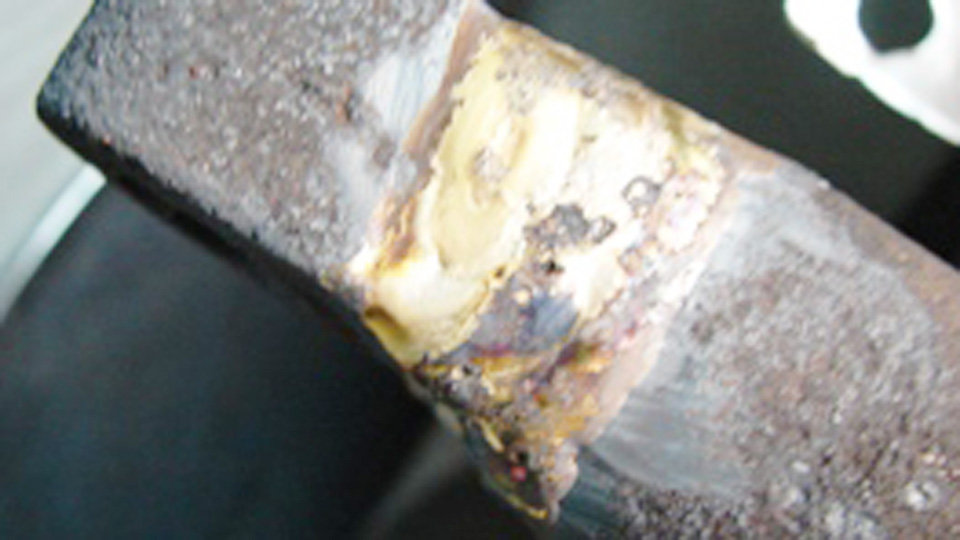
Image by weldingtipsandtricks
Why Brazing for Cast Iron Exhaust Manifolds?
Cast iron is a beast to work with—brittle, prone to cracking, and sensitive to heat. Exhaust manifolds, especially in cars or trucks, take a beating from high temperatures, vibration, and corrosion. A crack can cause exhaust leaks, poor engine performance, or even safety hazards like carbon monoxide exposure. I’ve seen DIYers replace a manifold when a $20 brazing repair could’ve done the job.
Brazing is perfect here because it uses lower temperatures than welding, reducing the risk of thermal stress and new cracks. It joins the cast iron with a filler metal that flows into cracks and bonds strongly, maintaining structural integrity and sealing leaks. Plus, it’s cost-effective for DIYers and pros alike, especially when replacement parts are hard to find for older vehicles.
What Is Brazing and How Does It Work?
Brazing is a joining process where you heat the base metal (cast iron, in this case) and flow a filler metal, like a bronze or brass alloy, into the joint. The filler melts at a lower temperature than the cast iron—typically 840-900°F compared to cast iron’s 2,100°F melting point—so you don’t risk melting the manifold itself.
You use a torch (oxy-acetylene is my go-to) to heat the area evenly, and the filler rod melts and wicks into the joint via capillary action. The result? A strong, durable bond that can handle the heat and vibration of an exhaust system. I’ve brazed manifolds on vintage cars where the repair outlasted the rest of the vehicle.
When to Choose Brazing Over Welding
Brazing is ideal for cast iron exhaust manifolds when:
- The part has thin or complex sections prone to cracking from welding’s high heat.
- You’re dealing with small cracks or pinholes rather than massive breaks.
- You want a cost-effective repair without specialized equipment like a TIG welder.
- The manifold is from an older vehicle, and replacements are pricey or unavailable.
Welding, like stick or TIG, is better for thicker cast iron or when you need a fusion weld for structural strength. But I’ve seen TIG welds crack on manifolds because of uneven cooling. Brazing’s lower heat makes it forgiving for DIYers or pros working on delicate parts.
Tools and Materials Needed for Brazing Cast Iron
Here’s what you’ll need to braze that manifold, based on my shop setup:
- Torch: Oxy-acetylene with a neutral flame for precise heat control. Propane can work for small jobs but lacks the heat for thicker sections.
- Filler Rod: Use a flux-coated bronze or brass rod, like Harris 0 or Bernzomatic WB5. Low-fuming bronze is my pick for exhaust work.
- Flux: Extra flux (borax-based) to clean the joint and promote filler flow.
- Grinder/Wire Brush: To clean rust, carbon, or oil from the manifold.
- Safety Gear: Welding gloves, tinted safety glasses (shade 5), and a fire-resistant jacket.
- Clamps/Vise: To hold the manifold steady.
- Cleaning Supplies: Acetone or degreaser for prep.
For DIYers, a basic oxy-acetylene kit costs $200-$400. Pros might already have this in the shop. Keep a fire extinguisher nearby—hot metal and sparks are no joke.
Step-by-Step Guide to Brazing a Cast Iron Exhaust Manifold
Let’s walk through the process like I’m showing you in my garage.
Step 1: Inspect and Prep the Manifold
Check the manifold for cracks, pinholes, or warping. I once found a hairline crack on a Chevy V8 manifold that only showed up after cleaning. Use a grinder or wire brush to remove rust, carbon deposits, and oil. Clean with acetone to ensure no contaminants mess with the braze.
Step 2: V-Groove the Crack
For cracks wider than a hairline, use a die grinder to create a V-shaped groove along the crack. This gives the filler more surface area to bond. Keep the groove shallow—about 1/16-inch deep—to avoid weakening the part. I’ve skipped this on tiny cracks and regretted it when the braze didn’t hold.
Step 3: Preheat the Manifold
Cast iron loves even heat. Preheat the entire manifold to 500-600°F using your torch in broad strokes. This reduces thermal shock. Use a temp stick or infrared thermometer to check. I’ve cracked a manifold by rushing this—slow and steady wins.
Step 4: Apply Flux
Coat the V-groove or crack with flux paste. If using flux-coated rods, you might skip this, but I add extra for cast iron’s dirty nature. Flux cleans the surface and helps the filler flow. Spread it evenly with a brush.
Step 5: Set Up Your Torch
Adjust your oxy-acetylene torch to a neutral flame—equal parts oxygen and acetylene, with a sharp blue cone. Too much oxygen (oxidizing flame) burns the filler; too much acetylene (carburizing) leaves soot. Practice on scrap if you’re new.
Step 6: Braze the Joint
Heat the crack area until it’s cherry red (about 850°F). Touch the filler rod to the joint, letting it melt and flow into the crack. Don’t force it—capillary action does the work. Move the torch in small circles to keep the heat even. I’ve brazed manifolds where I had to work in sections to avoid overheating.
Step 7: Cool and Clean
Let the manifold cool slowly—wrap it in a welding blanket to avoid rapid cooling, which can cause cracks. Once cool, wire-brush off excess flux and inspect the braze. A smooth, shiny bead means success.
Step 8: Test the Repair
Pressure-test the manifold with compressed air and soapy water to check for leaks. I’ve caught pinholes this way and fixed them with a quick touch-up braze.
Common Mistakes and How to Fix Them
- Mistake: Skipping preheat. Cold cast iron cracks easily. Fix: Always preheat to 500°F and cool slowly.
- Mistake: Poor cleaning. Oil or rust prevents filler bonding. Fix: Degrease and grind thoroughly.
- Mistake: Overheating. Too much heat warps the manifold. Fix: Use a neutral flame and work in short bursts.
- Mistake: Wrong filler. Using aluminum rods on cast iron fails fast. Fix: Stick to bronze or brass rods designed for cast iron.
I once rushed a manifold repair and skipped cleaning—ended up with a weak braze that leaked. Never again.
Pros and Cons of Brazing Cast Iron Exhaust Manifolds
| Pros | Cons |
|---|---|
| Lower heat reduces cracking | Not as strong as welding for heavy loads |
| Cost-effective vs. replacement | Requires skill to control torch |
| Works on thin or complex parts | Flux cleanup can be messy |
| DIY-friendly with basic tools | Limited to smaller cracks |
Filler Rod Selection for Brazing Cast Iron
Choosing the right filler is key. For exhaust manifolds, I recommend:
- Harris 0: A low-fuming bronze rod with good flow and strength.
- Bernzomatic WB5: Easy to find, works well for DIYers.
- Nickel-based rods: For high-heat applications, but pricier.
Match the rod to the manifold’s thickness. For a 1/4-inch crack, a 1/8-inch rod is perfect. Ensure the rod is flux-coated or use separate flux. I’ve used Harris 0 on a Dodge manifold with great results—smooth flow, no leaks.
Torch Settings and Techniques
For oxy-acetylene, a neutral flame is critical—adjust until the inner blue cone is sharp, about 1/4-inch long. For a 1/8-inch rod, use a #3 tip on your torch. Keep the flame 1-2 inches from the surface, moving in circles to avoid hot spots.
Propane torches work for thin manifolds but struggle with thicker ones. I’ve used propane for small repairs but prefer oxy-acetylene for control.
Technique tip: Hold the rod at a 15-degree angle and let it melt naturally. Don’t dab it like welding—let the heat do the work.
Safety Considerations for Brazing
Safety is non-negotiable. Wear tinted safety glasses (shade 5) to protect from the torch’s glare. Use leather gloves and a fire-resistant jacket—sparks and hot flux can burn. Ventilate your shop; brazing fumes from flux can irritate your lungs.
Keep a fire extinguisher handy. I had a spark ignite some shop rags once—extinguisher saved the day. Work on a fireproof surface, and never braze near fuel lines or flammable materials.
Follow OSHA guidelines for torch use and confined spaces, especially on job sites.
Comparing Brazing to Other Repair Methods
- Vs Welding: TIG or stick welding fuses the cast iron but requires high heat, risking cracks. Brazing is safer for thin or brittle parts.
- Vs Epoxy: Epoxy is a quick fix but fails under exhaust heat. Brazing withstands high temps.
- Vs Replacement: New manifolds cost $100-$500. Brazing is cheaper, especially for rare parts.
I’ve brazed manifolds when welding would’ve warped them, saving time and money.
Prepping the Exhaust Manifold for Brazing
Prep is everything. Remove the manifold from the engine to avoid damaging nearby parts. Clean with a grinder to bare metal—cast iron often has carbon buildup from exhaust gases. Degrease with acetone to remove oil.
For deep cracks, drill a small stop-hole at each end to prevent spreading. I’ve done this on truck manifolds to keep cracks from growing during brazing.
Check fit-up: If the crack is wide, use a clamp to hold it tight, but don’t force it closed—cast iron doesn’t like stress.
Brazing for Different Types of Cast Iron
Exhaust manifolds are usually gray cast iron, which brazes well due to its graphite structure. Ductile or nodular cast iron is tougher but still brazeable with proper preheat. White cast iron is rare in manifolds and harder to braze due to brittleness.
Adjust preheat for thicker sections—600°F for 1/2-inch or more. I’ve brazed gray cast iron manifolds with no issues, but ductile needed extra care to avoid stress.
Applications in Automotive and Industrial Settings
In automotive, brazing fixes cracked manifolds on classic cars, trucks, or heavy equipment where replacements are costly. I repaired a 1969 Mustang manifold that was discontinued—brazing saved the day.
Industrially, brazing repairs manifolds on generators or marine engines. It’s common in shops following ASME or AWS standards for non-critical components.
DIYers: Great for fixing lawnmower or tractor manifolds. Pros: Use it for fleet maintenance to cut downtime.
Testing and Inspecting the Brazed Repair
After brazing, inspect visually for smooth, shiny filler. Test for leaks with soapy water and compressed air (20-30 psi). No bubbles? You’re golden.
For critical jobs, dye penetrant testing spots surface cracks. I’ve used this on high-performance car manifolds to ensure no leaks under boost.
If the repair fails, clean and re-braze. Don’t rush—patience ensures durability.
Cost Efficiency of Brazing
Brazing is a budget-saver. A $20 rod and some flux can fix a $300 manifold. Oxy-acetylene kits are affordable for DIYers, and pros likely have the gear. Compare that to $500 for a new manifold or $200 for shop labor.
Long-term, a good braze lasts years under exhaust heat, reducing replacement costs. I’ve seen brazed manifolds run flawlessly for a decade.
Tips for Beginners Brazing Cast Iron
- Practice on scrap cast iron to get a feel for the torch.
- Keep heat even—cast iron hates hot spots.
- Use enough flux but don’t overdo it; too much makes a mess.
- Cool slowly to avoid cracks.
- I started with small cracks on scrap; it built my confidence for bigger jobs.
Advanced Techniques for Pros
For complex manifolds, braze in sections, cooling between passes. Use a rosebud tip for large areas to spread heat. For high-heat manifolds (like turbo applications), consider nickel-based rods for extra strength.
Phased array UT can verify the repair on critical jobs. I’ve used this on marine manifolds to meet code.
Conclusion
You’re now ready to tackle brazing cast iron exhaust manifold like a seasoned welder. This technique saves money, preserves rare parts, and delivers durable repairs that handle the heat and vibration of exhaust systems. Whether you’re a DIYer fixing a tractor, a hobbyist restoring a classic car, a student learning the trade, or a pro in a high-stakes shop, you’ve got the know-how to prep, braze, and test for a leak-free result. Grab your torch, take your time, and braze with confidence.
FAQ
Can you braze a cast iron exhaust manifold without removing it?
It’s possible but risky. Removing the manifold lets you clean and braze properly without damaging engine parts. If you must braze in place, shield nearby components and ensure good ventilation.
What’s the best filler rod for brazing cast iron exhaust manifolds?
Low-fuming bronze rods, like Harris 0 or Bernzomatic WB5, work best. They flow well, bond strongly, and handle exhaust heat. Use flux-coated rods or add borax-based flux.
How long does a brazed exhaust manifold repair last?
A well-done braze can last years, often matching the vehicle’s life. Proper prep, even heat, and slow cooling ensure durability. I’ve seen repairs hold for over a decade.
Is brazing stronger than welding for cast iron manifolds?
Welding is stronger for structural loads, but brazing is better for thin or brittle manifolds due to lower heat. For exhausts, brazing’s strength is usually sufficient.
What torch is best for brazing cast iron?
Oxy-acetylene with a neutral flame offers the best control and heat for cast iron. Propane works for thin sections but struggles with thicker manifolds.