
If you’re wondering, “Can arc welding turn brake cleaner into poison?” you’re asking a question that could save your life. I’ve been welding for years—fixing cars, building gates, and tackling all kinds of metal projects—and I’ve learned that brake cleaner and welding don’t mix.
The short answer is yes, arc welding can turn brake cleaner into a toxic gas called phosgene, and it’s a serious risk. Let’s sit down, like we’re in my shop, and I’ll walk you through what happens, why it’s dangerous, and how to stay safe.
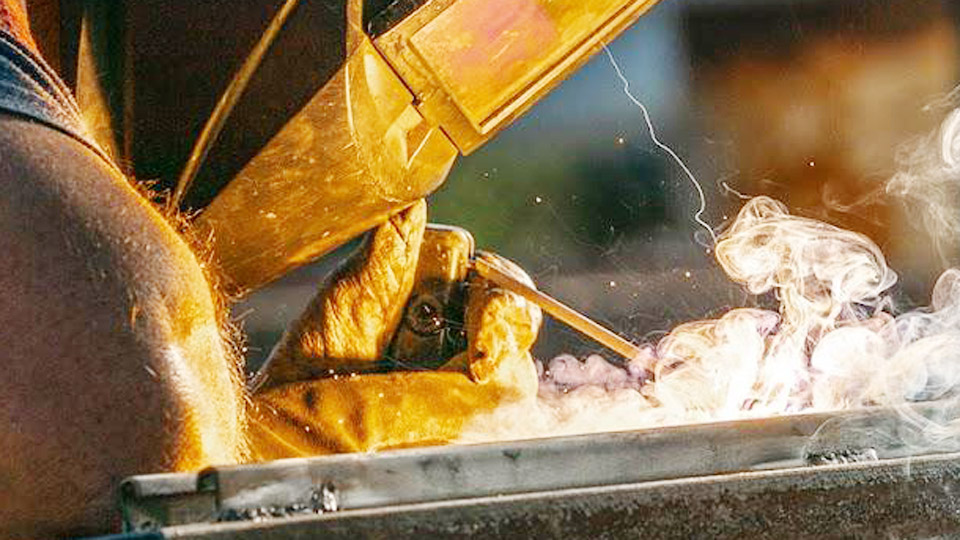
Image by openwa pressbooks pub
I’ll break down the science, share real stories, and give you practical tips to avoid this hazard. If you’re a weekend welder, a professional, or just curious, I’ll keep it simple and engaging so everyone can understand. My goal is to make sure you weld safely and confidently.
What Is Brake Cleaner?
First, let’s talk about brake cleaner. It’s a spray I’ve used countless times to clean greasy car parts, brake pads, and metal surfaces before welding. It’s awesome at cutting through oil, dirt, and grime, leaving a spotless surface. Most brake cleaners are made with chlorinated solvents like tetrachloroethylene or trichloroethylene. These chemicals evaporate fast and don’t leave residue, which is why they’re so popular.
Those chlorinated solvents are the problem. Some brake cleaners are “non-chlorinated,” using safer stuff like acetone or heptane, but you have to check the label. I always look at the can or the Safety Data Sheet to see what’s inside. If it mentions chlorinated solvents, it’s a red flag for welding.
What Is Arc Welding?
Arc welding is my go-to for a lot of projects. It uses an electric arc to create intense heat—up to 7,000°F—that melts metal to form a strong joint. The arc comes from an electrode, like a wire in MIG welding or a stick in stick welding. I’ve done MIG, TIG, and stick welding, and they all produce a bright ultraviolet (UV) light.
That UV light is key to this danger. It’s so strong it can burn your eyes or skin if you’re not wearing a helmet or gloves. I’ve felt the sting of “arc eye” before, and it’s no fun. But more importantly, this UV light can trigger a chemical reaction with brake cleaner, turning it into something deadly.
How Does Arc Welding Create Poison from Brake Cleaner?
When you spray brake cleaner on metal and then arc weld, the UV light from the arc can break down the chlorinated solvents in the cleaner. This reaction creates phosgene gas, a toxic chemical that can make you seriously sick or even kill you. I was shocked when I first learned about this—it’s like chemistry gone wrong in the shop.
The reaction happens because the UV light has enough energy to split the molecules in solvents like tetrachloroethylene. For example, the solvent breaks down into phosgene (COCl2) and other nasty byproducts. It’s fast, and the gas can form right where you’re welding.
Phosgene is heavier than air, so it hangs around your workspace, especially in tight or poorly ventilated areas. I’ve read warnings that even a tiny bit of residue can cause trouble if you weld over it.
What Is Phosgene Gas, and Why Is It So Dangerous?
Phosgene is bad news. It was used as a chemical weapon in World War I because it’s so toxic. I’ve never dealt with it myself, thank goodness, but I’ve studied what it does. Inhaling it can irritate your throat, eyes, and lungs right away. You might cough, feel dizzy, or get nauseous. But the worst part? Serious symptoms can show up hours later, like fluid in your lungs, which can be life-threatening.
Even low exposure can make you feel awful for days. I’ve heard it described as a sweet, musty smell, but by the time you notice it, you’re already breathing it in. The CDC says phosgene is used to make plastics and pesticides, but it’s deadly in gas form at room temperature. Knowing this makes me extra careful in my shop.
Real Stories: Welders Who Learned the Hard Way
I’ve come across some wild stories from welders who didn’t know about this risk. One guy was TIG welding a car part he’d cleaned with brake cleaner. He thought it was dry, but when he started welding, a puff of white smoke came up, and he felt lightheaded. He barely made it outside before collapsing.
Another welder I talked to got sick after welding a greasy engine block. He spent a day in bed with a pounding headache and shortness of breath.
These aren’t rare cases. I’ve heard similar tales from welders working on everything from motorcycle frames to heavy machinery. The common thread? They used brake cleaner, didn’t let it fully evaporate, or welded in a cramped space. These stories hit home for me—they’re a reminder that even experienced welders can make this mistake.
How Common Is This Risk?
You might be thinking, “Is this really a big deal?” From my experience, it’s more common than you’d think. Brake cleaner is a staple in auto shops, and welding often comes right after cleaning. I’ve seen cans of brake cleaner sitting on workbenches next to MIG welders, and it’s easy to grab one without thinking. Hobbyists, DIYers, and even pros can fall into this trap, especially if they’re in a rush or don’t know the danger.
The risk is higher in small shops or garages with poor ventilation. I’ve welded in tight spots—like under a car—and it’s easy to see how fumes could build up. Even a small amount of residue in a pitted or porous surface can release phosgene when you strike an arc. That’s why I’m so careful now.
Safety Steps to Avoid Phosgene Poisoning
Staying safe is all about smart choices. I’ve made it a rule to never use brake cleaner before welding. Here’s how I protect myself:
- Skip Brake Cleaner: Don’t use it on metal you plan to weld. It’s just not worth the risk.
- Read Labels: Check if the cleaner has chlorinated solvents. If it warns about welding or flames, put it back.
- Ventilate Well: Weld in an open area or use a fan to keep air moving. I open my garage doors and run a shop fan.
- Wait for Evaporation: If you use any solvent, let it dry for at least 30 minutes. Better yet, an hour with good airflow.
- Use a Respirator: A welding respirator with the right filters can help, but it’s not a cure-all for phosgene.
- Clean Mechanically: Use a wire brush or grinder to prep metal. It’s slower but safe.
I keep a wire brush and sandpaper in my toolbox for every welding job. It’s a habit that’s kept me safe so far.
Safer Alternatives to Brake Cleaner
If you need to clean metal before welding, there are plenty of options that won’t turn into poison. Here’s what I use:
- Acetone: It’s great for grease and evaporates fast. I wipe it on with a rag and wait until it’s gone.
- Isopropyl Alcohol: Good for light cleaning, but it’s slower to dry than acetone.
- Wire Brushing: A stainless steel brush scrubs off rust and dirt without chemicals. I use this most often.
- Grinding or Sanding: For tough grime, a flap disc on an angle grinder works wonders.
- Soap and Water: For mild dirt, warm soapy water and a rag can do the trick, followed by thorough drying.
I’ve used acetone to clean steel for a trailer frame, and it left a perfect surface for welding. Just make sure any liquid is completely dry before you start—wet surfaces can cause other welding issues.
Cleaning Methods for Safe Welding Prep
Here’s a table to compare cleaning options:
| Method | Contains Chlorinated Solvents | Safe for Welding? | Notes |
|---|---|---|---|
| Brake Cleaner (Chlorinated) | Yes | No | Can produce phosgene gas. Avoid completely. |
| Brake Cleaner (Non-Chlorinated) | No | Yes, with precautions | Ensure it’s fully dry; fumes can still irritate. |
| Acetone | No | Yes | Fast-drying, safe if evaporated. |
| Wire Brushing | No | Yes | Chemical-free, ideal for most prep work. |
| Grinding/Sanding | No | Yes | Removes tough grime, no chemical risks. |
Does the Type of Arc Welding Matter?
You might wonder if MIG, TIG, or stick welding makes a difference. I’ve used all three, and the risk is the same because they all produce UV light. MIG welding, with its continuous wire feed, might expose more surface area to residue, but TIG and stick are just as dangerous if brake cleaner is present. I’ve even heard of plasma cutting causing similar issues, though it’s less common.
The shielding gas—like argon or CO2—doesn’t stop the reaction either. The UV light is the culprit, not the gas or electrode. So, no matter what arc welding setup you’re using, the rule is the same: keep brake cleaner far away.
Ventilation: Your Best Friend
Good ventilation is a lifesaver. I weld in a garage with two big doors, and I always open them wide. If I’m in a tighter spot, I set up a box fan to pull fumes away. Phosgene is heavier than air, so it can pool near the floor or in confined spaces like car underbodies. A fan or exhaust system keeps the air moving and reduces the risk of breathing anything toxic.
If you’re welding indoors, consider a fume extractor. I’ve used one for big projects, and it makes a huge difference. It’s like having a vacuum for bad air. Even with ventilation, I never rely on it alone—avoiding brake cleaner is still the best defense.
What to Do If You’re Exposed
If you think you’ve breathed phosgene, don’t wait. Get to fresh air immediately. I’ve read that symptoms can start mild—coughing or a sore throat—but get worse fast. Call 911 or head to a hospital, and tell them you may have been exposed to phosgene from welding over brake cleaner. Quick action can make all the difference.
I keep a first aid kit and emergency numbers in my shop, just in case. It’s not about being paranoid—it’s about being ready. Luckily, I’ve never needed it for this, but I’ve had close calls with other welding fumes, so I take it seriously.
Teaching Others About This Risk
One of the best things I’ve done is warn other welders about this. I’ve told buddies at the shop, posted on welding forums, and even talked to my nephew who’s learning to weld. If you’re in a shop with multiple welders, make sure everyone knows not to use brake cleaner before welding. I’ve put up signs in my garage as a reminder: “No Brake Cleaner Near Welding!”
If you’re teaching someone to weld, bring this up early. It’s a simple rule that can prevent a tragedy. I’ve seen how fast accidents can happen, and spreading the word is part of keeping our community safe.
Why This Matters for Every Welder
This isn’t just for pros. If you’re a DIYer fixing a muffler in your driveway or a hobbyist building a metal sculpture, you’re at risk if you use brake cleaner and weld. It’s so common to grab a can of brake cleaner—it’s in every auto store—but that quick decision can lead to disaster. I’ve made it my mission to never let convenience outweigh safety.
The good news? This is 100% preventable. By choosing safer cleaning methods and being mindful, you can weld without worry. I’ve had years of great projects because I follow these rules, and I want the same for you.
Conclusion
So, can arc welding turn brake cleaner into poison? Absolutely, and it’s a risk no welder should take. The UV light from arc welding can turn chlorinated brake cleaner into phosgene gas, a toxic chemical that can make you sick or worse.
I’ve seen how easy it is to make this mistake, but I’ve also learned how to avoid it. Skip brake cleaner, use acetone or a wire brush, and weld in a well-ventilated space. These simple steps keep you safe and let you focus on creating awesome welds.
Welding is a craft I love, and with a bit of care, it’s one of the safest things you can do. Next time you’re prepping metal, think twice before reaching for that brake cleaner can. Grab a brush, take a deep breath of fresh air, and weld like a pro. If you ever need a reminder, just picture me in the shop, saying, “Stay safe out there!” Happy welding!
FAQs
Can I use brake cleaner if I wait for it to dry before welding?
It’s still risky. Even if it looks dry, tiny bits of cleaner can hide in cracks or rough surfaces. These can turn into phosgene when you weld. Use a wire brush or acetone instead.
What does phosgene gas smell like?
Some say it smells sweet and musty, like hay or mold. But don’t rely on smell—it’s toxic before you notice it. If you suspect exposure, get to fresh air and seek help.
Are non-chlorinated brake cleaners safe for welding?
They’re safer than chlorinated ones but can still produce harmful fumes when heated. Let them fully evaporate, use good ventilation, and consider mechanical cleaning instead.
Can a welding helmet or mask protect me from phosgene?
A helmet protects your eyes and face, but most don’t filter gases like phosgene. A respirator with the right filters can help, but avoiding brake cleaner is the best protection.
What’s the safest way to clean metal before welding?
Use a wire brush or sandpaper for rust and dirt. For grease, try acetone or isopropyl alcohol, and make sure it’s completely dry before welding.
How do I know if I’ve been exposed to phosgene?
Symptoms include coughing, sore throat, dizziness, nausea, or trouble breathing. They may start hours after exposure. If you feel off after welding, get to fresh air and call a doctor.
Does this risk apply to all types of welding?
Arc welding (MIG, TIG, stick) is the biggest concern because of the UV light. Other methods like oxy-acetylene can produce fumes from solvents, so avoid brake cleaner with any welding.


