When I first thought about getting into welding, one of the first questions I had was, “How much does a new welder make per hour?” I didn’t have any experience back then. I didn’t even own a welding hood.
I was eager to learn, and I wanted to know if this career could support me, even at the starting line. If you’re like me and you’re just stepping into the world of welding, you’re probably wondering the same thing.
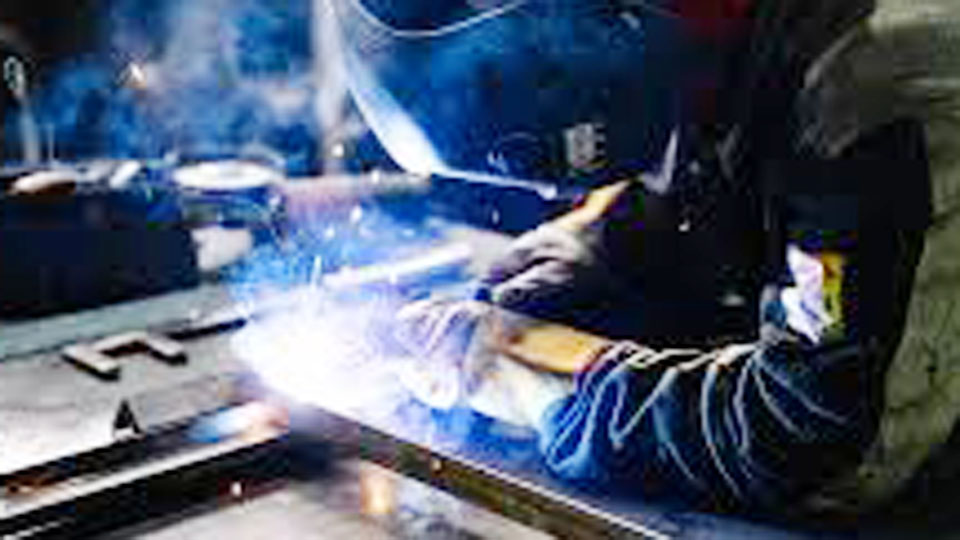
Image by serviceseeking
Let me walk you through everything I’ve learned about the average hourly wage for welders with no prior experience. I’ll explain what you can expect, what factors play into that starting pay, and how you can increase it over time.
If you’re in high school thinking about your future, or you’re switching careers in your 30s, this article is for you. I’ll keep things simple, straight to the point, and completely real.
What Can You Expect as a Beginner Welder?
If you’re new to welding and have zero experience, your starting wage will vary depending on where you live, the company you work for, and the type of welding you’ll be doing.
Generally speaking, in the United States, the average hourly wage for a welder with no experience is between $15 and $20 per hour.
That might sound like a wide range, and that’s because a lot of things can affect it—things like the cost of living in your state, demand for welders in your area, and what kind of work you’re doing.
Here’s a breakdown of starting hourly wages by region:
| Region | Starting Hourly Wage Range |
|---|---|
| Southern States | $14 – $18 |
| Midwest States | $15 – $20 |
| Western States | $16 – $22 |
| Northeast States | $17 – $23 |
As you can see, the pay is generally a little higher in places where the cost of living is higher. But don’t let that discourage you—experience and training can raise your pay quickly no matter where you start.
Why Does Experience Matter in Welding?
Experience is a big deal in welding. In fact, it’s one of the biggest factors that determine how much you’ll earn. Welding is a skill that takes practice, and employers know that someone with experience is more likely to work faster, make fewer mistakes, and follow safety standards better.
When you’re just starting out, you might be hired as a welding helper, apprentice, or entry-level welder. You’ll likely be doing basic tasks like tacking, grinding, or setting up equipment under the supervision of someone more experienced. And honestly, that’s a good thing—it’s how you learn.
Even though you might start off earning a little less, most welders get a pay bump within the first year if they show reliability and improvement. Some companies even offer performance-based raises every few months.
Different Types of Welding Jobs and Starting Pay
Welding isn’t just one job. There are many different types of welding work, and the kind you do will affect how much you make. Some welding jobs are simple and easy to learn, while others require training or certification.
Let’s look at some of the common entry-level welding jobs and what you can expect to earn per hour:
| Welding Job Type | Average Starting Pay | Details |
|---|---|---|
| MIG Welder | $15 – $18/hr | Common in factories and manufacturing |
| TIG Welder (Entry Level) | $16 – $20/hr | More precise, often in aerospace or food industries |
| Stick Welder | $15 – $19/hr | Used in construction and outdoor work |
| Welding Apprentice | $14 – $17/hr | Learning phase, includes training |
| Welding Helper/Laborer | $13 – $16/hr | Support role, minimal welding at first |
If you’re working on basic assembly line welding, your pay might start a little lower. If you’re learning TIG or working on construction sites, it might be higher. It really depends on the company and industry.
How Location Affects Your Starting Wage
Where you live has a huge impact on how much you’ll make. Some states have a high demand for welders due to manufacturing plants, shipyards, or infrastructure projects. Others might not have as many welding jobs available, which can drive wages down.
Here are some states where entry-level welders tend to earn more:
- Alaska – High pay due to remote job sites and difficult conditions
- California – Cost of living is high, so wages follow
- Texas – Large oil and construction industries mean lots of welding jobs
- Illinois – Manufacturing jobs are common in the Midwest
- New York – Urban areas have strong demand but also require union standards
If you’re open to relocating, you could start off at a higher wage just by choosing the right place. But if you’d rather stay local, don’t worry—you can still earn well with time and experience.
Do You Need Certifications to Get Paid More?
You don’t need certifications to get your first welding job, but having them can really help. Some companies will hire and train you without any formal background. If you take a short welding course or pass a basic certification, you could start out with more responsibilities and better pay.
Some helpful beginner certifications include:
- AWS D1.1 – Structural welding (very common)
- AWS GMAW – MIG welding
- AWS GTAW – TIG welding
You can often get these through a trade school or community college program. Some employers will even pay for your training if you prove you’re serious about sticking around.
In my case, I took a six-month course at a local community college. I left with a certification in MIG and stick welding and started out at $18 an hour instead of $15. That little boost made a big difference.
Apprenticeships: Learn While You Earn
If you’re not in a hurry, I highly recommend looking into welding apprenticeships. These are structured programs where you learn on the job under a certified welder. You’ll usually start at a lower wage—maybe $14 or $15 an hour—but every few months, your pay increases.
The end of the apprenticeship, which usually lasts 2–4 years, you’ll be a journeyman welder making full wages. In many places, that’s around $25 to $35 per hour, sometimes more.
Plus, you won’t have student loans. That’s a huge bonus.
Union vs Non-Union Welding Jobs
Another thing that can affect your starting wage is whether you work a union job or not. Union jobs often pay more and offer better benefits, even for beginners. However, it might be harder to get in if you don’t already know someone or have training.
Non-union jobs might pay a bit less to start, but they can still offer solid work and a path for advancement. I started in a non-union shop and still worked my way up through raises and training.
Both paths are valid. It just depends on what opportunities are available in your area.
Can You Make a Living Wage as a Beginner Welder?
Yes, you definitely can. Even if you start at $15 per hour, that’s about $600 per week before taxes if you’re working 40 hours.
That adds up to over $30,000 per year. And within a year or two, you could be earning $20 or more per hour, which puts you around $40,000+ annually.
If you’re working overtime or traveling for jobs, you can earn even more. Some welders make $60,000 in their second or third year, especially if they’re open to long hours or weekend work.
It’s a career where your income grows fast if you’re willing to learn and put in the effort.
How to Increase Your Wage Faster
If you’re like me, you want to move up quickly. Here are a few tips that helped me raise my pay in less than a year:
- Show up early – Punctuality shows reliability
- Ask questions – It proves you care about doing it right
- Practice outside of work – Set up a home welding area if you can
- Take on tough jobs – Don’t be afraid of harder tasks
- Learn multiple welding methods – The more you know, the more valuable you become
Trust me, employers notice these things. I went from entry-level to lead welder in 18 months just by staying consistent and asking to learn more.
Real-World Example: My First Welding Job
I started in a fabrication shop doing MIG welding on mild steel parts. My starting pay was $16.50 per hour. I had taken a short welding class, but I had no real-world experience.
The first few weeks were all about learning. I messed up a lot. I also showed up every day, stayed late when needed, and kept asking questions.
After three months, I got bumped up to $18/hour. Six months later, I moved to TIG welding stainless and got another raise to $20/hour.
So yes, you might start low, but it won’t stay that way if you take it seriously.
Conclusion
Welding is one of those jobs where your starting pay may not be sky-high, but it grows fast if you stay committed.
If you’re asking, “What is the average hourly wage for a welder with no prior experience?” the honest answer is somewhere between $15 and $20 per hour. But that’s just the beginning.
With a little training, a good attitude, and some patience, you can boost your pay, learn new techniques, and build a solid career. Welding is a trade that pays you for your hands and your head—and you don’t need a fancy degree to make it work.
If you’re sitting there wondering whether to give it a shot, I say go for it. The demand is strong, the work is rewarding, and the path to success is wide open for anyone who’s willing to learn.
FAQs
What’s the highest paying welding job for beginners?
Pipeline or industrial construction jobs often pay more, even for beginners, but they may require travel or union membership.
Do you need a degree to become a welder?
No, a degree isn’t required. Most entry-level jobs only need basic training or a certification from a trade school.
How long does it take to start making good money as a welder?
You can see noticeable pay increases within 6–12 months if you’re consistent and willing to learn.
Can I get a welding job with no experience?
Yes, many shops will hire you as a helper or apprentice and train you on the job.
Is welding a physically demanding job?
It can be. Welding often involves standing, bending, and working in tight spaces, but it’s manageable if you stay active and safe.
Are there benefits like health insurance for beginner welders?
Yes, many companies offer health benefits even to entry-level welders, especially full-time positions or union jobs.