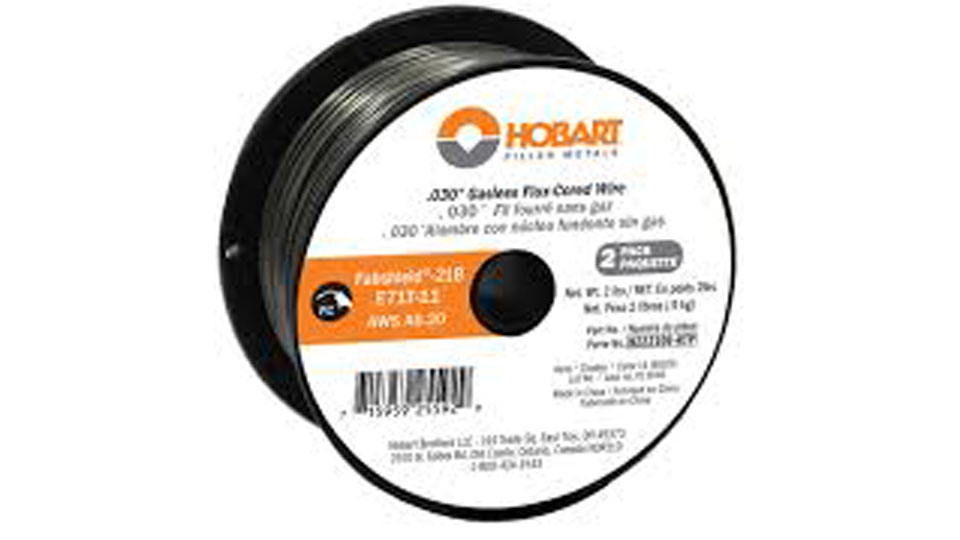
When tackling messy auto body repair projects, having the right welder is just as important as knowing the best cleaning tips for your home. Many DIYers and professionals ask, “What’s the best flux core welder for auto body repair?” because they want a tool that delivers strong welds without leaving behind excessive spatter that’s tough to clean.
A quality flux core welder makes repairs smoother, ensures a cleaner finish, and reduces the need for heavy grinding—keeping your workspace more manageable and easier to maintain. In this guide, we’ll explore the top-rated options, compare features, and share practical maintenance tips so you can keep both your projects and your garage as spotless and efficient as possible.

Why Flux Core Welding for Auto Body Work?
Let’s start with why flux core welding is such a solid choice for auto body repair. Unlike MIG welding, which needs a shielding gas, flux core welders use a wire with a flux-filled core that creates its own shielding as it burns. This makes it ideal for outdoor work or in garages where wind might mess with gas flow. It’s also more forgiving on less-than-perfect surfaces, like rusty fenders or painted panels, which you’ll encounter often in auto restoration.
For DIY welders and hobbyists, flux core machines are typically cheaper and easier to set up. Pros love them for their portability and ability to weld thin metals (think 24-gauge sheet metal) without excessive heat distortion. Students and industry workers will appreciate the versatility—flux core welders can handle everything from patching panels to frame repairs. But the wrong machine or settings can lead to burn-through or messy welds, so choosing the right one matters.
Top Flux Core Welders for Auto Body Repair
After testing several models and digging into user feedback, I’ve narrowed down the best flux core welders for auto body work. These machines balance power, precision, and affordability, making them perfect for DIYers, pros, and students alike. Below, I’ll break down each one, sharing what I love, what’s tricky, and how they perform in the shop.
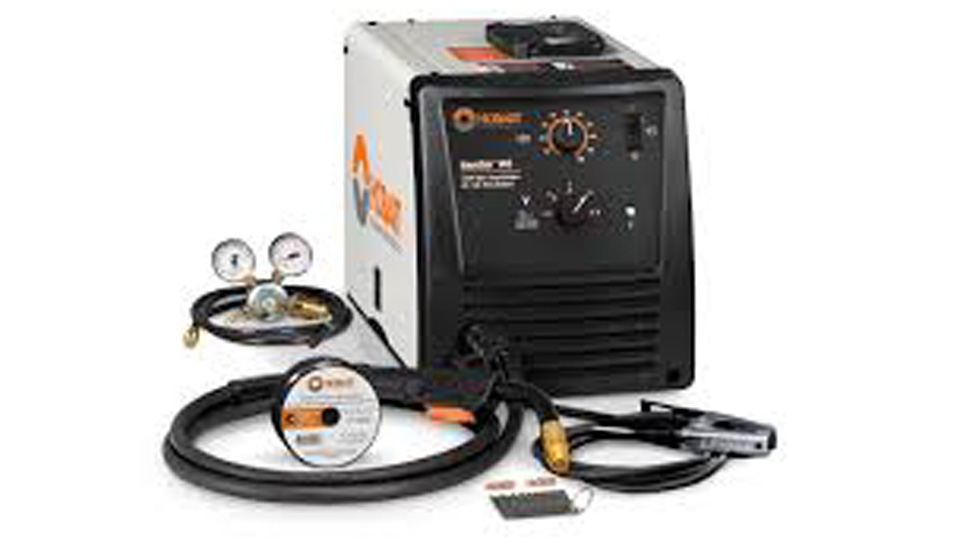
Hobart Handler 140
What It Is and Who It’s For
The Hobart Handler 140 is a versatile, compact welder that’s a favorite among DIYers and small shop owners. It’s a 110V/220V machine that supports both flux core and MIG welding, making it a great choice for auto body repair and light fabrication. If you’re a hobbyist restoring a classic car or a pro needing a reliable machine for thin sheet metal, this one’s a solid pick.
Key Features and Real-World Benefits
- Amperage Range: 25–140 amps, perfect for welding 24-gauge to 1/4-inch steel.
- Dual Voltage: Runs on 110V or 220V, so you can use it in your garage or a professional shop.
- Portability: At 57 pounds, it’s heavier than some, but still manageable for moving around.
- MIG Capability: Comes with a gas regulator, so you can switch to MIG for cleaner welds if needed.
- Warranty: A 5/3/1 warranty (5 years on transformers, 3 on electronics, 1 on guns) is one of the best in the industry.
In my shop, the Handler 140 shines for its arc stability. I’ve used it to weld patch panels on a ’67 Mustang, and the infinite voltage and wire speed controls let me dial in settings to avoid burn-through. It’s not the lightest, but the build quality feels like it’ll last years.
Pros
- Smooth, consistent arc for clean welds.
- Versatile for both flux core and MIG.
- Excellent warranty for peace of mind.
- Easy to set up, even for beginners.
Cons
- The welding chart on the machine isn’t always accurate—trust your test welds.
- Ground clamp could be sturdier; I upgraded mine.
- Heavier than some entry-level models.
Setup and Performance Tips
Set the Handler 140 to 30–40 amps with a wire speed of 100–120 IPM for 24-gauge sheet metal using 0.030-inch flux core wire. Practice stitch welding (short, intermittent welds) to minimize heat buildup. I learned the hard way that rushing leads to warping, so take your time and let the metal cool between welds. Clean the surface thoroughly with a wire brush to reduce spatter.
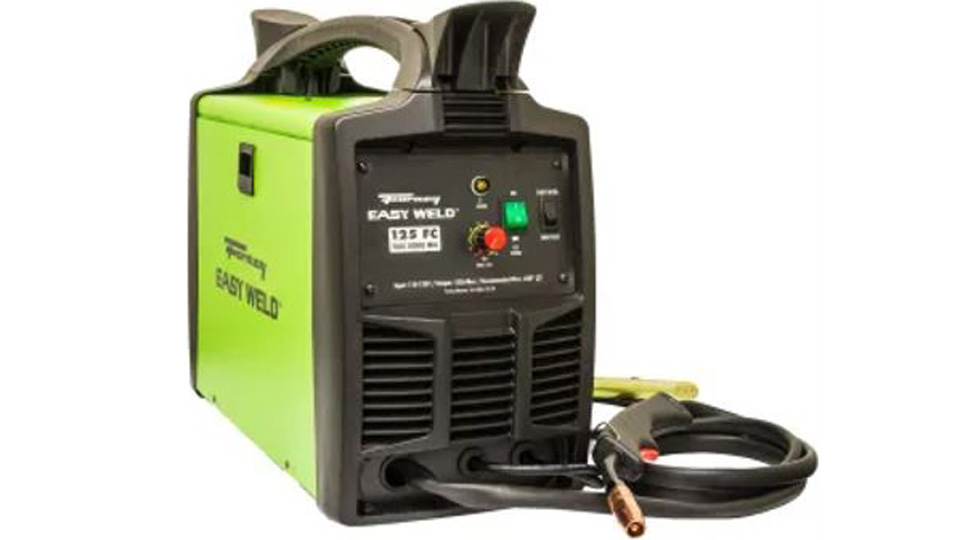
Forney Easy Weld 125 FC
What It Is and Who It’s For
The Forney Easy Weld 125 FC is a budget-friendly, 120V flux core welder designed for beginners and DIYers. It’s lightweight and simple, making it ideal for small auto body projects like patching fenders or floor pans. Students and hobbyists on a tight budget will find this machine approachable.
Key Features and Real-World Benefits
- Amperage: Up to 125 amps, suitable for 24-gauge to 1/4-inch steel.
- Weight: Only 19 pounds, super portable for home garages.
- Wire Compatibility: Handles 0.030-inch and 0.035-inch flux core wire.
- Ease of Use: Minimal setup—plug it in, adjust settings, and weld.
I used the Forney for a quick repair on a friend’s truck bed, and it was a breeze to carry to the job site. The welds aren’t as pristine as a Hobart, but for the price, it gets the job done on thin metals. It’s a great starter machine for learning flux core welding.
Pros
- Affordable for beginners or hobbyists.
- Lightweight and easy to move.
- Simple controls for quick learning.
Cons
- Limited to flux core (no MIG option).
- Short leads can restrict movement.
- Only a 1-year warranty.
Setup and Performance Tips
Use 0.030-inch wire and start with low settings (around 30 amps, wire speed at 3–4) for auto body panels. Practice on scrap metal to get a feel for the arc, as the Forney can be finicky with thin materials. Keep your stickout (wire extending from the gun) at about 3/4 inch to maintain a stable arc.
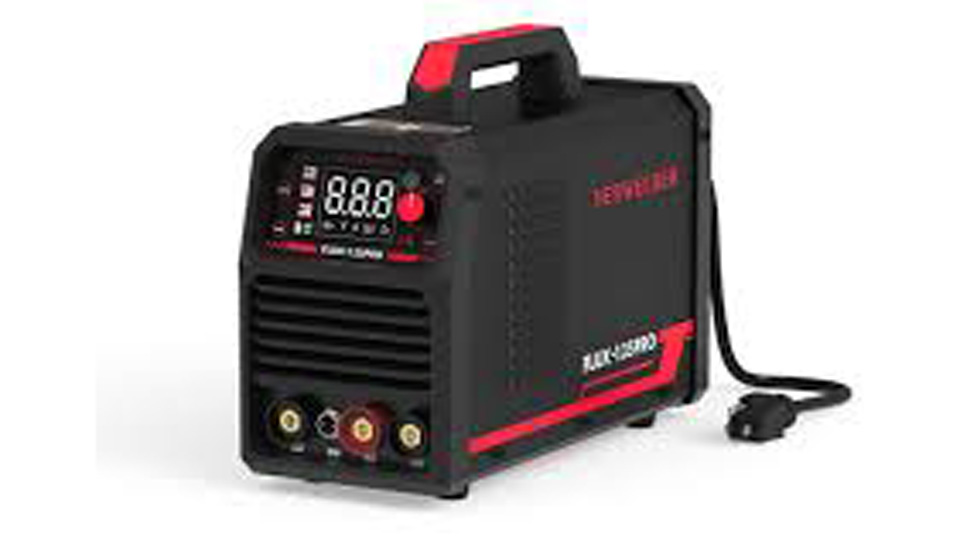
YesWelder Flux-135
What It Is and Who It’s For
The YesWelder Flux-135 is a compact, multi-process welder that handles flux core, stick, and lift TIG welding. It’s a fantastic choice for DIYers and small shop owners who want versatility without a huge price tag. Pros tackling varied projects will appreciate its flexibility.
Key Features and Real-World Benefits
- Amperage: 20–135 amps, great for thin sheet metal and light fabrication.
- Multi-Process: Supports flux core, stick, and TIG, so you can grow with it.
- Portability: Weighs just 13 pounds, one of the lightest options.
- Synergic Control: Automatically adjusts wire speed based on voltage, simplifying setup.
I tested the Flux-135 on a rusty car door panel, and the synergic control made it easy to dial in settings without endless tweaking. It’s not as powerful as the Hobart, but for small shops or mobile repairs, it’s a champ.
Pros
- Lightweight and portable.
- Multi-process for future-proofing.
- Synergic settings reduce guesswork.
- Good customer support and warranty.
Cons
- Not ideal for heavy-duty industrial use.
- TIG performance is basic—stick to flux core for auto body.
- Duty cycle (20% at 135 amps) limits long welds.
Setup and Performance Tips
For auto body work, use 0.030-inch wire and set the voltage low (around 15–17V). The synergic mode is a lifesaver for beginners, but double-check settings on scrap metal. I found that tilting the gun slightly toward the thicker metal in lap joints helps avoid blowouts.
Comparison of Top Flux Core Welders
Here’s a side-by-side look at the Hobart Handler 140, Forney Easy Weld 125 FC, and YesWelder Flux-135 to help you compare key specs and features.
| Feature | Hobart Handler 140 | Forney Easy Weld 125 FC | YesWelder Flux-135 |
|---|---|---|---|
| Amperage Range | 25–140 amps | Up to 125 amps | 20–135 amps |
| Voltage | 110V/220V (dual) | 120V | 110V |
| Weight | 57 lbs | 19 lbs | 13 lbs |
| Welding Processes | Flux Core, MIG | Flux Core only | Flux Core, Stick, Lift TIG |
| Wire Sizes | 0.030–0.035 inch | 0.030–0.035 inch | 0.030–0.035 inch |
| Duty Cycle | 20% at 90 amps | 20% at 80 amps | 20% at 135 amps |
| Warranty | 5/3/1 years | 1 year | 1 year |
| Best For | Pros, hobbyists, versatile projects | Beginners, budget-conscious DIYers | DIYers, small shops, multi-process needs |
| Pros | Smooth arc, durable, MIG option | Affordable, lightweight, easy to use | Synergic control, multi-process, portable |
| Cons | Heavier, pricier | No MIG, short leads | Limited duty cycle, basic TIG |
| Price (Amazon) | ~$550 | ~$200 | ~$250 |
Buyer’s Guide: Choosing the Best Flux Core Welder for Auto Body Repair
Picking the right welder comes down to understanding your needs and shop setup. Here’s what to consider before hitting “Add to Cart” on Amazon.
Power and Amperage
Auto body work typically involves thin metals (24–18 gauge), so a welder with 20–140 amps is ideal. Higher amps (up to 200) are great for versatility but overkill for sheet metal. For most repairs, 30–60 amps with fine-tuned wire speed prevents burn-through. If you’re working on thicker frames, look for a dual-voltage machine like the Hobart Handler 140.
Wire Size and Compatibility
Use 0.030-inch or 0.023-inch flux core wire for auto body panels. Thinner wire offers better control on sheet metal. Check that the welder supports multiple wire sizes and mild steel (most common for auto body). For stainless steel repairs, ensure compatibility with wires like ARCCAPTAIN E308LFC-O.
Portability
If you’re moving between job sites or working in tight spaces, a lightweight machine (under 20 pounds) like the YesWelder Flux-135 is a lifesaver. Heavier models like the Hobart are better for stationary shop use.
Safety Features
Look for thermal overload protection to prevent overheating and a sturdy ground clamp for a solid circuit. Always wear a welding helmet (auto-darkening for ease), gloves, and a flame-resistant jacket. Flux core welding produces more fumes, so ensure good ventilation.
Brand Reputation and Warranty
Stick with trusted brands like Hobart, Forney, or YesWelder for reliable performance and support. A longer warranty (like Hobart’s 5/3/1) is a sign of durability. Check Amazon reviews for real user experiences, but don’t be swayed by one-off complaints—focus on patterns.
Budget
Entry-level welders start at $150–$250 (Forney, YesWelder), while premium models like the Hobart run $500+. Factor in consumables (wire, tips) and safety gear, which can add $100–$200 to your setup cost.
Step-by-Step Usage Tips for Flux Core Welding
Here’s how to set up and use your flux core welder for auto body repair, based on my shop experience.
Prepare the Surface: Clean the metal with a wire brush or grinder to remove rust, paint, or grease. A clean surface reduces spatter and ensures strong welds.
Choose the Right Wire: Use 0.030-inch flux core wire (like PGN E71T-11) for thin panels. Check polarity—most flux core wires run on DCEN (electrode negative).
Set Up the Welder: Adjust voltage and wire speed based on metal thickness. For 24-gauge steel, start at 30–40 amps and 100–120 IPM. Test on scrap metal first.
Practice Stitch Welding: Use short, 1–2-second welds, letting the metal cool between each to avoid warping. Aim for a 5–15-degree gun angle for better control.
Maintain Stickout: Keep the wire stickout at 3/4 inch for a stable arc. Too long, and you’ll get spatter; too short, and the arc may stutter.
Clean Up: Grind down spatter and slag for a smooth finish. Use a flap disc for thin metals to avoid over-grinding.
Shop Hack: For lap joints, clamp the panels tightly to avoid gaps, which can cause burn-through. I use small C-clamps or panel clamps from Harbor Freight to keep everything snug.
Common Mistakes and Fixes
- Burn-Through: Lower the voltage and use thinner wire (0.023-inch). Move faster and use stitch welds.
- Excessive Spatter: Check polarity (DCEN for most flux core wires) and clean the metal thoroughly. Adjust wire speed slightly lower.
- Warping: Spread welds out and use a water-soaked rag to cool the metal between welds.
- Weak Welds: Ensure a solid ground connection and clean the surface. Increase amperage slightly if penetration is poor.
Recommended Accessories and Consumables
To get the most out of your welder, grab these essentials on Amazon:
- Welding Helmet: YESWELDER Auto-Darkening Helmet (~$60) for clear vision and safety.
- Flux Core Wire: PGN E71T-11 0.030-inch (~$20 for 2 lbs) for clean welds on mild steel.
- Welding Gloves: Lincoln Electric Grain Leather Gloves (~$25) for heat resistance.
- Contact Tips: Hobart Replacement Tips (~$10 for a 5-pack) to keep your gun in top shape.
- Grinder: DEWALT 4.5-Inch Angle Grinder (~$80) for surface prep and cleanup.
Conclusion
Choosing the best flux core welder for auto body repair comes down to your needs, budget, and skill level. The Hobart Handler 140 is my top pick for its versatility, durability, and smooth arc, making it ideal for pros and serious hobbyists. For beginners or those on a budget, the Forney Easy Weld 125 FC offers simplicity and portability.
The YesWelder Flux-135 is a great middle ground for DIYers wanting multi-process flexibility. Each machine has its strengths, and by matching your welder to your projects—whether patching a fender or rebuilding a frame—you’ll get clean, strong welds every time.
With this guide, you’re ready to pick a welder that fits your shop and skills. Test your settings, practice on scrap, and don’t rush the process. Always keep a spare spool of wire and extra contact tips in your shop—you’ll thank yourself when you’re mid-project and a tip clogs.
FAQ
What’s the best flux core wire for auto body repair?
For auto body work, use 0.030-inch or 0.023-inch E71T-11 wire, like PGN or ARCCAPTAIN. These offer good control and minimal spatter on thin sheet metal.
Can I use a flux core welder for aluminum?
No, flux core welding is best for steel. For aluminum, you’ll need a MIG welder with spool gun. Stick to steel panels for flux core.
How do I avoid burn-through on thin sheet metal?
Use low amps (30–40), 0.030-inch wire, and stitch welding. Practice on scrap and keep the metal cool with a damp rag between welds.
Is flux core welding safe for auto body structural repairs?
Yes, when done correctly with proper settings and wire. Ensure strong penetration and clean joints, but consult a pro for critical structural work.
What’s the difference between flux core and MIG for auto body?
Flux core doesn’t need shielding gas, making it cheaper and better for outdoor use. MIG is cleaner but requires a gas bottle and is less wind-tolerant.