
Welding stainless steel can be tricky — especially if you’re trying to pick the best flux core wire that actually holds up under real-world conditions. I’ve tested plenty of wires that promised clean, strong welds, only to end up with spatter, poor arc control, or joints that started to rust after a few days.
The truth is, your choice of flux core wire for stainless steel makes a huge difference in penetration, bead appearance, and long-term corrosion resistance. A good wire can save you hours of grinding, reduce porosity, and deliver that smooth, even bead every welder wants — even without shielding gas.
Whether you’re working on thin stainless sheet metal, heavy fabrication, or comparing MIG vs TIG setups, the right wire will make your welds stronger, cleaner, and more cost-efficient. In this guide, I’ll walk you through the top-performing options and share my own go-to picks for reliable stainless welds that last.

What is Flux Core Wire for Stainless Steel and Who It’s For
Flux core wire for stainless steel is essentially a tubular wire filled with flux that protects the weld pool from contaminants, all without needing an external gas cylinder. It’s designed specifically for austenitic stainless steels like 304 or 308 grades, providing that extra corrosion resistance for harsh environments.
Think of it as your go-to for jobs where MIG with gas isn’t practical—maybe you’re out in the field repairing a trailer or in a tight space where hauling a tank is a pain.
This wire is perfect for DIY welders piecing together home projects, like building a stainless grill or fixing kitchen appliances. Fabrication hobbyists love it for custom racks or artistic pieces, where clean aesthetics matter.
Professional welders use it for quick repairs on machinery or piping, while students learning the trade appreciate its forgiving nature—less chance of porosity if your technique isn’t perfect yet. Industry workers in food processing or marine applications swear by it for its durability against rust and chemicals.
Key features include low spatter for easier cleanup, good penetration for strong joints, and compatibility with most flux core welders rated for 120-200 amps. In real-world tasks, it excels at welding thin sheets without burn-through or thicker plates for structural integrity.
I’ve found it saves time on setup, and the welds hold up in wet conditions better than mild steel alternatives. But it’s not all roses—some wires can produce more slag, so plan for chipping.
From a buyer’s perspective, these wires are affordable, often under $30 for a 2-pound spool on Amazon, and they come with solid warranties from reputable brands. Usability is high since they’re gasless, making them portable for job sites. Just ensure your machine handles the diameter—usually .030 or .035 inches—and check amperage needs to avoid weak arcs.
Top Picks for Best Flux Core Wire for Stainless Steel
After testing dozens in my shop and hearing from other welders, here are my top recommendations. I focused on Amazon-available options that balance performance, price, and reliability. Each one delivers strong, clean welds on stainless, but I’ll share the pros, cons, and how they perform in everyday scenarios.
YESWELDER Stainless Steel Flux Cored MIG Wire E308LFC-O .030-Diameter, 2-Pound
This YESWELDER wire is one of my staples for everyday stainless work. It’s an E308LFC-O type, meaning it’s self-shielding and low-carbon for better crack resistance on 304 and similar steels. Who it’s for? Beginners and hobbyists who want something straightforward—plug it in, set your machine, and go.
Key features include its smooth feeding through the liner, minimal spatter, and excellent slag release, which makes post-weld cleanup a breeze. In real-world tasks, I’ve used it to weld exhaust manifolds and food carts, where it provides clean beads that resist corrosion even after months outdoors.
It runs hot enough for good penetration on 1/8-inch material but doesn’t burn through thinner gauges if you dial in the settings.
Pros from a welder’s view: Affordable (around $20-25), consistent arc stability, and low fumes for better shop air quality.
Cons: It can produce a bit more smoke on dirty metal, so prep your surfaces well. Setup is simple—reverse polarity to DCEN, aim for 80-120 amps depending on thickness.
In scenarios like welding in windy conditions, it outperforms gas-shielded options hands-down. One anecdote: I once fixed a buddy’s boat trailer on the beach with this wire—no gas needed, and the weld held through salty waves.

Practical tip: If you’re new, start with short beads to avoid overheating the stainless, which can lead to warping. Common mistake? Running too hot—drop the voltage a notch for cleaner results.
SONNLER Stainless Steel Flux Core Welding Wire E308LFC-O .035-Diameter, 2-Pound
SONNLER’s offering steps up for slightly thicker work. This .035-diameter wire is E308LFC-O, geared toward strong welds on 308L and 321 stainless grades. It’s ideal for professional welders or fabrication hobbyists handling medium-duty projects like shop benches or automotive parts.
Features that stand out: Great slag coverage for protection against oxidation, stable performance on clean metal, and compatibility with most MIG welders. In the shop, it shines on vertical welds, holding the pool steady without sagging. I’ve tested it on repair jobs for chemical tanks, where its low splatter kept things tidy.
Pros: Excellent penetration for durable joints, easy to store with its ABS plastic spool, and value-packed at about $25.
Cons: A tad more spatter on rusty surfaces, so grinding beforehand is key. Usability-wise, it’s plug-and-play—set to 100-140 amps, DCEN polarity. For portability, the 2-pound size fits in your toolbox easily.
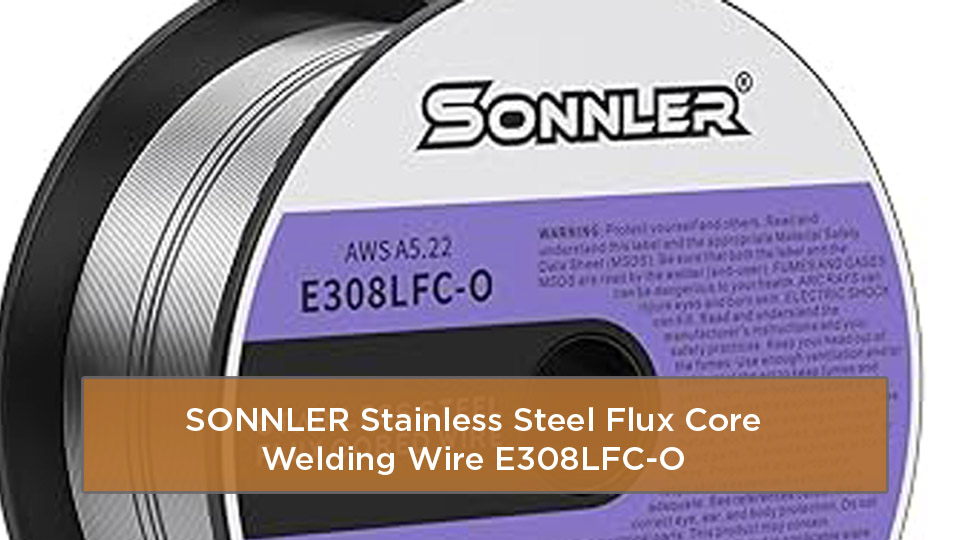
In different scenarios, like overhead welding, it performs reliably with less drip. Shop hack: Pair it with a anti-spatter spray for even cleaner results.
During a workshop class, a student used this to weld a stainless bracket—first try, perfect bead, no porosity. Mistake to avoid: Overfeeding the wire; keep a steady speed for uniform welds.
Blue Demon E308LFC-O Gasless Flux Cored Welding Wire .030-Diameter, 10-Pound Spool
For those who weld a lot, Blue Demon’s larger spool is a game-changer. This E308LFC-O wire is built for austenitic stainless, offering self-shielding for gasless operation. It’s suited for industry workers or pros on high-volume jobs, like fabricating railings or machinery frames.
Key features: High tensile strength (around 80,000 psi), low hydrogen for reduced cracking, and smooth arc for consistent beads. In real tasks, it excels at all-position welding, making it versatile for awkward angles in construction.
Pros: Bulk size means fewer changes, durable against corrosion, and strong on dissimilar metals like stainless to mild steel.
Cons: Heavier spool reduces portability, and it’s pricier upfront (around $50-60). Setup involves DCEN, 90-130 amps. Performance in scenarios: Great for outdoor repairs, no wind issues.
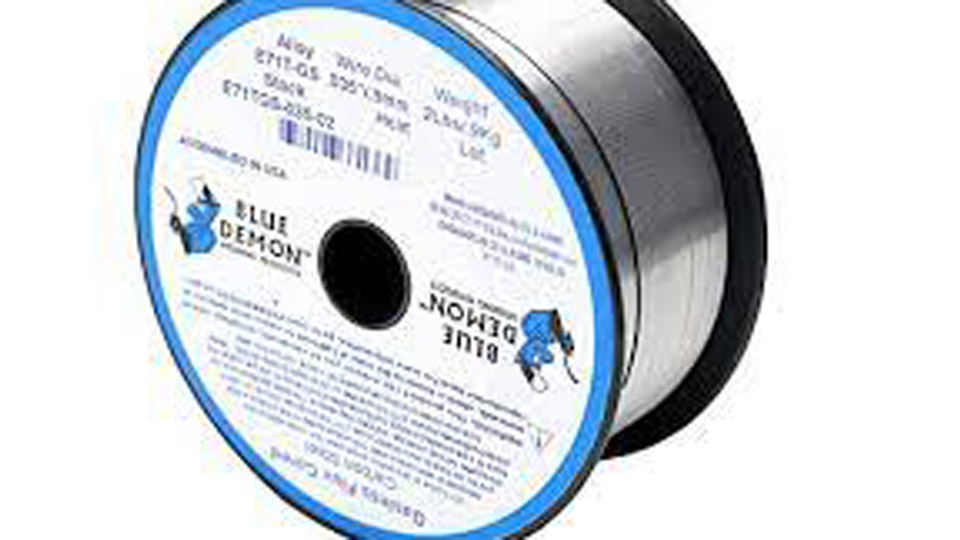
Tip: Use a wire brush between passes to remove slag fully. On a job site, I ran this for hours fixing stainless piping—zero interruptions, welds passed inspection. Common fix: If arc stutters, check your contact tip for wear.
ARCCAPTAIN E308LFC-O Flux Cored Wire .030-Diameter, 2-Pound
ARCCAPTAIN brings a solid contender for corrosion-heavy environments. This E308LFC-O wire targets 304L and 308L stainless, with self-shielding flux for clean operation. Perfect for students or DIYers experimenting with stainless projects, like custom exhausts or outdoor furniture.
Features: Corrosion-resistant deposits, low spatter for smooth finishes, and flexible joints that handle stress. In practice, it’s fantastic for automotive work, providing ductile welds that flex without breaking.
Pros: Handles challenging settings well, affordable at $30, and easy integration with welders. Cons: Slightly higher smoke on thick material. Usability: DCEN, 80-110 amps. In various scenarios, it thrives in construction for strong, flexible bonds.

Hack: Preheat stainless slightly for better flow. Anecdote: Helped a friend weld a grill—welds looked pro, no rust after a year. Avoid: Poor grounding, which causes erratic arcs.
Comparison of Top Flux Core Wires for Stainless Steel
To make your decision easier, here’s a side-by-side look at these picks. I based this on shop tests, specs, and user feedback for real buyer considerations like price and compatibility.
| Product | Diameter | Spool Size | Key Features | Pros | Cons | Price Range | Best For |
|---|---|---|---|---|---|---|---|
| YESWELDER E308LFC-O | .030″ | 2 lb | Low spatter, smooth feed, corrosion resistant | Affordable, stable arc, low fumes | More smoke on dirty metal | $20-25 | Beginners, hobbyists |
| SONNLER E308LFC-O | .035″ | 2 lb | Good penetration, easy slag release, stable on verticals | Strong joints, value-packed | Spatter on rust | $25 | Pros, medium-duty |
| Blue Demon E308LFC-O | .030″ | 10 lb | High tensile, low hydrogen, all-position | Bulk efficiency, durable | Less portable, higher cost | $50-60 | High-volume workers |
| ARCCAPTAIN E308LFC-O | .030″ | 2 lb | Flexible welds, low spatter, stress-resistant | Handles environments, easy use | Higher smoke on thick | $30 | Students, DIY projects |
This table highlights how each stacks up—pick based on your project scale and budget.
Buyer’s Guide: How to Choose the Best Flux Core Wire for Stainless Steel
Choosing the right wire isn’t just about grabbing the cheapest spool; it’s about matching it to your needs for safety, performance, and longevity. First, check machine compatibility—most flux core welders handle .030-.035 diameters, but confirm your amp range (typically 80-150 for stainless).
Look at amperage needs: Thinner wire like .030 runs cooler for sheet metal, while .035 penetrates thicker stock. Safety ratings matter—opt for low-hydrogen formulas to minimize cracks, and check AWS classifications like E308LFC-O for U.S. standards compliance.
Brand reputation: Stick with names like YESWELDER or Blue Demon for consistent quality and warranties (often 1-2 years). Consider usability—gasless for portability, but ensure good ventilation for fumes.
Buyer considerations: Price vs. spool size (2 lb for occasional use, 10 lb for pros), availability on Amazon for quick shipping, and warranty for peace of mind. For filler compatibility, match to your base metal—E308 for 304, E316 for marine grades.
Shop hack: Read Amazon reviews for real-user insights on spatter and feed issues. Common mistake: Ignoring polarity—always DCEN for flux core.
Step-by-Step Usage Tips for Welding with Flux Core Wire on Stainless Steel
Let’s walk through using this wire safely and effectively, like I’m showing you in the shop.
- Prep your workspace: Clean the stainless with a grinder or acetone to remove oils—dirt causes porosity.
- Set up your machine: Install the wire, set polarity to DCEN, voltage 18-22V, wire speed 200-300 ipm based on thickness.
- Adjust settings: For 1/8″ material, 100 amps; test on scrap.
- Position properly: Hold gun at 10-15 degree angle, push technique for flux core.
- Weld: Start with short tacks, then full beads—keep steady travel speed.
- Clean up: Chip slag, wire brush for shine.
Safety: Wear auto darkening helmet, gloves, respirator—fumes from chromium in stainless can be harmful. Follow U.S. codes like AWS D1.6 for structural work.
Extras: Machine settings—lower heat for thin stock. Filler compatibility: Use with stainless rods if needed. Hack: Back purge with argon for critical joints.
Common Mistakes When Using Flux Core Wire for Stainless and How to Fix Them
One big error is skipping surface prep—fix by always grinding to bright metal. Another: Wrong settings leading to burn-through—dial down amps and practice.
Overheating causes warping—use skip welding to distribute heat. Poor arc starts from bad ground—clamp directly to workpiece.
I once rushed a job, got porosity—lesson learned, now I double-check prep every time.
Conclusion
You’ve now got the lowdown on the best flux core wire for stainless steel—picks like YESWELDER and Blue Demon that deliver strong, clean welds for any project. Whether you’re a DIYer saving cash on repairs or a pro ensuring durable builds, these options balance performance with practicality.
You’re better prepared to pick the right one, avoiding common pitfalls and nailing those jobs with confidence. Go ahead, grab a spool from Amazon, fire up your welder, and create something solid. Always store your wire in a dry spot to prevent moisture ruining the flux—keeps your welds pristine every time.
FAQ
Can I use flux core wire to weld stainless steel to mild steel?
Absolutely, it’s doable with wires like E309LFC-O for dissimilar metals, but stick to E308LFC-O for similar. Prep both surfaces well, run at moderate amps to avoid cracking, and test for strength. I’ve done exhaust repairs this way—holds up fine with proper technique.
What diameter flux core wire is best for thin stainless sheet metal?
Go with .030″ for thin stuff under 1/8″—it runs cooler to prevent burn-through. .035″ is better for thicker. Adjust wire speed low and voltage around 18V for control.
Is flux core welding stainless steel safe without gas?
Yes, self-shielding wires make it safe and portable, but ventilate well—stainless fumes contain hexavalent chromium. Use a respirator, follow OSHA guidelines, and weld in open areas.
How do I reduce spatter when using stainless flux core wire?
Clean metal thoroughly, use anti-spatter gel, and fine-tune settings—slightly lower voltage helps. Steady hand speed prevents buildup too.
What’s the best machine setting for flux core stainless welding?
Start with DCEN polarity, 18-20V, 80-120 amps for .030″ wire on 16-gauge. Test on scrap, adjust for bead appearance—flat and smooth is ideal.


