Storing low hydrogen electrodes the right way is just as important as keeping your home tools clean and well-organized. Many DIY welders and professionals often wonder: How should low hydrogen electrodes be stored to prevent moisture damage and ensure strong welds? By maintaining the right temperature, using sealed containers, and applying the same care you’d give to stain removal or rust prevention, you can extend the life of your welding supplies and avoid costly mistakes.
In this guide, I’ll walk you through easy-to-follow storage methods that keep your electrodes dry, reliable, and ready for any project—whether you’re tackling home repairs, workshop jobs, or professional welding tasks.
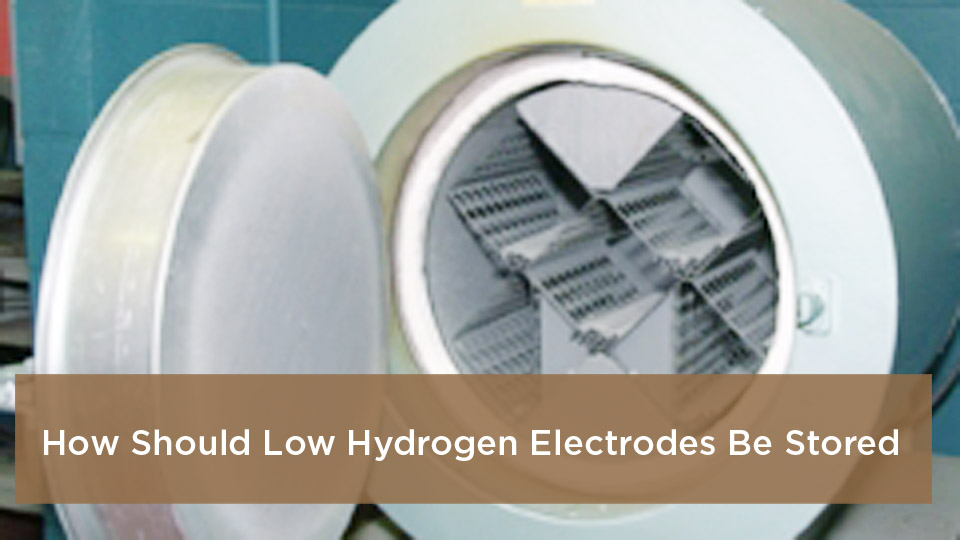
Image by lincolnelectric
What Are Low Hydrogen Electrodes and Why Do They Need Special Care?
Low hydrogen electrodes—think E7018, E7016, or E7015—are SMAW sticks designed for shielded metal arc welding where you need that buttery-smooth arc and low diffusible hydrogen in the deposit. The “low hydrogen” tag means their coating keeps hydrogen levels below 8 ml per 100 grams of weld metal, per AWS A5.1 specs.
That’s crucial for high-strength steels over 80 ksi yield, where hydrogen can diffuse into the heat-affected zone and cause delayed cracking days later.
Why the fuss with storage? That flux coating—packed with potassium, sodium silicates, and iron powder—is hygroscopic. It loves sucking up atmospheric moisture like a sponge, especially in humid spots like the Gulf Coast or a rainy Midwest fall.
Once contaminated, even a little H2O breaks down into atomic hydrogen during welding, leading to underbead cracks or porosity that X-rays catch too late. I’ve seen it on a pipeline gig: rods left out overnight in 70% humidity, and the next day’s welds looked fine on top but hid fissures that shut down the line for a week.
In the real world, this matters for everyone. DIYers, you want joints that hold your trailer hitch without snapping on the highway. Pros, it’s code compliance—AWS D1.1 demands hermetic packaging or oven storage to keep things legit.
Hobbyists, imagine fabbing a gate that lasts decades, not one that warps from hidden flaws. The fix? Treat ’em like fine whiskey—sealed, dry, and at the right temp. No special care, and you’re rolling the dice on weld integrity.
Understanding the Risks of Improper Storage for Welding Rods
I’ve got a story that still makes me wince. Early in my career, on a shipyard repair in Baltimore, we had a batch of Excalibur 7018 rods exposed to a light drizzle because the oven crapped out. Thought it was no big deal—wiped ’em down, struck an arc.
The beads laid down pretty, but two days later, ultrasonic testing lit up like Christmas with hydrogen-induced cracks. Cost us $5K in rework and a dressing-down from the foreman. Lesson learned: improper storage isn’t abstract; it’s your paycheck and reputation on the line.
The big bad wolf here is hydrogen embrittlement. Moisture in the coating decomposes under the arc’s heat, releasing diffusible hydrogen that gets trapped in the weld metal as it cools. In thicker sections or restrained joints, that leads to cold cracking—brittle failures that show up hours or days post-weld.
For low-alloy steels like A514 or HY-80 in marine apps, it’s a non-starter. Even on mild A36, it weakens impact toughness, failing Charpy V-notch tests.
Safety-wise, think structural fab: a bridge girder or crane boom with subsurface cracks? Catastrophic. Cost efficiency? You’re burning through filler, grinding out defects, and maybe calling in NDT crews. Material compatibility suffers too—those rods meant for clean low-H2 deposits now fight oil canning or lack of fusion. Common in humid climates, but even a dewy morning in dry Arizona can bite you. Bottom line: store right, weld right. It’s not overkill; it’s smart welding.
Best Practices for Storing Low Hydrogen Electrodes Before Use
You’ve just cracked open that hermetically sealed can of Lincoln Electric or Hobart 7018s—smells like fresh flux, right? First rule: don’t let ’em breathe free air longer than needed. Unopened, they’re good indefinitely in a cool, dry spot below 120°F—stack ’em on shelves away from shop traffic, maybe in your garage corner.
But once opened? Straight to the rod oven, pal. Aim for 250-300°F—that’s 120-150°C for the metric crowd. It’s warm enough to keep relative humidity near zero without baking the coating brittle. I keep a portable oven like the Forney 100-pound model plugged in near my Lincoln Idealarc feeder; it hums along at 275°F, holding a quiver’s worth for the day. Pro tip: spread ’em out—no stacking, or the middles stay damp.
For long-term, invest in a cabinet oven. ESAB’s got solid ones with digital thermostats—set it and forget it. Keep ambient shop humidity under 50% if you can; a dehumidifier in the welding bay pays for itself in rod life.
And track exposure: AWS D1.1 Table 5.1 gives you 4-9 hours max out of the oven, depending on if it’s moisture-resistant “R” type. I use a Sharpie on the quiver: “Out at 0800, back by noon.” Simple, effective.
Humidity’s the killer—above 80% RH at 80°F, and rods pick up 0.2% moisture in hours. In rainy Seattle? Double down on that oven. Dry Denver? You might skate with airtight tubes, but why risk it? Store ’em vertical in quivers to avoid bending, and always check for coating cracks before striking. This setup’s kept my welds crack-free for 20 years.
Step-by-Step Guide to Setting Up Proper Electrode Storage
Ready to dial in your system? Let’s build it step by step, like rigging a new bench setup. No fancy tools needed—just smarts and a bit of elbow grease.
First, assess your space. Got a dedicated welding area? Great. Pick a spot away from water sources, vents, or concrete floors that wick moisture. I mounted my oven on a steel stand in the corner, plugged into a dedicated 20-amp circuit—prevents trips from extension cords.
Step two: Gear up. Grab a rod oven rated for your volume—50 pounds for hobbyists, 200+ for pros. Thermostat-controlled, with vents for even heat. Add silica gel packs in airtight bins for backups. For quivers, those canvas pouches with flaps work; line ’em with foil if you’re paranoid.
Third, unpack smart. Gloves on—oils from hands attract dust. Open the can in the oven if possible, or transfer rods immediately. Spread ’em single-layer, heat to 250°F, hold for 30 minutes to stabilize. Label with date and type: “E7018, Opened 10/1/25.”
Fourth, daily routine. Issue rods per shift—twice for standard, once for high-humidity days. Use a timer app on your phone for exposure tracking. Back in the oven ASAP; don’t let ’em cool on the bench.
Fifth, maintenance check. Weekly, calibrate the oven with a thermometer—I’ve had one drift to 200°F and paid for it with a spattery arc. Wipe down exteriors, empty ash trays. If traveling to a site, pack in insulated coolers with heat packs.
Last, test your setup. Run a few beads on scrap—clean arc, no pops? You’re golden. This routine’s saved my bacon on rush jobs from fab shops to farm repairs.
How to Bake and Recondition Low Hydrogen Rods If Needed
Sometimes life happens—a quiver tips in the mud, or the power flickers during a storm. That’s when rebaking saves the day, but don’t overdo it. I’ve rebaked rods twice on a tight deadline, but three’s the charm for tossing ’em.
Start with inspection: Coating intact? No flaking or rust? Good. Spread ’em in the oven—single layer, no crowding. For standard E7018, pre-dry at 200-250°F for 1-2 hours to ease cracking risk, then bump to 700-800°F for one hour. That’s per AWS A5.1—higher for alloyed rods like E8018, but cap at three cycles total.
I use my bench oven for this: Set to 750°F, timer on, door cracked for airflow. Pull ’em hot, straight to holding at 250°F. Cool slowly—rushing causes spalling. Common mistake? Baking too hot, too long—turns the flux to glass, and your arc goes erratic.
For moisture-resistant H4R types, it’s gentler: 450-550°F for 2 hours if exposed over 9 hours. Always check manufacturer specs—Lincoln’s got charts online. Post-bake, test on mild steel: Smooth bead, easy slag removal? Reconditioned. If it spits or cracks, bin it. This process turned a soggy batch into heroes on a boiler repair last summer.
Common Mistakes When Storing Low Hydrogen Electrodes and How to Fix Them
The blunders I’ve seen—and made. Top one: Leaving rods in open quivers overnight. Happened to me on a night shift; next morning, 80% humidity turned ’em to mush. Fix? Strict exposure logs and auto-reminders. Supply fresh per shift, not “whenever.”
Another killer: Wrong oven temp. Too low (under 225°F), and moisture lingers; too high (over 350°F holding), and coatings degrade. I fried a batch at 400°F once—arc force died mid-weld. Solution: Digital thermometer, calibrate monthly. Aim 250-300°F sweet spot.
Mixing electrode types? Big no. Cellulosics like 6010 off-gas moisture, contaminating low-H neighbors. Segregate ovens or sections—label like your life depends on it. I’ve got color-coded bins: Blue for low-H, red for rutile.
Forgetting humidity control in the shop? In Florida gigs, it’s brutal. Dehumidifier to 40% RH, or seal extras in vacuum bags with desiccants. And tossing damp rods without rebaking? Waste of cash. Inspect, rebake if salvageable. These fixes turned my error-prone early days into a tight operation.
Choosing the Right Equipment for Low Hydrogen Electrode Storage
Gear matters—cheap ovens fail when you need ’em most. For DIY or small fab, a 20-pound portable like the US Forge hits 250°F easy, $100 range. Plugs into standard outlets, folds for the truck bed. I’ve hauled mine to remote sites for gate repairs.
Scaling up? Pros, go 100-500 pound cabinets—Lincoln’s Porta-Oven or ESAB equivalents with PID controls for steady heat. $500-2K, but they pay off in rod savings. Look for stainless interiors to resist flux residue, and thermocouple ports for verification.
Accessories: Insulated quivers (cotton duck, $20), airtight tubes for travel, and hygrometers for ambient checks. For high-volume, consider conveyor ovens, but that’s shop-level. Match to your workflow—hobbyist? Basic suffices. Pipeline crew? Redundant backups. My setup: One main oven, one spare, quivers galore. Keeps me code-ready and crack-free.
Low Hydrogen Electrode Storage in Different Environments
Shop vs. field? Night and day. In my climate-controlled fab bay, 225°F holding oven does the trick—low swings, easy compliance. But outdoors in Texas heat? Humidity spikes to 90%; I double-bag extras and use battery-powered heaters in quivers. Portable ovens with generators—life-savers.
Cold climates like Minnesota winters? Dew point drops, but condensation on cooldown kills. Preheat the oven before transfer, insulate quivers. For marine or offshore, corrosion adds insult—seal everything, use IP-rated enclosures.
Hobby garage? Fight basement damp with silica packs in bins. No oven? Airtight ammo cans work short-term, but upgrade soon. Adapt to your spot: Monitor RH daily, adjust temps up 25°F in humid zones. I’ve welded everywhere from deserts to docks—flexibility’s key.
Machine Settings and Prep Tips When Using Stored Low Hydrogen Rods
Stored right, these rods shine—but dial in your rig. For E7018 on 1/4-inch A36, DCEN at 90-110 amps, 22-24 volts on my Miller Trailblazer. Drag technique, 1/8-inch arc length—keeps hydrogen low.
Prep’s non-negotiable: Grind joints clean, no mill scale or rust. Preheat thick sections 150-250°F to slow cooling, dodge cracks. I use a rosebud tip for even heat. Filler compatibility? Match tensile—7018 for 70 ksi steels.
Tips: Clean stinger jaws weekly—poor contact spikes resistance, heats rods unevenly. Stringer beads first pass, weave for fill. Post-weld, PWHT if code calls for it. These tweaks, with proper storage, yield X-ray clean welds every time.
Pros and Cons of Low Hydrogen vs. Other Electrode Types
| Electrode Type | Pros | Cons | Best For | Storage Needs |
|---|---|---|---|---|
| Low Hydrogen (e.g., E7018) | Low H2 cracking risk, strong all-position welds, smooth arc | Strict storage, higher cost, sensitive to moisture | Structural steel, pipelines, pressure vessels | Oven at 250-300°F, limited exposure |
| Cellulosic (e.g., E6010) | Deep penetration, great for root passes, forgiving in damp | High hydrogen (risky for thick/high-strength), more spatter | Pipe welding, dirty/rusty base metal | Dry, room temp—no oven needed |
| Rutile (e.g., E6013) | Easy arc start, low spatter, general purpose | Moderate H2, less strength in critical apps | Sheet metal, repairs, hobby fab | Airtight, low humidity |
| Iron Powder (e.g., E7024) | Fast deposition, flat/horizontal speed | Limited positions, higher H2 potential | Long seams in shop | Dry storage, avoid extremes |
Low-H wins for integrity, but demands discipline. Rutile’s easier for beginners, but swap for critical work. Choose based on job—I’ve mixed ’em on trailers, low-H for frames, 6013 for panels.
Real-World Applications and Case Studies in US Welding Shops
Take a Detroit auto fab shop: Switching to oven-stored 7018 cut rejects 40% on frame welds—AWS D1.1 compliant, no more underbead cracks. Or a Texas pipeline crew: Portable ovens on ATVs kept rods dry in 95°F humidity; zero failures over 500 miles.
My anecdote: Restoring a ’72 Ford truck frame. Damp garage, no oven—cracks galore. Added one, rebaked, and the welds held through a cross-country haul. US practices shine in shipyards (Newport News uses H4R for carriers) and bridges (AASHTO mandates low-H). These stories prove: Storage isn’t theory—it’s results.
Wrapping Up
There you have it—your roadmap to bulletproof low hydrogen electrode storage. Key takeaways? Keep ’em dry and warm post-opening, track exposure like a hawk, and rebake only when needed. You’re now armed to dodge cracks, pass inspections, and lay down welds that last.
Whether you’re sparking up a side project or chasing deadlines, this know-how builds confidence. Go forth, strike that arc, and own your next job. Always preheat your base metal on restrained joints—it’s the unsung hero against cold cracks. What’s your next weld? Hit me up in the comments. Safe sparking!
FAQ
Can I store low hydrogen electrodes at room temperature if sealed?
Sure, if they’re in unopened hermetic cans—room temp under 120°F works fine. But once opened, no dice; get ’em in the oven to beat moisture pickup.
How long can low hydrogen rods stay out of the oven during welding?
Standard ones? Up to 4 hours max, per AWS D1.1. Moisture-resistant “R” types stretch to 9 hours. Track it religiously to avoid rebaking hassles.
What happens if I bake low hydrogen electrodes too many times?
Coatings crack, alloys oxidize—arc goes wonky, welds weaken. Limit to 2-3 cycles; after that, toss ’em. Better safe than a brittle joint.
Do I need a separate oven for different electrode types?
Yes, especially low-H and cellulosics—moisture cross-contaminates. Segregate to keep performance sharp.
Is there a cheap DIY way to store low hydrogen rods without an oven?
Airtight ammo cans with desiccants buy time (hours, not days), but for real protection, spring for a basic oven. Skimping costs more in the long run.