I was knee-deep in a tricky galvanized steel repair last week when the sparks started flying faster than I could manage, and a nasty metallic smell filled the air. That’s when I realized the best respirator for welding galvanized steel isn’t just a nice-to-have — it’s a must.
I learned the hard way that skipping proper respiratory protection can leave you coughing, dizzy, or worse, inhaling harmful zinc fumes that can wreck your day and your health.
Beyond safety, the right respirator lets you focus on clean, precise welds without rushing, which saves time, material, and frustration. Stick with me — I’ll walk you through the gear that actually works, why it matters, and how to use it for safer, stronger welding every time.
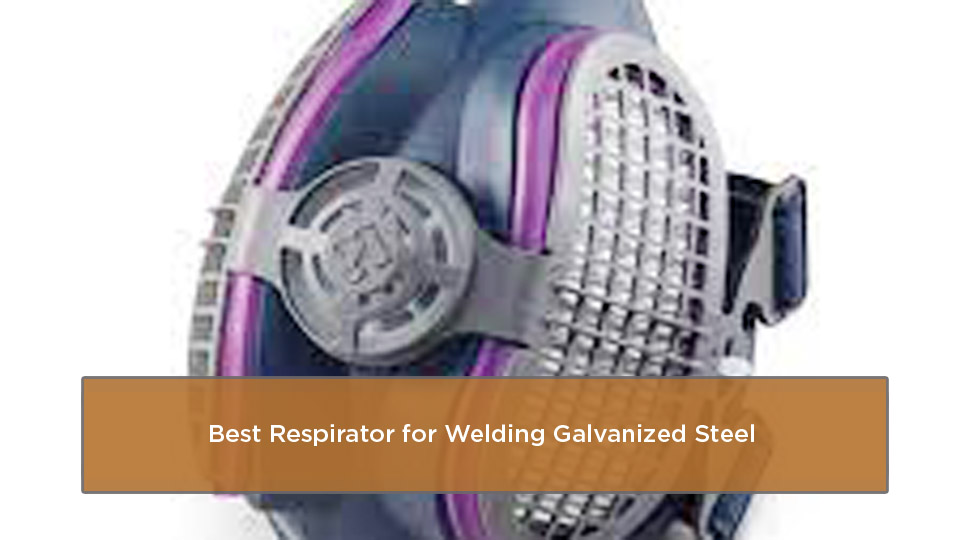
Image by coninad
Why a Good Respirator is Essential for Welding Galvanized Steel
It’s a humid summer day in your shop, and you’re MIG welding a batch of galvanized guardrails for a local contractor. The arc flashes bright, sparks fly, and those invisible zinc oxide particles start filling the air faster than you can say “fume extractor.”
Without solid respiratory protection, you’re inhaling stuff that OSHA flags as a serious hazard—zinc fumes that can cause short-term flu-like symptoms or long-term respiratory issues if you’re exposed day in, day out.
From my experience, a top-notch respirator isn’t just about checking a safety box; it’s about keeping your edge sharp. I’ve seen buddies push through without one, only to call in sick after a heavy session on galvy. The right one filters out 99% or more of those particulates, lets you breathe easy under your helmet, and holds up to the sweat and grime of real work.
For DIYers tinkering with scrap metal or pros running production lines, it means better performance, fewer breaks, and peace of mind. Plus, in the U.S., where AWS codes demand proper ventilation and PPE for processes like this, skimping could mean fines or worse. Bottom line: Invest here, and you’re investing in years of clear-headed welding.
Who needs this most? Hobbyists fabricating custom bike frames from old fencing, students in vocational shops practicing on scrap, and industry folks repairing structural steel—anyone bridging mild steel to coated stuff. Key perks include compatibility with your existing setup (like fitting under a Miller or Lincoln helmet), durability against sparks, and cost savings over constant disposables.
But usability matters too; a clunky mask fogs your lens or chafes after an hour, and you’re back to winging it. That’s why I always weigh real-world sweat tests over spec sheets.
Top Respirators for Welding Galvanized Steel: My Amazon Favorites
I’ve scoured Amazon for options that deliver on protection without breaking the bank or your workflow. These picks balance NIOSH-rated filtration for zinc fumes with features that make sense for American welders using common gear like Hobart handlers or Hypertherm plasmas.
I’ll walk you through each—what it is, who’s it for, standout features, pros and cons from the bench, setup tips, and shop stories. Separating them out keeps it clear so you can zero in on your fit.
Miller LPR-100 Half Mask Respirator: The Low-Profile Workhorse
This is the Miller LPR-100, a reusable half-mask that’s become my go-to for galvanized jobs. It’s built for welders who need something slim enough to slide under a welding helmet without blocking your view—think of it as the quiet hero in your PPE lineup.
Perfect for DIY fabricators upgrading from disposables, professional riggers on ladders all day, or shop students learning MIG on coated pipe.
Key features shine in the real grind: P100 filters snag 99.97% of airborne particles down to 0.3 microns, including zinc oxide, hex chrome from stainless, and even oil mists from grinders. The pleated filter design cuts breathing resistance by expanding surface area, and a wrap-around spark guard keeps debris off the intakes.
It’s made from medical-grade, latex-free silicone that’s odorless and hypoallergenic, with a four-point adjustable strap for a custom seal. NIOSH APF of 10 means it’s rated for up to 10x the exposure limit, aligning with OSHA 1910.134 for tight-fitting respirators.
From a welder’s eye, pros are huge: It stays put during overhead welds on galvanized beams, exhales moisture without fogging your auto-darkening lens, and the low profile means no helmet hikes. Durability? I’ve dropped mine in a puddle during a rainy outdoor repair and it bounced back after a rinse.
Cons: If you’ve got a full beard, the seal might slip without shaving—fit testing is key. And at around $50-60 on Amazon, filters run $20 a pair, so it’s not the cheapest for occasional use.
Setup is straightforward: Unbox, snap in the P100 cartridges (they click like LEGO), adjust straps for a snug but not pinching fit—test by covering the exhale valve and inhaling; no air leaks means good to go.
In scenarios like fabbing trailer hitches from galvy tubing, it handles 4-6 hour shifts without fatigue. Performance peaks with good shop ventilation; pair it with a portable fume arm for zero headaches.
Last summer, I was repairing a galvanized cattle panel in 95-degree Texas heat. Forgot my fit test? Rookie move—fumes snuck in, left me queasy. Fix: Do a simple cup test pre-weld.
Common mistake? Over-tightening straps, which pinches after an hour. Loosen just enough for a finger-slide under the seal. This mask saved my bacon on that job; now it’s standard kit.
3M 8515 Valved Welding Respirator: Disposable Reliability for Quick Hits
Next up, the 3M 8515—a disposable N95 that’s flame-resistant and tailored for welding fumes. It’s for the budget-conscious hobbyist or pro who wants toss-and-go protection without fuss, like when you’re prototyping a galvanized bracket or prepping for a one-off repair.
What sets it apart: The Cool Flow exhalation valve vents hot breath downward, slashing fog on your shield and heat buildup. Advanced electrostatic media traps non-oil particles like zinc oxide at 95% efficiency, with a braided headband and M-nose clip for a custom seal. Low-profile cup shape slips under most helmets, and it’s sweat-resistant for humid shops.
Pros from the arc: Lightweight at under an ounce, so no neck strain on long grinds; the valve makes breathing feel natural even in CO2-heavy MIG setups. I’ve used it for sanding galvy before welding—no caking on the filter.
Cons: Single-use means waste for daily drivers, and with facial hair, the seal isn’t as bombproof as reusables. Around $20 for a 10-pack on Amazon, it’s a steal for sporadic jobs.
Usability? Slip it on, pinch the nose clip, and pull straps snug—done in 10 seconds. In different scenarios, it excels for short bursts like spot-welding ductwork; lasts 8 hours if not soaked. But in dusty fab environments, swap early to avoid breakthrough.
Teaching a welding class last fall, a student ignored the valve orientation—breath fogged his lens mid-bead, nearly scorched his glove.
Align the valve down, away from eyes. Common error? Storing in pockets where lint clogs the filter. Keep ’em bagged. This one’s my “grab and go” for galvanized fence repairs—keeps the zinc blues at bay without overthinking.
GVS Elipse P100 Half Mask: Lightweight Champ for All-Day Comfort
The GVS Elipse P100 is a reusable half-mask with integrated twin filters, ideal for fabrication hobbyists or industry workers chasing all-day wear without bulk. It’s for those marathon sessions on galvanized structural steel, where comfort trumps everything.
Features that deliver: P100 filters hit 99.97% efficiency on oil-proof particulates, including metal mists; the flexible TPE facepiece molds to your contours for a leak-free seal, and low-profile filters won’t snag on your helmet brim. Weighs just 4 ounces, with adjustable headbands and an exhale valve that fights fog. NIOSH TC-84A-6949 certified, it’s tough on vapors too.
Welder pros: Unobstructed view for precise tack welds, stays cool in sweaty conditions, and the hypoallergenic build suits sensitive skin. I’ve run it through sparks from plasma cutting galvy—no damage. Cons: Filters ($15/pair) need monthly swaps in heavy use, and sizing (S/M or M/L) requires trying—too loose, and protection drops.
Setup: Filters pre-installed; tweak bands for even pressure, do the negative pressure test (inhale with hands over filters). Performance in scenarios? Gold for overhead fab on beams—lightweight means less fatigue after 8 hours. Pairs great with U.S. codes like AWS D1.1 for structural work.
Insider story: On a rusty galvanized silo repair in Iowa, my old mask chafed raw spots. Switched to Elipse—smooth sailing, no irritation.
Mistake folks make: Ignoring the valve; clean it weekly with soap to prevent buildup. Hack: Add a neck strap for quick drops during chit-chat. This one’s transformed my long hauls.
3M 6502QL Rugged Comfort Quick Latch: Versatile Pro Pick
Rounding out, the 3M 6502QL—a quick-latch half-mask for pros juggling tasks. Suited for shop workers or students switching between welding and grinding galvanized parts.
Standouts: Bayonet cartridges accept P100 filters for 99.97% capture of fumes; quick-latch drops it below your chin without full removal, and the silicone seal holds in heat. Low-profile for helmet compatibility, Cool Flow valve reduces moisture.
Pros: Durable for drops, wide view for multi-process work, easy on/off saves time. Cons: Cartridges add $30 upfront, and it’s pricier at $40-50. Great for mixed environments.
Setup: Latch on, snap filters, fit-test. Shines in variable scenarios like MIG-to-stick on galvy.
Tip: In a frantic shop rush, the latch saved me from unhooking mid-call. Avoid: Skipping valve checks—dirt kills flow.
Comparing Top Welding Respirators: Side-by-Side Breakdown
To make your call easier, here’s a quick comparison of these Amazon standouts. I focused on specs that matter for galvanized welding—filtration, comfort, and real-cost over a year of use (assuming 2-3 sessions/week).
| Respirator | Type | Filtration Efficiency | Helmet Fit | Weight | Price (Starter Kit) | Pros | Cons | Best For |
|---|---|---|---|---|---|---|---|---|
| Miller LPR-100 | Reusable Half-Mask | P100 (99.97%) | Excellent (Low Profile) | 6 oz | $55 | Easy breathing, spark guard | Seal issues with beards | All-day fab shops |
| 3M 8515 | Disposable N95 | 95% | Good | 1 oz | $20/10-pack | Lightweight, valve cools | Single-use waste | Quick DIY projects |
| GVS Elipse P100 | Reusable Half-Mask | P100 (99.97%) | Excellent | 4 oz | $30 | Ultra-comfortable, moldable seal | Filter swaps frequent | Hobbyists/long shifts |
| 3M 6502QL | Reusable Half-Mask | P100 (99.97%) w/ cartridges | Good | 5 oz | $45 | Quick latch, versatile | Cartridge cost | Multi-task pros |
This table highlights how the Miller edges reusability for pros, while the 3M disposable wins on entry price. Factor your amperage (higher draws more fumes) and ventilation—none replace a good extractor.
Buyer’s Guide: What to Check Before Grabbing a Welding Respirator
Picking the wrong respirator is like using the wrong rod—frustrating and risky. Start with compatibility: Ensure it fits your helmet (low-profile for Pipeliner or Panoramic models) and process (MIG on galvy needs oil-resistant P100 over basic N95). Amperage matters too—over 150A ramps fumes, so bump to PAPR if you’re pushing 200+.
Safety ratings? Hunt NIOSH approval (TC-84A prefix) and APF 10+ for tight fits. Brand rep: Miller and 3M dominate U.S. shops for reliability; GVS is rising for comfort. Price-wise, $20-60 gets you started, but factor filter life—disposables tally $100/year, reusables $50 with swaps. Warranty? 3M’s lifetime on masks, Miller’s True Blue for defects.
Usability check: Facial hair? Go loose-fit or shave. Portability: Lightweight for mobile work like ranch repairs. Availability on Amazon? Prime shipping means next-day for emergencies. Pro tip: Read recent reviews for fit updates—faces vary.
For U.S. gear, match to AWS D1.1 codes: Verify particulate protection for zinc. Machine tie-in: If your Lincoln Power MIG 210 churns heavy smoke, prioritize valve-equipped. Bottom line: Test fit in-store if possible, or Amazon’s return policy saves headaches.
Step-by-Step Usage Tips for Peak Welding Performance and Safety
Getting the most from your respirator starts pre-arc. Step 1: Inspect—check filters for clogs, straps for frays. No damage? Proceed.
Step 2: Fit it right. Don over clean-shaven face (or beard trim), pull straps even, pinch nose bridge. Inhale sharply—if it sucks in, reseal.
Step 3: Layer with PPE. Slide under helmet, adjust for no gaps. Add gloves, jacket—galvy sparks love sleeves.
Step 4: Weld smart. Keep head out of plume; use push technique on MIG for less smoke. Settings: 18-22V, 150-200 IPM wire speed on 1/8″ galvy for clean penetration without excess zinc boil-off.
Step 5: Monitor and maintain. Breathe test mid-session—if labored, swap filters. Post-weld: Rinse mask, air-dry. Log usage for replacements.
Safety extras: Filler like ER70S-6 rods pair well; grind off coating pre-weld to cut fumes 50%. Shop hack: Mount a $100 fume extractor arm—turns your bench into a clean zone. For students: Practice on scrap to nail seal before finals.
Complementary Welding Gear: Top Amazon Picks to Round Out Your Kit
No respirator flies solo—pair it with solid gear for full protection. Here’s my vetted Amazon faves, reviewed from shop runs.
Welding Helmets: Lincoln Viking 1740 Auto-Darkening
This $150 helmet’s my daily for galvy MIG. 1/1/1/1 optics, 4 sensors, shade 9-13. Pros: Fast 1/25,000 sec switch, comfy harness. Cons: Battery life 2 years. Fits respirators seamlessly; I’ve welded 10-foot seams without eye strain. Anecdote: Saved my vision on a flare-up—clear view post-arc.
MIG Welders: Hobart Handler 140
Entry-level beast at $350. 25-140A, handles 18ga galvy easy. Pros: Smooth arc, spool gun ready. Cons: No synergic—manual tweaks. Great for hobbyists; tips: .030 wire, 75/25 gas for low spatter. Mistake: Over-volting fries coating—start 17V.
Welding Rods: Forney 30301 E6013
$15/5lb for stick on galvy. Smooth, all-position. Pros: Forgiving arc, low fumes. Cons: Slag cleanup. Use at 90-110A; hack: Preheat to 100F cuts cracks.
Consumables: Lincoln Electric ER70S-6 MIG Wire
$20/spool. Clean burns on coated steel. Pros: Low silicon for less smoke. Cons: Hygroscopic—store dry. Settings: Matches Hobart perfectly.
Tools: Hypertherm Powermax 30 Plasma Cutter
$800 portable for galvy prep. 30A cuts 1/4″. Pros: Clean edges, less grinding fumes. Cons: Air compressor needed. Tip: Gouge mode for bevels.
These integrate seamlessly—respirator + helmet combo for zero compromises.
Real-World Welding Insights: Anecdotes, Tips, and Fixes
Over 15 years, I’ve botched enough to know: On a galvanized bridge repair, ignored filter date—fumes hit like a truck. Fix: Calendar reminders. For DIYers: Portable fans pull smoke away cheap.
Hobbyist hack: Weld galvy outdoors at dusk—natural vent. Pro tip: Amperage creep? Dial back 10% on coating. Students: Log symptoms; early warning saves lungs.
Common pitfalls: Wet filters clog—dry ’em. Facial fog? Anti-fog spray on lens. Extras: Match filler to base (308L for stainless add-ons), settings per AWS: 1G position flat for stability.
Wrapping It Up: Gear Up Confident and Weld Strong
There you have it—everything from the must-have respirators to gear that ties it together, all battle-tested for galvanized steel challenges. You’re now armed with picks that filter fumes, fit your life, and boost performance, whether you’re a garage tinkerer or shop veteran.
The big takeaway? Prioritize fit and maintenance; it’ll keep you welding longer and healthier. Head to Amazon, snag what matches your setup, and make that confident buy—no more second-guessing in the plume.
Insider pro tip: Before your first galvy bead, do a “smoke test” with incense—see if your seal holds. It’ll catch leaks before zinc does.
Is a P100 Filter Necessary for Welding Galvanized Steel?
Absolutely, from my bench—P100 grabs oil-resistant zinc oxide at 99.97%, beating N95’s 95% for heavy exposure. I’ve felt the difference; swap to P100 if you’re over 2 hours daily.
Can I Wear a Respirator with a Beard While Welding Galvy?
Tight fits like half-masks struggle with beards—trim to stubble or go PAPR for loose seals. In my experience, a clean shave adds 20% protection; test it.
How Often Should I Replace Filters on a Reusable Welding Respirator?
Every 40 hours or when breathing hardens—zinc loads ’em fast. I mark calendars; fresh filters mean crisp arcs, no fatigue.
What’s the Difference Between N95 and P100 for Metal Fumes?
N95 suits dry dust but falters on oily zinc mists; P100 oils-proof for galvy. Used both—P100’s my pick for no breakthroughs.
Do These Respirators Work with All Welding Helmets?
Most low-profiles yes, but check clearance—Miller and 3M slide under Viking or Speedglas. Test pre-buy; I’ve modded straps for snug.