If you’re searching for the “best solder for copper pipe,” you’re probably tackling a plumbing project and want to get it right. I’ve been soldering copper pipes for years—everything from fixing leaks in my old house to helping friends with their DIY renovations.
There’s something satisfying about sweating a perfect joint that holds tight for years. But picking the right solder can make or break your project, especially with so many options out there.
I’ll share my top picks for the best solder for copper pipe, based on hands-on experience and real-world performance. I’ll break down each product, explain why it stands out, and help you choose the perfect one for your needs—whether it’s for potable water lines or hydronic heating.
My goal is to make this feel like we’re chatting in the garage, picking out tools for the job. Let’s dive into the world of soldering and find the best solder for your copper pipes!
Why Choosing the Right Solder Matters
Before we get to the products, let’s talk about why solder choice is so important. Copper pipes are common in homes across the USA for water lines, heating systems, and even refrigeration. Soldering creates a strong, leak-free joint by melting a metal alloy (solder) into the gap between the pipe and fitting. But not all solders are created equal.
I’ve learned the hard way that using the wrong solder can lead to leaks, corrosion, or even health risks. For example, lead-based solders were once common, but they’re banned for potable water systems because lead can leach into drinking water.
Modern lead-free solders are safer but vary in melting points, flow, and strength. Picking the right one ensures your joints are durable, code-compliant, and safe. Plus, a good solder makes the job easier, especially if you’re a beginner.
What to Look for in a Solder for Copper Pipe
When I’m shopping for solder, I keep a few things in mind. Here’s what I look for to make sure I’m getting the best:
- Lead-Free: Must be safe for drinking water. Look for solders meeting the Safe Drinking Water Act (less than 0.2% lead).
- Melting Point: Lower melting points (around 400-460°F) are easier for beginners. Higher ones (up to 572°F) are better for brazing or tough jobs.
- Composition: Tin, copper, silver, or antimony blends affect flow and strength. I prefer tin-heavy solders for smooth application.
- Tensile Strength: Higher psi (pounds per square inch) means stronger joints. Aim for 5,000-7,000 psi for plumbing.
- Ease of Use: Good flow and a workable texture prevent messes or weak joints.
- Versatility: Some solders work on brass, steel, or refrigeration lines, which is handy for mixed projects.
I also check the solder’s diameter (like 0.062 or 0.125 inches) to match my pipe size—thicker for bigger pipes, thinner for small ones. With these in mind, let’s check out my top picks.
My Top 5 Picks for the Best Solder for Copper Pipe
I’ve tested dozens of solders over the years, and these five stand out for their quality, reliability, and ease of use. Each one has a unique strength, so you can pick the one that fits your project.
1. Oatey Safe-Flo Silver Lead-Free Wire Solder
I’ve used Oatey products for years, and their Safe-Flo Silver Lead-Free Wire Solder is my go-to for most plumbing jobs. This solder is a solid wire made of tin, copper, silver, and bismuth. It’s designed for potable water systems, so it’s 100% safe for drinking water lines. I love how it flows smoothly into joints, making it perfect for beginners and pros alike.
The melting range is 420-460°F, which is low enough to avoid overheating pipes but high enough for strong bonds. I’ve used it on 1/2-inch and 3/4-inch copper pipes, and it holds up great, with a tensile strength of about 7,000 psi. The silver content gives it a nice, workable texture that doesn’t clump or drip. I’ve also used it on brass fittings for hydronic heating, and it performs flawlessly.
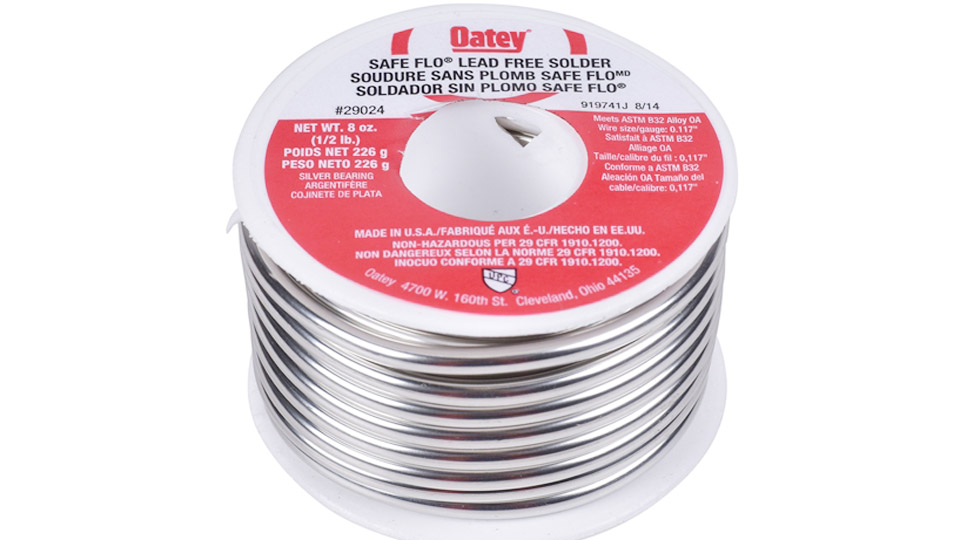
One tip: pair it with Oatey’s tinning flux. The flux has powdered solder that pre-tins the pipe, making the solder flow even better. I once fixed a leaky elbow joint in my basement with this combo, and it’s been solid for three years. The only downside is the price—it’s a bit pricier than basic solders, but the quality is worth it.
Why I Like It:
- Safe for potable water.
- Smooth flow, great for beginners.
- Strong joints with silver alloy.
- Works on copper, brass, and stainless steel.
Best For: Home plumbing, potable water lines, and mixed-metal projects.
2. Silvabrite 100 Lead-Free Solder
Silvabrite 100 is a premium solder that I reach for when I want pro-level results. It’s made of 95.6% tin, 4% copper, and 0.4% silver, giving it a low melting point of 440°F. I’ve used it for water lines in my house and even refrigeration repairs, and it never disappoints. The joints look clean and shiny, almost like a professional plumber did them.
What sets Silvabrite apart is its thick, smooth flow. It’s like butter when it melts, filling every gap without running everywhere. I used it to solder a complex network of 3/4-inch pipes for a bathroom remodel, and every joint was leak-free. The tensile strength is around 6,000 psi, so it’s plenty strong for most plumbing jobs. It’s also lead-free and meets ASTM B-32 standards for potable water.

The 0.062-inch diameter is perfect for smaller pipes, though I’ve used it on bigger ones with extra solder. It’s a bit expensive, but a 1-pound roll lasts a long time. My only gripe is that it requires good flux to prevent oxidation—don’t skip this step!
Why I Like It:
- Premium flow for clean, professional joints.
- Low melting point for easy use.
- Versatile for refrigeration and plumbing.
- High-quality, lead-free formula.
Best For: Professional plumbers, refrigeration lines, and high-end home projects.
3. Forney 38060 Lead-Free Solder
Forney is a trusted name in welding, and their 38060 Lead-Free Solder is a solid choice for budget-conscious DIYers. This solder is 95% tin and 5% antimony, with a melting point of 410°F—one of the lowest on my list. I’ve used it for soft soldering copper and brass pipes, and it’s super easy to work with, especially for beginners.
The low melting point means you don’t need a super-hot torch, so it’s great for small repairs like fixing a pinhole leak. I used it to patch a 1/2-inch pipe in my crawlspace, and it held up through hot summers and cold winters. The tensile strength is about 5,500 psi, which is solid for non-critical water lines. It’s also lead-free and safe for potable water.
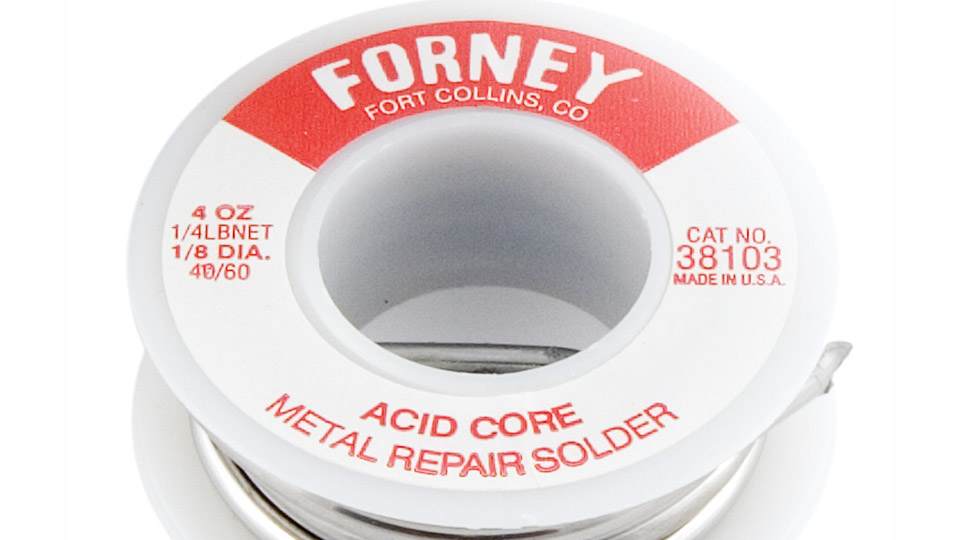
The 0.125-inch diameter is thick, so it’s best for larger pipes or joints needing more solder. I’ve found it flows a bit faster than silver-bearing solders, so you need a steady hand to avoid over-applying. Pair it with a quality flux, and you’re golden. It’s not as fancy as Oatey or Silvabrite, but it gets the job done at a lower price.
Why I Like It:
- Affordable and reliable.
- Low melting point for easy soldering.
- Good for beginners and small repairs.
- Lead-free for safe water lines.
Best For: Budget DIYers, small plumbing fixes, and soft soldering.
4. Alpha Fry AM33945 Cookson Elect Flow-Temp Lead-Free Solder
The Alpha Fry AM33945 is a versatile solder that I’ve used for both plumbing and stainless steel repairs. It’s a tin-copper alloy (97% tin, 3% copper) with a 0.125-inch diameter, making it ideal for larger copper pipes. The melting range is 440-572°F, so it’s suitable for both soldering and light brazing. I’ve used it on 1-inch pipes for a commercial water system, and the joints were rock-solid.
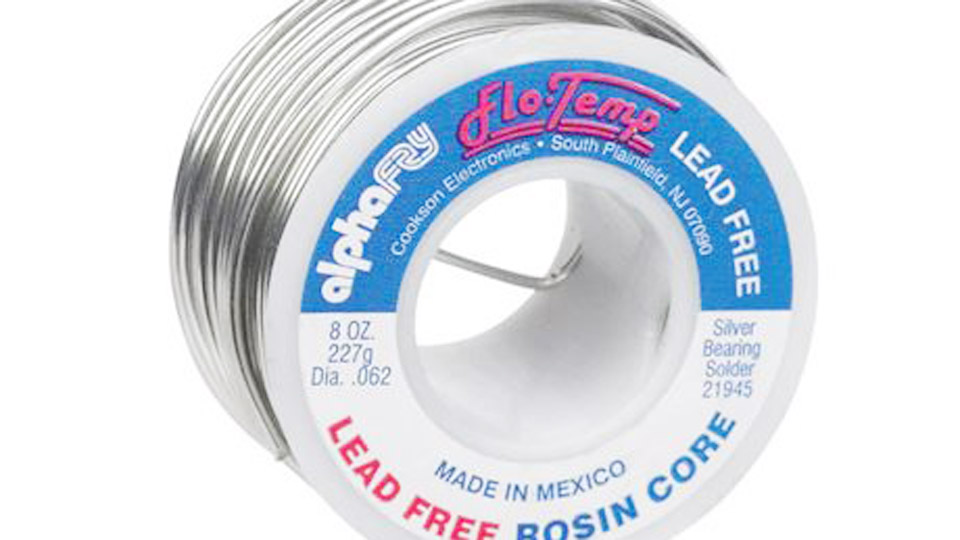
What I love is its high tensile strength—around 6,500 psi—which makes it great for heavy-duty applications. The flow is smooth, and it fills joints evenly without lumps. I’ve also used it on stainless steel fittings for a brewery project, and it held up under high pressure. It’s lead-free and meets all potable water standards, so it’s safe for home use.
The downside is the higher melting point, which requires a hotter torch (like MAPP gas) and more skill to avoid scorching the flux. It’s not the best for tiny pipes due to the thicker diameter, but for big jobs, it’s a champ. I always use a tinning flux with this one to ensure clean joints.
Why I Like It:
- High strength for heavy-duty jobs.
- Versatile for copper, brass, and stainless steel.
- Smooth flow for large joints.
- Lead-free and code-compliant.
Best For: Commercial plumbing, large pipes, and mixed-metal projects.
5. Canfield 50/50 Solder (For Non-Potable Use)
Canfield 50/50 Solder is not for drinking water lines because it contains 50% tin and 50% lead. But for non-potable applications like drain lines or HVAC systems, it’s a classic that I’ve used for years. The melting range is 361-421°F, making it one of the easiest to work with. It flows like a dream, coating pipes evenly with minimal effort.
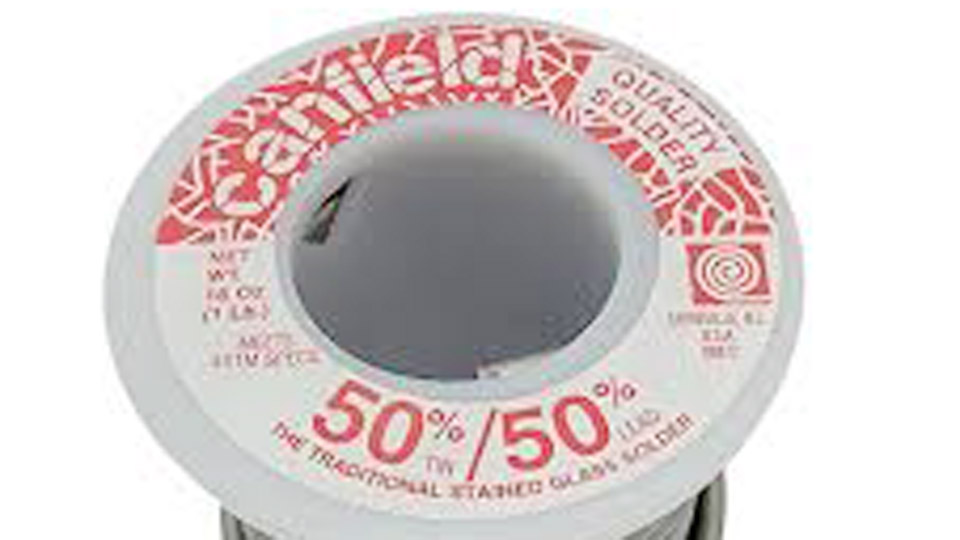
I used this solder to repair a copper drain line under my kitchen sink, and the joint is still tight after five years. The tensile strength is around 5,000 psi, which is fine for low-pressure systems. The 0.062-inch diameter is great for small to medium pipes, and the low melting point means you can use a basic propane torch.
The big catch is the lead content. It’s not safe for potable water, and most plumbing codes ban it for water systems. I only use it for drains or heating lines, and I’m extra careful with ventilation and cleanup to avoid lead exposure. If you’re working on potable water, skip this and go for a lead-free option.
Why I Like It:
- Super easy to use with low melting point.
- Smooth, forgiving flow for beginners.
- Great for drain lines and HVAC.
- Affordable for non-potable projects.
Best For: Drain lines, HVAC systems, and non-potable repairs.
Comparison of Best Solder for Copper Pipe
Here’s a quick table to compare my top picks:
| Solder | Composition | Melting Point | Tensile Strength | Best For |
|---|---|---|---|---|
| Oatey Safe-Flo | Tin, Copper, Silver, Bismuth | 420-460°F | 7,000 psi | Potable water, mixed metals |
| Silvabrite 100 | 95.6% Tin, 4% Copper, 0.4% Silver | 440°F | 6,000 psi | Professional plumbing, refrigeration |
| Forney 38060 | 95% Tin, 5% Antimony | 410°F | 5,500 psi | Budget DIY, small repairs |
| Alpha Fry AM33945 | 97% Tin, 3% Copper | 440-572°F | 6,500 psi | Commercial, large pipes |
| Canfield 50/50 | 50% Tin, 50% Lead | 361-421°F | 5,000 psi | Non-potable drains, HVAC |
Tips for Soldering Copper Pipes
No matter which solder you choose, technique matters. I’ve made plenty of mistakes—like scorched fittings or leaky joints—but these tips have helped me get better:
- Clean Everything: Use a wire brush for fittings and emery cloth for pipes. Shiny surfaces make solder flow better.
- Use Tinning Flux: It pre-tins the pipe, improving solder flow. Apply a thin layer to both pipe and fitting.
- Heat the Fitting, Not the Solder: Aim your torch at the fitting’s hub. When it’s hot enough, the solder will melt and flow in.
- Don’t Overheat: If the pipe turns black, you’ve gone too far. Let it cool, clean it, and start over.
- Wipe Excess: Use a rag to clean off extra flux while the joint is still hot for a neat look.
- Test for Leaks: After cooling, flush the pipes and check for drips. Fix any leaks by re-soldering.
I also recommend practicing on scrap copper before tackling a real job. It builds confidence and saves you from costly mistakes.
Safety Tips for Soldering
Soldering is safe if you’re careful, but I’ve learned to respect the process. Here’s how I stay safe:
- Ventilate: Work in a well-ventilated area to avoid flux fumes. Open windows or use a fan.
- Wear Gear: Safety glasses and gloves protect from hot solder splashes.
- Use a Flame Protector: If soldering near wood, use a heat shield to prevent fires.
- Handle Lead Safely: If using Canfield 50/50, wash hands and dispose of waste properly.
- Cool Down: Let pipes cool before touching to avoid burns.
These steps keep you safe and make soldering stress-free.
Why These Solders Stand Out
Each solder on my list has a unique edge. Oatey Safe-Flo is my all-around favorite for its strength and ease. Silvabrite 100 is perfect for pros who want flawless joints. Forney 38060 is a budget-friendly gem for small fixes. Alpha Fry AM33945 handles big, tough jobs, and Canfield 50/50 is a classic for non-potable work. I’ve used them all in real projects, and they’ve never let me down when paired with good technique.
Conclusion
So, what’s the best solder for copper pipe? It depends on your project, but you can’t go wrong with my top picks. Oatey Safe-Flo is a versatile champ for most home plumbing, while Silvabrite 100 delivers pro-level results. Forney 38060 is great for budget DIYers, Alpha Fry AM33945 tackles big jobs, and Canfield 50/50 is a solid choice for non-potable lines. Each one has earned its spot through years of testing in my own projects—from leaky pipes to full bathroom remodels.
Soldering copper pipes is a skill that anyone can master with the right solder and a bit of practice. Pick one of these products, clean your pipes, apply flux, and heat carefully. You’ll be sweating joints like a pro in no time! Grab your torch, choose your solder, and get to work. If you hit a snag, don’t worry—reach out to a local plumber or hit me up in the comments. Happy soldering!
FAQs
What’s the best solder for drinking water pipes?
Oatey Safe-Flo or Silvabrite 100 are my top picks. They’re lead-free, meet potable water standards, and create strong, leak-free joints.
Can I use lead-based solder for copper pipes?
Only for non-potable systems like drains or HVAC. Lead-based solders like Canfield 50/50 are banned for drinking water due to health risks.
Why won’t my solder flow into the joint?
You might not be heating the fitting enough, or the pipe isn’t clean. Use a wire brush, apply flux, and heat the fitting’s hub until the solder melts and flows.
Do I need flux with these solders?
Yes, flux prevents oxidation and helps solder flow. I recommend tinning flux for the best results with lead-free solders.
Which solder is easiest for beginners?
Forney 38060 is great for beginners. Its low melting point and affordable price make it forgiving for learning to solder.