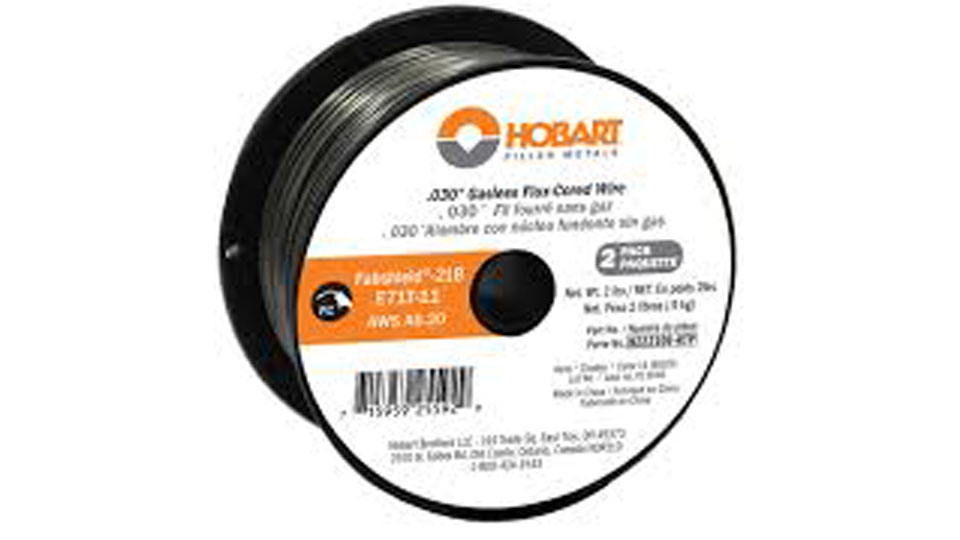
Welding rusty steel can be tricky. Not all rods handle rust well, and choosing the right one makes a big difference. The best welding rod for rusty steel offers strong penetration and good slag control, even on less-than-perfect surfaces.
It helps create solid welds without too much cleaning beforehand. If you often work with old or weathered metal, picking the right rod means less frustration and better results. Let’s look at what makes a welding rod stand out when dealing with rusty steel.
Indulward Mild Steel Tig Rod
For welders seeking the Best Welding Rod for Rusty Steel, this TIG rod suits both beginners and pros tackling mild and rusty steel projects.

Performance Insights for Rusty Steel Welding
- Stable arc start even on imperfect, rusty surfaces
- Reduces porosity thanks to higher silicon and manganese content
- Consistent rod diameter ensures smooth feeding and uniform welds
- Works well with common TIG welders and standard shielding gases
- Suitable weight and length for extended use without frequent rod changes
Potential Drawbacks to Consider
- Only compatible with TIG welding processes, not suited for stick or MIG
- Lacks detailed manufacturer guidance on storage or shelf life
- Higher learning curve if unfamiliar with TIG welding on rusty metal
Thoughts on Using the Indulward TIG Rod
This rod stands out for its ability to handle mild steel with rust or contaminants, which usually cause weld defects. The formulation improves arc stability and reduces spatter, making welding less frustrating.
In practice, it feels reliable and predictable. Feeding the rod is smooth, and the weld bead forms cleanly, which helps maintain confidence during repair or fabrication jobs. The size and weight offer good value without overwhelming beginners.
One trade-off is that it’s TIG-specific, so it’s not versatile across all welding types, but it excels where it’s designed to be used.
Choosing This Rod for Rusty Steel Welding
This product suits those who often weld mild steel with rust or surface oil and want a dependable TIG rod that minimizes common issues like porosity. It fits well for home workshops, auto repairs, and farm equipment maintenance.
If you mostly use other welding methods or need rods for thicker or specialty metals, this may not be the best fit. It’s also less ideal if you prefer a rod with extensive brand support or tutorials.
- Ideal for TIG welders handling mildly rusty or oily steel
- Great for projects requiring clean, stable welds without frequent rod changes
- Not recommended for stick or MIG welding users
- Best if comfortable with TIG welding basics
Final Considerations Before You Buy
If your work involves rust-affected mild steel and you use TIG welding, this rod offers practical benefits like better arc stability and less weld porosity. It’s straightforward enough for a beginner willing to learn, yet reliable enough for professionals.
Those who need rods for different welding types or expect extensive manufacturer support might want to look elsewhere. Otherwise, this rod provides a calm, consistent welding experience with minimal fuss.
When using, keep the rods dry and handle them gently to preserve their quality. With proper care, they will help you tackle rusty steel confidently and efficiently.
Weldingcity Mild Steel Tig Rods 3/32″
For welders seeking the Best Welding Rod for Rusty Steel, this product suits those working with mild steel needing reliable TIG welding on less-than-perfect surfaces.

Practical Features for Rusty Steel Welding
| Material Compatibility | Mild steel with rust or oil |
| Rod Diameter | 3/32″ (0.045″, 1/16″, 1/8″ also available) |
| Length | 36 inches |
| Coating | Copper coated for smooth bead |
| Shielding Gas | Argon/CO2 recommended |
This product is a pack of premium ER70S-6 TIG welding rods designed specifically for mild steel. Its key advantage is the ability to weld over dirty, oily, or rusty surfaces without compromising the weld quality. The higher manganese and silicon content helps produce smooth, flat welds with minimal grinding afterward.
Using these rods, I noticed the weld pool flows nicely and travel speeds can be faster. The rods offer better wetting and a cleaner bead shape, which boosts confidence when working on rough steel. Handling and feeding the rods is straightforward, making them a practical choice for fabrication or repair work.
Who Benefits Most and Who Might Look Elsewhere
This set fits welders tackling mild steel projects where surface prep isn’t perfect—like repairs on pipes, sheet metal, or low alloy steel. It’s well suited for TIG welding enthusiasts who appreciate rods that handle less-than-ideal conditions without frequent cleanup.
Those needing rods for stainless steel or highly specialized alloys should consider other options. Also, if you prefer flux-cored or stick welding methods, these TIG rods may not match your workflow.
- Great for welding rusty or oily mild steel
- Useful for small diameter pipes and tubing
- Suitable for root pass pipe welding
Thoughts on Using WeldingCity TIG Rods
This product is straightforward and practical without unnecessary extras. The copper coating and alloy balance translate to solid welds over imperfect surfaces, which is often a challenge with mild steel. The rods maintain consistency and reduce post-weld work.
One minor trade-off is the need to use shielding gas like Argon or CO2, which requires proper equipment and setup. However, this is typical for TIG welding and worth it for the quality gain.
Choosing This Rod for Rusty Steel Work
For those welding mild steel with rust or contaminants, these rods provide a reliable solution that reduces cleanup and improves bead appearance. They are ideal if you want a solid TIG rod with proven performance on less-than-clean materials.
If you mostly weld clean steel or other metals, this product might be more than you need. A practical tip is to ensure your shielding gas flow is stable to get the best results.
Overall, this is a dependable choice that balances ease of use with consistent weld quality on challenging surfaces. It’s a calm, no-frills option for everyday welding tasks involving rusty steel.
Indulward Tig Welding Rod For Rusty Steel
The best welding rod for rusty steel, this product suits hobbyists and professionals working on mild steel with surface imperfections.

Everyday Welding Experience
- Easy arc start and steady welding on less-than-perfect steel.
- Handles rusty or oily surfaces without causing porosity issues.
- Consistent rod diameter means smooth feeding and reliable welds.
- Works well with standard TIG welders using Argon or mixed gases.
- Suitable for both beginners and seasoned welders tackling mild steel.
Considerations Before You Buy
- Only available in 3/32″ diameter and 16″ length rods, which might limit versatility.
- Primarily designed for mild steel; not ideal for other metal types.
- Lacks detailed customer reviews for a broader perspective on long-term use.
Choosing the Right Rod for Rusty Steel
This welding rod fits well for those needing dependable performance on mild and rusty steel. Its formulation reduces common welding defects when working with oxidized surfaces, making it a practical choice for restoration or repair projects.
However, if you need rods for various metals or sizes, this product’s fixed dimensions may not meet all your needs. Also, users who prefer extensive user feedback might find the limited reviews a drawback.
A Thoughtful Pick for Rusty Steel Welding
If you often weld rusty or oily mild steel, this rod offers solid reliability and ease of use. It’s suited for home workshops and professional settings alike, especially when consistent weld quality matters more than variety.
Those requiring rods for specialized metals or multiple sizes may want to look elsewhere. As a tip, pairing this rod with clean shielding gas and maintaining proper welding technique will maximize results.
Rest assured, this rod provides a smooth arc and stable welds, making your welding tasks feel more controlled and predictable.
Yeswelder Carbon Steel Welding Rod
For welders seeking the Best Welding Rod for Rusty Steel, this product suits those working on tough, less-than-perfect metal surfaces.

Everyday Welding Made Easier
- Works well on rusty, dirty, or painted steel without much prep.
- Offers strong arc force for deep penetration in tough conditions.
- All-position use helps with versatile welding tasks.
- Minimal spatter keeps work cleaner and reduces cleanup.
- Reliable arc stability boosts confidence during welding.
Considerations for Use
- Designed mainly for AC power sources, limiting some setups.
- Best suited for mild steel; not ideal for exotic metals.
- May require some experience to optimize spray transfer technique.
Thoughtful Welding Choice
This rod stands out for those who often deal with rusty or less-than-perfect steel surfaces. Its ability to weld without heavy surface prep saves time and effort, which is valuable in maintenance and construction work. The all-position feature means you won’t be limited by joint angles.
One trade-off is that it is primarily for AC power, so if you use DC machines, it might not perform as well. Still, for its intended use, it offers solid performance without fuss.
Finding the Right Fit for Your Welding Needs
This welding rod fits best for hobbyists and professionals who frequently work on older steel structures or painted materials where surface cleaning isn’t always possible. It handles imperfections gracefully and gives consistent results.
It might not suit those who need rods compatible with DC power or who require specialized alloys for high-strength or exotic metals. If you want simplicity and reliability on carbon steel, this rod is a practical pick.
- Great for maintenance work and farm equipment repairs.
- Ideal when welding outdoors or in challenging conditions.
- Less useful if your work demands precision on clean, new steel only.
Practical Advice for Smooth Welding
Choose this rod if you want a straightforward solution for rusty steel that won’t demand hours of prep. It’s reliable and forgiving, which helps reduce frustration during tough jobs.
If you don’t have AC power equipment or need specialty rods, look elsewhere. For its niche, this YESWELDER rod offers consistent performance, so you can focus on the weld instead of worrying about material condition.
Yesright Carbon Steel Welding Rod
For welders seeking the Best Welding Rod for Rusty Steel, this YesRight rod suits those working on tough, dirty surfaces and rusted metal.

Practical Features and Considerations
| Electrode Type | Mild-steel, all position |
| Power Source | AC power |
| Rust Handling | Good penetration on dirty, rusty surfaces |
| Packaging | 16 rods per sealed plastic tube |
This welding rod is designed for arc welding on carbon steel, especially when dealing with rusty or painted materials. It offers strong arc force and deep penetration, which helps tackle the challenge of welding on less-than-clean surfaces.
In practice, the rod provides a stable arc with minimal spatter and easy slag removal, making the welding process smoother and more efficient. The versatility of welding positions and the rod’s packaging for long-term storage add convenience on the job.
Who Finds This Useful and Who Might Look Elsewhere
This product fits welders who often work with rusty steel or older metal needing reliable deep penetration. It’s ideal for general construction, automotive repair, and fabrication tasks where surface prep isn’t perfect.
Those requiring welding rods for specialized alloys or AC/DC versatility might find this less suitable. Also, if you need very thin or very thick weld beads consistently, experimenting with other rods could be better.
- Works well on rusty, dirty surfaces
- Stable arc and easy slag removal
- All-position welding capability
- Sealed packaging for storage
Choosing the Right Rod for Rusty Steel Tasks
If you frequently weld rusty or painted carbon steel and use AC power sources, this YesRight rod offers a balanced combination of penetration and ease of use. It helps reduce downtime by minimizing slag and spatter cleanup.
However, if your work calls for DC power or highly specialized alloys, consider alternatives. When storing, keep the rods dry and cool to maintain performance.
This rod is a solid choice for everyday welding on imperfect surfaces, giving confidence and consistency without overcomplication.
Narrowing Down The Best Welding Rod For Rusty Steel
Choosing the right welding rod for rusty steel can feel overwhelming. Start by identifying the type of welding you plan to do—TIG or stick welding. Consider the rod diameter that suits your project thickness. Pay attention to rods specially formulated to handle rust or mill scale.
Most people miss the importance of the rod’s chemical composition, like higher manganese and silicon, which helps reduce porosity on rusty surfaces. Also, check if the rod is compatible with your welding machine and shielding gas. These quick filters will help you avoid common mistakes.
The 30-second Checklist
- Is the rod suitable for welding on rusty or oily steel? ✔ / ✘
- Does the rod size match the thickness of your steel? ✔ / ✘
- Will your welder support the rod type and diameter? ✔ / ✘
- Is the rod easy to handle for your skill level? ✔ / ✘
- Can you find enough rods in the pack size you need? ✔ / ✘
- Is the rod designed to minimize slag and spatter? ✔ / ✘
Common Regrets And How To Avoid Them
Regret #1: Buying rods that don’t handle rust well. This leads to weak welds with porosity. Choose rods with higher silicon and manganese content designed for rusty steel.
Regret #2: Picking the wrong rod diameter for the job. Thin rods are best for delicate or thin steel, while thicker rods work better on heavy or thick rusty steel. Match the rod size to your project.
Regret #3: Overlooking compatibility with your welding machine and gas type. Not all rods work with every machine or shielding gas. Verify compatibility to avoid wasted time and materials.
Quick Pick Table For Best Welding Rod For Rusty Steel
| If you want… | Look for this | Avoid this |
|---|---|---|
| Easy arc start and smooth bead | ER70S-6 rods with stable arc formulation | Generic rods without rust-specific formulas |
| Welding on oily or rusty mild steel | Rods with higher manganese and silicon content | Rods designed only for clean steel surfaces |
| Long rods for deep penetration | 3/32″ or 1/8″ diameter rods, 16″ to 36″ length | Very short or thin rods unsuitable for thick steel |
| Compatibility with TIG welding machines | Standard TIG rods like Indulward ER70S-6 | Stick rods incompatible with TIG setups |
| All-position welding on dirty steel | Stick electrodes like YESWELDER E6011 | Rods not rated for all-position or dirty materials |
Practical Tips For Using Welding Rods On Rusty Steel
- Clean the surface lightly to remove loose rust but avoid heavy grinding that removes all scale; some rods work well with light rust.
- Match rod diameter to the thickness of your steel to balance penetration and control.
- Use appropriate shielding gas with TIG rods, typically Argon or Argon/CO₂ mix, for best weld quality.
- Store rods in a dry place to prevent moisture absorption, which can cause weld defects.
- Practice striking the arc smoothly to avoid rod sticking, especially on rusty or uneven surfaces.
Faqs About Best Welding Rod For Rusty Steel
Can I use TIG rods on rusty steel?
Yes, certain TIG rods like ER70S-6 are formulated to handle mild rust and oil on steel. They provide a smooth arc and good weld quality on less-than-perfect surfaces.
What rod diameter should I choose for thick rusty steel?
For thicker steel, 3/32″ or 1/8″ diameter rods are common choices. They offer deeper penetration and are better suited for heavier material.
Are stick electrodes better for rusty steel than TIG rods?
Stick electrodes like E6011 are often preferred for heavily rusty or painted steel due to their all-position capability and tolerance to dirty surfaces.
How do I store welding rods to keep them effective?
Keep rods in a cool, dry, and ventilated place. Avoid exposure to moisture, as damp rods can cause weld defects like porosity and cracking.
Can I weld rusty steel without cleaning it?
Light rust or mill scale can be tolerated by specially formulated rods, but heavy rust or thick paint should be removed to ensure a strong weld.
Is shielding gas necessary when welding rusty steel?
Yes, when using TIG rods, appropriate shielding gas such as Argon or an Argon/CO₂ mix is important to protect the weld pool from contamination.
What safety precautions should I take when welding rusty steel?
Wear protective gear including gloves and a welding helmet. Ensure good ventilation to avoid inhaling fumes released from rust and paint during welding.
Final Thoughts
Choosing the right welding rod for rusty steel depends on your welding method, the condition of the metal, and the project requirements. Focus on rods designed to handle rust and contaminants for the best results. Compatibility with your equipment and the correct rod diameter will also improve your welding experience.
When in doubt, choose a rod known for stable arc and rust tolerance, like ER70S-6 or E6011. This simple tie-break rule can guide you toward a reliable choice without overcomplicating the decision.