
Standing in the shop with a grinder buzzing in my hands, sparks flying off a galvanized surface, it seemed like polishing would be a simple way to improve the finish. Instead, the metal discolored, a sharp zinc smell filled the air, and the result looked worse than before. That moment pushed a lot of welders—myself included—to ask a common question: Can You Polish Galvanized Steel?
I learned through trial and error that this isn’t just about looks. Polishing galvanized steel the wrong way can ruin corrosion protection, waste time and money, and expose you to dangerous zinc fumes if you’re not careful. Those mistakes cost me hours in the shop and a few burned discs.
If you’re staring at a galvanized weldment and wondering whether to polish it, strip it, or leave it alone, you’re not alone. Let me walk you through what actually works, what to avoid, and how to do it safely—step by step.
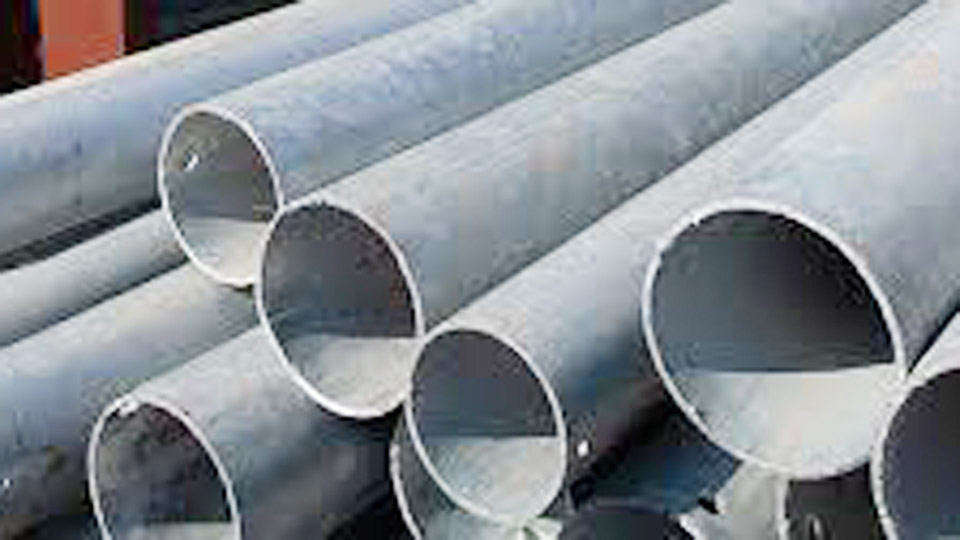
Image by lytepoles
What Makes Galvanized Steel Different from Regular Steel?
Galvanized steel is basically carbon steel dipped in molten zinc to create a protective layer against rust. That zinc coating is a game-changer for outdoor projects like fences, trailers, or HVAC ducts, where moisture is the enemy.
But here’s the catch: the zinc melts at a much lower temperature than the steel, around 788°F, and boils off at about 1,665°F. In welding terms, that means trouble if you’re not careful.
From my time fabricating custom railings, I’ve seen how that coating reacts under heat. It vaporizes into zinc oxide fumes, which aren’t just annoying—they’re hazardous. Polishing comes in here as a prep step, essentially grinding or abrading the zinc away in the weld zone to avoid those issues.
It’s not about making it sparkle like chrome; it’s about safety and weld quality. If you’re a DIY welder tinkering in your garage or a pro on a job site, understanding this difference saves you from headaches like porosity in your beads or health risks down the line.
Think of it like this: Regular mild steel welds clean and predictable. Galvanized? It’s like welding with a wildcard. The zinc can cause spatter, reduce arc stability, and lead to weaker joints if not handled properly. That’s why polishing—or more accurately, removing the coating—is often the first move.
Why Would a Welder Need to Polish Galvanized Steel?
In the shop, polishing galvanized steel usually means prepping it for welding. Sure, you might want to clean it up for aesthetics on a finished piece, but let’s be real—most of us are dealing with functional fabrications where corrosion protection is key, but weld integrity comes first.
I’ve had jobs where clients bring in galvanized parts for repairs, and without polishing off the zinc, you’d end up with a mess: fumes that give you metal fever (that shaky, flu-like feeling from zinc exposure), distorted metal from uneven heating, or welds that crack under load.
Safety is the big why. Welding without prepping releases zinc fumes that can cause short-term issues like chills and nausea, or long-term respiratory problems. I remember a trainee who skipped this step on a small bracket weld—ended up with a headache that sidelined him for the day.
Cost-wise, bad prep leads to rework: grinding out porous welds, reapplying filler, and wasting rods. For hobbyists, it’s frustrating; for pros, it’s lost billable hours.
Polishing also improves penetration. With the zinc gone, your arc hits clean steel, allowing better fusion. On thin gauge material, like 16-gauge sheets for ductwork, this prevents burn-through. And for thicker sections, say 1/4-inch plate on a trailer frame, it reduces distortion by letting heat distribute evenly.
Bottom line: If your project involves welding, polishing the joint area isn’t optional—it’s essential for durable, safe results.
The Risks of Skipping the Polishing Step on Galvanized Steel
I’ve seen it too many times: A beginner grabs the torch without thinking, and suddenly the shop smells like burning metal with white smoke everywhere. That’s the zinc vaporizing, and it’s no joke. Without polishing, those fumes can lead to galvanize poisoning—symptoms hit a few hours after exposure, like fever, fatigue, and muscle aches.
It’s avoidable with proper prep, but if you’re in a pinch and have to weld over the coating, do it outside with a respirator and fan pulling fumes away.
Structurally, unpolished galvanized steel leads to poor welds. The zinc contaminates the puddle, causing porosity (those tiny holes that weaken the joint) or excessive spatter that sticks like glue.
On a recent gate repair, I had to fix someone else’s work where the welds cracked because the zinc interfered with fusion. Rework meant grinding everything out, repolishing, and starting over—double the time.
Distortion is another killer. Zinc boils off unevenly, creating hot spots that warp the metal. For precision jobs like automotive frames or machinery bases, that means misalignment and more fixes. Pros know to polish first; it’s cheaper than dealing with failures.
And if you’re a student learning the ropes, practice on scrap—learn how skipping this step burns rods faster and ups your amperage needs to punch through the coating.
How to Safely Polish Galvanized Steel for Welding Prep
Let’s get hands-on. Polishing galvanized steel for welding is more about removal than shine. You’re stripping the zinc from a 1-2 inch area around the joint to expose bare steel. Here’s how I do it in the shop, step by step.
First, gear up: Wear a dust mask or respirator (N95 minimum, but P100 for zinc dust), safety glasses, gloves, and long sleeves. Zinc particles are irritants, so don’t breathe them in. Set up in a ventilated area or use a shop vac with HEPA filter.
Step 1: Clean the surface. Wipe down with a damp rag to remove dirt or oil. If it’s greasy, use a mild detergent like Simple Green—nothing abrasive yet.
Step 2: Choose your tool. For small areas, a flap disc on an angle grinder (80-120 grit) works wonders. I’ve used 3M Scotch-Brite pads for lighter jobs—they abrade without gouging. For bigger surfaces, a belt sander speeds things up.
Step 3: Grind steadily. Work in circular motions, applying light pressure to remove the dull zinc layer until you see shiny steel. Go about 1/4 inch deep if needed, but don’t overdo it— you’re not thinning the metal. On edges, bevel slightly for better joint prep.
Step 4: Clean up residue. Vacuum or wipe with vinegar (it neutralizes zinc) to remove dust. Inspect for missed spots; any remaining zinc will fume up during welding.
This process takes 5-10 minutes per joint on average. Tip: If the piece is large, mask off areas you don’t want polished with tape. And always test on scrap—different galvanizing thicknesses vary.
Common mistake: Using wire wheels—they fling zinc everywhere and don’t remove enough. Stick to abrasives. If you’re polishing post-weld to restore shine, use a finer polish like metal wax, but that’s rare in welding shops.
Tools and Materials You’ll Need for Polishing Galvanized Steel
No fancy setup required—most shops have this stuff. Start with an angle grinder; a 4-1/2 inch model like the DeWalt or Milwaukee is reliable for US welders. Pair it with zirconia flap discs (60-80 grit for rough removal, 120 for finishing).
For hand work, Scotch-Brite pads or sandpaper (220 grit) get into tight spots. A shop vac is crucial for dust control. Post-polish, white vinegar in a spray bottle cleans residue without harsh chemicals.
Safety gear: Half-mask respirator with particulate filters, nitrile gloves, and a face shield. I’ve skipped the shield once and got zinc in my eye—not fun.
For pros handling bulk jobs, consider a dedicated stripping wheel or chemical removers like muriatic acid, but that’s overkill for most and requires extra safety (gloves, neutralizer). Stick to mechanical methods for control.
Best Welding Processes for Galvanized Steel After Polishing
Once polished, treat it like bare steel, but with tweaks. SMAW (stick welding) is my go-to for field repairs—tough and portable. Use E6010 or E6011 rods for root passes; they dig deep with good penetration. Diameter-wise, 1/8-inch for 1/4-inch thick material.
MIG welding shines for speed on shop fabrications. ER70S-6 wire, 0.035-inch diameter, with C25 gas (75% argon/25% CO2). Set amperage 10-20% higher than plain steel to account for any residual zinc—say 140-180 amps for 1/8-inch plate.
TIG for precision, like on thin gauge. Use ER70S-2 filler, 1/16-inch, with pure argon. Amperage: 80-120 for 16-gauge.
Always preheat slightly (150-200°F) to reduce cracking. Post-weld, if needed, touch up with cold galvanizing spray to restore protection.
Choosing the Right Electrode Diameter and Amperage for Your Job
Electrode size and amps are make-or-break. Too small a rod, and you lack penetration; too hot, and you burn through.
For SMAW on polished galvanized:
- 3/32-inch rod: 40-90 amps, great for thin sheets (under 1/8-inch). Low heat minimizes distortion.
- 1/8-inch: 75-145 amps, versatile for 1/8-1/4-inch material. I’ve used this on trailer hitches—solid beads without porosity.
- 5/32-inch: 110-230 amps, for thicker stock like beams.
Match amps to position: Overhead needs lower to avoid drips. Tip: Start at the low end, test on scrap, and adjust. Overamping causes spatter; under, weak fusion.
| Electrode Diameter | Recommended Amperage Range | Suitable Material Thickness | Best For |
|---|---|---|---|
| 3/32-inch | 40-90 amps | Up to 1/8-inch | Thin sheets, light repairs |
| 1/8-inch | 75-145 amps | 1/8-1/4-inch | General fabrication, frames |
| 5/32-inch | 110-230 amps | 1/4-inch and up | Heavy structural work |
This table’s from years of tweaking on Lincoln and Miller machines. Always check your welder’s manual—US models like the Miller Thunderbolt vary slightly.
Joint Preparation Tips After Polishing Galvanized Steel
Polished? Now prep the joint. Bevel edges at 30-45 degrees for V-grooves on thicker material—improves penetration. Use a grinder for clean chamfers.
Cleanliness is key: Wipe with acetone to remove oils. For butt joints, gap 1/16-inch; laps need tight fit.
On pipe or tube, polish inside if accessible to avoid internal fumes. I’ve botched a exhaust repair by skipping this—fumes backed up.
Common error: Rushing prep. Take time; a clean joint halves your welding time.
Common Mistakes When Working with Polished Galvanized Steel
Even pros slip up. Biggest: Not polishing wide enough. Zinc creeps into the heat-affected zone, causing cracks. Always go 2 inches out.
Another: Ignoring ventilation post-polish. Dust lingers—use extraction.
Beginners often overgrind, thinning metal. Light passes, folks.
Fixing bad welds: If porous, grind out, repolish, reweld. For distortion, clamp securely before starting.
Pros and Cons of Polishing Galvanized Steel Before Welding
Pros: Safer (no fumes), better weld quality, less spatter, easier cleanup. Saves on rods—no burning through coating.
Cons: Time-consuming, removes some corrosion protection (fix with paint), generates dust.
In shop anecdotes, polishing upfront prevented a recall on custom gates—worth the extra 15 minutes.
Machine Settings and Filler Metal Compatibility
On my Miller 211 MIG, for polished galvanized, I dial voltage to 18-20V, wire speed 300-400 ipm. For stick, polarity DCEP.
Filler: Match base metal. For A36 steel under galvanize, ER70S-6 or E7018. Avoid mismatches—causes brittleness.
Safety: Ground properly to avoid shocks.
Repairing Welds on Polished Galvanized Steel
If a weld fails, assess: Grind defects, repolish if zinc reformed, reweld. Touch up with zinc-rich paint.
For field fixes, portable grinders are lifesavers.
I’ve repaired farm equipment this way—quick, durable.
Restoring the Galvanized Finish After Welding
Post-weld, the polished area is vulnerable. Use cold galvanizing compound—spray on for 95% zinc protection. I’ve used Rust-Oleum for trailers—holds up years.
For full restore, send to galvanizer, but that’s for big jobs.
I’ve been in shops where we skip this on hidden areas, but for exposed, it’s a must.
Handling Different Thicknesses of Galvanized Steel
Thin stuff (18-gauge): Low amps, quick passes to avoid warp. Polish lightly.
Thick (1/2-inch): Higher heat, multi-pass. Wider polish zone.
Adjust rods: Smaller for thin, larger for thick.
Safety Considerations Beyond Polishing
Even polished, ventilate. Use fume extractors like Lincoln’s. Drink milk? Old myth—calcium helps, but not a substitute for prep.
Monitor health: If symptoms hit, stop and seek air.
In US shops, follow OSHA: Respirators, training.
I train newbies: Safety first, or you’re out.
Real Shop Anecdotes: Lessons from Polishing Gone Wrong
Once, on a rush job, I half-polished a bracket. Weld popped fumes—lesson learned. Now, full prep every time.
Another: Trainee overpolished, weakened metal. Fixed with reinforcement—taught patience.
These stories stick; share them.
Welding polished galvanized equips you better: Safer jobs, stronger builds, less waste. You avoid common pitfalls, saving time and health. Always have vinegar handy—it cuts zinc residue like nothing else, keeping your workspace clean and ready for the next bead.
Is It Safe to Weld Galvanized Steel Without Polishing?
No way—fumes are toxic. Always remove coating first, or weld in open air with respirator if desperate. But polishing is best practice for health and quality.
What Tools Are Best for Polishing Galvanized Steel?
Angle grinder with flap discs for efficiency, or Scotch-Brite pads for detail. Avoid wire brushes—they spread dust. Gear up with respirator and vac.
Can I Restore the Galvanized Coating After Welding?
Yes, use cold galvanizing spray or paint for touch-ups. For full protection, consider re-galvanizing the piece if feasible.
What Amperage Should I Use for Welding Polished Galvanized Steel?
Treat it like bare steel: 75-145 amps for 1/8-inch rod on 1/4-inch material. Adjust based on thickness and process—test on scrap.
How Do I Fix Porosity in Welds on Galvanized Steel?
Grind out the bad section, repolish to remove any zinc contamination, and reweld with proper settings. Prevention beats cure—thorough prep first.


