
When it comes to bonding materials, epoxy and super glue are two of the most commonly used adhesives. But what exactly is the difference between them, and which one is the best for your project? I’ve worked with both, and I can tell you that while they might seem similar at first, they actually have very different strengths and weaknesses.
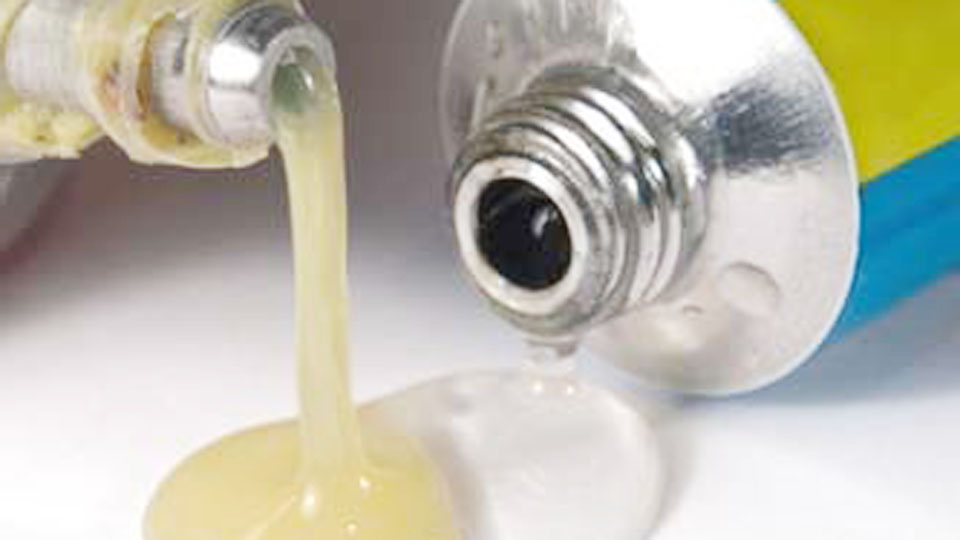
Image by lakesidepottery
If you’re in a hurry and need a quick fix, super glue might be your best bet. But if you need something incredibly strong and durable, epoxy is often the better choice.
The key is knowing when to use each one. Let’s take a closer look at what sets them apart so you can make the best decision for your needs.
What is Epoxy?
Epoxy is a two-part adhesive made up of a resin and a hardener. When these two components are mixed, they create a strong chemical bond that can adhere to a variety of surfaces.
It’s one of the toughest adhesives available and is commonly used for heavy-duty repairs and industrial applications.
Advantages of Epoxy
- Extremely strong and durable – Provides a long-lasting bond.
- Works on multiple materials – Bonds metal, wood, plastic, glass, and more.
- Resistant to heat, water, and chemicals – Perfect for tough environments.
- Gap-filling ability – Works well on uneven surfaces.
- Can be sanded and painted – Useful for finishing work.
Disadvantages of Epoxy
- Takes longer to cure – Some epoxies need up to 24 hours to fully set.
- Requires mixing – You must combine the resin and hardener before use.
- Can be messy – It’s thick and harder to apply neatly.
- Not ideal for small, quick fixes – Too slow for urgent repairs.
What is Super Glue?
Super glue, also called cyanoacrylate adhesive, is a fast-drying glue that creates an instant bond when it comes into contact with moisture.
Unlike epoxy, it’s ready to use straight from the bottle—no mixing required. Super glue is excellent for quick fixes on small items, but it has its limitations.
Advantages of Super Glue
- Fast drying – Bonds in seconds to minutes.
- Easy to apply – No mixing or preparation needed.
- Dries clear – Great for applications where appearance matters.
- Works on a variety of surfaces – Metal, plastic, rubber, and more.
- Convenient and mess-free – Comes in a simple squeeze bottle.
Disadvantages of Super Glue
- Brittle bond – Not as strong as epoxy, especially under stress.
- Limited gap-filling ability – Works best on smooth, tight-fitting surfaces.
- Not resistant to heat and moisture – Can weaken over time.
- Can be difficult to remove – Bonds skin easily, which can be a problem.
Epoxy vs Super Glue: A Side-by-Side Comparison
If you’re wondering which adhesive is best for your project, it helps to compare them directly.
| Feature | Epoxy | Super Glue |
|---|---|---|
| Bond Strength | Extremely strong and long-lasting | Strong but brittle |
| Drying Time | Several hours to fully cure | Sets in seconds to minutes |
| Durability | Heat, water, and chemical-resistant | Can weaken over time |
| Ease of Use | Requires mixing and precise application | Ready to use, no mixing needed |
| Best For | Heavy-duty repairs, uneven surfaces | Small, quick fixes, smooth surfaces |
| Flexibility | Forms a rigid, solid bond | Can be brittle and prone to cracking |
When to Use Epoxy
Epoxy is best when you need a strong, long-lasting bond that can handle stress, heat, and moisture. Here are some situations where epoxy is the better option:
- Metal repairs – Fixing tools, machinery, and automotive parts.
- Wood bonding – Attaching wooden pieces in construction or furniture.
- Plastic repairs – Works well with certain types of plastics.
- Waterproof applications – Outdoor furniture, boats, or plumbing repairs.
- Industrial use – Common in manufacturing and construction projects.
When to Use Super Glue
Super glue is ideal when you need a quick and easy bond. It’s perfect for smaller projects where speed matters more than long-term strength. Use super glue for:
- Fixing broken household items – Glass, ceramics, and small plastic objects.
- DIY and crafting – Quick repairs on jewelry, decorations, and lightweight materials.
- Bonding smooth, tight-fitting parts – Ideal for small pieces that fit flush together.
- Temporary fixes – Holding something in place until a stronger adhesive is applied.
- Light-duty applications – Things that won’t be exposed to heat, water, or pressure.
How to Use Epoxy Properly
Epoxy requires some preparation to get the best results. Here’s how to apply it:
- Clean the surface – Make sure it’s free from dirt, grease, or dust.
- Mix the epoxy – Combine equal parts of the resin and hardener.
- Apply evenly – Spread the mixture over one or both surfaces.
- Clamp or hold in place – Keep the pieces steady while the epoxy cures.
- Let it cure fully – Some epoxies set in a few hours, while others need a full day.
How to Use Super Glue Properly
Super glue is much easier to apply than epoxy. Here’s the best way to use it:
- Clean the surface – Remove any oil, dust, or moisture.
- Apply a small amount – A little goes a long way with super glue.
- Press the pieces together – Hold firmly for about 30 seconds.
- Allow time to cure – The bond strengthens over the next few minutes.
Common Mistakes to Avoid
If your adhesive isn’t holding, one of these mistakes could be the reason:
- Not cleaning the surface properly – Dirt and grease weaken the bond.
- Using too much glue – Can create a weaker, less effective bond.
- Not allowing enough curing time – Even super glue needs time to fully harden.
- Choosing the wrong adhesive – Pick the one that suits your needs best.
Conclusion
When it comes to epoxy vs super glue, the choice depends on your project. If you need a high-strength, permanent bond, epoxy is the better option. It takes longer to cure but provides excellent durability. If you need a quick, easy fix for small items, super glue is the way to go.
For heavy-duty repairs or outdoor applications, epoxy is the superior choice. But for fast household fixes, super glue is more convenient. Understanding their differences will help you pick the right one for your job, ensuring a strong, lasting bond.
FAQs
Can epoxy and super glue be used together?
No, they work differently and won’t bond well if mixed. It’s best to choose one or the other.
Which glue is best for outdoor use?
Epoxy is the best choice for outdoor applications because it resists moisture and heat.
Can super glue work on metal?
Yes, but only for small parts. Epoxy is much better for strong, long-term metal bonding.
How long does epoxy take to fully cure?
Most epoxies take 24 hours to reach full strength, though some fast-setting formulas cure in minutes.
Is super glue permanent?
Super glue is strong, but it can become brittle over time. Epoxy offers a more permanent solution.
No matter what you’re working on, choosing the right adhesive will make your repairs and projects more successful!


