Striking an arc with the wrong helmet shade feels a lot like staring into a camera flash you didn’t see coming—your eyes burn, your vision blurs, and suddenly the whole weld turns into guesswork. I’ve run into this plenty of times using helmets with faded shade numbers, worn stickers, or auto-darkening lenses that just didn’t react the way they should.
After switching between MIG, TIG, and Stick setups for years, I’ve learned that knowing your exact lens shade is non-negotiable.
It’s not just about comfort. The right shade protects your eyes, lets you see the puddle clearly, and keeps your welds clean and consistent. If you’ve ever wondered whether your lens is too dark, too light, or just unreliable, let me walk you through the quick checks I use in the shop to nail the correct shade every time.
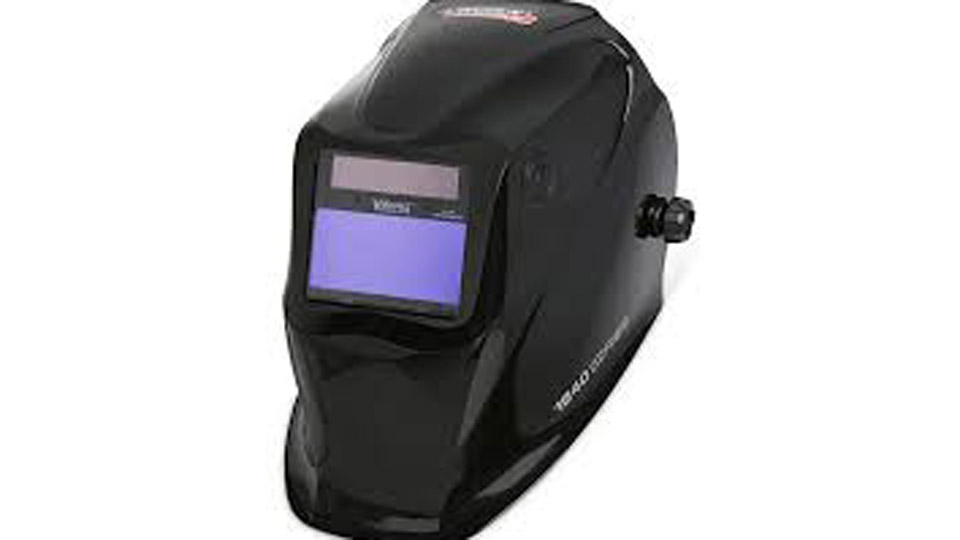
Image by weldingmart
Why the Wrong Shade Will Ruin Your Day (or Your Eyes)
Arc rays are brutal. We’re talking ultraviolet and infrared that can cook your retinas faster than you can say “cheater lens.” Too light a shade and you get arc flash that feels like sand in your eyes.
Too dark and you’re welding blind, burning through material, or laying down cold lap that fails inspection the first time the boss drags a hammer across it. I’ve seen grown men cry in the burn trailer because they ran a shade 9 on 250 amps of stick. Don’t be that guy.
The Number on Your Lens Actually Means Something
Every auto-darkening or fixed-shade lens is stamped with a number – usually 8 through 14 for most of us. That’s the DIN shade rating (European system) or just “shade” in American shops. Higher number = darker lens = more protection. Simple.
The old-school rule I still use: take your amperage, drop the last digit, and that’s roughly your starting shade. Running 150 amps? Start around shade 10-11. Cranking 300 amps on some 1-inch plate? You’re looking at 12-13. Works 90% of the time.
Quick Shade Guide I Keep Taped Inside My Toolbox Lid
I made this chart years ago after frying my eyes one too many times on night shift. Print it, laminate it, live by it.
| Process | Amperage Range | Recommended Shade |
|---|---|---|
| MIG (short circuit) | 30-150 | 9-11 |
| MIG (spray transfer) | 180-250 | 11-12 |
| MIG (aluminum spool gun) | 150-225 | 11-13 |
| Stick (6010/7018) | 50-120 | 10-11 |
| Stick (heavy root) | 130-225 | 11-13 |
| TIG (steel/stainless) | 20-150 | 9-12 |
| TIG (aluminum AC) | 100-250 | 11-13 |
| Flux-core (indoor) | 150-300 | 11-13 |
| Plasma cutting | 30-80 amps | 8-10 |
| Carbon arc gouging | 300-500 | 12-14 |
This isn’t gospel – your eyes, the base metal, and even the rod you’re burning change things – but it’ll keep you out of trouble.
How to Actually Read the Number on Your Helmet
Flip that helmet over. On auto-darkening lenses you’ll usually see something like “Shade 3/5-13” or “9-13” printed right on the cartridge. Fixed lenses have the number molded into the plastic – look on the edge or the inside.
If it’s worn off (and it will be after a couple years of grinding sparks), grab a Sharpie and rewrite it yourself. I’ve got helmets that look like kindergarten art projects because I keep re-marking the shade after every lens swap.
Auto-Darkening vs Fixed Shade – My Real-World Take
I run auto-darkening 90% of the time now. Back when I was green, the old-timers swore by fixed shade 10 gold lenses and called flip-ups “toys for rich kids.” Then I tried a 3M Speedglas in 2009 and never looked back.
The light state (usually shade 3-4) lets you see your fit-up perfectly, then bam – it drops to your set shade the instant you strike. No more nodding the helmet down like a chicken while you’re perched on a ladder thirty feet up.
But fixed shades still have their place. I keep a couple shade 10 and 12 passive helmets in the truck for gouging or when I’m running dual-shield flux-core outside – autos can glitch in bright sunlight sometimes. Pick your battles.
Common Mistakes I Still See Every Week on Job Sites
Running shade 10 on everything because “that’s what my buddy uses.” Your buddy isn’t welding the same material, same position, or same amperage as you. I watched a kid in Oklahoma try to run 1/8” 7018 at 140 amps on shade 10 overhead – looked like he was welding with his eyes closed. Porosity city.
Forgetting to adjust when you swap processes. You finish TIG on stainless at 100 amps with shade 10, then jump straight to stick without turning it up – congratulations, you just cooked your eyeballs.
Trusting the factory delay and sensitivity settings. Crank the delay up a hair when you’re outside – sun fools the sensors. Drop sensitivity down in really bright shops with lots of reflected arc.
How to Test Your Shade Before You Trust It With Your Eyesight
Here’s the trick I teach every new helper: set your machine to whatever you’re about to run, have a buddy strike an arc across the shop while you look from twenty feet away with your helmet up. Flip it down.
Can you see the puddle clearly without squinting like you’re staring at the sun? Can you still see your stinger or torch? Perfect. If it’s too dark, back the shade down one click. Too bright and you’re clenching your face, go up. Takes thirty seconds and saves your vision.
What About Cheater Lenses and Magnifiers?
Once you hit about 38 (don’t ask how I know), you’ll start wanting a 1.50 or 2.00 magnifier. They drop right into most modern helmets. I fought it for a year thinking it was “old man stuff,” then finally installed one and wondered how I ever lived without it. Root passes look like 4K now.
Grinding and Cutting – Don’t Be the Guy Wearing Shade 13
I see dudes grinding in full dark mode all the time and just shake my head. Flip the helmet to light state or drop in a clear cover lens. You’ll grind straighter, faster, and stop looking like a serial killer walking around the shop.
When OSHA or the Inspector Shows Up
American Welding Society D1.1 and OSHA 1910.252 say you’ve got to have “filter lenses of the proper shade number” for the current you’re running. They don’t mess around. I’ve had inspectors make guys swap lenses on the spot because they were running shade 9 on 200-amp flux-core. Keep that chart handy and you’ll never sweat an audit.
My Personal Helmet Setup That’s Never Let Me Down
Right now I’m running a Lincoln Viking 3350 (yeah, the black one that looks like a stormtrooper). Set on 5-13 variable, sensitivity at 70%, delay at medium-long. Shade 10 is my default – I bump to 11 for stick or heavy MIG, drop to 9-10 for TIG. Four sensors, replaceable battery, and it’s survived being dropped off a second-story mezzanine twice. Worth every penny.
Quick Pro Tip Before You Strike the Next Arc
Always have a spare clear cover lens in your box. One pinhole from a grinder spark and your helmet flashes like a disco ball every time someone welds near you. Five bucks and two minutes to swap – do it.
You now know exactly how to tell what shade your welding helmet is, how to pick the right one for whatever you’re burning, and how to keep your eyes safe for the next thirty years. Next time you grab that helmet, check the number, dial it in, and weld like you mean it. Your retinas will thank you tomorrow morning.
FAQs
What shade should I use for TIG welding aluminum?
For most AC TIG on aluminum between 100-225 amps, run shade 11-13. Start at 12 and adjust until you can clearly see the puddle without squinting.
Can I use the same shade for MIG and stick?
Usually no. MIG short-circuit at 120-150 amps likes 10-11. The same amperage on 7018 stick usually needs 11-12 because the arc is harsher and more UV.
Is shade 10 safe for all welding under 200 amps?
It’s a safe starting point for most guys, but if you’re burning 6010 root or cellulose rods, bump to 11 or you’ll feel it later.
Why does my auto-darkening helmet flash when someone welds next to me?
Either your sensitivity is cranked too high or you’ve got a pinhole burn in the cover lens. Swap the cover first – 90% of the time that’s it.
Do I need a darker shade outdoors in sunlight?
Not usually darker, but increase the delay a notch so bright sunlight doesn’t trick it into staying light when you strike.