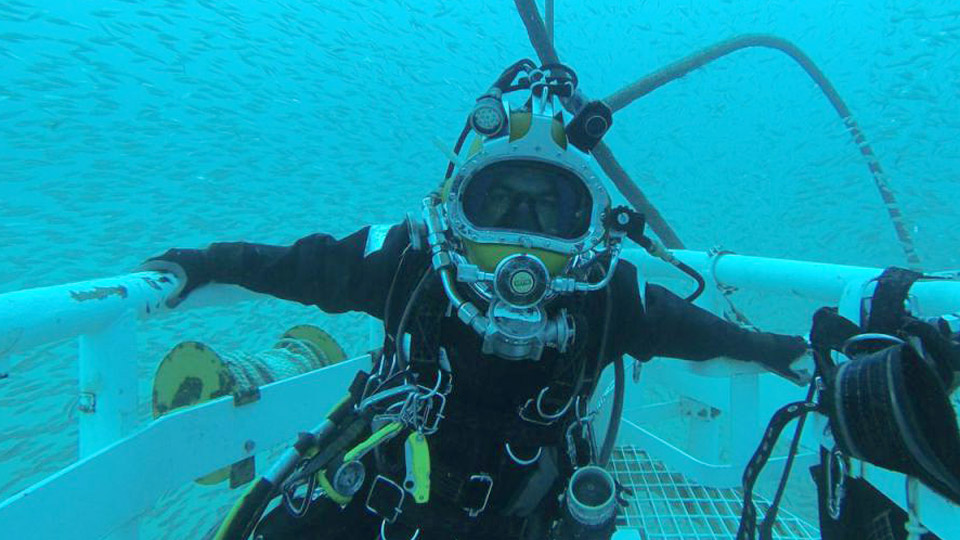
Are you fascinated by the underwater world and looking for a challenging career that combines technical skills with diving? If so, a career in underwater welding might be the perfect fit for you! Underwater welding is a specialized field that offers exciting job opportunities in various sectors, such as oil and gas, construction, and shipbuilding. Becoming an underwater welder requires dedication, hard work, and the right training and certifications.
We will provide you with all the information you need to pursue an underwater welding career, from the necessary qualifications and skills to the best training programs and job prospects. If you’re just starting or already have some experience in welding or diving, this guide will help you understand the ins and outs of underwater welding and how to become a successful underwater welder.

Underwater welding career in different Industry
If you’re considering a career in underwater welding, it’s essential to understand the industry’s landscape. The field of underwater welding offers diverse career opportunities, including working on offshore structures, pipelines, ships, and bridges.
Becoming a proficient underwater welder requires more than just having welding skills. Professionals in this trade need to undergo specialized training and certification programs to master the necessary underwater welding techniques.
| Types of Underwater Welding Career Opportunities | Job Descriptions |
|---|---|
| Offshore diving | Underwater welders working on oil rigs or drilling platforms in open waters |
| Commercial diving | Underwater welders who work on docks and ports, repairing bridges, piers, and ships |
| Nuclear power diving | Underwater welders employed in nuclear power plants that operate alongside water bodies |
The importance of being certified by accredited underwater welding schools cannot be understated. The training programs offered by these schools cover the safety protocols, welding techniques, and specialized equipment used in underwater welding. You will learn how to handle different welding materials while working in underwater environments.
Beyond technical skills, a career in underwater welding requires special physical abilities, including the ability to work comfortably in confined underwater spaces, subject to water pressure and temperature changes.
The field of underwater welding provides many career opportunities for those willing to undergo the necessary underwater welding training and certification programs.
To be a successful underwater welder, one must have the right combination of technical and physical skills along with a strong commitment to safety and staying up-to-date with industry standards.
Skills and Qualifications for Underwater Welding
Underwater welding requires a unique set of skills and qualifications to ensure successful operations and minimize risks. Aspiring underwater welders must possess the strength, stamina, and agility needed to work in challenging underwater environments.
Physical Qualifications
Physical fitness is crucial for underwater welders. They must meet certain requirements, such as good vision and hearing, to operate in low visibility conditions.
They should have experience with respiratory equipment and must be able to adjust depth and pressure in their body to avoid decompression illness.
Welders must also have excellent hand-eye coordination, dexterity, and manual skills. These abilities come in handy when handling welding equipment, positioning materials, and using hand and power tools to complete complex tasks.
Technical Qualifications
In addition to physical skills, underwater welders must have specific technical qualifications. They must successfully complete underwater welding courses from reputable schools and hold appropriate certifications.
They should be proficient in welding techniques and methodologies such as hyperbaric welding, dry welding, and wet welding. They should also understand welding symbols, blueprints, and diagrams.
Underwater welders should master safety protocols and follow industry-standard procedures to avoid mishaps such as explosions, electrical shocks, and corrosion.
They must also be capable of identifying the different types of materials used in welding and understand how different coatings and corrosion protection measures work under the water pressure.
| Technical Skills | Physical Skills |
|---|---|
| Ability to operate weld equipment | Good vision and hearing |
| Experience with hyperbaric chambers | Strength and stamina |
| Familiarity with welding techniques such as wet, dry, and hyperbaric | Manual dexterity |
| Proficiency in reading diagrams and blueprints | Hand-eye coordination |
| Knowledge of safety protocols and procedures | Ability to adjust to depth and pressure |
Underwater welding is a challenging and rewarding profession that demands physical and technical excellence. Aspiring underwater welders, and those already in the industry, must regularly update their skills and knowledge to maintain high standards, protect their safety, and ensure the successful completion of underwater welding projects.
Training and Certifications for Underwater Welding
Obtaining the right training and certifications is crucial for a successful career in underwater welding. There are several options available to individuals who are interested in pursuing this career path. One of the most popular options is through professional associations such as the American Welding Society (AWS).
The AWS offers a variety of welding certification programs, including the Certified Underwater Welder (CUW) program. This program is designed for individuals who have already completed basic welding training and are interested in mastering underwater welding techniques. It covers topics such as safety and equipment, welding techniques, and industry-specific regulations.
Other training programs are available through specialized underwater welding schools such as International Diving Institute, National University Polytechnic Institute, and Commercial Diving Academy. These programs offer comprehensive training in underwater welding, cutting, and inspection techniques.
| Certifications | Issuing Body |
|---|---|
| Certified Underwater Welder (CUW) | American Welding Society (AWS) |
| Underwater Welding and Cutting Certification | Bureau Veritas |
| Underwater Welding Diver Certification | Commercial Diving Academy |
It is essential to stay up-to-date with the latest industry standards and regulations to remain competitive in this field. Employers often prefer to hire individuals with the latest certifications that match their specific needs.
Continuing education and training can also help individuals advance their careers in underwater welding. Short courses in specific welding techniques, welding inspection, and other related fields are available to make them more attractive to potential employers.
Job Opportunities in Underwater Welding
Underwater welding is a specialized field that offers a range of job opportunities. Some of the industries and sectors that require underwater welders include oil and gas, shipping, underwater construction, marine salvage, and naval architecture.
The offshore welding jobs are perhaps the most popular among underwater welders. These jobs involve welding, repairing and maintaining underwater pipelines, rigs, and other offshore structures.
| Industry or Sector | Job Title |
|---|---|
| Oil and Gas | Underwater Welder, Offshore Welder |
| Shipping | Ship Repair Welder, Marine Welder |
| Underwater Construction | Construction Diver, Underwater Welding Inspector |
| Marine Salvage | Salvage Diver, Marine Welding Technician |
| Naval Architecture | Naval Welding Inspector, Submarine Welder |
With the right training and certifications, underwater welders can enjoy a fulfilling career in a financially rewarding industry.
Challenges and Risks in Underwater Welding
Underwater welding is a high-risk profession that poses numerous challenges to its practitioners. The harsh underwater environment can affect their mental and physical health. The welder’s ability to seek some level of physical comfort is quite limited underwater.
Dangers, such as underwater currents, can pose significant risks to the welder’s life. This section will discuss some of the challenges and focus on safety precautions for underwater welders.
Underwater Welding Safety
Underwater welders must abide by strict safety protocols to avoid potential risks. Some of these measures include:
Proper equipment
The underwater welder must utilize the correct welding equipment, including welding machines, diving gear, and safety gear.
Training and certification
Professional underwater welders must be licensed and receive proper training to ensure they can competently carry out underwater welding tasks.
Communications and rescue plans
A team of divers will be in charge of monitoring the safety of an underwater welder. These teams must maintain uninterrupted communication, so they can effectively execute a rescue plan if needed.
Prior movement analysis and pre-welding checks
Before undertaking any underwater welding work, the team must conduct a movement analysis to anticipate potential risks. This process includes planning, inspecting, and testing equipment before use.
Risks in Underwater Welding
Underwater welding is a high-risk profession, and various hazards must be addressed by underwater welders to ensure their safety. Below are some of the most significant risks:
Electric shock
One of the most common risks underwater welders experience is electric shock. To mitigate this risk, welders should always wear proper safety gear, avoid using damaged or faulty welding equipment, and use low amperage to reduce the potential for electric shock.
Explosions and fires
Underwater welders can unintentionally ignite combustible objects during the welding process. It is best to use the proper equipment, including insulation devices like insulator blankets, to help prevent any ignition.
Hypothermia and heatstroke
Underwater welders must deal with temperature extremes underwater. Risk of heatstroke can be mitigated through regulating the air temperature by wearing appropriate suits.
Stay warm by wearing under-suits, drinking warm drinks etc while the risk of hypothermia can be managed with anti-exposure suits, as well as corrective measures if someone shows signs of illness.
Underwater currents and visibility issues
Strong underwater currents and poor visibility can make it challenging for underwater welders to carry out tasks. To mitigate these risks, GPS systems, dive computers, and underwater cameras are used to aid communication, gauge depth, and help improve visibility during the welding process.
Comprehensive training and proper safety gears are necessary for underwater welders to succeed in their profession as they continuously face harsh situations.
Safety protocols aim to reduce the rate of risks in underwater welding. Always take precautions and prioritizing the safety of underwater welders.
Salary and Career Progression in Underwater Welding
One of the top factors that make underwater welding a lucrative career option is the potential to earn a handsome salary.
As per research, the average annual salary for an entry-level underwater welder in the United States is around $33,000, and it can increase with experience and specialized skills. For example, experienced underwater welders can earn anywhere between $50,000 and $80,000 per year.
Certifications and training can also have a significant impact on an underwater welder’s earning potential. For instance, certification by the American Welding Society (AWS) or the Association of Diving Contractors International (ADCI) can signify that an underwater welder has the necessary skills, knowledge, and experience to perform tasks safely and efficiently, which can lead to higher salaries.
Career progression is also significant in underwater welding, with opportunities to advance to supervisory, managerial, or even ownership roles. As one gains experience and expertise in this field, they can take on more extensive projects and responsibilities, such as becoming a dive supervisor, inspector, or project manager.
Conclusion
Pursuing a career in underwater welding can be an exciting and lucrative opportunity for those who possess the necessary skills, qualifications, and certifications.
Success in this specialized field requires a commitment to continuous learning and safety practices to mitigate the inherent risks of the job.
By following the step-by-step guide provided in this article and obtaining proper training and certifications, aspiring underwater welders can increase their chances of landing lucrative job opportunities and advancing their careers in the future. It’s important to remember that underwater welding requires a unique set of abilities and should not be taken lightly.
As with any profession, the salary and career progression opportunities in underwater welding depend on a variety of factors, such as experience, skills, and location.
The industry continues to offer promising prospects for those willing to put in the hard work and dedication necessary to succeed.
Thank you for reading this guide on how to become an underwater welder. We hope it has provided valuable insights on the industry, career opportunities, and the challenges one can expect to face. Remember to stay safe, continuously improve your skills, and never stop learning.