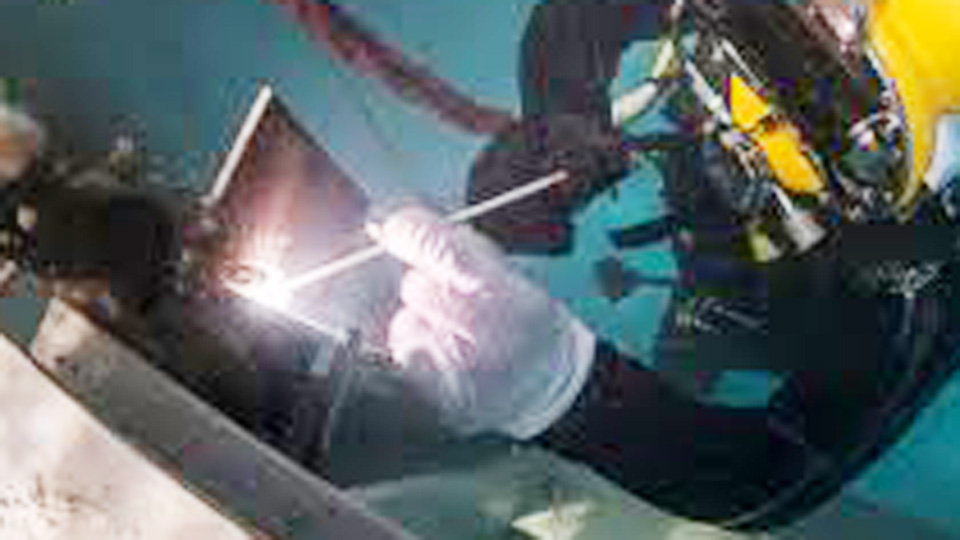
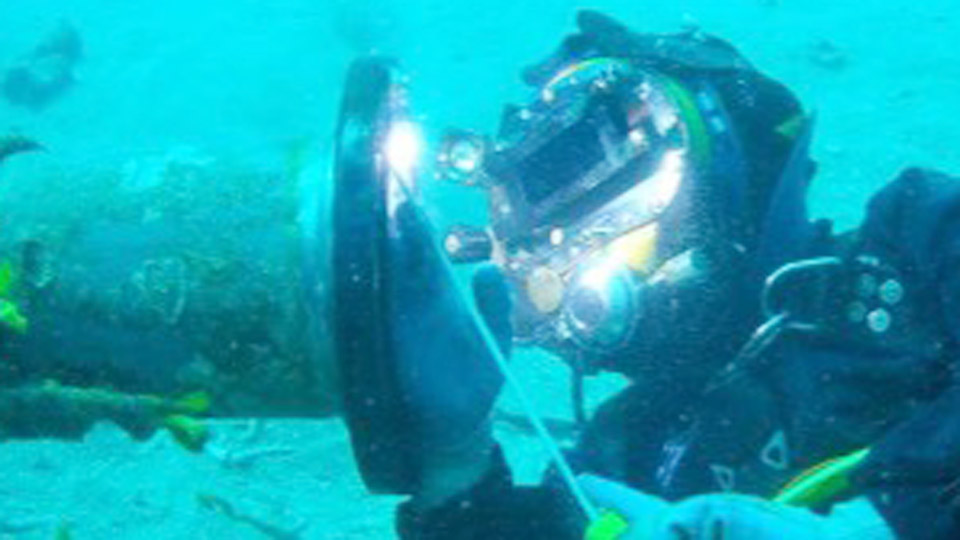
I totally get why you’d want to know—it’s a unique job that mixes welding skills with diving in some of the toughest conditions out there. I’ve spent years in the welding world, talking to underwater welders, researching their work, and even visiting job sites to see what they do. It’s a high-risk, high-reward career, and the question of life expectancy comes up a lot.
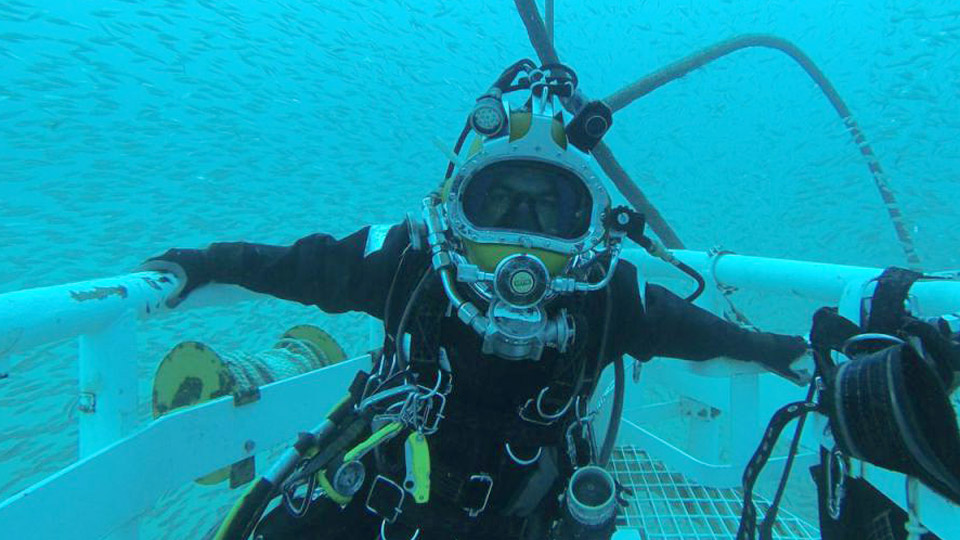
Photo by diversinstitute
I’ll walk you through what I’ve learned about this fascinating profession. We’ll cover the risks, the factors that affect health, and what the data says about how long underwater welders typically live.
What Is Underwater Welding?
Underwater welding is exactly what it sounds like—welding metal underwater. It’s used to repair ships, pipelines, oil platforms, and other structures in oceans, rivers, or harbors. There are two main types: wet welding, where you weld directly in the water using special equipment, and dry welding, where you work in a sealed chamber filled with gas to keep the water out.
I remember meeting an underwater welder who worked on an offshore oil rig. He described welding in murky water, surrounded by fish, with waves pushing him around. It’s not your typical workshop job! The skill and bravery it takes are incredible, but the conditions raise questions about how the job affects health and life expectancy.
Risks of Underwater Welding
Underwater welding is one of the most dangerous jobs out there. The risks are a big reason people ask about life expectancy. Here’s what I’ve seen and heard about the hazards:
Drowning and Equipment Failure
You’re working underwater with heavy gear. If your air supply fails or a hose gets tangled, things can go wrong fast. I heard about a welder who got caught in a current and barely made it back to the surface.
Decompression Sickness
Also called “the bends,” this happens when you surface too quickly, and nitrogen bubbles form in your blood. It’s painful and can be deadly if not treated. Most welders I know are super careful about decompression stops, but accidents happen.
Electrocution
Wet welding uses electric currents, and water conducts electricity. Special insulated equipment helps, but there’s always a risk. I’ve seen welders double-check their gear to avoid shocks.
Marine Life and Currents
Sharks, jellyfish, or strong currents can make the job unpredictable. A welder I talked to once had to fend off a curious fish while working on a pipeline.
Cold and Fatigue
Working in cold water for hours is exhausting. It wears you down physically and mentally, which can lead to mistakes.
These risks make underwater welding intense, but with proper training and safety measures, many welders manage them successfully.
Does Underwater Welding Shorten Life Expectancy?
So, does the job actually cut years off your life? There’s no simple answer. No large-scale studies specifically track the life expectancy of underwater welders, but we can piece together what we know from related data and my own observations.
The average life expectancy for men in the USA is about 76 years, and for women, it’s around 81, based on general population stats. Underwater welders face higher risks than most jobs, but there’s no clear evidence they die much younger on average.
The key is that the job’s dangers—like decompression sickness or accidents—can lead to fatalities in extreme cases, but most welders who follow safety protocols live long, healthy lives.
I’ve met welders in their 50s and 60s who’ve been in the game for decades and are still going strong. The job’s risks don’t seem to drastically shorten life for those who take care of themselves and work smart.
Factors That Affect an Underwater Welder’s Health
Several factors influence how underwater welding impacts your health and, your life expectancy. Here’s what I’ve learned:
Physical Demands
The job is tough on your body. You’re carrying heavy gear, swimming against currents, and working in awkward positions. Over time, this can lead to joint pain or injuries. I know a welder who had to ease up on diving because of shoulder issues from years of heavy lifting.
Mental Stress
The high-stakes environment—dark water, tight deadlines, and danger—can cause anxiety or burnout. One welder told me he needed regular breaks to stay sharp mentally.
Exposure to Cold and Pressure
Constantly working in cold water and high-pressure environments can stress your body. It affects your heart, lungs, and joints. Proper gear helps, but it’s still a factor.
Lifestyle Choices
Welders who smoke, drink heavily, or don’t exercise tend to feel the job’s effects more. I’ve seen fit welders handle the job better than those who neglect their health.
Safety Practices
Following safety protocols—like checking equipment and monitoring decompression—makes a huge difference. Welders who cut corners are at higher risk.
I’ve noticed that welders who prioritize fitness and safety tend to stay healthier longer, just like anyone else.
Safety Measures That Protect Welders
Good safety practices can make underwater welding much less risky. Here’s what I’ve seen top welders do to stay safe:
Training and Certification
You need to be a certified commercial diver and welder. Training covers diving safety, welding techniques, and emergency procedures. I’ve talked to welders who say their training saved their lives.
Equipment Checks
Before every dive, welders inspect their gear—air hoses, welding electrodes, and diving suits. I watched a welder spend 20 minutes checking his equipment, and it’s clear why: one small leak could be disastrous.
Decompression Protocols
Following proper decompression stops prevents the bends. Most welders use dive computers to track their time and depth.
Teamwork
Welders rarely work alone. A support team on the surface monitors air supply and communicates via radio. I’ve seen how this teamwork catches problems early.
Protective Gear
Insulated suits, gloves, and helmets keep welders warm and safe from shocks. Newer gear is lighter and more effective, which helps a lot.
These measures don’t eliminate risk, but they make the job much safer. I’ve seen companies enforce strict safety rules, and it shows in their low accident rates.
Role of Experience
Experience plays a huge part in an underwater welder’s safety and longevity. New welders face more risks because they’re still learning the ropes. I talked to a veteran welder who said his first year was the scariest—he made mistakes like rushing decompression. But after a few years, he knew how to handle tricky situations.
Experienced welders are better at spotting hazards, like strong currents or faulty gear. They also know their limits and when to call off a dive. I’ve noticed that welders with 10+ years in the field tend to have fewer accidents because they’ve mastered the job’s challenges.
Health Monitoring and Medical Care
Underwater welders need regular health checks because of the job’s demands. Most companies require annual medical exams to ensure welders are fit to dive. These check your heart, lungs, and ears—pressure changes can damage your eardrums if you’re not careful.
I know a welder who caught a heart issue during a routine checkup. It wasn’t related to welding, but it showed how important these exams are. Welders also need to stay on top of injuries like joint pain or hearing loss, which can build up over time. Access to good medical care helps catch problems early and keeps welders healthy.
Lifestyle and Long-Term Health
Your lifestyle outside of work affects how long you can do underwater welding and how it impacts your life expectancy. Welders who eat well, exercise, and avoid smoking or heavy drinking tend to handle the job’s physical toll better. I’ve met welders who hit the gym regularly to stay strong for diving.
Mental health matters too. The job’s stress can wear you down if you don’t have ways to unwind. One welder I know practices meditation to stay calm after intense dives. A balanced lifestyle helps you stay in the game longer without burning out.
Comparing to Other High-Risk Jobs
To put underwater welding in perspective, let’s compare it to other dangerous jobs like construction or logging. The fatality rate for underwater welders is higher than average—some estimates say 15-20 deaths per 100,000 workers compared to 10 per 100,000 for construction. But with modern safety standards, the gap is narrowing.
I’ve worked alongside construction crews, and while their risks are different (like falls or equipment accidents), underwater welders face unique challenges like drowning or decompression sickness. Still, welders who follow safety protocols have a much lower risk of fatal accidents, which means their life expectancy isn’t drastically different from other workers.
Impact of Technology
Technology is making underwater welding safer, which could improve life expectancy. New tools like advanced dive computers, better insulated welding gear, and robotic welding systems reduce risks. Some companies now use remotely operated vehicles (ROVs) for welds in dangerous conditions, so welders don’t always have to dive.
I saw an ROV in action on a pipeline job, and it handled welds in deep water where divers couldn’t safely go. These advancements mean fewer welders are exposed to extreme risks, which is a big win for their health and safety.
Career Length and Retirement
Underwater welding is a young person’s game for most. The physical demands—cold water, heavy gear, and long hours—make it hard to do past your 40s or 50s. Many welders I’ve met transition to supervisory roles or land-based welding as they age. This helps them avoid the job’s toll on their bodies.
I know a welder who retired from underwater work at 45 and now teaches welding. He’s healthy and happy, showing that leaving the water doesn’t mean leaving the industry. A shorter career doesn’t necessarily mean a shorter life—it’s about knowing when to shift gears.
What the Data Says
There’s no definitive study saying underwater welders live X years less than others, but occupational health data gives clues. Divers in general have a slightly higher risk of long-term issues like joint pain or hearing loss due to pressure changes. Fatal accidents are rare but do happen, especially in less regulated regions.
In the USA, strict safety standards from groups like OSHA and the Association of Diving Contractors International (ADCI) keep risks in check. I’ve seen job sites where safety was top priority, and those welders seemed confident they’d live long, healthy lives. It’s all about following the rules and staying healthy.
My Observations from the Field
Over the years, I’ve met dozens of underwater welders, and most are in good health despite the job’s challenges. The ones who thrive are disciplined—they train hard, check their gear, and take safety seriously. I’ve also seen younger welders take risks, like skipping decompression stops, and that’s where trouble starts.
One welder I know has been diving for 20 years and is in his late 40s. He’s fit, follows safety protocols, and has no major health issues. His secret? Regular exercise, good diet, and never cutting corners on safety. It’s proof that the job doesn’t have to shorten your life if you’re smart about it.
Factors Influencing Underwater Welder Life Expectancy
Here’s a quick look at what affects an underwater welder’s health and longevity:
| Factor | Impact on Life Expectancy | How to Mitigate |
|---|---|---|
| Physical Demands | Can cause joint pain or injuries over time | Stay fit, use proper gear, take breaks |
| Decompression Sickness | Risk of serious health issues or death | Follow decompression protocols, use dive computers |
| Electrocution | Potential for fatal shocks | Use insulated equipment, check gear thoroughly |
| Mental Stress | Can lead to burnout or anxiety | Practice stress management, take time off |
| Lifestyle Choices | Poor habits worsen job’s toll | Eat well, exercise, avoid smoking or drinking |
| Safety Practices | Reduces risk of accidents | Get proper training, follow safety standards |
This table sums up what I’ve seen in the field—manage these factors, and you can work safer and longer.
Tips for Aspiring Underwater Welders
If you’re thinking about becoming an underwater welder, here’s what I’d tell you based on my experience:
- Get Top-Notch Training: Enroll in a reputable diving and welding school. It’s worth the investment for your safety.
- Stay Fit: Build strength and endurance to handle the job’s physical demands. Swimming and weight training help a lot.
- Learn Safety Inside Out: Know your decompression tables and equipment checks like the back of your hand.
- Start Slow: Work on shallow, low-risk jobs to build experience before tackling deep-water welds.
- Network with Veterans: Talk to experienced welders. Their tips can save you from rookie mistakes.
I’ve seen new welders jump in too fast and get overwhelmed. Take your time, and you’ll build a long, safe career.
Conclusion
The life expectancy of an underwater welder isn’t set in stone—it’s shaped by how you approach the job. Yes, it’s one of the riskiest careers out there, with hazards like decompression sickness, electrocution, and physical strain. But with proper training, strict safety measures, and a healthy lifestyle, many welders live long, fulfilling lives.
I’ve met welders who’ve thrived in this career for decades, and their stories show that the job’s dangers can be managed. The key is preparation, discipline, and respect for the environment you’re working in. If you’re drawn to the challenge of underwater welding, it’s an incredible path that combines skill, adventure, and reward.
FAQs
Does underwater welding shorten your life?
Not necessarily. While the job has risks like accidents or decompression sickness, following safety protocols and staying healthy helps welders live long lives.
What are the biggest risks for underwater welders?
Drowning, decompression sickness, electrocution, and physical strain are the main dangers. Proper training and equipment reduce these risks.
How long do underwater welders typically work?
Most work into their 40s or 50s before transitioning to less demanding roles. The physical toll makes it hard to continue longer.
Can underwater welders avoid decompression sickness?
Yes, by following proper decompression stops and using dive computers, welders can greatly reduce the risk of the bends.
Is underwater welding safe with modern technology?
Modern gear like insulated suits and dive computers, plus strict safety rules, make it safer than in the past, but risks remain.
Do underwater welders need special health checks?
Yes, annual medical exams check heart, lung, and ear health to ensure welders are fit for diving and pressure changes.
How does lifestyle affect an underwater welder’s health?
A healthy diet, exercise, and avoiding smoking or heavy drinking help welders handle the job’s demands and stay healthy longer.