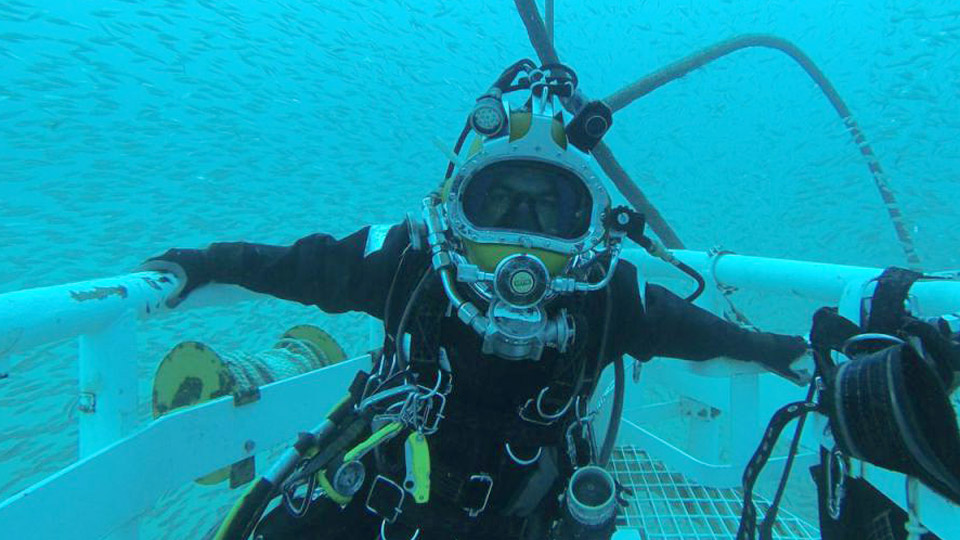
You’re diving into a fascinating corner of the welding world. Underwater welding is one of the most thrilling and challenging. It’s like welding in a whole different universe! The most common process used underwater is wet stick welding, also known as shielded metal arc welding (SMAW).
But there’s so much more to it—special equipment, unique techniques, and some serious safety concerns. I’ve talked to underwater welders and studied their craft, so let’s break it down together. I’ll share everything I’ve learned to help you understand why wet stick welding rules the seas and how it all works.
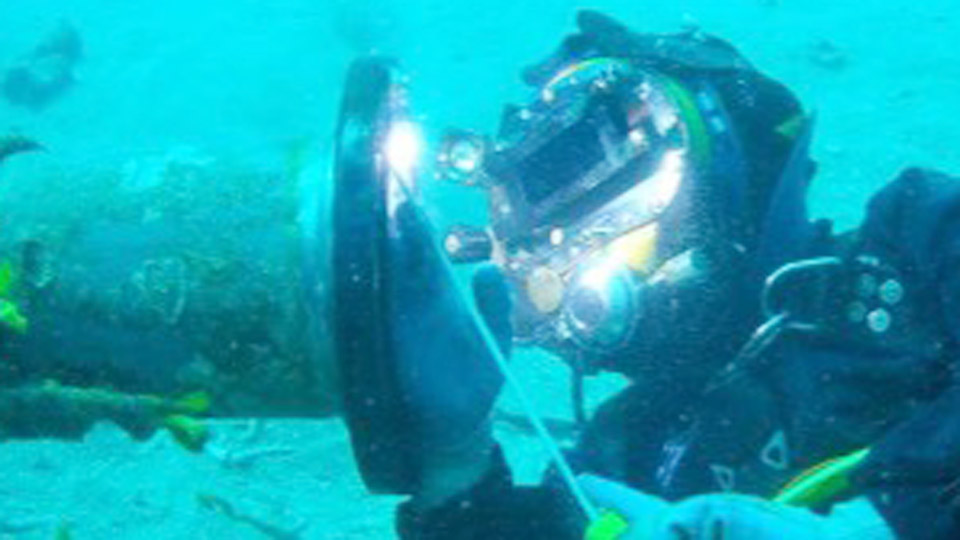
Image by subseaglobalsolutions
What Is Underwater Welding?
You’re underwater, surrounded by bubbles, welding a pipeline or ship hull while fish swim by. That’s underwater welding! It’s a skill used to repair offshore oil rigs, ships, pipelines, and other underwater structures. I find it amazing how welders can work in such extreme conditions. There are two main types: wet welding (done directly in the water) and dry welding (done in a sealed chamber).
Wet welding, using stick welding, is the most common because it’s versatile and doesn’t need fancy chambers. I’ve seen videos of divers welding underwater, and it’s like watching a sci-fi movie—sparks flying through the water!
Why Wet Stick Welding Is the Go-To Choice
So, why is wet stick welding the most popular underwater? It’s all about simplicity and practicality. Stick welding uses a consumable electrode coated in flux, which creates a protective gas bubble around the arc as it burns. This bubble shields the weld from water, making it perfect for wet environments.
I’ve talked to divers who love stick welding because it’s rugged, portable, and works in tough conditions. You don’t need complex setups like dry welding, which requires a hyperbaric chamber. Plus, stick welding equipment is easier to transport to remote underwater sites, like offshore rigs or deep-sea pipelines.
Another reason is cost. Wet stick welding is cheaper than dry welding. Building a sealed chamber underwater is expensive and time-consuming.
I’ve learned that companies often choose wet welding for quick repairs or when budgets are tight. It’s not perfect—welds can be less precise than dry welding—but it gets the job done in most cases.
How Wet Stick Welding Works Underwater
Wet stick welding is similar to regular stick welding, but with some key differences. The welder uses a waterproof electrode, usually a special type like the 6013 or 7018, coated to resist water. The electrode is connected to a welding machine on the surface, and power travels through insulated cables.
When the welder strikes an arc, the flux burns and forms a gas bubble that pushes water away from the weld pool. It’s wild to think about—sparks underwater!
The welder, who’s also a trained diver, wears a dive suit and helmet with an oxygen supply. The welding machine is set to direct current (DC) to avoid electric shock, usually on DCEP (electrode positive) for better stability.
I’ve watched divers practice this, and it’s a balancing act—controlling the arc while fighting water currents and limited visibility. The electrode burns faster underwater, so welders work in short bursts to keep things steady.
Equipment Needed for Wet Stick Welding
The gear for underwater stick welding is specialized. I’ve checked out some of this equipment, and it’s built to handle the harsh underwater environment. Here’s what you need:
Waterproof Electrodes: These are coated with a waterproof flux to protect the arc. I’ve seen brands like Broco or Hydroweld, designed specifically for underwater use.
Diving Gear: A drysuit, helmet, and oxygen supply keep the welder safe and breathing. The helmet often has a visor for clear vision.
Welding Machine: A DC welding machine is a must—AC is too dangerous underwater. I’ve seen 400-amp machines used for deep welds.
Insulated Cables: Long, waterproof cables connect the welder to the surface. They’re tough to prevent leaks or shocks.
Electrode Holder: This is insulated and designed to grip wet electrodes securely. I’ve held one, and it feels heavier than a regular holder.
Surface Support: A team on a boat or platform monitors the welder’s oxygen and power. Communication is key, and I’ve heard divers say this teamwork saves lives.
Safety Challenges of Wet Stick Welding
Underwater welding is one of the most dangerous jobs out there. I’ve talked to welders who say it’s not just about the weld—it’s about staying alive. Here are the biggest safety risks:
Electric Shock: Even with DC, a damaged cable or wet equipment can cause shocks. I’ve heard stories of divers double-checking every connection to stay safe.
Drowning or Decompression Sickness: Divers work at deep depths, so proper dive protocols are critical. A rushed ascent can cause “the bends,” which is painful and dangerous.
Poor Visibility: Murky water or sediment can make it hard to see the weld. I’ve seen divers train with lights to improve their view.
Cold and Currents: Water is cold, and currents can push you around. Divers wear insulated suits, but fatigue sets in fast.
Gas Explosions: The arc produces hydrogen and oxygen gases, which can build up and ignite. Divers clear bubbles carefully to avoid this.
Here’s a table summarizing these risks and how to handle them:
| Risk | Why It’s a Problem | How to Mitigate |
|---|---|---|
| Electric Shock | Water conducts electricity, risking shocks. | Use DC power, insulated cables, and dry equipment; check connections regularly. |
| Drowning/Decompression | Deep diving can lead to drowning or the bends. | Follow strict dive protocols; use trained dive teams; monitor oxygen levels. |
| Poor Visibility | Murky water obscures the weld area. | Use dive lights; work in calmer waters when possible; train for low visibility. |
| Cold and Currents | Cold water and currents cause fatigue and instability. | Wear insulated drysuits; plan dives for calm conditions; take breaks to rest. |
| Gas Explosions | Arc gases can ignite in confined spaces. | Clear gas bubbles; avoid welding in tight areas; use proper ventilation. |
Techniques for Successful Wet Stick Welding
Getting a good weld underwater takes skill. I’ve watched divers practice, and it’s like welding with one hand tied behind your back. Here are some techniques they use:
Short Arc Length: Keep the arc tight—about the width of the electrode. This helps control the weld pool in water. I’ve seen divers practice this on land first.
Fast Travel Speed: Water cools the weld quickly, so move steadily to avoid cracking. I’ve heard welders aim for a dime-sized weld pool.
Clean the Metal: Rust or marine growth on the workpiece can ruin welds. Divers use wire brushes or grinders to prep the surface.
Work in Short Bursts: Electrodes burn fast underwater. Welders do short beads, stop to clear slag, and check their work before continuing.
Stable Positioning: Currents can push you around, so divers brace themselves against the structure or use weights. I’ve seen this make a huge difference in weld quality.
When Wet Stick Welding Isn’t the Best Choice
Wet stick welding is common, but it’s not always the best option. I’ve learned that dry welding, done in a hyperbaric chamber, produces stronger, cleaner welds. It’s used for critical repairs, like deep-sea pipelines, where quality can’t be compromised.
However, dry welding is expensive and complex, so it’s less common. I’ve also heard of MIG and flux-cored arc welding (FCAW) being tested underwater, but they’re rare because they need more equipment, like gas tanks, which are hard to manage underwater.
If the job is shallow and non-critical, wet stick welding is fine. But for deep or high-stakes welds, companies often opt for dry welding. I’ve talked to welders who say the choice depends on budget, depth, and how perfect the weld needs to be.
Training and Skills for Underwater Welders
Becoming an underwater welder isn’t just about welding—it’s about diving, too. I’ve met welders who trained for years to master both. You need commercial diving certification, which includes skills like underwater navigation and emergency procedures.
Welding training comes next, focusing on stick welding techniques adapted for water. I’ve seen training programs that simulate underwater conditions in pools, teaching welders to handle currents and low visibility.
Physical fitness is huge. Divers carry heavy gear and work in cold, high-pressure environments. Mental toughness matters, too—staying calm in murky water with a ticking oxygen supply isn’t easy. I admire these welders; they’re like superheroes of the trade.
My Experience with Underwater Welding
I’ve never welded underwater myself, but I’ve been obsessed with it since I first saw a documentary about it. The idea of welding while surrounded by water blew my mind! I started digging into the topic, talking to underwater welders at trade shows and online forums.
One welder, a guy named Mike, told me about his first dive-weld job on a ship hull. He said the water was so murky he could barely see his hands, and the current kept pushing him off the weld. But when he got the arc going, it felt like magic—sparks lighting up the dark water.
I’ve also visited a welding school with an underwater training tank. Watching students practice wet stick welding was incredible. The electrodes fizzed, bubbles streamed up, and the welds looked surprisingly good. I tried holding a waterproof electrode and felt its weight—it’s different from standard rods.
My chats with divers taught me that underwater welding is as much about preparation and safety as it is about skill. Their stories of fixing pipelines in the Gulf of Mexico or patching ships in stormy seas left me in awe.
Conclusion
Wet stick welding is the king of underwater welding for good reason—it’s tough, affordable, and gets the job done in the harshest conditions. From waterproof electrodes to skilled divers, it’s a process that combines welding know-how with underwater grit. Sure, it’s risky, with challenges like shocks, poor visibility, and tricky arcs, but with the right gear and techniques, welders make it look almost easy.
If you’re a welder curious about diving or just fascinated by this wild trade, underwater stick welding is a testament to human skill and determination. So, next time you see a ship or oil rig, think about the welders who keep it together—underwater, one spark at a time!
FAQs
Why is stick welding used most for underwater jobs?
It’s simple, portable, and doesn’t need complex setups like dry welding. The flux on the electrode creates a gas bubble to shield the weld from water, making it ideal for wet conditions.
Is underwater welding dangerous?
Yes, it’s one of the riskiest jobs. Electric shocks, decompression sickness, and gas explosions are real threats. Proper training, dry equipment, and dive protocols keep welders safe.
Can you use other welding processes underwater?
Yes, but they’re less common. Dry welding in a chamber uses stick or MIG, but it’s expensive. Wet MIG or FCAW is rare because gas tanks are hard to manage underwater.
How do welders avoid electric shock underwater?
They use DC power, insulated cables, and dry gear like gloves and electrode holders. Checking connections and staying isolated from the ground is critical.
What kind of training do underwater welders need?
You need commercial diving certification and welding training. Programs teach diving skills, underwater navigation, and stick welding in simulated water conditions.
How do welders see underwater to weld?
Murky water makes it tough, so they use dive lights and helmets with clear visors. Training helps them weld with limited visibility, relying on feel and experience.