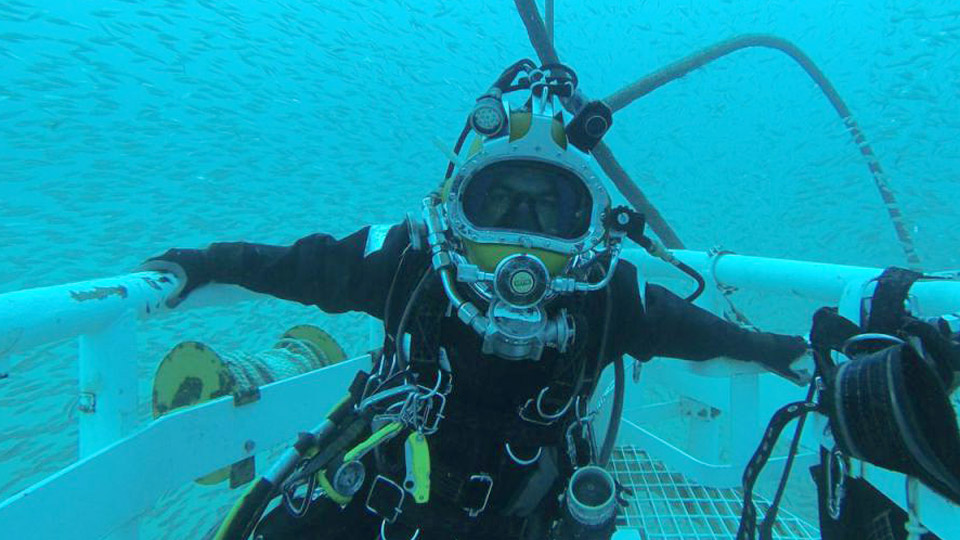
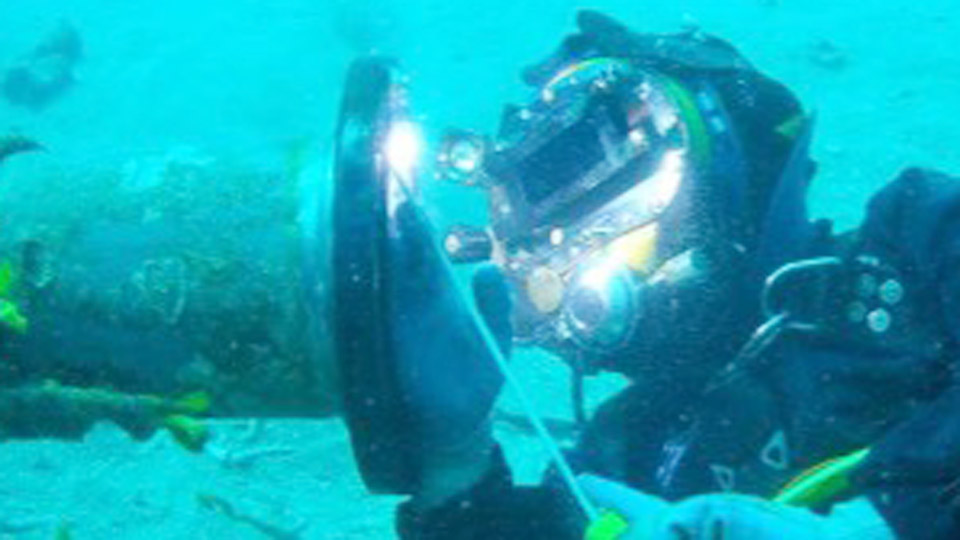
Underwater welding is a fascinating and specialized form of welding performed below the surface of water, usually in the sea, lakes, or rivers.

Image by virtualcounselor
This kind of welding is widely used in marine construction, repair work, and offshore industries. When you think of welding, the image that comes to mind is likely of someone working on a metal structure in a workshop.
But imagine doing that while being submerged in water—now, that’s a different ball game! Let’s dive deeper into what underwater welding is, how it works, and why it’s a crucial skill in various industries.
Underwater Welding
Underwater welding, often called “wet welding,” is the process of welding metals together beneath the water’s surface. It’s a crucial technique used to repair ships, pipelines, offshore oil rigs, underwater structures, and even underwater habitats.
The underwater environment adds extra challenges, as you can imagine, because the presence of water significantly impacts the welding process compared to land-based welding.
Water conducts electricity and has a cooling effect, making underwater welding a dangerous but necessary task. It requires highly specialized training and equipment to ensure the safety and effectiveness of the weld.
How Does Underwater Welding Work?
The concept behind underwater welding is quite similar to standard welding: using an electric arc to create enough heat to melt metal. However, underwater welding takes place in either “wet” or “dry” conditions, and each method has its unique approach and equipment.
Wet Welding
In wet welding, the diver performs the welding directly in the water using a specially designed waterproof electrode. The electric arc is created between the electrode and the metal surface, melting the metals to fuse them together.
The main advantage of wet welding is its versatility and cost-effectiveness. It’s suitable for emergency repairs and works well for shallow water applications.
Wet welding comes with its downsides. The biggest challenge is the risk of hydrogen embrittlement, where hydrogen atoms penetrate the welded metal, making it brittle and prone to cracking.
Another issue is the poor visibility underwater, which can make it difficult for the welder to perform high-quality welds. The water surrounding the weld cools the metal rapidly, increasing the chances of defects.
Dry Welding
In dry welding, the work area is sealed off from water using a hyperbaric chamber. This chamber is a pressurized structure filled with a gas (usually helium or a helium-oxygen mixture), creating a dry working environment for the welder. The diver goes inside the chamber, and the welding is performed in conditions similar to on-land welding.
The advantage of dry welding is that it provides a controlled environment, allowing for higher quality and stronger welds.
The risk of hydrogen embrittlement is reduced, and welders have better visibility and control over the welding process. This method is more expensive and time-consuming due to the need for specialized equipment and setup.
Comparing Wet and Dry Welding
To help you get a better picture of the differences between wet and dry welding, here’s a quick comparison:
| Feature | Wet Welding | Dry Welding |
|---|---|---|
| Environment | Performed directly in water | Uses a dry hyperbaric chamber |
| Cost | Lower cost, minimal equipment | High cost, requires specialized equipment |
| Weld Quality | Lower due to rapid cooling and poor visibility | Higher due to controlled environment |
| Setup Time | Quick setup | Time-consuming setup |
| Hydrogen Embrittlement | Higher risk | Lower risk |
| Common Applications | Emergency repairs, shallow waters | Deep-sea welding, critical projects |
As you can see, the choice between wet and dry welding depends on factors like project budget, location, and the type of repair work needed.
Applications of Underwater Welding
Underwater welding is used in many industries and for various purposes. Here are some common applications:
Ship Repairs
Ships, whether they are commercial vessels, cargo ships, or military ships, often need repairs while at sea. Underwater welding is essential for fixing hull damage, propellers, or other underwater components without having to bring the ship into dry dock. It saves a lot of time and resources, especially when the ship needs to stay operational.
Offshore Oil and Gas Industry
In offshore oil and gas production, underwater welding plays a vital role in maintaining the structural integrity of platforms, pipelines, and underwater structures. This industry heavily relies on underwater welders to perform both routine maintenance and emergency repairs.
Underwater Pipeline Repairs
Pipelines transporting oil, gas, or water often run underwater for long distances. When these pipelines develop leaks or need maintenance, underwater welding allows for repairs to be made without having to shut down the entire system. It’s crucial for preventing environmental hazards and keeping essential services running.
Marine Construction
Building structures like bridges, piers, and underwater tunnels often involves underwater welding during the construction phase. It’s used to join metal components, reinforce structures, and make on-site adjustments to ensure the build goes as planned.
Salvage Operations
Underwater welding is also used in salvage operations to cut and remove metal components or make repairs on sunken vessels.
When dealing with wreckage at the bottom of the ocean, underwater welding is sometimes the only viable way to get the job done.
What Skills and Training are Required?
If you’re interested in pursuing a career in underwater welding, be prepared for extensive training and skill development. A regular welding certification won’t be enough; you’ll also need specialized diving training.
Welding Certification
First and foremost, you must be a skilled welder. You’ll need to obtain certifications in welding techniques such as MIG, TIG, stick welding, or flux-cored welding.
This foundational knowledge is crucial because underwater welding involves adapting these techniques to different underwater conditions.
Commercial Diving Training
After obtaining your welding certifications, you’ll need to complete commercial diving training. This training will teach you essential diving skills, including how to use scuba and surface-supplied diving equipment, dive safety procedures, and underwater communication techniques.
Diving schools usually offer specialized courses in underwater welding as part of their commercial diving programs.
Underwater Welding Certification
Once you’re qualified as a welder and a diver, you’ll need to obtain underwater welding certifications. These courses focus on the techniques used in wet and dry welding, safety protocols, and industry standards.
Certifications are often issued by organizations like the American Welding Society (AWS) or the American Diving Contractors Association (ADCA).
Safety Training
Safety is a critical component of underwater welding. You’ll learn about the unique hazards associated with underwater welding, such as electric shock, decompression sickness, and the effects of high pressure on the body. Staying safe is a priority, and ongoing safety training is a must for anyone in this field.
Risks Involved in Underwater Welding
The nature of underwater welding means it comes with significant risks. It’s considered one of the most hazardous professions for several reasons:
Electric Shock
The combination of electricity and water is inherently dangerous. Though special equipment is used to minimize the risk, electric shock is still a significant concern in underwater welding. Any malfunction or improper handling can lead to a potentially deadly situation.
Decompression Sickness
Decompression sickness, also known as “the bends,” occurs when nitrogen bubbles form in the bloodstream due to rapid changes in pressure.
This can happen if a diver ascends too quickly after working at deep depths. Decompression chambers and strict protocols are essential to avoid this risk.
Drowning
Even though underwater welders are skilled divers, the risk of drowning is always present. Equipment malfunctions, unexpected underwater currents, or health issues can put a diver’s life in danger. Emergency preparedness and quick response capabilities are crucial.
Explosions
Underwater welding can sometimes produce gas pockets that may ignite and explode. The gases created during welding, along with those naturally occurring underwater, can be volatile. Experienced welders follow strict procedures to minimize the chances of this happening.
Tools and Equipment Used in Underwater Welding
Underwater welding requires specialized tools and equipment to adapt to the underwater environment. Here’s what typically gets used:
Waterproof Electrodes
These are specially coated electrodes designed to perform underwater. The coating protects the electrode from water, allowing the electric arc to form and create the weld.
Diving Equipment
Standard diving equipment includes scuba gear or surface-supplied diving suits, along with full-face masks for underwater communication. In deeper or more hazardous situations, diving suits with advanced breathing systems are used.
Hyperbaric Chambers
For dry welding, hyperbaric chambers create a controlled, dry environment at depths where the welding needs to take place. These chambers can withstand high pressures and are filled with breathable gas mixtures.
Power Sources and Cables
The welding power source must be adapted for underwater conditions. Waterproof cables are used to transmit the electric current safely. These cables are specially insulated to prevent electric shocks.
Is Underwater Welding a Good Career?
Deciding whether underwater welding is a good career choice depends on your personal interests and risk tolerance.
It’s a lucrative career, with welders earning significantly more than traditional welders due to the hazardous nature of the work and the specialized skills required. It comes with serious risks that shouldn’t be taken lightly.
Advantages
- High Earning Potential: Underwater welders earn a premium because of the risks and skills involved.
- Exciting Work Environment: Every day is different, and the underwater scenery can be breathtaking.
- High Demand: There’s always a need for skilled underwater welders in industries like oil and gas, shipping, and construction.
Disadvantages
Dangerous Work: The risks associated with underwater welding are significant, including electric shock, decompression sickness, and drowning.
Physical Demands: It’s a physically challenging job that requires a high level of fitness and endurance.
Short Career Span: Due to the physically demanding nature of the job, many welders find it challenging to continue in the field long-term.
Conclusion
Underwater welding is a fascinating and essential field that combines the skills of welding and commercial diving. It’s a career that offers high earning potential and an exciting work environment, but it’s not without its dangers.
If you’re looking to pursue underwater welding as a career or are just curious about how it works, understanding the techniques, risks, and equipment involved gives you a greater appreciation for this challenging profession.
If you ever find yourself wondering how ships stay afloat or how underwater structures remain intact, now you know—it’s thanks to the brave and skilled underwater welders working in the depths!