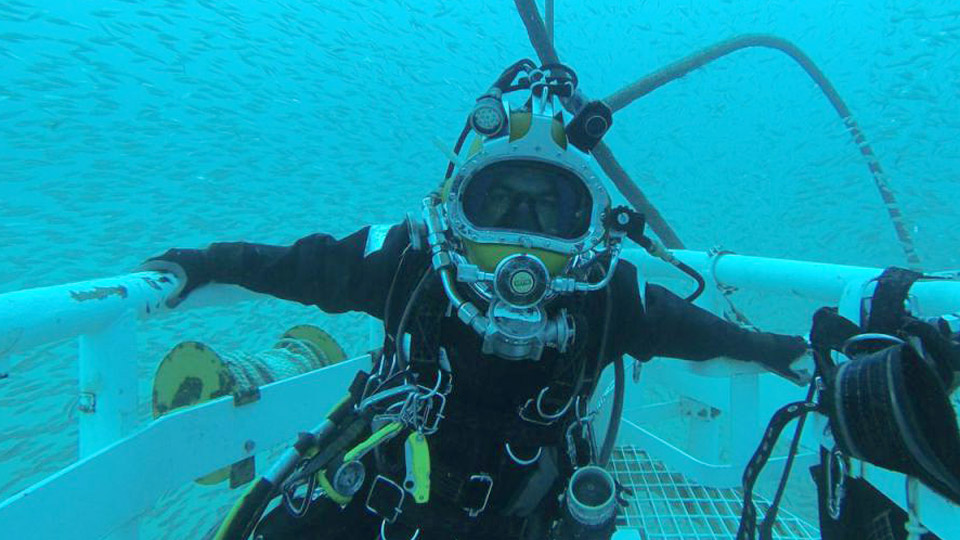
When people hear about underwater welding, one of the first questions that comes to mind is the life expectancy of those who choose this career. It’s not just curiosity; it’s concern. Underwater welding is known for being one of the most dangerous jobs in the world, and there are risks involved that are unique to this line of work.
I get it—people want to know what they’re getting into, or what their loved ones are dealing with. It’s a serious topic, and it’s important to understand the factors that influence the lifespan of underwater welders. Let’s break down the factors that impact the life expectancy of an underwater welder, discuss the hazards involved, and look at the steps that can be taken to stay safe.

r/submechanophobia
Life Expectancy of an Underwater Welder
First off, there isn’t a specific, universally accepted number for the life expectancy of underwater welders. It’s not like you can look up a chart and see “underwater welders live to be X years old.” However, statistics and industry insights do indicate that underwater welding carries significant risks. Some reports suggest that underwater welders may have a shorter average lifespan compared to other professions, primarily due to the hazards and accidents associated with the job.
The reasons behind this perceived reduction in life expectancy are multi-faceted, and it’s not just about the danger of drowning or electric shock. It also involves long-term health impacts from working in deep-sea conditions, the physical toll on the body, and the stress that comes with the job. Let’s take a closer look at these risk factors.
Risks and Hazards
When talking about underwater welding, you have to consider a combination of factors that make it risky. Here are the primary hazards that can influence the life expectancy of someone working in this field:
Electric Shock
Welding underwater means dealing with electricity in an environment that conducts it very well—water. Even with specialized equipment, the risk of electric shock is always present. It’s one of the leading causes of fatal accidents in underwater welding. The combination of high voltage and a wet environment can create deadly situations, especially if there’s any equipment failure or improper handling.
Drowning
No matter how skilled a diver is, the risk of drowning exists. Equipment malfunctions, entanglements, or simply getting disoriented underwater can lead to drowning. The deeper you go, the more complicated things can get. Visibility decreases, the pressure increases, and the escape routes become more difficult to reach. All of this adds to the drowning risk.
Decompression Sickness
Commonly known as “the bends,” decompression sickness occurs when a diver ascends too quickly, causing nitrogen bubbles to form in the bloodstream. This can lead to joint pain, dizziness, paralysis, and even death. The deeper and longer you work underwater, the higher the risk of decompression sickness. Proper decompression procedures are crucial, but mistakes or emergencies can make it difficult to follow the protocols strictly.
Explosions
During underwater welding, there’s a possibility of creating gas pockets, which can ignite and cause an explosion. While explosions are not the most common hazard, they do happen, especially if gases build up during welding or cutting. The confined spaces underwater can make these explosions more dangerous because there’s less room for shockwaves to dissipate.
Long-term Health Impacts
Working underwater can lead to various long-term health issues, such as hearing loss, lung problems, and joint disorders. Spending years of your life working under high pressure and cold temperatures takes a toll on your body. It’s not just the occasional danger but the day-in and day-out strain that can wear down an underwater welder.
Average Career Span of an Underwater Welder
The career span of an underwater welder is typically shorter than that of welders on land. On average, many underwater welders only stay in the field for about five to ten years. Some may last longer, especially if they focus on less hazardous tasks or work in shallower waters. However, the physical demands and risks involved often push welders to retire from underwater work earlier than other careers.
It’s not just about age either. Even younger welders may find it challenging to continue in the field after a few years due to the physical toll. Knee, back, and joint problems are common among welders who have been doing this work for a while.
How Can Underwater Welders Extend Their Careers and Life Expectancy?
The risks in underwater welding are real, but that doesn’t mean there aren’t steps that can be taken to mitigate those risks. Here are some strategies that underwater welders use to stay safe and prolong their careers:
Proper Training and Certification
The first step to minimizing risk is getting the right training. Diving schools and commercial diving programs offer courses specifically designed for underwater welding. These programs cover not only the techniques for welding underwater but also safety protocols, emergency procedures, and how to handle the unique challenges of underwater work.
Being properly certified means knowing how to recognize potential dangers and act quickly when something goes wrong. It also ensures that a welder is familiar with the best practices for working in different underwater environments.
Using Quality Equipment
High-quality, well-maintained equipment is a must. Waterproof electrodes, insulated cables, and modern diving suits with built-in communication systems are essential. Welders should regularly inspect their equipment to ensure everything is in good working order. Faulty equipment is a recipe for disaster when you’re working in an environment that’s already risky.
Following Safety Protocols
It sounds obvious, but strict adherence to safety protocols can make a huge difference. Welders should never skip safety checks or cut corners, even when deadlines are tight. Procedures for entering and exiting the water, decompression, and dealing with underwater currents should always be followed.
Maintaining Physical Fitness
Being in good physical shape is important for underwater welders. The job is demanding, requiring strength, endurance, and agility. Regular exercise and maintaining a healthy diet can help welders perform better on the job and reduce the risk of injuries. It also helps with quicker recovery from any strain the job may put on the body.
Taking Breaks and Limiting Deep Dives
Long hours underwater can be taxing, and it’s essential to take breaks to allow the body to recover. Welders should avoid working too many consecutive days without rest, especially after deep dives. Limiting deep dives or spreading them out can reduce the risk of decompression sickness and other pressure-related health issues.
How Does the Life Expectancy of an Underwater Welder Compare to Other Professions?
To get a better idea of how underwater welding stacks up against other professions in terms of risk and life expectancy, here’s a comparison:
| Profession | Average Life Expectancy | Risk Level |
|---|---|---|
| Underwater Welder | Varies (perceived lower) | High (electric shock, drowning, etc.) |
| Construction Worker | 60-70 years | Medium (falls, equipment accidents) |
| Commercial Pilot | 65-75 years | Medium-High (airplane accidents, fatigue) |
| Police Officer | 65-70 years | Medium-High (violence, stress) |
| Office Worker | 75-85 years | Low (sedentary lifestyle, stress) |
While underwater welders face higher risks, it’s important to remember that accidents can happen in any profession. What stands out for underwater welders is the unique combination of dangers, making risk management and safety precautions particularly critical.
Personal Stories: The Reality of Underwater Welding
I’ve talked to a few folks in the industry, and they all echo similar sentiments. It’s not a job for the faint-hearted. Some of them went into underwater welding for the adventure and stayed because of the high pay. But they also shared stories of close calls—instances when something went wrong and they were reminded just how dangerous the job can be.
One welder told me about a time when his diving suit malfunctioned and started filling with water. He managed to get back to the surface, but it was a stark reminder of how quickly things can go from routine to life-threatening. Another welder I spoke with had to retire early because of persistent joint pain caused by years of working in deep waters. They all agree that while the job is rewarding, it requires a certain mindset and resilience to stick with it.
Is It Worth the Risk?
It ultimately comes down to personal choice. If you’re drawn to underwater welding, you have to weigh the potential rewards against the risks. Yes, the pay is good, and the work can be exciting. But the hazards are very real, and they can impact not only your life expectancy but your quality of life.
There are ways to manage the risks, as we’ve discussed, but it’s not a guarantee. For some, the adrenaline and the satisfaction of a job well done underwater make it all worthwhile. For others, the dangers outweigh the benefits.
Conclusion
The life expectancy of an underwater welder isn’t a straightforward number you can look up in a book. It’s influenced by a variety of factors, including the risks of the job, the safety measures taken, and the physical and mental toll the work takes. While there is a perception that underwater welders may not live as long as those in other professions, the truth is more nuanced.
For anyone considering a career in underwater welding, it’s crucial to understand the risks, take the necessary precautions, and be prepared for a physically demanding job that isn’t without its challenges.