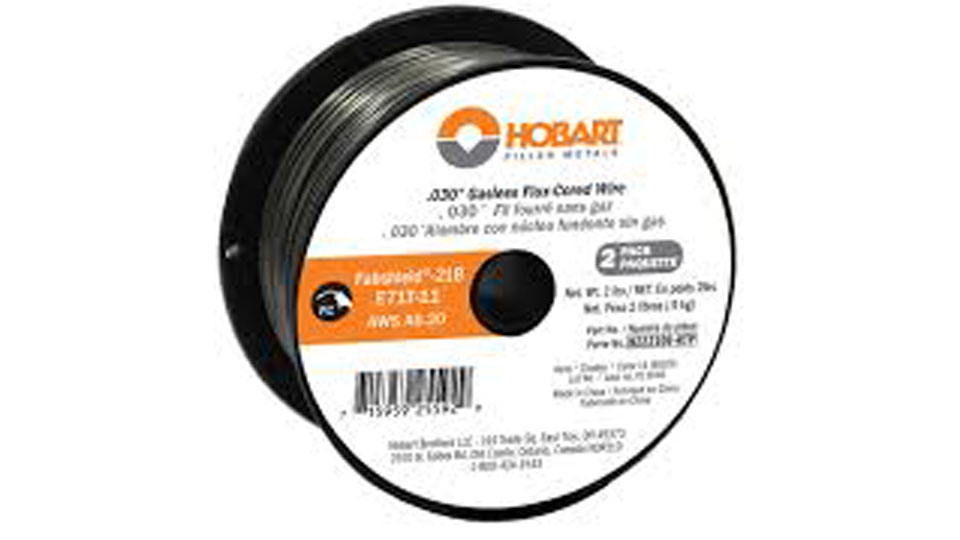
When you’re diving into a welding project, one of the most critical factors to consider is how many welding rods you’ll need. Running out of welding rods midway through a job is frustrating, and buying too many can hurt your budget. As someone who has been in your shoes, I know how essential it is to estimate this correctly.
Let’s take a detailed look at how to calculate welding rod consumption effectively, ensuring you save both time and money while avoiding unnecessary hassles.
Why Is Calculating Welding Rod Consumption Important?
Understanding welding rod consumption is essential for planning your project effectively. Here are a few reasons why it matters:
- Cost Management: Welding rods aren’t free, and knowing how much you need helps you budget accurately.
- Minimize Wastage: By calculating precisely, you avoid buying excessive rods that might go unused.
- Project Planning: Accurate calculations ensure you have the materials needed to complete your project on time.
- Improved Productivity: Running out of rods means interruptions, so proper estimation keeps the workflow smooth.
Factors That Influence Welding Rod Consumption
Before jumping into the calculations, it’s crucial to understand the factors that affect how many rods you’ll need:
- Weld Size and Length: The size (thickness) and length of the weld directly determine the amount of filler material required.
- Rod Diameter: Larger rods deposit more filler material per unit length, reducing the total number of rods needed.
- Material Type: Different metals may require varying amounts of filler material.
- Welding Technique: Techniques like manual arc welding, MIG, or TIG have different filler metal deposition rates.
- Waste Factor: Account for breakage and leftover rod stubs that can’t be used.
- Efficiency: A welder’s skill level also plays a role in minimizing wastage and improving deposition efficiency.

Image by wegenerwelding
Step-by-Step Guide to Calculate Welding Rod Consumption
Let’s walk through the process of calculating welding rod consumption. Don’t worry if math isn’t your favorite subject—I’ll break it down into simple steps!
Determine the Total Weld Volume
The first step is to calculate the total volume of the weld. To do this, you need the weld’s shape and dimensions. For example, most welds have cross-sectional shapes like fillets, grooves, or beads.
For a Fillet Weld
The volume can be calculated using the formula:

For a Groove Weld
Use the groove’s cross-sectional area and multiply it by the weld’s length.
Convert Weld Volume to Weight
Once you have the volume, convert it into weight using the density of the filler material. Here’s a quick guide:
- Steel: ~0.283 pounds per cubic inch
- Aluminum: ~0.098 pounds per cubic inch
Weight of Weld Metal (lbs)=Volume (in cubic inches)×Density (lbs/in³)
Account for Deposition Efficiency
Not all the material from a welding rod is deposited into the weld. Some of it is lost as slag or spatter. Here are approximate deposition efficiencies for different welding rods:
- E6010: ~60%
- E7018: ~75%
- Stainless Steel Rods: ~80%
To calculate the actual weight of rods needed:

Determine the Rod Weight per Piece
Each welding rod has a specific weight based on its diameter and length. You can usually find this information from the manufacturer or use a rough estimate:
- 1/8″ diameter rod (14″ long): ~0.1 lbs
- 3/32″ diameter rod (14″ long): ~0.05 lbs
Calculate Total Number of Rods Needed
Finally, divide the total weight of rods required by the weight of a single rod:

Example Calculation: Welding a Fillet Weld
Let’s say you’re welding a fillet joint with the following dimensions:
- Leg length: 0.25 inches
- Length of weld: 60 inches
- Using E7018 rods (75% efficiency)
Step 1: Calculate Weld Volume

Step 2: Convert Volume to Weight
Assume the material is steel:
Weight of Weld Metal=1.875×0.283=0.531lbs
Step 3: Account for Deposition Efficiency

Step 4: Calculate Number of Rods
If each rod weighs 0.1 lbs:

So, you’d need approximately 8 rods to complete the weld.
Tips for Accurate Welding Rod Estimation
- Consult Manufacturer Data: Always check the manufacturer’s specifications for rod weight and deposition efficiency.
- Add a Buffer: Account for 10-15% extra rods to cover waste and unexpected issues.
- Track Usage: Keep notes from past projects to refine your estimates over time.
- Use Welding Calculators: Online tools can simplify calculations if you’re dealing with complex weld shapes.
Welding Rod Sizes and Their Coverage
Here’s a quick reference table showing common rod sizes and their typical coverage:
| Rod Diameter (inches) | Rod Length (inches) | Weight per Rod (lbs) | Approx. Weld Length per Rod (inches) |
|---|---|---|---|
| 3/32 | 14 | 0.05 | ~11 |
| 1/8 | 14 | 0.1 | ~7 |
| 5/32 | 14 | 0.18 | ~5 |
Applications of Welding Rod Consumption Calculations
Knowing how to calculate welding rod consumption is useful for:
- Construction Projects: Estimating costs for large-scale structural welding.
- Automotive Repairs: Ensuring enough materials for welding frames and components.
- Pipeline Welding: Planning material requirements for extensive runs.
- Fabrication Shops: Keeping inventory levels optimized.
Conclusion
Calculating welding rod consumption might seem intimidating at first, but once you break it into manageable steps, it becomes straightforward. By understanding the weld dimensions, material properties, and rod efficiency, you can make accurate estimates for any project. Not only does this save time and money, but it also ensures your projects run smoothly from start to finish.
As someone who has spent countless hours welding, I can’t stress enough how planning ahead can make a massive difference. With a bit of practice and the right tools, you’ll master this skill in no time.
FAQs
How do I calculate the weight of weld metal needed?
To calculate the weight, multiply the weld’s volume by the material’s density.
What is deposition efficiency in welding?
Deposition efficiency refers to the percentage of filler material that actually becomes part of the weld. The rest is lost as slag or spatter.
How many rods do I need for a 10-foot weld?
The number depends on the rod size, weld dimensions, and material type. Use the steps outlined above to calculate it precisely.
What is the most efficient welding rod?
Stainless steel rods and E7018 rods typically have higher deposition efficiencies of around 75-80%.
Should I include a waste factor in my calculations?
Yes, always add 10-15% extra rods to account for breakage and waste.