TIG welding humbled me fast the moment my torch hand started shaking and the tungsten dipped straight into the puddle. The arc wandered, the bead looked rough, and I realized that no amount of machine settings could fix a bad grip.
Learning how to hold a TIG welding torch properly turned out to be one of the biggest upgrades to my weld quality, consistency, and overall control.
This isn’t just about comfort — the way you hold the torch affects arc stability, penetration, and whether your weld looks professional or needs hours of cleanup.
After plenty of bench time, burned tungstens, and practice runs, I figured out the hand positions and support tricks that actually make TIG feel steady and predictable. Let me walk you through the technique that really works, step by step.
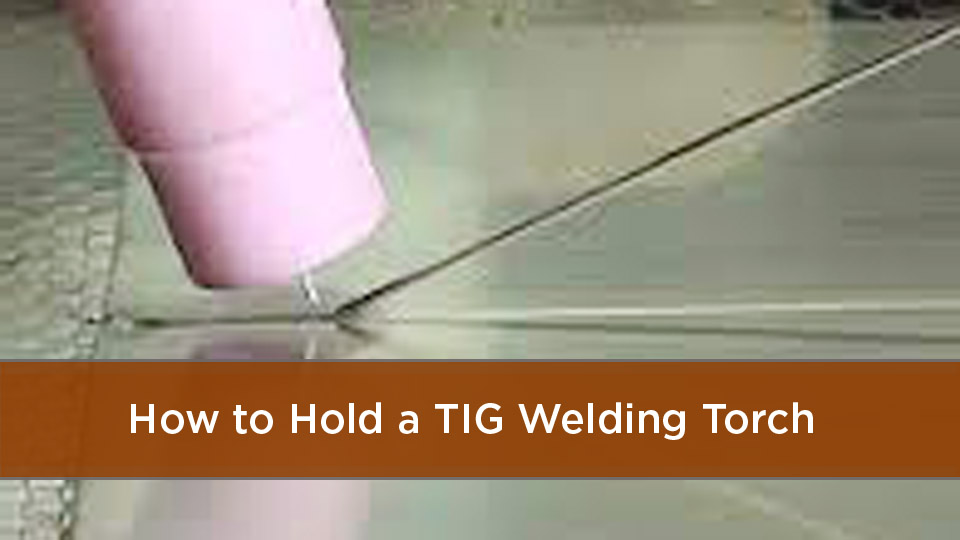
Image by mig-welding.co.uk
Why Your Grip on the TIG Torch Matters More Than You Think
You’re midway through tacking up a roll cage for your off-road buggy, sparks flying, and suddenly your hand locks up because you’re death-gripping that torch like it’s the last beer at the bonfire. That right there? Recipe for shaky arcs, uneven heat, and welds that look like they were done by a toddler.
In TIG welding—gas tungsten arc welding for the purists—your grip isn’t some afterthought; it’s the foundation of precision. A solid hold lets you maintain a steady arc length, usually about 1/8 inch, which is crucial for penetrating without blowing through thin stock like 16-gauge sheet metal.
Think about safety first. We’ve all heard the stories—guys burning holes in gloves or worse because their hand slipped under heat stress. A relaxed, intuitive grip keeps your focus on the puddle, not fighting the tool. And weld integrity? Spot on.
Poor holding leads to tungsten drag, contaminating your weld pool and inviting cracks, especially on high-strength steels where you’re code-bound under ASME Section IX. Cost-wise, it’s a no-brainer: Less rework means more billable hours or finished projects in your garage.
From my days training apprentices on Lincoln Power Wave machines, I’ve seen newbies waste rods and gas experimenting. But once they dial in their hold, productivity jumps. It’s about efficiency too—pair a good grip with proper back-purging on stainless, and you’re golden for leak-free exhausts or sanitary fittings in food-grade apps.
Essential Equipment to Make Holding Your TIG Torch a Breeze
Before we dive into grips, let’s talk gear. You can’t expect pinpoint control with a clunky setup. Start with a quality torch—I’m partial to WP-17 style for versatility, with a #8 cup for shielding on aluminum fab work.
Add a TIG finger, that silicone sleeve that slides over the handle; it’s a game-changer for resting your pinky without scorching your skin on long runs.
Don’t sleep on gloves either. Goatskin with a reinforced palm, like those from Tillman, give you tack without bulk. And for us right-handers (lefties, chime in below), a short torch cable keeps drag minimal—aim for 12 feet max on bench jobs.
Preheat your stock if it’s thick alloy, and always check your collet for tungsten snugness; a loose one wobbles like a bad hangover.
Lube your tungsten lightly with copper anti-seize before inserting. Saves headaches when you’re elbow-deep in a vertical up on carbon steel plate.
Beginner-Friendly Grip Techniques for Holding a TIG Torch
As a beginner, you’re probably fumbling with that pencil hold from shop class, but TIG demands finesse. We’ll cover the core grips I’ve refined over years of everything from bike frames to boiler repairs. Each one’s got its sweet spot—experiment on scrap 1/8-inch mild steel at 80 amps to feel ’em out.
The Classic Pencil Grip: Your Go-To for Precision Work
This one’s my starter pack for trainees. Hold the torch like you’re signing a check—thumb and index finger pinching the handle, middle finger supporting underneath, ring and pinky relaxed or curled loose. It’s intuitive, giving you that fine rotation for circling fillets on tube frames.
Why use it? Perfect for flat position welds where you need to feather the pedal for a keyhole. In my early days building trailers, this grip saved me on those endless butt joints—easy to drag the cup lightly for consistent travel speed.
Common slip-up: Over-rotating, which arcs too hot on edges. Fix it by practicing slow stringers, watching your puddle freeze just right. Settings-wise, dial your Miller Syncrowave to AC balance at 70% for aluminum, and keep post-flow at 10 seconds to cool your tungsten without oxidation.
Pros: Super controllable, low fatigue for short bursts.
Cons: Can feel awkward overhead if your wrist tires.
Cigar Grip: Lighting Up Control for Speedy Runs
Ever watch an old-timer puff on a stogie while laying bead after bead? That’s the vibe. Loop your index finger over the top of the handle like you’re toasting a cigar, fist closed below. It angles the cup naturally perpendicular, great for weaving on thicker plates.
I swear by this for vertical downs on schedule 40 pipe—lets you push the torch without wrist strain. One job site memory: Rushing a repair on a grain bin, this grip kept my arc steady through gusty winds, no porosity.
When to grab it: High-amperage jobs, 150+ on stainless, where you need leverage. Prep tip: Bevel your edges 30 degrees for better fusion, and use 4043 filler for that buttery flow.
Pitfall: Too much fist clench leads to hammer vibes—loosen up, breathe. It’s all about flow, like casting a line.
Hammer Grip: Pound Out Overhead Welds Without the Ache
Flip it—hold the torch like you’re tapping a nail, thumb under the handle, fingers wrapped over. Light pressure, folks; think guiding, not swinging.
This shines overhead, where gravity fights you. Back in a shipyard stint, overheads on hull plates were brutal until this grip—lets your forearm do the work, reducing shake on those 3G positions per AWS D1.1.
Why it works: Distributes weight back, easing shoulder load. Pair with a 3/32 tungsten, ground sharp for DCEN on mild steel at 120 amps.
Mistake alert: Gripping the end like a club—shortens your reach. Choke up halfway for balance. And always vent your helmet; sweat kills focus.
Pros: Stable for awkward angles.
Cons: Less finesse for tight corners.
Adapting Your TIG Torch Hold for Tricky Welding Positions
TIG ain’t always flat on the bench. Jobs throw curves—literally, on exhaust bends or structural I-beams. Your grip evolves with the position, blending comfort and access. I’ve botched enough verticals to know: Adapt or grind.
Mastering Flat and Horizontal Welds with a Relaxed Hold
Flat’s forgiving, but don’t slack. Stick to pencil or cigar, propping your forearm on the table for glide. On a horizontal fillet, like framing a trailer hitch, angle 15 degrees push—keeps the puddle from sagging.
First big gate project, I gripped tight and overheated the root. Lesson? Light touch, 60 amps start on 1/4-inch stock, ramp with the pedal. Clean your joint with acetone, no oils sneaking in.
Tip: Use a backer bar for full pen, and ER70S-6 rod for all-position strength.
Vertical and Overhead: Grips That Fight Gravity
Vertical up? Hammer or choker—thumb and middle finger pinching mid-handle, others braced below. It counters sag, letting you stack dimes uphill on plate per API 1104 codes.
Overhead’s the beast. I once spent a shift on ceiling joists in a warehouse reno; switched to hammer, pinky hooked for leverage. Key: Short bursts, 90 amps max, to avoid drips.
Common fix: If your hand shakes, rest your elbow on a stilt. Filler? Dip and weave, 1/16-inch 308L for stainless sanitary lines.
Pros of adapting: Versatile shop cred.
Cons: Takes reps—start on 6-inch test plates.
Pipe and Tube Welding: Rotating Grips for Seamless Circles
Pipes demand rotation, so pencil grip with a twist—roll your wrist like stirring coffee. For 2-inch sched 10, choke up on the cup for low-amp tacks at 50.
In race car fab, this held my sanity on header bends. Why? Even heat distribution, no hot spots cracking under vibration.
Prep hack: Internal purge with argon at 5 CFH, bevel 37.5 degrees per ASME B31.3. Settings: Pulse mode on your inverter, 1 pulse per second for ripple-free beads.
Pairing Your Torch Grip with Filler Rod Techniques
Holding the torch is half the battle; the other hand’s dipping that rod like a pro conductor. Mismatch ’em, and your puddle turns to oatmeal.
Which Hand Holds What: Dominant vs. Off-Hand Strategies
Righty here—torch in right, filler left for push technique, right-to-left travel. But train your off-hand; jobs flip you around. I forced left-hand torch on scrap weekly—now I switch seamless on mirror-polish titanium implants.
Why bother? Versatility pays on field repairs. Start with stringers: 4-inch lines at 70 amps, focusing arc length.
Tip: Off-hand weak? Practice eating lefty—builds neural paths, per those neuro guys.
Smooth Filler Feeding: Angles and Timing Tricks
Dip at 15 degrees to the puddle, advance 1/4 inch per second. With cigar grip torch, your left elbow tucks for stability.
Mistake: Dipping too deep—contaminates tungsten. Fix: Hover, listen for the sizzle. On aluminum, use 5356 rod, preheated to 200°F for flow.
In a pinch job on brewery tanks, synced feeding cut my spatter 80%. Pro move: Color-code rods for quick grabs.
| Grip Type | Best Position | Pros | Cons | Ideal Amps/Filler |
|---|---|---|---|---|
| Pencil | Flat/Horizontal | Precise rotation, low fatigue | Awkward overhead | 60-100 / ER4043 |
| Cigar | Vertical | Speedy weave, perpendicular arc | Less leverage on thick stock | 100-150 / ER308L |
| Hammer | Overhead | Gravity-resistant, stable | Reduced finesse | 80-120 / ER70S-6 |
| Choker | Pipe/Tube | Fine control, compact | Hand cramps quick | 50-90 / ER5356 |
Common Mistakes in TIG Torch Holding and Quick Fixes
We’ve all—torch slips, weld blobs, boss yelling. Spot these early, and you’re ahead.
Gripping Too Tight: The Hand-Cramp Culprit
White-knuckling kills flow. Causes shake, fatigue after 10 minutes. I did this on a ’72 Chevelle frame—welds wavy as a fever dream.
Fix: Breathe deep, grip like a tube sock—firm but yielding. Builds endurance for all-day fab.
Wrong Angle or Distance: Arc Wander Woes
Holding too far? Arc stretches, heat scatters. Too close? Shorts out.
Real talk: On thin sheet, 1/16-inch gap. Adjust cup size—#5 for tight spots. Anecdote: Saved a prototype drone frame by inching back to 1/8.
Ignoring Ergonomics: Shoulder and Wrist Strain
No propping? Your back screams. Rest forearm, alternate hands.
Tip: Stretch pre-weld—wrist circles, shoulder shrugs. Follows OSHA ergo guidelines for trades.
Step-by-Step Guide to Dialing In Your TIG Torch Hold
Ready to practice? Grab scrap, fire up your Hobart—here’s the drill.
- Setup Station: Clamp 6×6-inch mild steel flat. Torch on, gas at 15 CFH argon, pedal neutral.
- Pick Grip: Start pencil. Light pinch, relax fingers.
- Position Hands: Torch 10 degrees push, filler 15 degrees dip. Elbow down.
- Strike Arc: Pedal feather to 40 amps. Listen for clean buzz—no hiss.
- Travel and Feed: Slow drag, 1/2 inch per second. Dip rod rhythmic.
- Rotate and Adjust: For curves, wrist roll. If shake, prop pinky.
- Cool and Inspect: Post-flow, check for even ripple. Grind if porous.
Repeat 10 passes, switch grips. In a week, you’ll own it—like my first clean overhead.
Machine Settings and Joint Prep That Amp Up Your Grip
Grip’s king, but tune your rig. For mild steel, DCEN, 20% balance on AC aluminum boxes. Prep: Wire brush to bright metal, no mill scale per AWS D18.1.
Filler match: 308 for 304 stainless, avoiding dilution cracks. Gas mix? Pure argon, but 75/25 He/Argon for thicker copper alloys—boosts penetration without grip tweaks.
Field hack: On dirty jobs, use a cheater bar for clamps—frees your hold.
Wrapping Up
From pencil scribbles to hammer pounds, we’ve covered the holds that turn shaky starts into shop-worthy TIG magic. Experiment relentlessly, keep it light, and adapt to the job, whether it’s a backyard gate or a pressure vessel stamped to Section VIII.
You’re now equipped to slash fatigue, nail those codes, and lay beads that hold up under real-world abuse. Head to the bench, strike an arc, and feel that control click. Before every session, dry-run your grip in the air—shadow box the puddle. Builds muscle memory faster than reps alone.
FAQs
How Do I Know If My TIG Torch Grip Is Too Tight?
Feel for tension—if your forearm’s bulging or you’re sweating early, loosen up. Aim for a “dead fish” hold; it steadies the arc better than a vise.
Can Left-Handed Welders Use the Same Torch Grips?
Absolutely—mirror ’em. Hold torch left, filler right for pull technique. Train both sides; it’ll make you unstoppable on mirrored booths.
What’s the Best Grip for Welding Aluminum Boat Frames?
Pencil for flats, choker for curves—keeps heat even on 6061-T6. AC at 100 amps, 4043 rod, and purge those seams.
How Often Should I Switch Grips During a Long Weld?
Every 10-15 minutes if fatigue hits, or per position change. Listen to your hands; they’re your best gauge.
Does Torch Cup Size Affect My Grip Choice?
Yep—smaller #5 cups pair with choker for tight access, bigger #8 with hammer for overhead shield. Match to joint geometry.