If you’ve ever tried TIG welding outside, you’ve probably noticed that weather can be a real game-changer. I’ve spent years perfecting my TIG welds, and let me tell you, Mother Nature doesn’t always play nice.
Whether it’s a windy day, a humid afternoon, or a freezing morning, the weather can mess with your arc, gas shield, and even your mood. Let’s chat about how weather affects TIG welding. I’m going to break it all down for you—based on my own trial and error—so you can weld like a pro, no matter what the skies throw at you.
What Makes TIG Welding Sensitive to Weather?
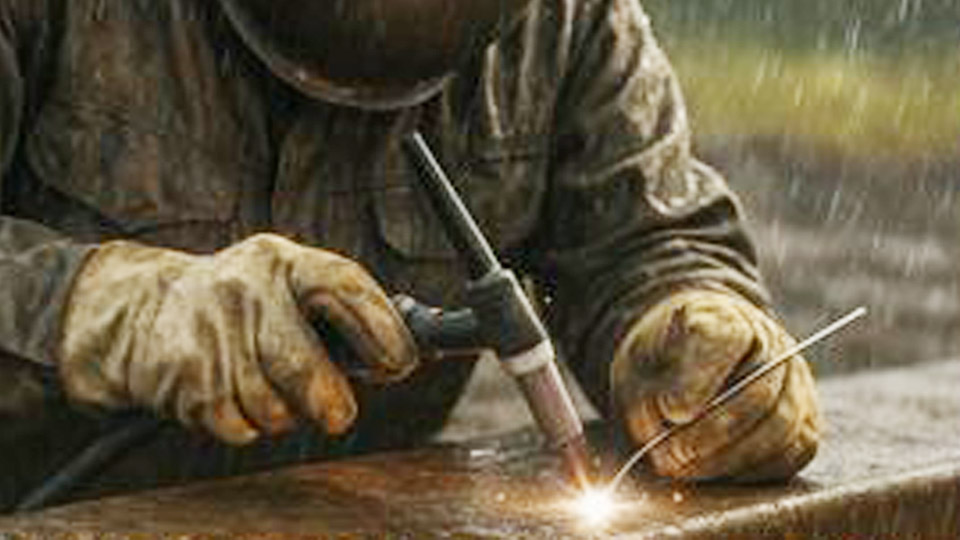
TIG welding, or Tungsten Inert Gas welding, is a precise process. You’re using a tungsten electrode, a shielding gas (usually argon), and a steady hand to create clean, strong welds. But here’s the thing: TIG welding is like a delicate dance. The shielding gas creates a protective bubble around the weld pool, keeping out air that can cause defects.
Weather—like wind, humidity, or temperature—can disrupt that bubble or affect your equipment. I’ve had welds go from perfect to porous just because a gust of wind showed up. Let’s look at the main weather factors and how they impact your TIG welding.
Wind: The Biggest Trouble Maker
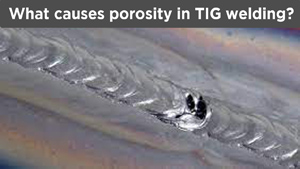
Wind is the number one enemy of TIG welding. It’s like an uninvited guest that ruins your party. The shielding gas, usually argon, needs to stay in place to protect the weld pool. Even a light breeze can blow the gas away, letting oxygen and nitrogen sneak in. This causes porosity—tiny holes in the weld that weaken it.
I learned this the hard way when I was welding a stainless steel sculpture outdoors. A gentle wind kicked up, and my welds started looking like Swiss cheese. Here’s what wind does to TIG welding:
Disrupts the Gas Shield: Even 5-10 mph winds can scatter the argon, exposing the weld pool to air. I’ve seen this ruin aluminum welds especially.
Inconsistent Arc: Wind can make the arc wobble, making it hard to control. I’ve struggled to keep a steady hand when the wind was pushing my arc around.
More Spatter: Without proper shielding, you get more spatter, which means more cleanup. I’ve spent extra hours grinding because of windy days.
How to Handle Wind
To beat the wind, I’ve picked up a few tricks:
Use a Windbreak: Set up tarps, plywood, or portable screens around your workspace. I’ve used old welding blankets to block the breeze.
Lower Gas Flow: If it’s slightly windy, reduce your gas flow to 10-15 CFH to minimize turbulence. I’ve found this helps keep the shield stable.
Weld Indoors: If possible, move your project inside. I’ve turned my garage into a welding haven for windy days.
Use a Gas Lens: A gas lens on your TIG torch creates a more focused gas flow, which resists wind better. It’s been a lifesaver for outdoor jobs.
Humidity: The Sneaky Culprit
Humidity is another factor that can sneak up on you. When the air is moist, water vapor can get into your weld pool or stick to your materials. This leads to problems like porosity or hydrogen cracking. I’ve had humid summer days in the shop where my welds just wouldn’t cooperate.
Here’s how humidity messes with TIG welding:
Porosity in Welds: Moisture in the air can cause tiny gas bubbles to form in the weld. I’ve seen this on aluminum, where humid air left my welds looking rough.
Electrode Contamination: High humidity can make your tungsten electrode pick up moisture, leading to an unstable arc. I’ve had to replace electrodes after a damp day.
Material Issues: Wet metal, like steel or aluminum, can cause defects. I once welded a damp steel plate, and the weld cracked under stress.
How to Manage Humidity
To keep humidity from ruining your welds, try these tips:
Dry Your Materials: Wipe down your metal with a clean cloth or heat it gently to remove moisture. I use a propane torch for this.
Store Electrodes Properly: Keep your tungsten electrodes in a dry container. I use a sealed plastic case to protect them.
Use a Dehumidifier: If you’re welding in a humid shop, a dehumidifier can help. I’ve got one running in my garage during sticky summer months.
Check Your Gas: Make sure your argon is dry and free of contaminants. I always buy from trusted suppliers to avoid issues.
Temperature: Hot or Cold, It Matters
Temperature swings can affect TIG welding more than you’d think. Whether it’s a scorching summer day or a freezing winter morning, the temperature impacts your equipment, materials, and even your comfort. I’ve welded in all kinds of weather, and here’s what I’ve noticed:
Hot Weather Challenges
Overheating Equipment: High temperatures can make your welder overheat, especially during long sessions. I’ve had my machine shut off mid-weld on a 90°F day.
Metal Expansion: Hot metal expands, which can cause warping or distortion. I’ve seen thin aluminum sheets buckle in the heat.
Sweaty Hands: Let’s be real—sweating makes it hard to hold the torch steady. I’ve struggled with grip on humid, hot days.
Cold Weather Challenges
Brittle Materials: Cold metal can become brittle, making it prone to cracking. I’ve had steel welds fail in freezing weather because I didn’t preheat.
Gas Flow Issues: Cold temperatures can affect gas regulators, causing inconsistent flow. I’ve had to warm up my regulator to get steady pressure.
Stiff Hands: Cold weather makes your hands stiff, which messes with precision. I’ve fumbled with the torch in 20°F weather.
How to Handle Temperature
Here’s how I deal with temperature extremes:
Preheat in Cold Weather: Use a torch to gently heat your metal before welding. I do this for steel and aluminum in winter.
Cool Your Welder: In hot weather, give your machine breaks and ensure good ventilation. I use a fan to keep my welder cool.
Dress for Comfort: Wear gloves and layers in the cold, and light, breathable gear in the heat. I’ve found welding gloves with good grip help in any weather.
Check Gas Pressure: Cold weather can lower gas pressure, so double-check your regulator. I always test my flow before starting.
Rain: A Welder’s Nightmare
Rain is a TIG welder’s worst enemy. Water and electricity don’t mix, and rain can cause serious safety hazards. Even a light drizzle can ruin your weld. I once tried welding under a tarp during a sprinkle, and it was a disaster.
Here’s why rain is so bad:
Electrical Hazards: Wet equipment can cause shocks or short circuits. I’ve always made sure my welder is dry and grounded.
Contaminated Welds: Water droplets can get into the weld pool, causing porosity or weak welds. I’ve seen this ruin stainless steel projects.
Slippery Surfaces: Wet ground makes it easy to slip, which is dangerous when you’re holding a torch. I’ve had close calls on wet shop floors.
How to Handle Rain
Stay Indoors: If it’s raining, move your welding inside. I’ve set up a temporary shelter in my driveway for small projects.
Cover Your Equipment: Use waterproof covers for your welder and gas cylinder. I keep mine under a tarp when not in use.
Dry Everything: Make sure your metal, torch, and workspace are dry before starting. I use towels and a heat gun to dry things out.
Dust and Debris: The Hidden Threat
Dust, dirt, or pollen in the air can settle on your weld pool or equipment, especially outdoors. This is a bigger issue in dry, windy conditions. I’ve had dust ruin a clean aluminum weld when I was working near a gravel lot.
Here’s how dust affects TIG welding:
Contaminated Welds: Particles in the weld pool cause inclusions, weakening the weld. I’ve seen this on stainless steel, where dust left tiny specks.
Clogged Nozzles: Dust can clog your torch nozzle, disrupting gas flow. I’ve had to clean my nozzle mid-project because of this.
Equipment Wear: Dust can get into your welder, causing long-term damage. I’ve learned to keep my machine covered when not in use.
How to Manage Dust
Clean Your Workspace: Sweep or vacuum your welding area before starting. I use a shop vac to keep things tidy.
Use a Gas Lens: A gas lens helps maintain a strong shield, even with some dust around. It’s been a game-changer for outdoor jobs.
Cover Your Welder: Keep a dust cover on your machine when it’s off. I use a canvas cover to protect mine.
A Quick Guide to Weather and TIG Welding
Here’s a handy table to sum up how weather affects TIG welding and what to do about it:
| Weather Factor | Impact on TIG Welding | How to Handle It |
|---|---|---|
| Wind | Disrupts gas shield, causes porosity | Use windbreaks, lower gas flow, weld indoors |
| Humidity | Causes porosity, electrode contamination | Dry materials, use dehumidifier, store electrodes |
| High Temperature | Overheats equipment, warps metal | Cool welder, take breaks, wear light gear |
| Low Temperature | Makes metal brittle, affects gas flow | Preheat metal, check regulator, wear warm gear |
| Rain | Electrical hazards, contaminated welds | Weld indoors, cover equipment, dry workspace |
| Dust/Debris | Contaminates welds, clogs nozzles | Clean workspace, use gas lens, cover welder |
My Tips for TIG Welding in Any Weather
After years of welding in all kinds of conditions, I’ve got some go-to strategies:
Plan Ahead: Check the weather forecast before starting. I’ve avoided headaches by scheduling outdoor welds on calm days.
Test Your Setup: Always do a test weld on scrap metal. I check my gas flow and arc stability before tackling the real project.
Invest in Gear: A gas lens, flow meter, and good welding gloves make a big difference. I’ve upgraded my setup over time, and it’s worth it.
Stay Safe: Weather can make welding dangerous. I always double-check my grounding and keep my workspace dry.
Practice Patience: Weather can be unpredictable, so don’t rush. I’ve learned to take my time to get the setup right.
My Personal Experience with Weather and TIG Welding
I’ve had my share of weather-related welding adventures. One summer, I was TIG welding an aluminum boat repair in my backyard. The humidity was brutal, and my welds kept getting porous.
I ended up moving the project into my garage with a dehumidifier running, and the welds came out perfect. Another time, I was working on a stainless steel railing in winter. The cold made the metal brittle, and I cracked a weld. Preheating the steel saved the day.
Wind has been my biggest challenge. I once tried welding a sculpture in a breezy field, and the argon kept blowing away. After setting up a tarp windbreak and using a gas lens, I got the job done. These experiences taught me to respect the weather and plan accordingly.
Welding Smart in Any Weather
Weather can be a TIG welder’s best friend or worst enemy. Wind, humidity, temperature, rain, and dust all have their ways of messing with your welds, but with the right tricks, you can overcome them. From windbreaks to preheating, every challenge has a solution.
I’ve learned that preparation is everything—check your setup, protect your equipment, and don’t be afraid to move indoors when needed. By understanding how weather affects TIG welding, you’ll be ready to tackle any project, rain or shine.
So, next time you fire up your TIG welder, keep an eye on the sky. With a little know-how and some practice, you can create clean, strong welds no matter what the weather throws at you. Now, go grab your torch and make something awesome!
FAQs
Can I TIG weld outdoors in windy conditions?
It’s tough, but possible. Use a windbreak like a tarp or plywood, lower your gas flow to 10-15 CFH, and consider a gas lens for better shielding.
Why do my welds look bad in humid weather?
High humidity adds moisture to the weld pool, causing porosity. Dry your materials, use a dehumidifier, and store electrodes in a dry container.
How does cold weather affect TIG welding?
Cold weather makes metal brittle and can affect gas flow. Preheat your metal and check your regulator to ensure steady pressure.
Is it safe to TIG weld in the rain?
No, rain is dangerous. It can cause electrical shocks or ruin your welds. Move indoors or cover your workspace completely.
How can I protect my TIG welder from dust?
Clean your workspace before welding, use a gas lens for better shielding, and cover your welder with a dust cover when not in use.
Does hot weather affect TIG welding?
Yes, it can overheat your welder and warp metal. Take breaks, ensure good ventilation, and use light gear to stay comfortable.