If you’ve ever stood in your workshop, TIG torch in hand, wondering how to approach a bronze welding project without messing it up, then I completely get it. Bronze isn’t something you weld every day unless you’re in a niche field. But when you do need to weld it, especially using TIG welding, there are some key techniques and precautions you really don’t want to skip.
I’ve worked with bronze on multiple projects, from sculptures to marine parts, and I’ve learned the hard way what works and what doesn’t. Let me walk you through everything I’ve picked up about how to TIG weld bronze the right way. This guide isn’t just technical—it’s based on real hands-on experience. Whether you’re a beginner or someone looking to get more confident with bronze TIG welding, I’ll cover everything I’ve learned in plain, clear language.
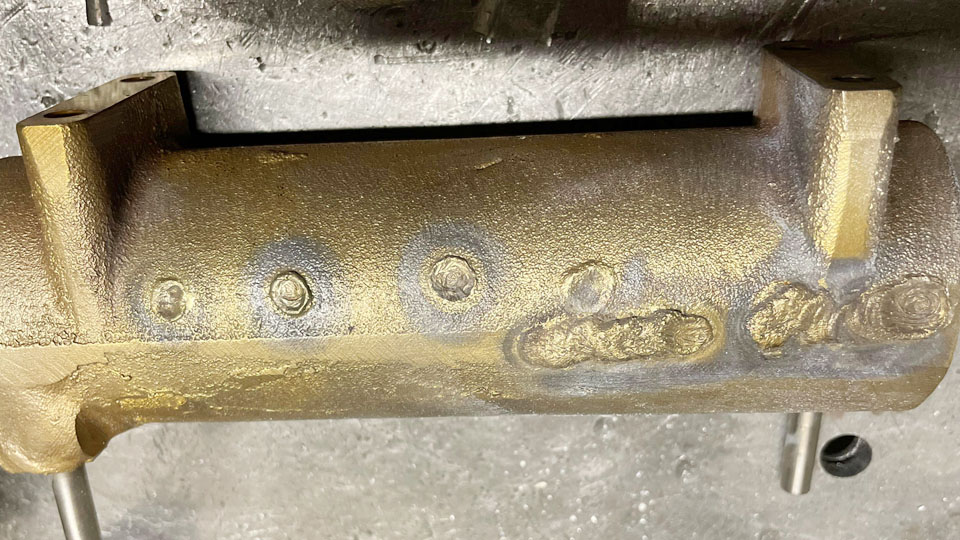
Photo by reddit
What Is Bronze and Why It’s Tricky to Weld
Before jumping into welding techniques, it’s good to know what we’re dealing with. Bronze is an alloy—mostly copper, mixed with elements like tin, aluminum, manganese, or silicon. The mixture depends on the specific type of bronze. The thing about bronze is that it behaves differently from steel or aluminum when heated. It has a lower melting point, which can be deceiving.
It also oxidizes quickly when exposed to air and heat, which can make the weld pool unpredictable. So if you’re used to TIG welding steel or aluminum, this is a whole different experience. But don’t worry, it’s manageable with the right prep, tools, and a little bit of patience.
What You Need Before Starting a TIG Weld on Bronze
When it comes to TIG welding bronze, having the right setup makes a big difference. Here’s what I use:
| Tool / Supply | Recommendation |
|---|---|
| Welder | AC/DC TIG welder with high-frequency start |
| Electrode | 2% Thoriated or 2% Lanthanated tungsten, usually 1/16″ or 3/32″ |
| Shielding Gas | 100% Argon |
| Filler Rod | Silicon bronze (ERCuSi-A) or compatible bronze filler |
| PPE | Auto-darkening helmet, gloves, flame-resistant jacket |
| Surface Prep Tools | Wire brush (copper or stainless), acetone, clean rags |
Silicon bronze filler rod is most commonly used because it flows nicely and matches a wide range of bronze alloys. However, make sure to match the filler to the bronze alloy if you’re working on something more specific.
Preparing the Bronze for TIG Welding
This is a step a lot of people rush through, but it’s honestly one of the most important. Bronze can have surface contaminants like oils, oxides, or mill scale that ruin your weld if not cleaned properly.
Here’s my simple prep routine:
- First, I wipe down the surface with acetone to remove any grease or oil.
- Then, I use a dedicated stainless steel or copper wire brush to clean the area. Make sure it hasn’t been used on steel or other metals to avoid contamination.
- If needed, I lightly sand or file the edges where I’m going to weld to remove any heavy oxidation or scale.
- Finally, I give it one more acetone wipe to finish.
Cleanliness here really makes the difference between a good weld and a frustrating mess.
Setting Up Your TIG Welder for Bronze
Once everything is clean and ready, it’s time to set up your welder. Here’s how I usually set mine:
- Polarity: Use DCEN (Direct Current Electrode Negative).
- Amperage: I start around 70–100 amps for thinner bronze (1/8”) and go higher if the material is thicker.
- Gas Flow Rate: About 15–20 CFH of 100% argon works best in most cases.
- Tungsten Tip: Sharpened to a point to get a stable arc.
If you have a foot pedal for amperage control, that’s even better. It gives you the flexibility to dial it in as you go. Bronze gets hot fast, so the ability to back off the heat is a huge help.
How to TIG Weld Bronze – Step by Step
Once the prep is done and your machine is ready, here’s how I go about actually welding the bronze.
Tack Weld the Parts Together
I always start with a few small tack welds to hold everything in place. Bronze can warp if you let it move around, especially under high heat. Place the tacks at key points to keep the part aligned.
Control the Heat Carefully
Bronze melts quicker than steel. So when you first strike your arc, don’t hang around too long in one spot. Move steadily and watch your puddle closely. Too much heat and you’ll end up with burn-through or an ugly mess.
Feed the Filler Smoothly
Use the silicon bronze filler and feed it steadily into the puddle. Keep your torch at a slight angle, about 10 to 15 degrees, and your filler rod coming in at about the same angle from the other side. I aim for a consistent rhythm: dip, move, dip, move.
Watch for Oxidation
As you weld, keep an eye out for color changes or cloudy spots—these can be signs of oxidation or contamination. If that happens, stop, clean the area, and start again. A bad weld isn’t worth pushing through.
Post-Weld Cooling and Cleaning
Once the weld is done, let it cool down naturally. Don’t dunk it in water or try to cool it too fast. Bronze needs time to settle so it doesn’t crack or distort. After it’s cooled, you can brush it with a clean wire brush or polish it if needed.
Common Issues When TIG Welding Bronze and How to Avoid Them
Let’s be real—things don’t always go as planned. I’ve had my fair share of mistakes. Here are some common problems and how to dodge them:
| Problem | Cause | Fix |
|---|---|---|
| Porosity | Dirty base metal or filler | Clean thoroughly, use fresh filler |
| Cracking | Too much heat, improper cooling | Use lower amperage, allow natural cooling |
| Poor fusion | Low heat or incorrect torch angle | Adjust amperage, reposition torch |
| Oxidation | Poor shielding or gas flow | Check torch cup, increase argon flow |
If you notice any of these signs, stop and evaluate. Don’t just power through—you’ll save time and material in the long run by fixing the root issue.
When Should You TIG Weld Bronze?
You might be wondering when TIG welding is the best option for bronze. In my experience, it’s perfect for:
- Artistic Sculptures: Smooth, clean welds that can be polished.
- Marine Applications: Repairs on bronze boat parts and propellers.
- Architectural Work: Railing details, ornamental work.
- General Fabrication: Custom bronze parts where precision matters.
If you’re doing quick fixes or larger structural parts, MIG or even brazing might be faster. But for clean, high-quality, controlled welds, TIG is hard to beat.
Tips That Make a Big Difference
Over the years, I’ve picked up a few habits that help with bronze TIG welding:
- Always use short arc lengths. Keep that tungsten close to the puddle but not dipping in.
- Pause occasionally between passes to let the heat dissipate.
- Don’t skip the post-weld inspection. Look for cracks or surface issues.
- Use practice runs to dial in your amperage before welding the real piece.
It might feel slow at first, but it really pays off in the final result.
Bronze Alloys You Can TIG Weld
Not all bronze is the same. Here are some common types I’ve welded and what works best:
| Bronze Alloy | Best Filler Rod | Notes |
|---|---|---|
| Aluminum Bronze | ERCuAl-A2 | Strong, corrosion-resistant, needs clean prep |
| Silicon Bronze | ERCuSi-A | Most commonly used in TIG welding |
| Phosphor Bronze | ERCuSn-A | Use for electrical or musical parts |
| Manganese Bronze | Use matching filler | Tough, used in marine applications |
Always try to match the filler rod as closely as possible to the alloy you’re working with. That gives you the best strength and corrosion resistance.
Safety Tips When Welding Bronze
This part is serious. Bronze may not seem dangerous, but it can release harmful fumes when heated, especially with silicon and other elements involved. Always:
- Work in a well-ventilated area or use fume extraction.
- Wear a respirator if you’re indoors.
- Use a proper welding jacket and gloves—bronze gets really hot and holds heat.
- Keep a fire extinguisher nearby, especially when working on bronze structures or frames.
It’s always better to be safe than sorry.
Conclusion
So, can you TIG weld bronze? Absolutely. And with the right tools, prep, and a bit of patience, you can get some seriously good results. It’s not the easiest metal to work with, but it’s not the hardest either—once you understand how it behaves under the torch, you’ll get the hang of it.
I’ve had moments of frustration, but I’ve also had a lot of satisfaction seeing a beautiful bronze weld come together. If you’re just getting started, don’t be discouraged by the learning curve. Take your time, stay safe, and practice as much as you can. Welding bronze with TIG is a unique experience—and if you ask me, it’s one every welder should try at least once.
Frequently Asked Questions
Can I use aluminum bronze filler to TIG weld regular bronze?
Not always. Aluminum bronze filler is meant for aluminum bronze alloys. It can work on other bronzes, but it may lead to cracking or poor strength. Try to match the filler to the base metal.
Do I need preheat when TIG welding bronze?
For thick bronze parts, yes. Preheating helps reduce thermal shock and cracking. I usually preheat to around 300°F for anything over 3/8″.
Why is my bronze weld turning black?
That’s usually oxidation. It means your shielding gas coverage isn’t doing its job. Check for drafts, torch angle, or a dirty nozzle.
Can I weld bronze to steel using TIG?
Yes, but it’s tricky. You’ll usually need a compatible filler metal like silicon bronze, and even then, it’s more of a brazing operation than fusion welding. The joint won’t be as strong as steel-to-steel.
What is the best shielding gas for TIG welding bronze?
Pure argon. It gives a stable arc and protects the weld from contamination.
If you ever find yourself stuck or unsure, just take a step back and breathe. Sometimes the best thing you can do is clean your gear, adjust your setup, and try again. That’s how I’ve learned everything I know about welding bronze. And if I can do it, so can you.