If you’re getting into TIG welding and planning to work with mild steel, you’ve probably wondered what gas you should use. I remember asking myself the same question when I started. Gas plays a huge role in how clean, smooth, and strong your weld turns out. So getting it right is key.

Image by indiamart
Let me walk you through everything I’ve learned over the years about the best gas for TIG welding mild steel. If you’re just starting or looking to fine-tune your skills, this guide will help you understand what shielding gas does, why it matters, and which one you should actually use when TIG welding mild steel.
Why Shielding Gas Is So Important in TIG Welding
TIG welding, or Tungsten Inert Gas welding, is known for producing high-quality, precise welds. But here’s the thing—without the right shielding gas, your welds can turn into a mess. Shielding gas serves one main purpose: it protects the weld area from contamination.
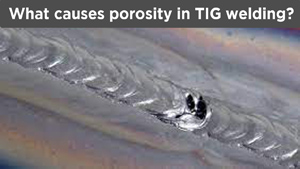
When molten metal is exposed to air, elements like oxygen, nitrogen, and hydrogen can sneak in and cause problems.
These gases can create porosity, make your welds brittle, and even lead to cracking. That’s the last thing you want after spending time lining up a beautiful joint.
So we use a shielding gas to form a protective bubble around the weld. This gas pushes away all the bad stuff in the air and helps the weld cool properly.
Now, for TIG welding mild steel, you don’t need a fancy mix of gases. In fact, using the wrong one can actually hurt your weld quality.
What’s the Best Gas for TIG Welding Mild Steel?
For welding mild steel using TIG, the answer is simple and clear—100% Argon.
Argon is an inert gas, which means it doesn’t react with the metal. That’s exactly what we want in TIG welding. It creates a calm and stable arc, helps the weld puddle flow better, and gives a clean finish with minimal spatter.
Other gases may be used in different types of welding or with different metals, but for mild steel and TIG welding, 100% Argon is the gold standard. Let me explain why in a bit more detail.
Why 100% Argon is Ideal for Mild Steel TIG Welding
I’ve worked with other gas combinations before, either by accident or out of curiosity. But every time I come back to 100% Argon when welding mild steel. Here’s why it’s so reliable:
- Stable Arc: Argon produces a consistent, smooth arc which is crucial for TIG’s precision-based process.
- No Oxidation: Since it’s inert, it doesn’t react with molten steel, preventing oxidation and contamination.
- Cleaner Welds: You get a clean-looking weld with fewer defects and almost no spatter.
- Good Penetration: It allows good weld penetration, so the joint is solid and not just sitting on the surface.
Common Mistakes with TIG Welding Gas
Let’s be honest, when you’re new to TIG welding, it’s easy to make a few mistakes with gas selection. I’ve been there. Here are a few things you should watch out for:
Using CO₂ or Mixed Gases
These are often used in MIG welding, not TIG. Using a gas mix with CO₂ can make the arc unstable and result in a poor weld.
Argon/Helium Mixes
While these can be used for thicker metals or aluminum, they aren’t necessary for mild steel. The helium can actually make the arc too hot, which can lead to burn-through or warping.
Not Checking Flow Rate
Even with the right gas, if your flow rate is off, it won’t work well. You want a flow rate of around 15 to 20 cubic feet per hour (CFH) for most TIG jobs on mild steel.
How Much Gas Pressure and Flow Rate is Right for TIG Welding Mild Steel?
When I set up my welder, one of the most common checks I do is on the gas flow. It’s an easy thing to overlook but makes a big difference. For TIG welding mild steel with 100% Argon, here’s what usually works best:
| Parameter | Recommended Value |
|---|---|
| Gas Type | 100% Argon |
| Flow Rate | 15–20 CFH |
| Regulator Pressure | Around 20–30 PSI (varies slightly based on torch type and hose length) |
| Cup Size | #6 to #8 for mild steel |
Your actual flow rate can depend on your torch, cup size, and even whether you’re welding indoors or outside. Windy conditions will require a slightly higher flow to keep your weld shielded.
How to Set Up Your TIG Welder for Mild Steel
A lot of folks ask me how I set up my machine when I’m doing a mild steel job. Let me break it down:
- Polarity: Set your machine to DCEN (Direct Current Electrode Negative). This gives better penetration for steel.
- Tungsten Type: Use a 2% Thoriated or Lanthanated tungsten (typically red or blue color coding). These work best for DC welding.
- Tungsten Size: For most light to medium steel jobs, I go with 3/32″ tungsten.
- Filler Rod: Use ER70S-2 or ER70S-6 filler rods. These are designed for mild steel.
How Does the Shielding Gas Actually Work While Welding?
Let me put it simply: when you hit the pedal and the arc starts, your TIG torch releases a stream of Argon around the tungsten and the weld puddle.
This gas blanket keeps everything nice and clean, so oxygen and other harmful elements can’t reach the molten metal.
That means your weld won’t turn brown or black. It also stays strong internally, because there are no air bubbles or voids getting trapped inside. Argon helps with heat control, making sure the puddle stays just hot enough without going wild.
Can You Use Helium or a Mix Instead of Argon?
You can—but should you? Not really for mild steel. Helium adds heat to the arc, which can help on thick metals or when welding aluminum.
For mild steel, it’s often overkill. The extra cost and heat don’t give you better results. In fact, the weld can get messy or hard to control.
I tested a 75% Argon / 25% Helium mix once just out of curiosity. The puddle got way hotter than I expected, and I had to dial everything back. In the end, the weld looked alright, but it took more effort and wasn’t better than what I get with 100% Argon.
Can You Use Argon-CO₂ Mix for TIG?
That’s a hard no. CO₂ is an active gas. It reacts with the metal and causes oxidation, porosity, and a rough arc. This mix is made for MIG welding, not TIG. If you try it with TIG, the weld will probably look dirty and weak.
Trust me, I’ve accidentally used a MIG gas cylinder before when I was in a rush. The weld was all over the place—popping, sizzling, and full of junk. Once you use pure Argon, you’ll never go back to using the wrong mix.
How Long Does a Tank of Argon Last?
This is a great question because Argon isn’t cheap. A standard 125 cubic foot tank can last you around 6–10 hours of continuous welding at 15–20 CFH. But if you’re doing small jobs, it can last for weeks.
To make it last longer:
- Don’t leave the gas running when you’re not welding.
- Use the right flow rate—not too high.
- Check your hoses and fittings for leaks.
Does the Quality of Argon Matter?
Absolutely. I’ve used industrial-grade Argon and high-purity Argon, and while both work, higher purity does give slightly better results. For most home and shop welders, standard Argon with 99.99% purity is just fine.
If you’re doing critical welds—maybe for aerospace or pressure vessels—you might want to go for ultra-high purity, but for everyday mild steel welding, standard welding-grade Argon is perfect.
Tips for Getting Better Welds with Argon
Here are a few personal tips that helped me improve my TIG welds over time:
- Let the Argon Flow for a Few Seconds Before You Start: This pre-flow gets rid of any leftover air in the line.
- Keep a Short Arc Length: The closer your tungsten is to the puddle (without touching), the more stable the weld.
- Use a Gas Lens: It improves gas coverage and makes your welds look smoother.
- Post-Flow is Key: Let Argon flow for 5–10 seconds after you finish the weld. This protects the cooling weld and your tungsten.
Conclusion
So, what gas should you use for TIG welding mild steel? The answer is simple: 100% Argon. It’s the best option for clean, strong, and consistent welds. Don’t fall into the trap of using mixed gases or CO₂—those are for other types of welding.
Once you start using Argon, you’ll notice how smooth the arc feels, how steady the puddle moves, and how good your welds look afterward.
Pair it with the right setup—DCEN, proper tungsten, and good filler rod—and you’ll be making pro-level welds in no time.
I hope this guide clears things up and gives you the confidence to set up your TIG welder right. Welding is one of those crafts where small changes make a big difference, and choosing the right gas is one of the biggest.
Frequently Asked Questions
What happens if I use CO₂ instead of Argon in TIG welding?
CO₂ can cause arc instability, oxidation, and porosity. It’s reactive, so it contaminates the weld. TIG welding needs inert shielding gas like 100% Argon.
Can I TIG weld mild steel without gas?
No, TIG welding must have shielding gas. Without it, your tungsten will burn up and the weld will be contaminated immediately.
What is the best flow rate for TIG welding mild steel?
Typically, 15–20 CFH is perfect for most applications. It can be adjusted slightly based on cup size and conditions.
Is Argon expensive for TIG welding?
It can be, depending on your location and supplier. However, a standard tank lasts a long time if used properly. And the quality it brings to your welds makes it worth it.
Can I use the same Argon tank for aluminum TIG welding?
Yes! Argon works for both mild steel and aluminum. Just make sure to switch your machine to AC for aluminum and use the right tungsten.