When I first started MIG welding, one of the most common questions I had was about the gas. Everyone kept talking about argon like it was some kind of secret weapon.
I didn’t understand why it mattered so much. I thought gas was gas, and as long as you had something flowing through the nozzle, you’d be good to go. But oh boy, was I wrong.
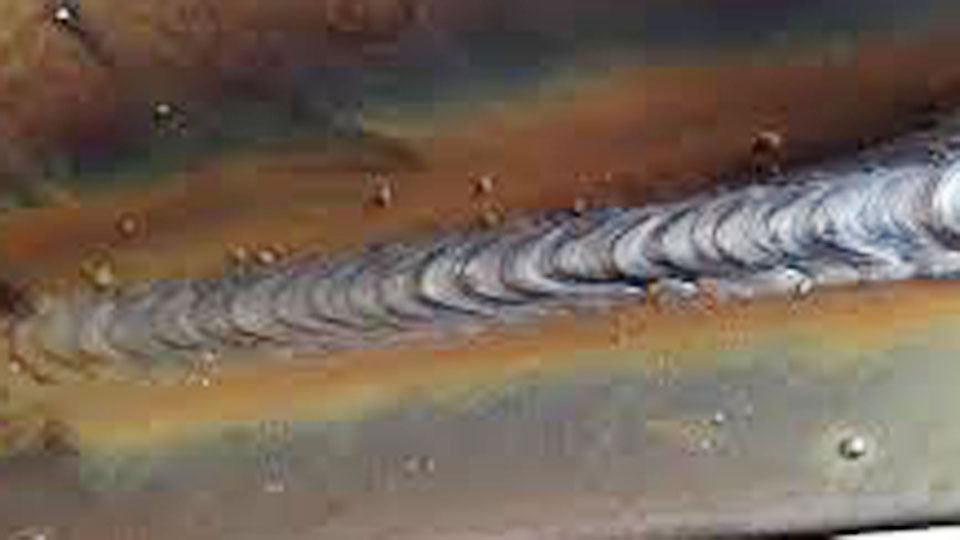
Photos by weldingtipsandtricks
Argon plays a huge role in how your MIG welds turn out. It affects everything from the stability of the arc to the overall appearance of the weld.
If you’re just getting into welding or you’ve been at it for a while, understanding why argon is so widely used in MIG welding can truly improve the quality of your work.
I’m going to walk you through everything I’ve learned and experienced about using argon in MIG welding—why it’s used, what it does, and how it compares with other gases.
What is Argon and Why is it Important in Welding?
Argon is a noble gas, meaning it’s stable and doesn’t react easily with other elements. This makes it ideal for shielding purposes in welding.
During MIG welding, you’re creating a molten pool of metal. If oxygen or nitrogen from the air comes into contact with that pool, it can cause problems like porosity, spatter, or even weak welds.
Argon acts as a protective blanket. It shields the molten metal from atmospheric contamination. Because it’s inert, it doesn’t react with the metals being welded. This keeps the weld clean and free of oxidation.
How Argon Improves Arc Stability
One of the first things I noticed when I switched from using a CO₂-rich gas to pure argon or an argon mix was how smooth the arc felt. It was like night and day. Argon helps maintain a stable arc, which is crucial when you’re trying to lay down consistent, high-quality welds.
A stable arc means less spatter, better control, and a cleaner weld bead. That’s especially important if you’re welding thin materials or doing intricate work where precision matters.
Argon’s Role in Penetration and Bead Appearance
The type of gas you use influences how deep your weld penetrates the material. Pure argon generally provides a shallower penetration profile compared to gases like CO₂. While that might sound like a disadvantage, it’s actually a benefit in certain situations.
When you’re welding thinner metals like aluminum or sheet metal, deeper penetration can burn through the material. Argon helps prevent that. It allows for better control and a smoother, cleaner bead. The resulting weld also tends to have a better appearance—shinier and more uniform.
Why Argon is Essential for Aluminum MIG Welding
If you’re working with aluminum, you really don’t have a choice. You need to use argon. Aluminum reacts quickly with oxygen, and using anything other than pure argon or an argon-helium mix can result in poor-quality welds.
When I started aluminum welding, I didn’t realize how sensitive it was to contamination. But once I switched to 100% argon, my results improved immediately. The welds were stronger, cleaner, and I had fewer issues with porosity or cracking.
Mixing Argon with Other Gases in MIG Welding
Argon is often used in mixtures depending on the material and type of welding you’re doing. Here’s a quick table I put together based on my own usage and industry standards:
| Gas Mix | Common Ratio | Used For | Weld Characteristics |
|---|---|---|---|
| Pure Argon | 100% | Aluminum, non-ferrous metals | Smooth, clean, shallow penetration |
| Argon + CO₂ | 75% Ar / 25% CO₂ | Mild steel | Good arc stability, deeper penetration |
| Argon + CO₂ + O₂ | 90% Ar / 8% CO₂ / 2% O₂ | Stainless steel | Excellent wetting, good bead profile |
| Argon + Helium | 75% Ar / 25% He | Aluminum, copper alloys | Better heat input, deeper penetration |
As you can see, argon is the primary gas in all these combinations. It’s the backbone of most MIG welding shielding gas setups. Other gases are added to enhance specific properties, but argon does most of the heavy lifting.
Using Argon Makes Cleanup Easier
I’ll be honest—welding is already messy enough. The last thing you want is to spend hours grinding, brushing, and cleaning up your welds. One of the things I really like about using argon is that it reduces post-weld cleanup.
Because it doesn’t cause a lot of spatter and it protects the weld pool so well, the resulting weld is much cleaner. Less oxidation means less brushing. Less spatter means less grinding. That translates into saved time and energy, especially if you’re doing production work or multiple welds in a row.
How Argon Affects Cost and Efficiency
Argon isn’t the cheapest gas out there. If you compare it to CO₂, you’ll definitely pay a bit more. But when you factor in the reduced cleanup time, improved weld quality, and lower rework rates, it starts to make financial sense.
When I worked on a project that required tight tolerances and minimal weld defects, using argon helped us stay within spec and reduce scrap. That saved money in the long run, even though the gas itself was more expensive.
Argon Helps Extend Equipment Life
This is something that doesn’t get talked about enough. Because argon produces a more stable arc and less spatter, your equipment takes less of a beating. I’ve had nozzles last longer and contact tips wear out more slowly when using an argon-based gas mix.
Spatter buildup inside the torch is also reduced, which means less maintenance and fewer unexpected breakdowns. In a professional setting, where downtime can be costly, this adds real value.
Safety Benefits of Using Argon
From a safety perspective, argon is non-toxic and non-flammable. That doesn’t mean it’s without risk—since it’s an inert gas, it can displace oxygen in confined spaces, creating a suffocation hazard. But with proper ventilation and gas flow control, argon is one of the safer shielding gases to work with.
Compared to gases like acetylene or even pure CO₂, which can have more reactive properties or produce more heat, argon is relatively calm. I’ve always appreciated the peace of mind that comes with using it in both indoor and outdoor settings.
Environmental Considerations
Another benefit I’ve noticed over the years is that argon doesn’t contribute to harmful emissions. Since it’s a naturally occurring gas and doesn’t produce chemical byproducts during the welding process, it’s more environmentally friendly than some alternatives.
That’s a big plus, especially for shops or contractors who are trying to stay eco-conscious or meet environmental standards. It’s also one less thing to worry about when it comes to regulatory compliance.
Choosing the Right Argon Mix for Your Job
Choosing the right gas mix comes down to what you’re welding and how you want your weld to perform. Here’s how I usually decide:
- Welding aluminum? Go with 100% argon.
- Welding mild steel? Try 75/25 argon-CO₂ for a good balance.
- Need deeper penetration? Use an argon-helium mix or increase CO₂.
- Welding stainless? Consider a tri-mix with oxygen.
If you’re not sure, talk to your gas supplier. Many of them have charts or calculators that can help you decide based on your materials and process.
Mistakes When Using Argon in MIG Welding
I’ve seen a few mistakes that come up a lot when people start using argon. Here are some to watch out for:
- Too much gas flow – More is not always better. Too much argon can cause turbulence and suck in air, defeating the purpose.
- Poor torch angle – Keep your torch at the right angle to maintain proper shielding.
- Drafty environments – Argon is heavier than air, so even a light breeze can blow it away and leave your weld unprotected.
- Incorrect nozzle size – If the nozzle is too small, the gas won’t spread properly.
Fixing these simple mistakes can make a huge difference in your weld quality.
Can You Use Argon Alone for Steel MIG Welding?
You can, but you probably shouldn’t. Pure argon on mild steel doesn’t give you the best results. You’ll end up with a tall, narrow bead and lack the penetration needed for strength. That’s why a CO₂ mix is preferred for steel. It provides better fusion and a flatter bead.
I tested this myself once just out of curiosity. The welds looked okay on the surface, but when I did a bend test, they cracked right away. Lesson learned.
Is Argon Worth the Investment for Hobbyists?
Absolutely. If you’re welding in your garage or working on a car restoration, argon can help you get professional-level results without a huge learning curve. Your welds will be cleaner, easier to manage, and you’ll feel more confident about your projects.
When I started, I thought argon was only for professionals. But once I gave it a shot, I never went back. It made welding more enjoyable and my results looked ten times better.
Conclusion
So, why use argon in MIG welding? Because it works. It gives you cleaner welds, better control, and less frustration.
If you’re welding aluminum, mild steel, or stainless, argon plays a key role in protecting your weld and ensuring top-notch quality.
I’ve personally experienced the difference it makes. From smoother arcs to cleaner beads and fewer defects, argon has become a staple in my welding setup. It’s not just a fancy gas—it’s an essential tool that helps you weld better, safer, and more efficiently.
If you’ve been wondering whether to make the switch or invest in an argon setup, I hope this helped you understand why it’s such a valuable part of MIG welding.
Frequently Asked Questions
What happens if I weld without argon in MIG welding?
Welding without argon or proper shielding gas leads to contamination from the atmosphere. You’ll likely see porosity, oxidation, and a weak weld structure.
Can I use argon-CO₂ mix for aluminum?
No. Aluminum should only be welded with 100% argon or an argon-helium mix. CO₂ will contaminate the weld and create defects.
Is pure argon good for steel welding?
Not really. While it’s possible, pure argon doesn’t provide enough penetration on steel. A 75/25 argon-CO₂ mix is more suitable.
How much gas flow should I use with argon?
Typically, 20–25 cubic feet per hour (CFH) is enough. If you’re welding outdoors or in drafty areas, you might need a bit more.
Is argon safe to use at home?
Yes, as long as you have good ventilation. Argon is non-toxic but can displace oxygen in small spaces, which could be dangerous if you’re not careful.
Let me know if you have more questions—I’m always happy to help fellow welders improve their skills and confidence.