Low hydrogen electrodes play a crucial role in welding, especially when working with high-strength steels or applications that require crack-resistant welds.
If you’re new to welding or even if you have experience, identifying low hydrogen electrodes correctly is essential to ensure strong, durable, and defect-free welds.
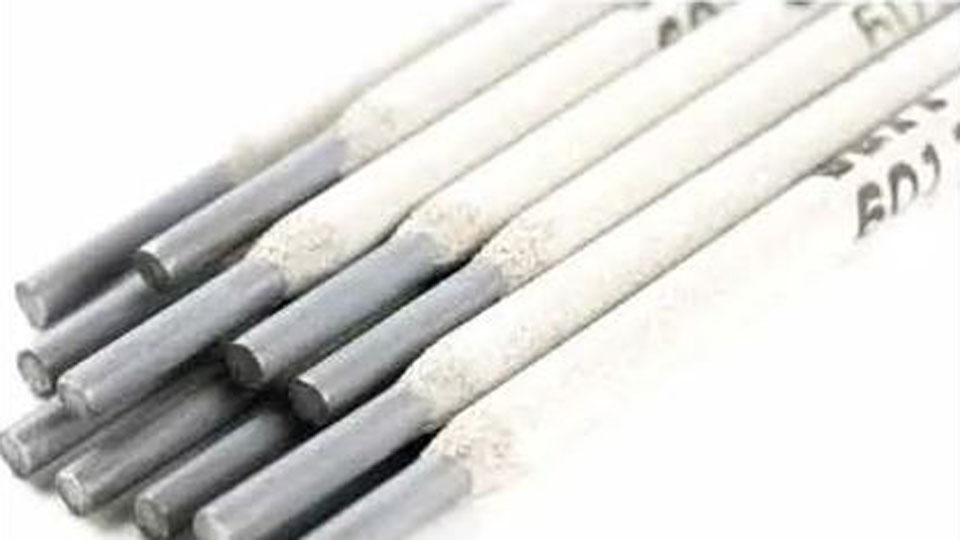
Image by indiamart
Many welders hear about low hydrogen rods, but not everyone knows exactly how to spot them, store them, or why they matter so much.
I’ve spent a lot of time working with these electrodes, and I can tell you that knowing how to identify them will save you from weak welds, cracking issues, and costly rework. Let’s dive into everything you need to know about identifying low hydrogen electrodes.
What Are Low Hydrogen Electrodes?
Low hydrogen electrodes are specially designed welding rods that contain minimal moisture in their coating. The presence of hydrogen in welds can lead to hydrogen embrittlement, which causes cracks, especially in high-strength steel. These electrodes help reduce that risk by limiting the hydrogen content in the weld puddle.
Low hydrogen rods are widely used in structural welding, pressure vessels, pipelines, and any application where weld strength and reliability are critical.
The most common low hydrogen electrode is the E7018, but there are many others designed for different materials and welding conditions.
How to Identify Low Hydrogen Electrodes
Look at the Electrode Classification Code
One of the easiest ways to identify a low hydrogen electrode is by checking the classification code printed on the electrode or packaging.
The American Welding Society (AWS) provides a numbering system that tells you important details about the electrode.
For example, let’s break down the classification E7018:
- E – Electrode
- 70 – Tensile strength of 70,000 psi
- 1 – Can be used in all positions
- 8 – Indicates low hydrogen coating
Any electrode that ends in 8 (like E7018, E8018, E11018) is a low hydrogen electrode. Some other low hydrogen electrodes may end in 15 or 16 (such as E7015 or E7016).
Check the Coating Appearance
Low hydrogen electrodes have a specific type of flux coating. Compared to other welding rods, the flux on these electrodes looks denser and smoother.
It is typically gray or light brown and doesn’t have the rough, porous texture that some cellulose-coated electrodes (like E6010) have.
If you’re unsure, run your fingers over the coating. Low hydrogen electrodes tend to have a slightly waxy or solid feel rather than a chalky or rough one.
Read the Manufacturer’s Packaging
Manufacturers clearly label their electrode boxes, and this is another simple way to verify if an electrode is low hydrogen. Look for terms such as:
- “Low Hydrogen”
- “H4” or “H8” (Hydrogen content ratings)
- “Moisture Resistant”
Some manufacturers also add moisture absorption warnings on the packaging, advising that these electrodes should be kept in a dry storage area or a rod oven.
Observe Welding Characteristics
If you’re still unsure whether you have a low hydrogen electrode, you can often tell by how it performs during welding. These rods produce:
- Smooth, stable arcs – Unlike E6010, which has an aggressive arc, E7018 and other low hydrogen rods have a controlled, quiet arc.
- Minimal spatter – The puddle remains fluid and clean, reducing excess spatter.
- Easier slag removal – The slag from low hydrogen rods peels off easily compared to cellulose-based electrodes.
Moisture Sensitivity and Storage Requirements
Low hydrogen electrodes require special storage because they absorb moisture from the air. If an electrode needs to be stored in a heated rod oven, it’s a good indicator that it’s a low hydrogen type.
If the electrode has been exposed to humidity for too long, you might notice small cracks in the coating, which means it’s no longer suitable for critical welds.
Check the Welding Rod Oven
A professional welding shop or job site will always keep low hydrogen electrodes in a rod oven set at 250°F – 300°F to prevent moisture absorption. If you see rods being stored this way, you can almost guarantee they are low hydrogen electrodes.
Look for AWS Classification Labels
On some electrodes, the AWS classification is stamped directly on the rod’s coating near the end. If you see E7018, E8018, E11018, or similar numbers printed on the rod itself, you can confirm it’s a low hydrogen electrode.
Comparison of Low Hydrogen vs Non-Low Hydrogen Electrodes
Here’s a quick comparison table to help distinguish low hydrogen electrodes from other types:
| Feature | Low Hydrogen Electrodes (e.g., E7018) | Non-Low Hydrogen Electrodes (e.g., E6010) |
|---|---|---|
| Arc Stability | Smooth and controlled | Aggressive and forceful |
| Moisture Sensitivity | High, requires dry storage | Less sensitive, can be air-dried |
| Slag Removal | Peels off easily | More difficult to remove |
| Spatter | Minimal | Higher spatter levels |
| Storage Needs | Must be kept in a rod oven | Can be stored in a dry area |
| Common Uses | Structural welding, pressure vessels, pipelines | Pipe welding, general fabrication |
Why Identifying Low Hydrogen Electrodes is Important
Selecting the wrong electrode can cause serious welding defects. Using non-low hydrogen rods on sensitive materials can lead to cracking, porosity, and weld failure. That’s why it’s so important to properly identify and use the correct electrodes.
If you’re welding high-strength steel, bridges, pressure vessels, or pipelines, using low hydrogen electrodes is not just recommended—it’s often required by welding codes and standards.
How to Properly Store and Handle Low Hydrogen Electrodes
Once you’ve identified a low hydrogen electrode, you need to make sure it stays dry and in perfect condition.
Use a Rod Oven – Keep low hydrogen electrodes in a rod oven at 250°F – 300°F to prevent moisture absorption.
Avoid Open Exposure – Never leave low hydrogen rods sitting out in humid conditions for long periods.
Use Sealed Containers – If you don’t have a rod oven, store the rods in their sealed package or an airtight container with desiccant packs.
Re-baking – If electrodes absorb moisture, they may need to be re-baked at 500°F – 800°F to remove excess hydrogen. This should only be done if the manufacturer allows it.
Conclusion
Identifying low hydrogen electrodes isn’t difficult once you know what to look for. Always check the classification code, coating appearance, packaging labels, and storage requirements to confirm if a welding rod is low hydrogen. These electrodes play a crucial role in preventing weld defects, especially in high-strength steel applications.
If you’re working on critical structural welds, pressure vessels, or pipelines, always choose a low hydrogen electrode like E7018 and make sure it’s stored properly. Following these simple steps will help you achieve stronger, cleaner, and more reliable welds every time.
FAQs
What is the most common low hydrogen electrode?
The most common low hydrogen electrode is E7018, widely used in structural welding.
How can I tell if an electrode is low hydrogen just by looking at it?
Look for a smooth, dense coating and check for AWS classifications ending in 8, 15, or 16 (like E7018 or E8018).
What happens if I use a low hydrogen electrode that has absorbed moisture?
Moisture in low hydrogen electrodes can cause porosity, hydrogen cracking, and weld failure. Always store them properly.
Can I dry out wet low hydrogen electrodes?
Some low hydrogen electrodes can be re-baked in a rod oven at high temperatures, but always check the manufacturer’s guidelines first.
Why do low hydrogen rods need a rod oven?
These rods absorb moisture quickly, which can cause hydrogen embrittlement in the weld. A rod oven keeps them dry and usable.