Standing in front of the welding supply shelf, it’s easy to assume all aluminum filler rods do the same job. Then a project cracks unexpectedly, refuses to color-match after anodizing, or doesn’t perform the way you expected.
That’s usually when welders start asking What is the Difference Between 4043 and 5356 Aluminum and why choosing the right filler metal matters so much.
Both 4043 and 5356 are popular aluminum filler alloys, but they’re designed for different situations. One is known for its smooth welding characteristics and crack resistance, while the other offers higher strength and better performance in certain structural applications. Picking the wrong one can affect everything from weld appearance to durability and corrosion resistance.
Once you understand the strengths and limitations of each filler, the choice becomes much easier. I’ll break down the key differences between 4043 and 5356 aluminum, explain where each one performs best, and help you select the right filler for your next welding project.
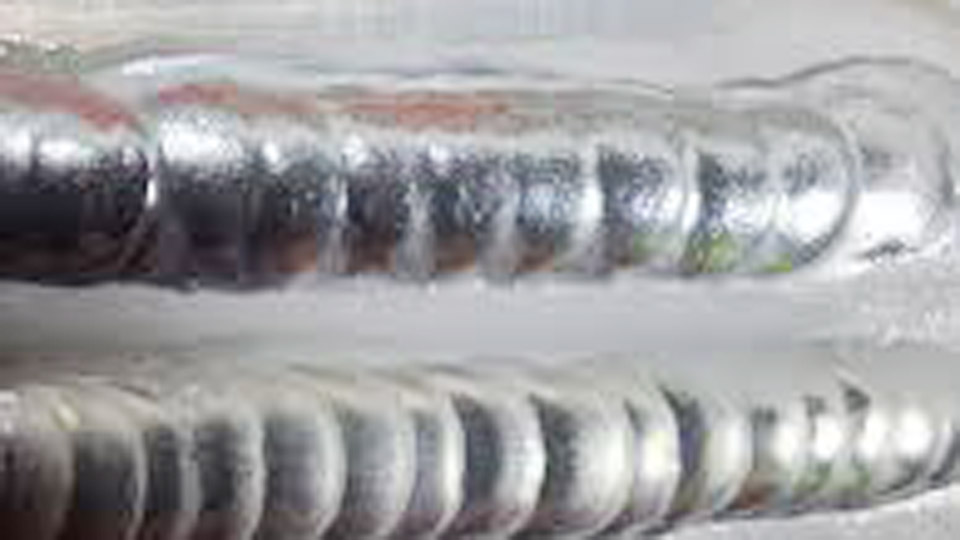
Image by Aluminum Tig welding
Aluminum Filler Metals: The Basics That Matter in the Shop
Aluminum welding isn’t like steel. The material conducts heat fast, forms oxides quickly, and the filler you add has to match the base metal’s behavior while giving you a weld that holds up.
4043 and 5356 are the workhorses because they cover most common alloys like 6061, 5052, 5083, and castings. The core difference comes down to their main alloying elements: silicon in 4043 and magnesium in 5356. That single change affects fluidity, strength, corrosion resistance, color after anodizing, and high-temperature performance.
I’ve seen beginners burn through rods trying to force one to do the other’s job. Once you understand the chemistry and the puddle, your welds become consistent and reliable.
Chemical Composition: Silicon vs. Magnesium
4043 is an aluminum-silicon alloy, typically with 4.5–6% silicon. It has low magnesium (under 0.05%) and controlled amounts of iron and other trace elements. The silicon lowers the melting point and improves flow, making it forgiving in the puddle.
5356 is an aluminum-magnesium alloy with about 4.5–5.5% magnesium, plus small amounts of manganese and chromium. No significant silicon. The magnesium boosts strength and corrosion resistance but changes how the metal solidifies and handles heat.
In practice, 4043 feels “wetter” and more fluid. 5356 is stiffer, stronger, and a bit more finicky with impurities or heat input.
Key Mechanical and Performance Differences
Strength is one of the biggest distinctions. 5356 generally produces stronger welds, especially in fillet joints where shear strength matters. A rough shop rule I’ve heard and tested is that it can take three passes of 4043 to match the shear strength of one solid 5356 fillet.
Ductility and crack resistance favor 4043 in many cases. It handles shrinkage and hot cracking better, which is why it shines on castings or repairs with dirtier material. 5356 offers excellent ductility overall but can be more prone to cracking if the joint isn’t prepped perfectly or if you’re dealing with heavy restraint.
Corrosion resistance tilts toward 5356, especially in marine or outdoor environments. Magnesium helps it stand up to salt and moisture.
For elevated temperatures above 150°F (around 65°C), stick with 4043 or similar silicon-based fillers. 5356 can lose strength or become susceptible to cracking over time in sustained heat.
Appearance and post-weld treatment: 4043 often gives a smoother, shinier bead with less smut, but it turns dark gray after anodizing. 5356 gives a better color match for anodized parts and generally looks good as-welded, though it can show more texture depending on your technique.
When to Use 4043: Flow, Forgiveness, and High-Heat Applications
I grab 4043 when I need easy flow and good wetting. It’s my go-to for most 6xxx series extrusions like 6061 and 6063, architectural work, thin sheet, and any job where appearance or post-weld anodizing isn’t critical.
It works great on cast aluminum too—engine parts, manifolds, or brackets—because the silicon helps it tolerate some impurities and reduces cracking. For radiators, heat exchangers, or anything seeing sustained temperatures over 150°F, 4043 is safer.
Practical tips for 4043:
- Excellent for beginners learning aluminum TIG. The puddle flows nicely and fills gaps easier.
- Use it for groove welds where strength differences are less critical.
- In MIG, it feeds smoothly and produces less spatter on clean material.
Common mistake: Using it on high-magnesium 5xxx base metals in corrosive environments. It won’t match the corrosion performance and can create a weaker galvanic couple over time.
When to Use 5356: Strength, Corrosion Resistance, and Structural Work
5356 is my choice for load-bearing parts, marine applications, bike frames, trailer floors, and anything made from 5xxx series like 5052, 5083, or 5086. It’s stronger and more ductile in many structural situations, especially fillets.
I also reach for it when welding 5xxx to 6xxx combinations and when corrosion resistance is non-negotiable. In repair work on used aluminum that might have some oxidation or contaminants, 5356 often gives better fusion once you’ve cleaned it aggressively.
Practical tips for 5356:
- It’s stiffer, so it feeds better through MIG guns in many setups—great for longer runs without bird-nesting.
- Needs slightly higher wire speed or amperage adjustments compared to 4043 for the same setup because of different melt-off rates.
- Produces a more “rigid” weld that holds up under vibration and stress.
Watch out for high-heat service. Avoid it on parts that will live above 150°F continuously.
TIG Welding 4043 vs 5356: Technique, Settings, and Puddle Behavior
TIG is where I see the biggest difference in feel.
With 4043, the puddle is fluid and forgiving. It wets out nicely to the edges. I typically run 1/16″ or 3/32″ rod depending on material thickness. For 1/8″ 6061, I might start around 90-120 amps on a good inverter, using AC balance around 30-35% EN and frequency 100-120 Hz for control. Add filler with a slight dabbing motion and keep the torch moving to avoid overheating.
5356 puddles differently—less fluid, more controlled. It stacks a bit more and can look “ropey” if you don’t manage heat. I often need a touch more amperage or faster travel to keep it from overheating. The rod feels stiffer when feeding. Cleanliness is even more critical because magnesium doesn’t forgive oxides or oil as easily.
Step-by-step TIG setup I use:
- Clean the base metal thoroughly—stainless brush, acetone, scrape oxides.
- Use pure argon, 15-20 CFH.
- Preheat thick sections lightly if needed (under 200°F).
- Tack with the same rod you’ll weld with.
- Maintain a tight arc, push the puddle, and add filler consistently.
Common beginner mistake with both: too much filler too fast creates cold laps. Too little and you undercut or burn through thin stuff. Practice on scrap until the puddle tells you what it needs.
MIG Welding 4043 vs 5356: Parameters, Feedability, and Shop Realities
In MIG (GMAW), 5356 often feeds better because it’s stiffer. 4043 is softer and can sometimes cause feeding issues on longer cables, but it sprays nicely with good settings.
Typical settings on a common US machine like a Miller or Lincoln for 0.035″ wire on 1/8″ material:
- 4043: Around 140-180 amps, wire speed adjusted lower than 5356, voltage 20-24V depending on machine.
- 5356: Higher wire speed (roughly 15-20% more) for the same amperage because of faster melt-off. Start higher and dial in for spray transfer.
Push technique works best for both to get good cleaning action. Use spool guns for out-of-position or field work.
I’ve had better success with 5356 on dirty repair jobs because it pushes through minor contamination better once the arc is stable. 4043 gives prettier beads on new material.
Joint Preparation, Material Compatibility, and Common Mistakes
Proper prep separates good welds from porosity nightmares. Always:
- Remove oxide with a dedicated stainless brush (never use on steel).
- Degrease with acetone or alcohol.
- For thicker material, bevel edges for better penetration.
- Fit-up tight—aluminum doesn’t bridge gaps like steel.
Compatibility chart in my head:
- 6061: Either works, but 4043 for most general fab, 5356 for strength.
- 5052/5083: Prefer 5356.
- Castings: 4043 often better.
Biggest mistakes I see:
- Poor cleaning leading to black soot or porosity (worse with 5356 sometimes).
- Using 5356 on high-temp parts.
- Anodizing 4043 welds expecting a nice match.
- Wrong amperage causing lack of fusion or burn-through.
- Not accounting for distortion—aluminum moves a lot; clamp and sequence your welds.
Pros and Cons Comparison
4043 Pros: Excellent fluidity, lower crack sensitivity, good for high temps, smooth appearance, forgiving for thin material and castings.
4043 Cons: Lower strength in fillets, poor anodize color match, less corrosion resistance in some environments.
5356 Pros: Higher strength and ductility, excellent corrosion resistance, good color match after anodizing, stiffer wire for MIG.
5356 Cons: Less fluid, can crack more easily if dirty or overheated, not for sustained high temperatures.
Here’s a quick table for reference:
| Aspect | 4043 | 5356 |
|---|---|---|
| Main Element | Silicon (5%) | Magnesium (5%) |
| Strength | Moderate | Higher (especially fillets) |
| Fluidity | Excellent | Good but less fluid |
| Crack Resistance | Excellent | Good |
| Corrosion Resistance | Good | Excellent |
| High Temp (>150°F) | Suitable | Avoid |
| Anodizing Color | Dark gray | Better match |
| Best For | General, castings, heat | Structural, marine, 5xxx |
Safety and Real-World Shop Practices
Aluminum welding throws a lot of UV, so cover up and use proper lens shade (around 10-12 for TIG). Keep your workspace ventilated—fumes from magnesium or oxides aren’t great.
Store rods in a dry place. Contaminated filler is a common source of porosity. I keep mine in sealed tubes or the fridge in humid shops.
For US machines, most modern inverters handle both easily with AC balance and pulse features. Learn your machine’s aluminum settings and tweak from there.
Building Confidence with Both Fillers
Spend time practicing both on scrap of different thicknesses. Weld a test coupon, bend it, and see how it behaves. I still do this when trying new material or machines.
Over time, you’ll develop the feel: 4043 invites you to flow it around, 5356 demands respect for its strength and heat sensitivity.
Taking It to the Next Level: Pro Tips from the Booth
One strong piece of advice I give every welder moving past beginner stage: match your filler to the service conditions first—strength, temperature, corrosion, appearance—then adjust technique. Don’t default to one rod because it’s what you have in the drawer.
Test your welds when it matters. A quick fillet break test or visual inspection after cleaning tells you more than any chart. And always, always clean like your weld depends on it—because it does.
Final Thoughts
You’re now better equipped to pick the right filler, dial in settings on your machine, and avoid the common pitfalls that ruin aluminum projects.
Whether you’re building something for fun in the garage or knocking out professional repairs, understanding 4043 versus 5356 takes your aluminum game up a notch. Grab some scrap, fire up the torch, and start practicing. The puddle will teach you the rest.
FAQ
Can I use 4043 and 5356 interchangeably on 6061 aluminum?
Yes, in many cases both work on 6061. I use 4043 for most general fabrication and groove welds because it flows better and looks nicer. Switch to 5356 when I need extra strength in fillet welds or better corrosion performance. Test your specific application.
Which filler is better for MIG welding thin aluminum sheet?
4043 is often more forgiving on thin material because of its fluidity. It helps prevent burn-through and gives smoother beads. Keep your settings lower and use push technique with good cleaning.
Why does my 5356 weld look dirtier or have more soot than 4043?
5356 can show more smut or texture, especially if heat input is high or cleaning wasn’t perfect. Increase travel speed, adjust balance on TIG, or fine-tune voltage/wire speed on MIG. Thorough brushing and degreasing helps dramatically.
Is 5356 stronger than 4043 for structural aluminum welding?
Generally yes, particularly in shear for fillet welds. It’s the better choice for load-bearing or vibration-prone parts. However, overall joint strength also depends heavily on proper joint design, prep, and the heat-affected zone in the base metal.
When should I avoid 5356 completely?
Avoid it for parts that will see continuous service temperatures above 150°F, like some engine components or heat exchangers. Stick with 4043 or similar silicon alloys there to prevent long-term issues.