
A metal gate can start looking rough long before it actually becomes weak. Rust creeps in around weld joints, chipped paint, and corners that collect moisture, and before long the surface turns flaky, faded, and uneven.
That’s when learning How to Repaint a Rusty Metal Gate becomes more than a cosmetic fix—it’s a way to protect the metal and stop further damage from spreading.
One thing I’ve noticed on outdoor metal projects is that paint failure usually starts with poor prep work. If loose rust isn’t removed properly or the wrong primer gets used, the fresh coat may look good for a while but won’t last through rain, heat, and humidity.
I’ve seen gates need repainting all over again within a year because shortcuts were taken during preparation.
The good news is that restoring a rusty gate doesn’t require a professional shop setup. With the right cleaning, sanding, and painting process, you can bring old metal back to life and give it a finish that actually holds up outdoors. I’ll walk through the practical steps that make the biggest difference from start to finish.
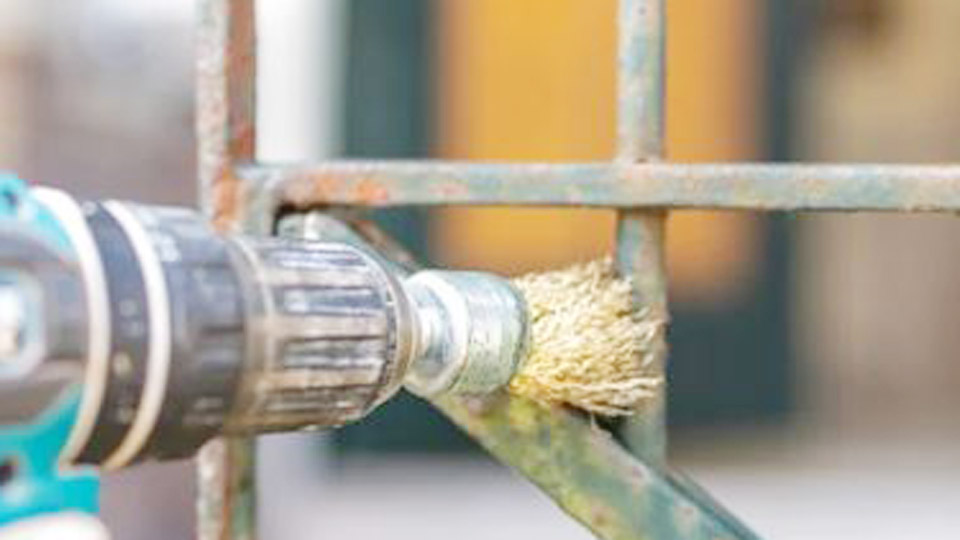
Image by littlehouseonthecorner
Why Rusty Gates Fail and Why Proper Repair Matters
Rust doesn’t just sit on the surface. It eats into the steel, weakens joints, and creates stress points where welds or bends used to hold strong.
In humid or coastal areas common across the US, this happens fast. A gate that looked fine last season can develop holes or loose bars by next spring.
The real cost isn’t the paint—it’s the downtime, the safety risk when the gate collapses, or the rework when paint flakes off in six months. Good prep and targeted welding repairs extend life dramatically. I’ve seen gates last another decade after a proper rehab.
Assessing Your Rusty Metal Gate: What to Look For Before Touching It
Walk around the gate and test every joint. Push and pull on bars, hinges, and the frame. Look for:
- Loose or broken welds
- Thin, pitted sections from deep rust
- Sagging that indicates frame twist or hinge failure
- Holes through the metal
If it’s a wrought iron or tubular steel gate, rust often concentrates at the bottom where water pools. Take photos and note problem spots. This assessment prevents surprises once you start stripping.
Pro tip from the shop: If the gate is still structurally sound but has surface rust, you can often save it without full disassembly. Heavy damage means pulling it off the hinges.
Welding Repairs on a Rusty Gate: Fixing It Before Painting
Many DIYers grab a wire brush and paint, but if welds are cracked or bars are detached, you’re wasting time. I always repair first.
Common Repairs You’ll Encounter
- Broken or cracked welds: Grind out the old weld completely to clean metal. Use a 4-1/2″ angle grinder with a grinding wheel or flap disc.
- Rotted bottom rails: Cut out the bad section and weld in fresh material. Match the original thickness—usually 14- or 16-gauge for residential gates.
- Loose hinge points: Reinforce with gussets or heavier plate if needed.
Recommended Processes and Settings for Gate Repairs
For most home gates, a MIG welder is the go-to for speed and clean results on thinner metal.
- Wire: 0.030″ flux-cored or solid wire with shielding gas for cleaner welds outdoors.
- Amperage: 90-140 amps depending on thickness. Start low to avoid burn-through on rusty or thin areas.
- Technique: Short bursts, keep the gun moving. Clean the area thoroughly first—rust and paint kill weld quality.
If you’re running SMAW (stick), 6011 or 6013 rods in 3/32″ or 1/8″ diameter work well on dirty metal. 6011 cuts through light rust better for root passes. Set your machine around 70-110 amps for 1/8″ rod. Keep a sharp arc and watch for undercut on thin sections.
Common beginner mistake: Welding over rust without grinding. The weld looks okay initially but lacks fusion and cracks later. Always grind to bright metal.
For pros: Back-purge or use anti-spatter if the gate has decorative elements you don’t want burned.
After welding, grind welds flush for a clean paint surface, especially on visible areas.
Tools and Materials You’ll Actually Need
Gather these before starting:
- Angle grinder with wire wheel, flap discs (40-80 grit), and cutoff wheel
- Wire brush (hand and drill attachments)
- Rust converter or inhibitor
- Metal primer (rust-inhibiting, like zinc-rich or direct-to-metal formulas)
- Topcoat paint suited for exterior metal (oil-based enamels or acrylics rated for outdoor use)
- Degreaser, rags, drop cloths
- Safety gear: Gloves, goggles, respirator, ear protection
US brands like Rust-Oleum, Behr, or Hammerite direct-to-rust paints simplify the process for many jobs.
Step-by-Step: How to Remove Rust and Prep the Gate
Remove the gate if possible. Lay it flat on sawhorses for better access to all sides.
Clean off loose debris. Wash with soapy water to remove dirt and bird droppings.
Mechanical rust removal. Hit it aggressively with the wire wheel on your grinder. Work in sections. For heavy scale, use a flap disc. Get into crevices with a detail sander or small wire brush.
Chemical treatment. On remaining light rust, apply a rust converter. Let it work per instructions—usually turns black or neutralizes the rust.
Final sanding. Smooth everything with 80-120 grit. Feather edges of old paint.
Degrease. Wipe down with mineral spirits or a dedicated metal cleaner. Let it dry completely. Any moisture traps under paint and starts new rust.
Shop insight: Power tools cut time dramatically compared to hand brushing. But don’t overheat thin metal with the grinder—move constantly.
Choosing the Right Primer and Paint for Outdoor Durability
Primer is non-negotiable for longevity. Use a rust-inhibiting primer formulated for metal. Zinc-rich primers offer cathodic protection similar to galvanizing.
For topcoats, look for:
- Direct-to-metal (DTM) paints that combine primer and finish
- High-gloss or semi-gloss enamels for better water shedding
- UV and corrosion-resistant formulas for sun and weather exposure
Apply in thin, even coats. Two or three thin coats beat one thick one that sags or cracks.
Comparison of Paint Options:
| Option | Best For | Pros | Cons | Coats Needed |
|---|---|---|---|---|
| Direct-to-Rust (e.g. Hammerite) | Quick DIY jobs | Easy, covers rust well | Texture can show | 1-2 |
| Zinc-Rich Primer + Enamel | Professional, long-term | Superior corrosion resistance | More steps | 2-3 |
| Acrylic Latex Metal Paint | Mild climates | Low odor, easy cleanup | Less durable in harsh areas | 2 |
| Oil-Based Enamel | High exposure | Tough, glossy finish | Longer dry time | 2 |
Painting Techniques That Deliver Pro Results
Brush for small gates or intricate wrought iron—use natural bristle or foam for smooth finishes. Rollers work on flat panels but watch for orange peel.
Spraying gives the best look on larger gates. Thin paint per manufacturer specs and use multiple light passes. Keep the gun perpendicular and overlapping 50%.
Start with hard-to-reach areas like inside corners and bars. Work top to bottom. Allow full dry time between coats—rushing causes failures.
Paint on a dry day with temps between 50-85°F. Avoid direct sun that makes paint dry too fast.
Reinstalling and Final Checks
Once fully cured (usually 24-48 hours for light use, longer for full cure), rehang the gate. Check alignment, lubricate hinges, and adjust tension. A properly painted and repaired gate should operate smoothly with no binding.
Common Mistakes Even Experienced Welders Make
- Painting over loose rust or mill scale
- Skipping degreasing—oils and contaminants ruin adhesion
- Applying thick coats that trap moisture
- Ignoring drainage—water pooling at the bottom destroys your work
- Using interior paint outdoors
I’ve made most of these myself early on. Learn from them.
Maintaining Your Repainted Gate for Years of Service
Inspect annually. Touch up chips immediately. Keep the bottom clear of vegetation and debris. A quick wash once or twice a year removes salt and pollutants.
You’re Ready to Make That Gate Look New Again
A well-executed repaint on a properly repaired rusty metal gate transforms curb appeal and function. You’ve addressed the root causes—structural weaknesses via welding, surface corrosion through thorough prep, and future protection with quality coatings.
The key lessons: Always repair before painting, clean to bare metal where possible, use compatible primers and paints, and apply with patience. These steps separate amateur jobs that fail in a season from ones that last.
After the final coat cures, run your hand over the surface. If it feels perfectly smooth with no surprises, you did it right. That tactile check catches issues eyes might miss.
Now get out there, take your time on the prep, and turn that rusty wreck into something you’re proud to swing open every day. Your gate—and your neighbors—will thank you.
FAQs
Can I paint directly over rust without removing it?
You can with certain direct-to-rust paints or converters, but results vary. For best longevity, especially on gates that see heavy use or weather, remove as much loose rust as possible first. Painting over thick, flaky rust almost always leads to premature failure.
What’s the best welder for repairing a home metal gate?
A MIG welder with flux-cored wire is most forgiving for DIYers working on potentially dirty or thin metal. It’s fast and produces clean beads. Stick welding works too but requires more skill on thin sections.
How long should I wait between primer and topcoat?
Follow the product label, but generally 2-4 hours minimum, up to 24 hours in cooler or humid conditions. Rushing this step is a common cause of peeling.
Is it worth removing the gate to paint it?
Yes, almost always. You get better access to all sides, can lay it flat to avoid drips, and do a more thorough job on prep and welding repairs.
What paint holds up best in coastal or humid areas?
Look for marine-grade or high-performance DTM coatings with strong corrosion inhibitors. Multiple coats of quality oil-based enamel over a zinc primer have served me well on saltwater-exposed projects.


