
Nothing slows down a repair job faster than a bolt snapping off right when you think the hard part is over. One second the fastener feels tight, and the next you’re staring at a broken piece buried inside the metal with almost nothing left to grip.
That’s usually when people start searching for How to Unscrew a Broken Bolt without damaging the threads or making the problem worse.
Broken bolts are common in real workshop and garage work, especially on rusty equipment, exhaust parts, or older machinery that’s seen years of heat and corrosion.
The frustrating part is that rushing the removal often leads to stripped threads, damaged surfaces, or a bolt extractor snapped inside the hole—which is even harder to fix.
But the most broken bolts can be removed with the right method and a little patience. I’ll walk through the practical techniques that actually work, from penetrating oil and heat tricks to extractor tools and welding methods that can save the threads and get the job finished properly.
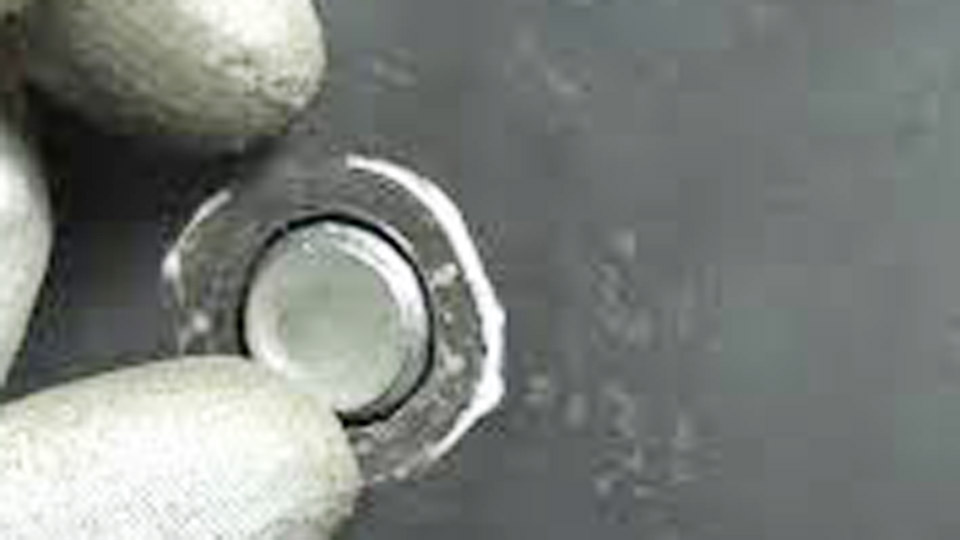
Image by slashgear
Why Broken Bolts Happen and Why They Matter in the Shop
Bolts snap for a few common reasons: over-torquing, corrosion locking them in place, fatigue from vibration, or poor material quality. In welding and fabrication work, you’re often dealing with old equipment, outdoor repairs, or high-heat environments that make fasteners brittle.
The real cost isn’t just the bolt—it’s downtime, damaged threads, or worse, a scrapped component. A clean extraction keeps your project on track and your customer happy. Safety matters too: flying metal shards, hot slag, or a part shifting under stress can turn a simple job dangerous.
Assessing the Broken Bolt Before You Start
Take a breath and look it over. Is the bolt protruding above the surface, flush, or recessed below? What material is the base—steel, aluminum, or cast iron? How tight was it before it snapped?
Key checks:
- Clean the area thoroughly with a wire brush or grinder. Rust, paint, and grease kill weld penetration.
- Measure the bolt diameter to match your tools or nuts.
- Check for access—do you have room for a wrench, impact, or welder torch?
If it’s in aluminum or cast iron, be extra careful with heat to avoid warping or cracking the parent material.
Traditional Mechanical Methods: When to Skip the Welder
Sometimes you don’t need fire. These are my go-to starters.
Using Bolt Extractors and Left-Hand Drills
Center punch the exact middle of the broken bolt. Start with a small pilot hole using a left-hand drill bit—the reverse rotation often spins the bolt out while drilling.
For extractors (easy-outs), drill to the recommended size, tap in the extractor, and turn slowly with a tap handle or wrench. Penetrating oil like PB Blaster helps here. Let it soak, especially on rusty jobs.
Pros: No heat damage to threads.
Cons: Extractors snap easily if you get aggressive. Common beginner mistake: off-center drilling ruins the hole.
Tips from the bench: Use cutting oil, go slow, and back out frequently to clear chips. On hardened bolts, this fails more often than it succeeds.
Drilling and Tapping Oversize
If extraction fails, drill out the entire bolt and tap for the next size up or install a threaded insert. This works reliably but requires precise centering and good tap alignment.
I keep a set of left-hand bits and quality extractors in every toolbox, but I reach for the welder when they won’t touch it.
The Welding Approach: My Favorite Way to Unscrew Broken Bolts
This is where your welder shines. The heat breaks the rust bond, and the added material gives you something solid to grip. MIG is fastest for most shop work, but stick and TIG have their places.
Step-by-Step: Welding a Nut onto a Broken Bolt
Prep the surface — Grind the broken end flat and clean to bright metal. Remove any burrs.
Optional washer — Place a flat washer over the bolt if it’s recessed or to protect surrounding surfaces from weld spatter and runoff.
Position the nut — Use a nut that fits over or matches the bolt diameter. For recessed bolts, build up weld first to create a stub.
Weld it — Tack or fully weld the nut to the bolt. Focus penetration into the center of the broken bolt. Use enough heat for good fusion but not so much you burn through.
Cool and extract — Let it cool completely. The contraction often loosens the bolt. Apply penetrating oil, then use a wrench or impact to back it out. Work it back and forth gently.
Machine settings for MIG (common USA shop machines like Miller or Lincoln):
- For 1/4″ to 3/8″ bolts: 18-22V, wire speed 200-300 ipm, .030″ or .035″ flux core or solid wire with gas.
- Short bursts to control heat, especially in aluminum heads.
- Amperage around 140-180A depending on thickness.
For stick welding, 7018 or similar rods work well for build-up.
Pro tip: Weld while the area is still warm from any initial heat, but remove when fully cooled to avoid damaging female threads.
When the Bolt Is Recessed or Below Surface
Build up a stub with weld metal first. Run beads directly onto the broken bolt, layering until you have enough material protruding. Then weld your nut on top.
In tight spots or cast iron, TIG gives better control for precise build-up without excessive heat. I’ve used this on exhaust manifolds many times—pulse TIG helps limit distortion.
For deep breaks, some guys drill a small center hole first to improve weld penetration into the bolt.
Material-Specific Considerations
Steel: Most forgiving. Standard MIG settings work great.
Cast Iron: Preheat if possible, use nickel-based rods or low-hydrogen for build-up to avoid cracking. Cool slowly.
Aluminum: Lower heat, fast travel speeds. The expansion/contraction from welding often helps pop the steel bolt loose, but watch for warping the soft aluminum. Use 4043 filler if building up.
Always match your filler to avoid galvanic corrosion later.
Comparison of Removal Methods
| Method | Best For | Speed | Risk to Threads | Tools Needed | Success Rate (My Shop) |
|---|---|---|---|---|---|
| Extractor/Drill | Protruding, mild rust | Medium | Low | Drill, extractors | High if centered |
| Weld Nut | Any, especially rusty | Fast | Medium | Welder, nut/washer | Very High |
| Drill & Retap | Failed others | Slow | High (if off-center) | Drill, taps, inserts | Reliable but rework |
| Heat & Impact | Mildly seized | Fast | Low | Torch, hammer | Variable |
Common Mistakes That Cost Time and Parts
- Rushing the turn while everything is still hot—let it cool fully for contraction help.
- Poor cleaning—weld won’t stick, and you get a weak joint that spins off.
- Off-center drilling or punching.
- Using too much force on extractors, snapping them inside the bolt (nightmare scenario).
- Ignoring penetrating oil before and after welding.
- Overheating thin or cast materials, causing cracks or distortion.
I’ve made most of these errors myself. The biggest lesson: patience beats brute force every time.
Advanced Tips and Shop Hacks
- Superglue the nut in place temporarily for perfect alignment before welding.
- Use a beeswax or paraffin candle on the nut after heating—it can help with release on stubborn jobs.
- For really tough ones, combine methods: weld, cool, oil, impact in short bursts.
- Keep spare thin-wall nuts or cut your own for better fit on build-ups.
- In production or frequent repairs, invest in a good set of left-hand cobalt drills—they last.
On US-made machines, experiment with your settings on scrap first. Flux core is handy for outdoor or dirty jobs where gas shielding isn’t practical.
Safety Essentials for Broken Bolt Removal
Wear proper PPE: welding helmet, gloves, long sleeves, and eye protection. Hot slag and spatter fly everywhere. Secure the workpiece so it doesn’t shift. Work in a well-ventilated area, especially with penetrating oils that can smoke.
Keep a fire extinguisher handy and watch for hidden flammables. When using power tools or impacts, control the reaction torque.
Real-World Examples from the Shop
I once had a snapped exhaust manifold bolt on a big diesel. Three attempts with extractors failed. Welded a washer and nut with MIG, let it cool overnight with oil, and it backed out with a ratchet the next morning. Saved pulling the whole manifold.
Another time in aluminum: built up with TIG, welded the nut, and the heat cycle plus careful turning got it free without damaging the head threads.
Taking It Further: Preventing Future Broken Bolts
Use anti-seize on fasteners in high-heat or corrosive areas. Torque to spec with a good wrench. Choose quality Grade 8 or better bolts where needed. Proper joint design and material prep reduce stress concentrations.
Wrapping Up
After reading through these techniques, settings, and real-shop lessons, you’re equipped to tackle most broken bolt situations without panic. The welding method—especially welding a nut—has bailed me out more times than I can count, turning potential disasters into quick wins.
The strongest pro-level advice I can give: always prioritize clean metal and controlled heat. Rushing leads to broken extractors, damaged threads, and bigger headaches.
Take your time on the prep, weld deliberately, cool properly, and work the bolt gently. Your future self (and your wallet) will thank you. Now get back out there and turn that frustration into another job well done.


