
Hooking up a trailer or securing equipment can go smoothly right up until a loose connection starts rattling around on rough ground.
A small part like a hitch pin might not seem important at first, but when it’s installed incorrectly, it can lead to shifting attachments, damaged equipment, or even a dangerous disconnect. That’s why knowing How to Use a Hitch Pin properly matters more than most people realize.
In workshop and farm setups, I’ve seen people rush through the process and use the wrong pin size or skip the locking clip altogether.
Everything may look secure at first, but once vibration and movement kick in, those shortcuts start causing problems fast. A properly fitted hitch pin keeps attachments locked in place and helps equipment stay stable during transport or heavy use.
I’ll walk through how to choose the right type, install it safely, and avoid the common mistakes that can turn a quick hookup into a serious headache.
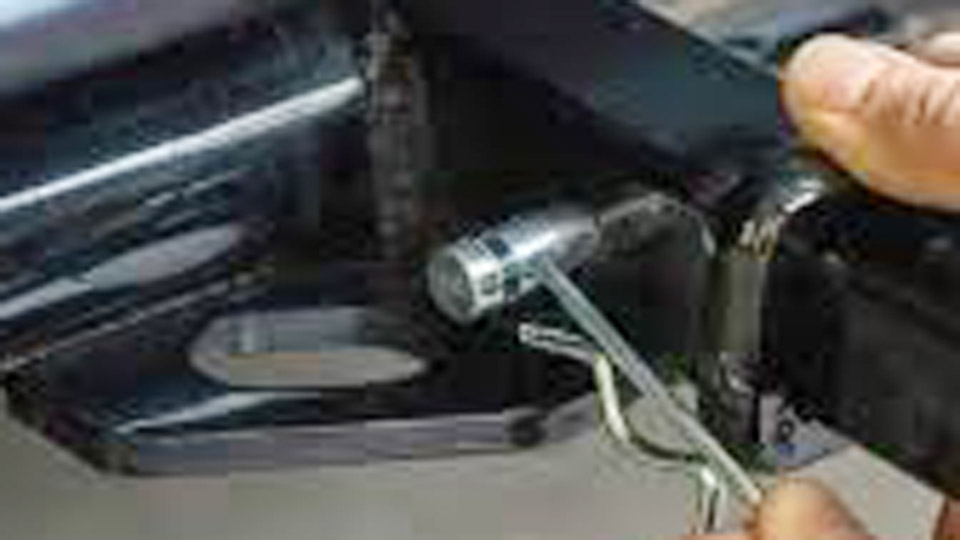
Image by curtmfg
What Exactly Is a Hitch Pin and Why Does It Matter in the Shop?
A hitch pin is a heavy-duty steel pin (usually 1/2-inch or 5/8-inch diameter) that slides through matching holes in the receiver tube and the ball mount shank. Most come with a retainer clip, hairpin cotter, or wire loop to keep it from vibrating out.
In real welding and fab work, we see these daily. You might fabricate a Class III or IV receiver on a truck bumper, weld on a pintle hitch for heavy equipment, or repair worn pin holes on a trailer tongue.
The pin transfers all the towing load, so if it’s installed wrong or the wrong size, it shears, bends, or falls out—often after your weld repair.
Key insight from the shop floor: A loose or missing pin turns a solid weld job into a liability. I’ve seen 5/8-inch pins walk out on rough roads because someone used a cheap clip or installed it upside down.
Choosing the Right Hitch Pin Size and Type
Match the pin to your receiver. Standard Class III receivers (up to 6,000 lbs) usually take a 5/8-inch pin. Smaller Class II setups often use 1/2-inch. Always check the receiver stamping or measure the hole diameter precisely.
Common types I recommend in the shop:
- Standard hitch pin with wire clip: Affordable, reliable for daily use.
- Locking hitch pins: Essential for job sites or when the trailer sits unattended. These have a built-in lock that prevents theft of the ball mount.
- Pintle hitch pins or clevis pins: Heavier duty for agricultural or construction towing.
- Adjustable or extended pins: Useful on custom fab work with thicker walls.
Pro tip: Never substitute a bolt or random rod. Grade 5 or 8 hardware has different shear strength, and threads can damage the receiver holes over time.
Step-by-Step: How to Properly Install a Hitch Pin
Clean and inspect everything first. Remove rust, dirt, or old grease from the receiver tube and shank. Look for elongated holes—if the pin wobbles, it’s time to repair or sleeve the tube.
Align the holes. Slide the ball mount or accessory fully into the receiver until the holes line up perfectly. No partial insertion.
Insert the pin correctly. Push the pin from the top down so the head sits on top. This way gravity and road bounce help keep it seated. The clip or retainer goes on the bottom.
Secure the retainer. Use the wire clip or cotter pin properly. Make sure it snaps fully into the hole and can’t back out. For locking versions, key it and test the mechanism.
Final check. Tug on the mount, rock it side to side, and ensure zero play. Plug in trailer lights and do a short test pull in a safe area.
I’ve watched beginners drop the pin in from the bottom—bad move. Vibration works it loose fast.
Welding and Fabricating Considerations for Hitch Receivers and Pins
As welders, we often build or repair these systems. When fabricating a custom hitch:
- Use A36 or 50-grade plate for the receiver tube. Maintain proper wall thickness (at least 3/16″ for most applications).
- Preheat thicker materials to avoid cracking. Run stringer beads for multi-pass fillets around the receiver.
- For pin hole repairs: Clean the elongated hole, weld it up with 7018 or flux-core wire, then re-drill to exact size. Go slow with a step drill or reamer to avoid work-hardening.
Material compatibility notes:
- Mild steel receivers pair best with ER70S-6 wire (MIG) or 7018 rods (stick).
- Amperage example for 1/4″ fillet on hitch: 180-220A on MIG with .035″ wire, or 110-150A on stick with 3/32″ 7018.
- Always stress-relieve or normalize heavy-duty hitches if possible, especially for commercial use.
Common welding mistakes:
- Undercutting the receiver tube welds, creating stress risers.
- Using too much heat on thin-walled tubing, leading to distortion.
- Skipping joint prep—grind mill scale and bevel edges for full penetration.
Safety First: What Can Go Wrong and How to Prevent It
A failed hitch pin setup can cause trailer detachment, serious accidents, and legal headaches. Always respect weight ratings—Class IV hitches handle up to 10,000-12,000 lbs with proper distribution.
Shop safety checklist:
- Wear gloves when handling pins—burrs and rust are sharp.
- Never stand directly behind a loaded trailer during hookup.
- Check pin condition before every use: Look for bending, wear, or rust pits.
- Use a torque hitch or weight distribution setup for heavier loads to reduce pin stress.
In professional environments, I insist on locking pins plus a safety chain or cable as backup. One loose pin story from a student was enough— the ball mount slid out on the interstate.
Hitch Pin Maintenance and Longevity Tips
Clean pins after muddy jobs. A light coat of grease prevents seizing. Replace clips immediately if they stretch or break. For shop tools, keep a few spare pins in different sizes—customers always need them.
When repairing worn pins or holes:
- Build up with hardfacing rod if it’s high-wear area.
- Consider sleeving the receiver with DOM tubing for extra life on fleet vehicles.
Comparison Table: Hitch Pin Types
| Type | Best For | Strength | Security | Cost | Shop Notes |
|---|---|---|---|---|---|
| Standard Wire Clip | Daily personal towing | Good | Basic | Low | Easy to lose clip |
| Locking Pin | Job sites, security | Excellent | High | Higher | Prevents theft of mount |
| Clevis/Pintle | Heavy equipment | Very High | Good | Medium | Needs compatible hitch |
| Hairpin Cotter | Quick release | Good | Medium | Low | Faster but can vibrate out |
Real-World Examples from the Shop
Last month we built a custom rear bumper with a 2.5″ receiver for a diesel truck. We used 5/8″ pins, double gusseted the receiver, and added a reinforced pin hole area. The customer hauls a 9,000 lb equipment trailer—no issues after 6 months.
Another common job: Repairing tractor drawbars where the pin hole has wallowed out from years of use. Weld, re-drill, and sometimes add a grease zerk for future maintenance.
Advanced Techniques for Fabricators
For high-end work, consider anti-rattle hitches or adjustable ball mounts that still rely on solid pin connection. When TIG welding stainless receivers for marine use, use 308L filler and back-purge to prevent sugaring.
Pay attention to heat input—excessive distortion can misalign pin holes, forcing you to ream or weld again.
When to upgrade: If your customer tows near max capacity regularly, recommend a heavier Class V setup with corresponding pin diameter.
Common beginner mistakes:
- Installing the pin without fully seating the shank.
- Using the wrong diameter (too small = shear risk).
- Forgetting the clip entirely.
- Ignoring receiver rust until the pin binds.
Taking It Further: Integrating Hitch Work Into Your Welding Business
Many welders build side income fabricating custom hitches, bumper guards, and utility trailers. Mastering hitch pin installation and related repairs builds trust—customers return for more fab work.
Always test your setups: Load the pin in shear on a test stand if possible, or at least do controlled pulls.
Hitch pins seem simple, but they sit at the intersection of your welding skill and real-world performance. Get the details right—pin size, installation direction, securement, and receiver integrity—and everything downstream works better.
The best advice I ever received from an old fabricator: “The pin doesn’t care how pretty your welds look—if it’s not in right, none of it matters.” Check your pins, match your materials, and weld with the end use in mind. Your customers (and the highway) will thank you.
FAQ
What size hitch pin do I need for a standard 2-inch receiver?
Most 2-inch Class III receivers use a 5/8-inch diameter pin. Confirm by measuring the hole—never guess.
Can I weld a hitch pin in place for permanent setups?
Not recommended for removable ball mounts. It defeats the purpose of the receiver system and makes adjustments impossible. Weld the receiver itself securely instead.
How do I remove a rusted or seized hitch pin?
Penetrating oil, heat if safe, and a slide hammer or pipe cheater bar. For bad cases, cut it carefully without damaging the receiver tube.
What’s the difference between a hitch pin and a receiver lock?
A standard hitch pin secures the mount; a receiver lock adds a keyed mechanism for theft protection. Many pros use both.
How often should I inspect my hitch pin?
Before every tow. Look for wear, bending, and clip condition. Replace if any doubt exists—cheap insurance.


